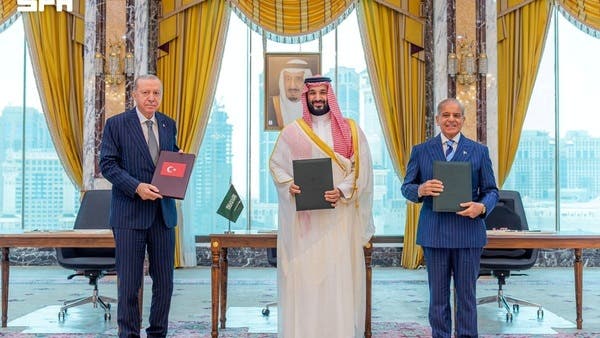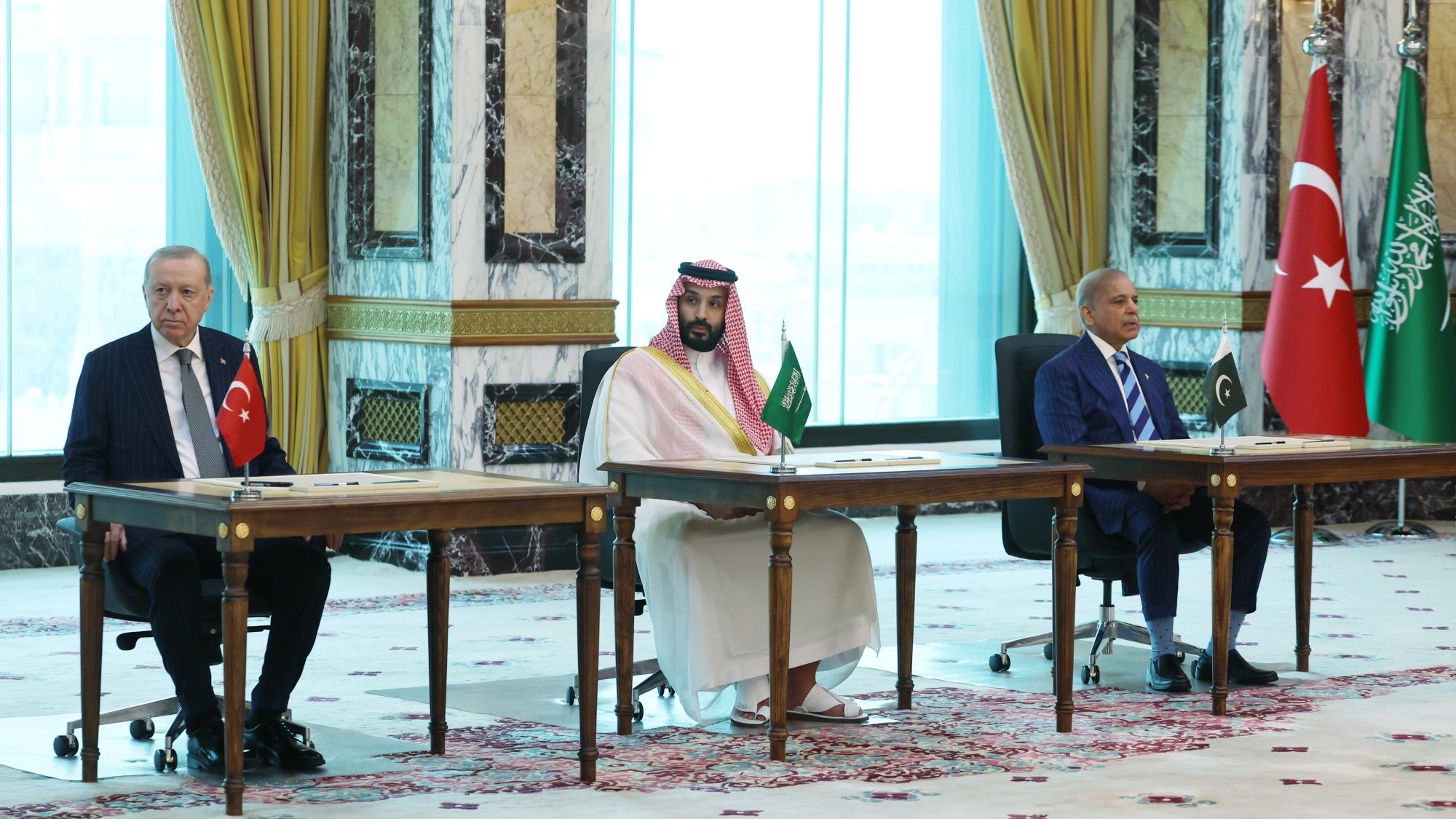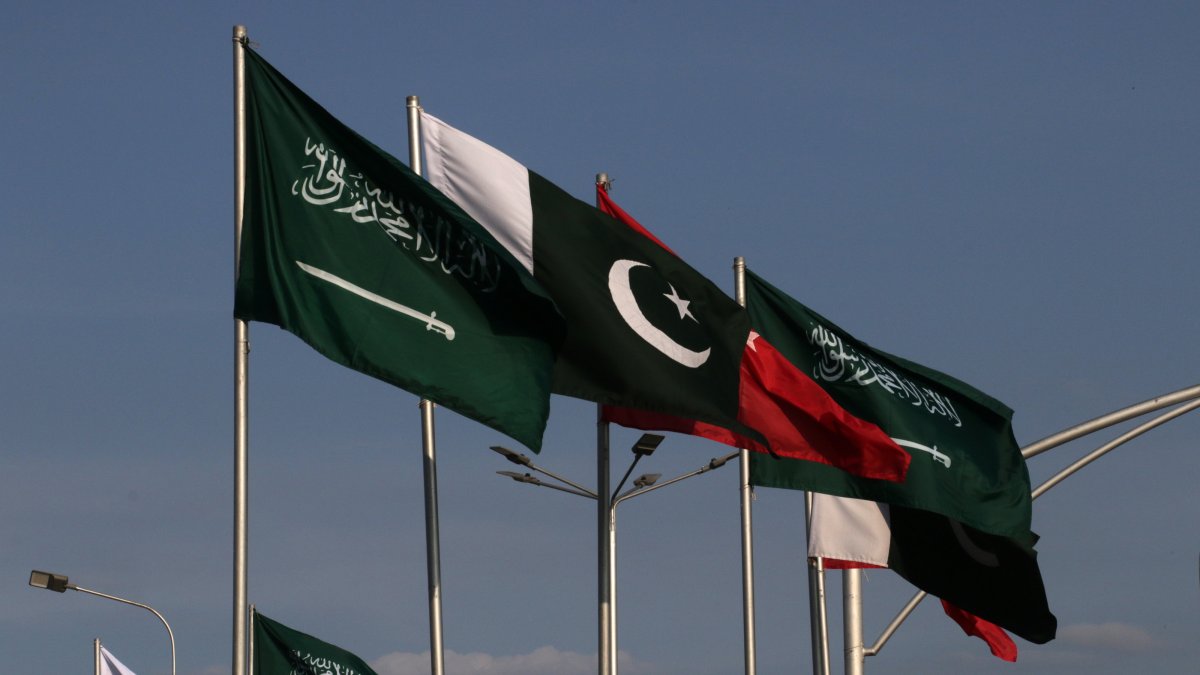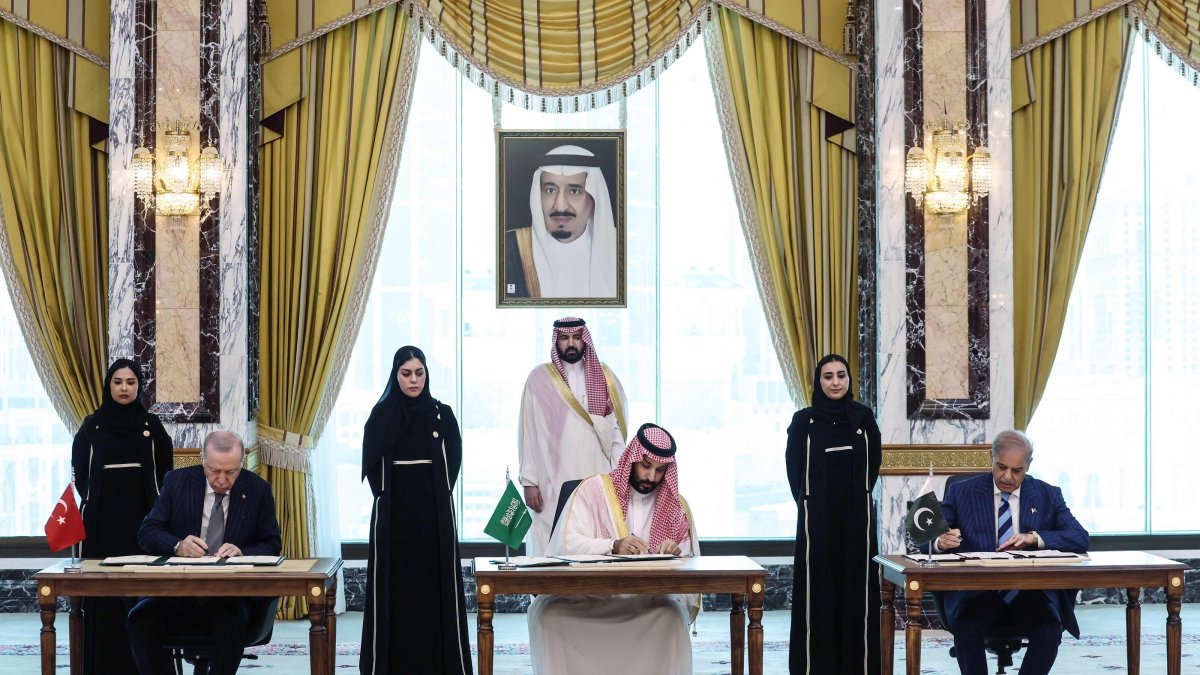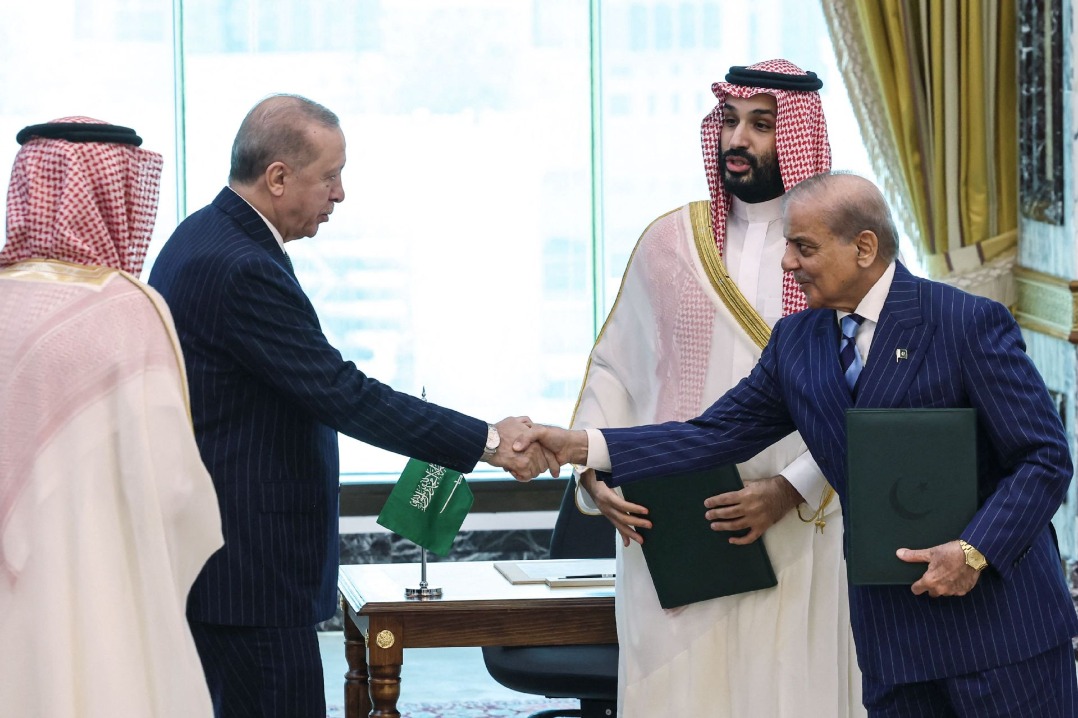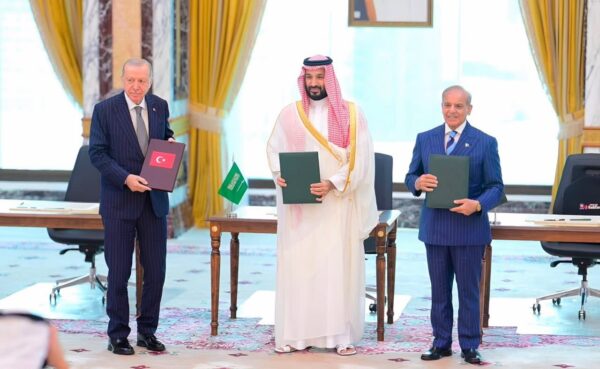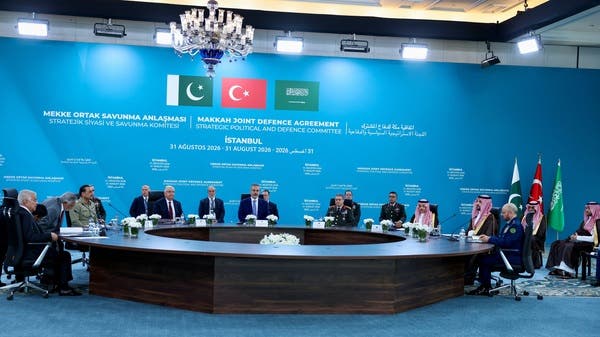
The defence pact signed by Turkey, Saudi Arabia and Pakistan, known for now as the Mecca Agreement, has laid down a firm statement of political intent: to sharpen regional deterrence, and to put the burden of the region's security back in the hands of the region itself.
Yet the collective defence promise at the heart of the pact raises as many questions as it answers.
Its central clause, that an attack on one member is to be treated as an attack on all, has fuelled expectations that the three countries could build a Nato-style deterrent of their own.
But the structure is still in its infancy, and much remains unclear: how far it will hold up on the ground, how durable the political trust between the parties will prove, and how military, intelligence and technological capabilities are to be pooled.
For Turkey, the timing of the initiative, and the choice of partners, matter every bit as much as the agreement itself.