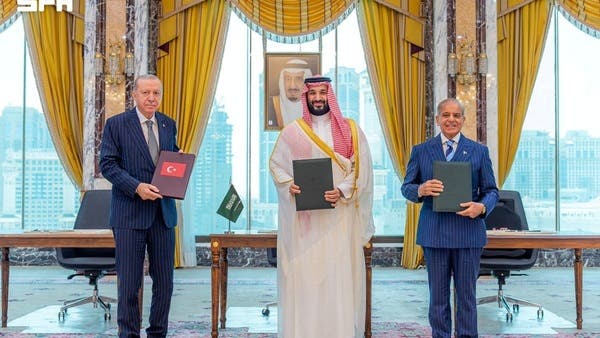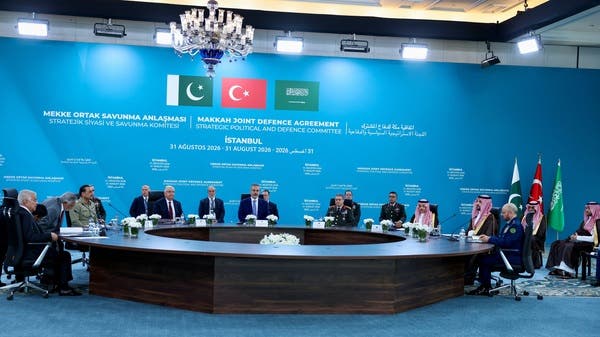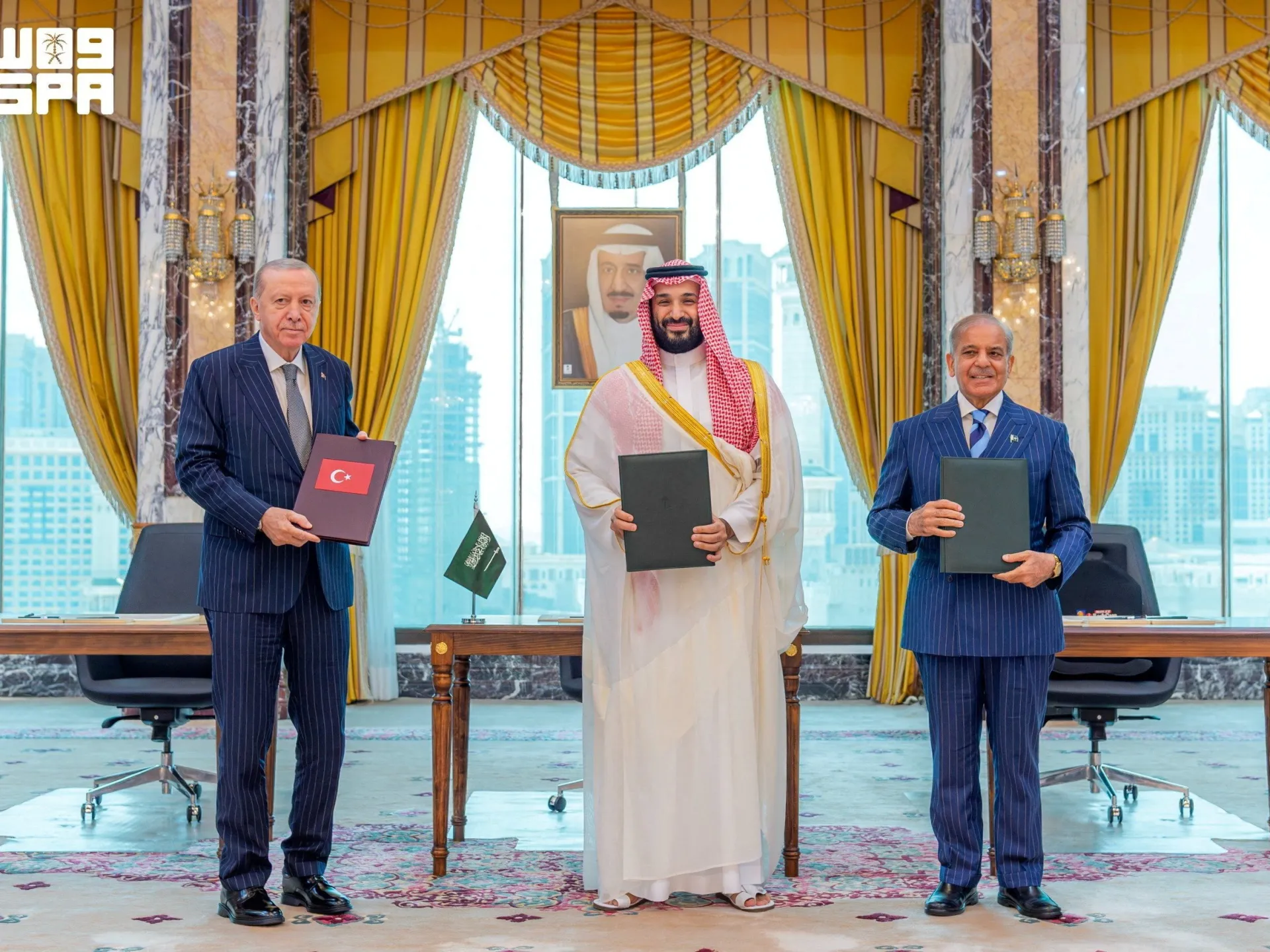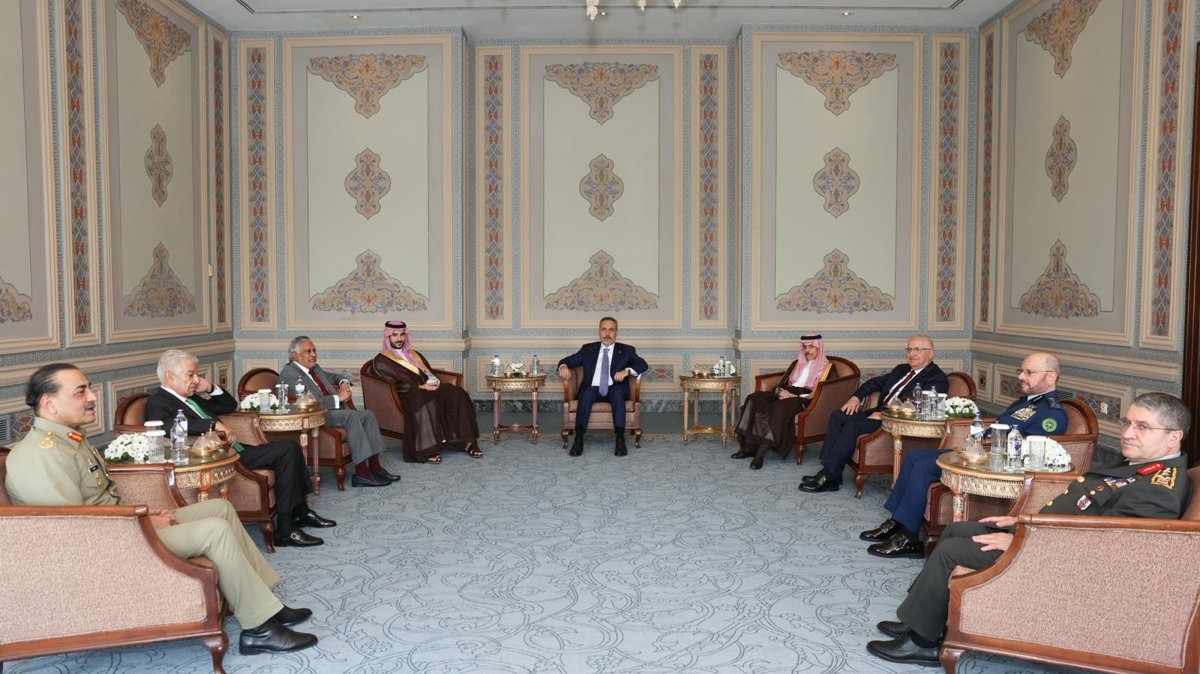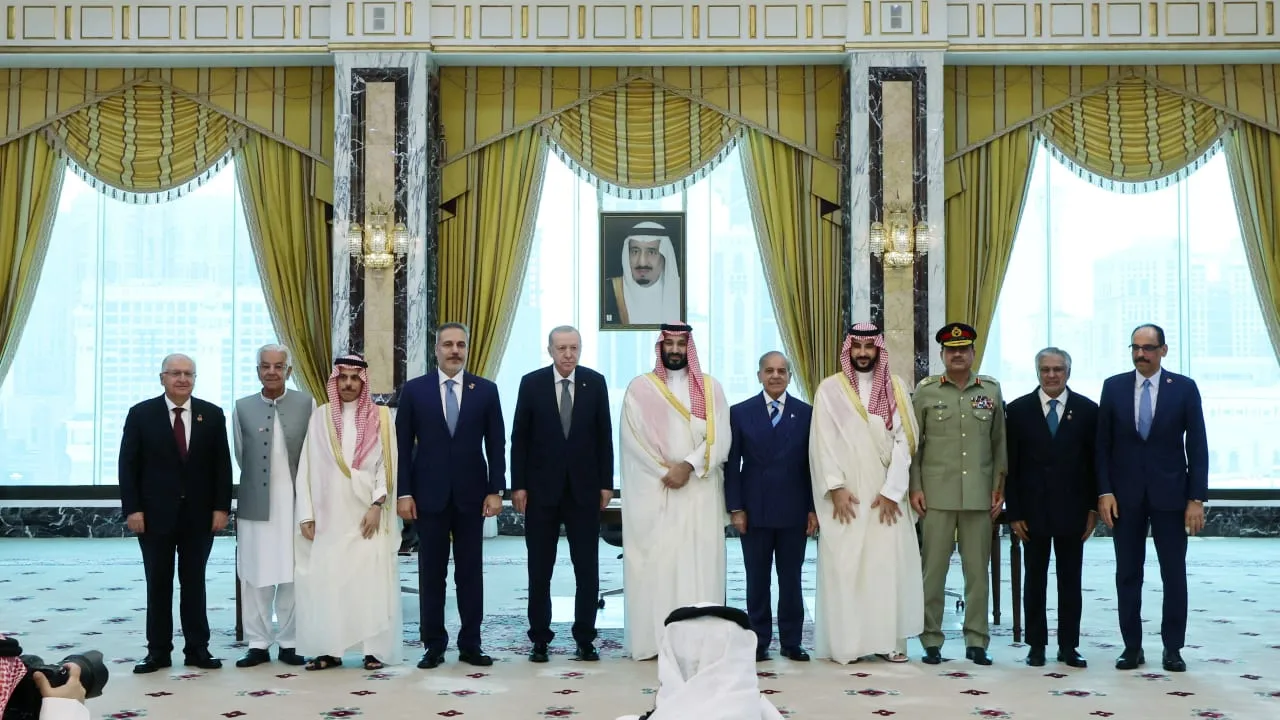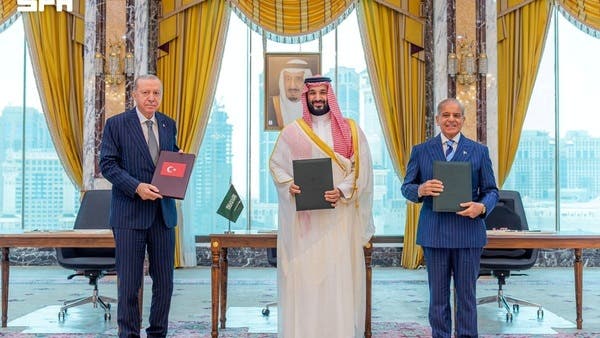
The signing of the Mecca Joint Defense Agreement between Saudi Arabia, Turkey and Pakistan has attracted global attention and prompted differing views over its importance and strategic significance for the allied countries. Many commentators have rushed to question its value or whether it can realistically be implemented, as though it were designed to counter the ambitions and plans of certain countries and should therefore be stopped before it takes effect, or as though it were sectarian in nature. Such arguments overlook the fact that this is a defensive alliance, whose value would only be questioned by those harboring hostile intentions toward these non-sectarian states or planning to target them in the future.For all the latest headlines follow our Google News channel online or via the app.Forming alliances to address immediate or anticipated future security and military threats is a legitimate right of states under international law and a normal practice throughout the history of international diplomacy. Alliances are formed between responsible states that share a strategic assessment of the nature of the threats to their security and stability, as well as to the security and stability of their broader geostrategic environment. The countries allied under the Mecca Agreement share such an assessment in light of the wars unfolding in the region, the strategic vacuum these conflicts are expected to leave behind, the erosion of the balance of power and the end of the regional order that prevailed over previous decades. That order was linked to international protection of a region whose security and stability are both a global need and necessity, not only because of its geoeconomic and geofinancial importance, but also because of its pivotal location and historical and political standing.The three countries are all geostrategically important, and their respective capabilities complement one another in ways that could restore the strategic balance in the region and fill any strategic vacuum left by regional wars. Through their alliance, the three countries can become a major force in confronting current and future threats facing the region. The alliance may also expand to include other countries that share the same objectives.Some interpretations that fail to grasp the agreement’s strategic dimensions have suggested that Saudi Arabia’s importance and role within the alliance are tied to its financial capabilities and its desire to guarantee its own security, reducing the Kingdom’s role to these important considerations. Yet Saudi Arabia’s geostrategic importance is no less significant than that of the other parties to the alliance, and may even surpass theirs.Others have argued that Saudi Arabia is constantly looking for a supporter to help safeguard its stability and security, as though such efforts were somehow unique to the Kingdom when all countries pursue them. Yet Saudi Arabia’s position on the international geopolitical map has itself made the Kingdom a destination for countries seeking its support and backing. Saudi Arabia’s geostrategic standing stems from its strategic geographical location, its central religious importance, its oil resources, financial strength, moderate policies, diplomatic role, international relationships and military capabilities.Saudi Arabia’s strategic geographical position, encompassing most of the Arabian Peninsula, connects three major regions: the Middle East, Africa and South Asia. The Kingdom has coastlines on both the Red Sea and the Arabian Gulf, placing it close to some of the world’s most important maritime trade and energy routes. This enables Saudi Arabia to influence the strategic environment of both vital regions and serve as a stabilizing force within them. From this position, the Kingdom influences global energy markets, maritime security, the balance of power in the Arabian Gulf and the Middle East, and relations among the world’s major powers. The closure of the Strait of Hormuz has underscored the importance of Saudi Arabia’s position on the Red Sea, as well as the readiness of its ports and infrastructure to provide an alternative route for energy supplies and serve as a logistics hub for global supply and supply chains.Oil is one of Saudi Arabia’s most important strategic assets. The Kingdom holds one of the world’s largest proven oil reserves and has consistently ranked among OPEC’s leading producers and exporters. It also possesses substantial spare production capacity, allowing it to increase or reduce output more rapidly than many of its competitors. This capacity gives Riyadh exceptional influence over global oil supplies and prices, as Saudi production decisions can affect inflation, transportation costs, government revenues and economic growth in both developed and developing countries. Saudi Arabia is therefore not merely an oil exporter, but a major participant in managing the global energy market. Today, the Kingdom is also building part of its geopolitical importance on its success, through Vision 2030, in transforming its oil-based wealth into lasting economic, technological and institutional influence, while expanding into other sectors including investment, tourism, entertainment, logistics, manufacturing, mining, renewable and nuclear energy, defense production and other important industries.If strategic location and oil resources are important geostrategic and geopolitical factors, Saudi Arabia’s religious standing is no less significant. The Kingdom is home to the direction of prayer for Muslims and Islam’s two holiest cities, which millions of Muslims around the world yearn to visit every year to perform Hajj and Umrah and visit the holy sites. This gives Saudi Arabia an international standing that no other country possesses. Organizing, administering and protecting these holy sites, an honor for the Kingdom as well as a duty it bears, has enabled Saudi Arabia to build extensive and deeply rooted relationships with governments, communities and Islamic organizations across Africa, Asia, Europe and the Americas. The Kingdom’s religious standing also enables it to serve as an influential Islamic voice, given its position as an Arab power, an Islamic center, a major energy producer, a strong economy and an active member of international and regional organizations, including the G20, which brings together the world’s leading economies. Few countries possess such overlapping sources of influence, standing and strategic importance across so many different spheres.While Saudi Arabia has maintained a strategic relationship with the United States both historically and today, it also has multifaceted strategic partnerships with China, Russia, the European Union and the majority of countries around the world, with the exception of the Zionist entity. These relationships are built on shared interests and mutual benefits in ways that serve the Kingdom’s security, the stability of its region and its broader strategic sphere. Saudi Arabia manages its international relations and diplomacy with wisdom, confidence and credibility. It works to resolve conflicts and wars in the region and uses its diplomacy to uphold Palestinian rights and find ways out of the wars imposed on the region. This approach has made Saudi Arabia an important strategic actor in a turbulent international system that is increasingly moving toward multipolarity.Whatever the extent of Saudi Arabia’s strategic importance, the Kingdom is moving confidently toward the future, harnessing the sources of that importance to build its own strength. The alliance is ultimately an added source of value in achieving the Kingdom’s security and stability and ensuring the success of its ambitious plans for a safe and stable region.This op ed was originally published in and translated from Asharq Alawsat
Mecca defense pact redraws the region’s strategic map
The signing of the Mecca Joint Defense Agreement between Saudi Arabia, Turkey and Pakistan has attracted global attention and prompted differing views over
1,178 words~5 min read