view more
Image source link: https://openverse.org/image/09da85bc-774d-4d7e-a764-bc20dd0ecaa9
A policy analysis by Hasanuddin University finds that Indonesia's shift from gradual rehabilitation to stricter enforcement has not fully addressed the underlying drivers of oil palm expansion in state forest zones and has created new uncertainties for smallholder farmers. The study argues how sustainable forest restoration can only be achieved when environmental protection is pursued alongside social equity, secure livelihoods, and effective governance. These findings were made available online on June 13, 2026, and was published in Volume 189 of the journal Forest Policy and Economics on August 1, 2026.
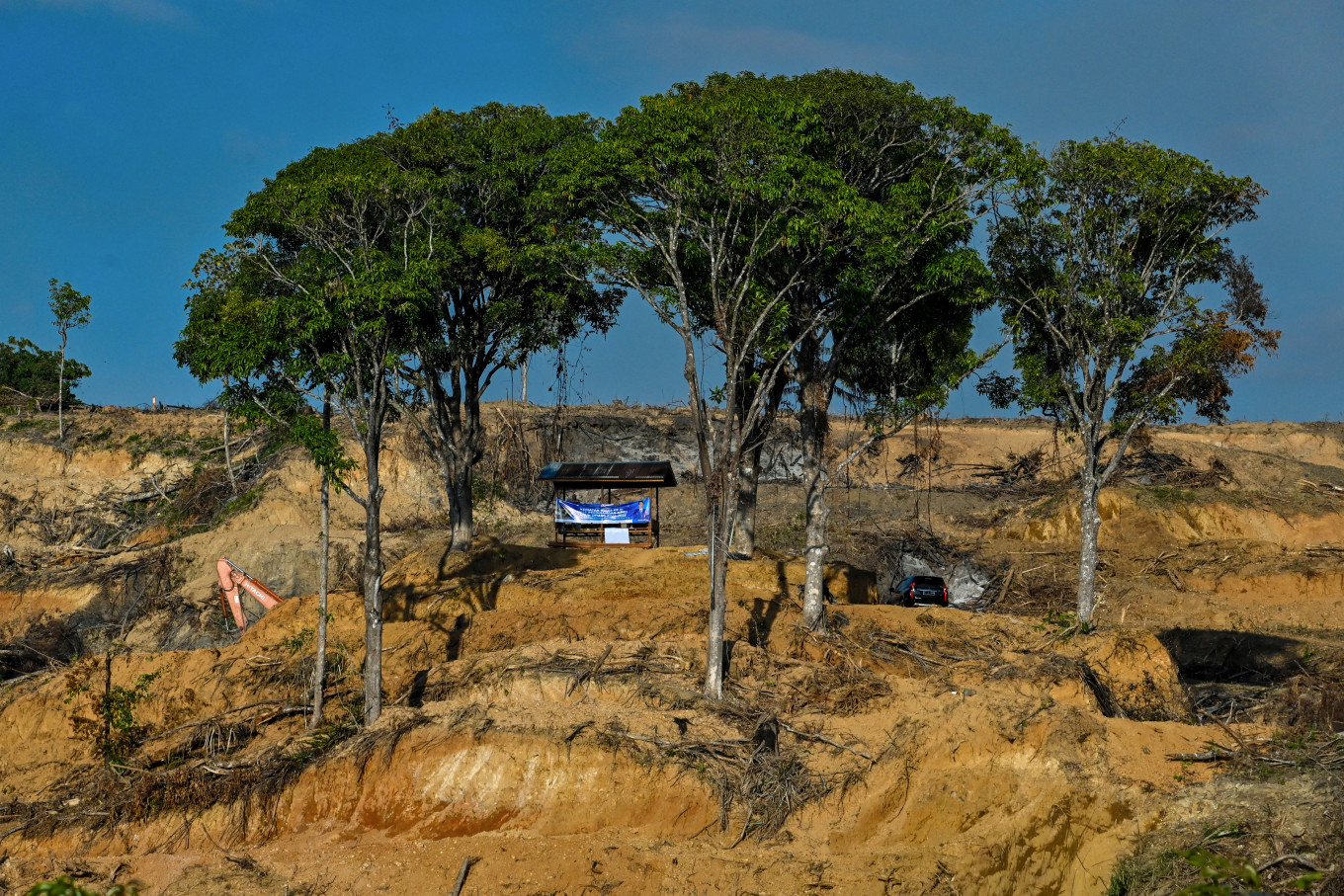
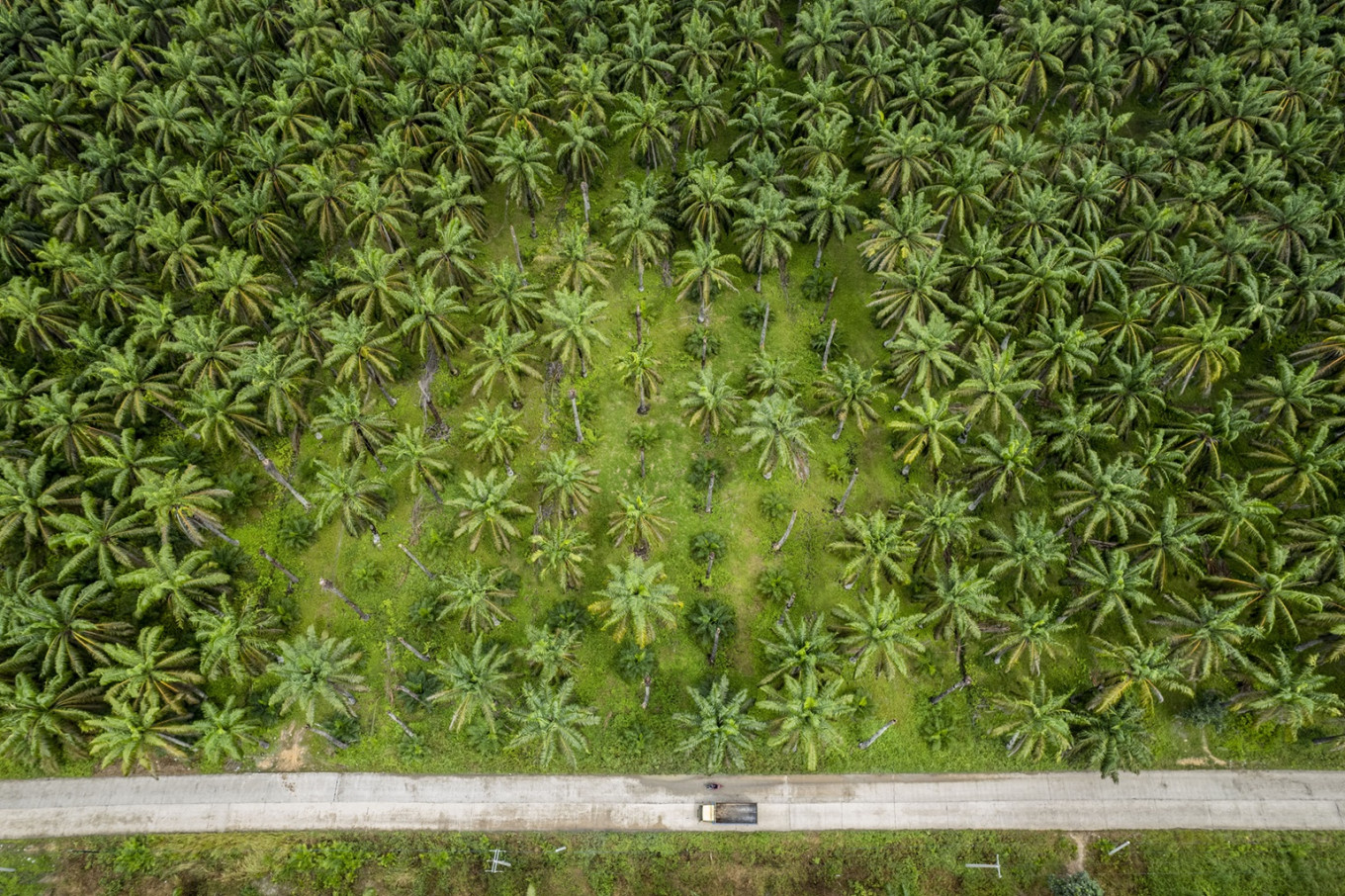
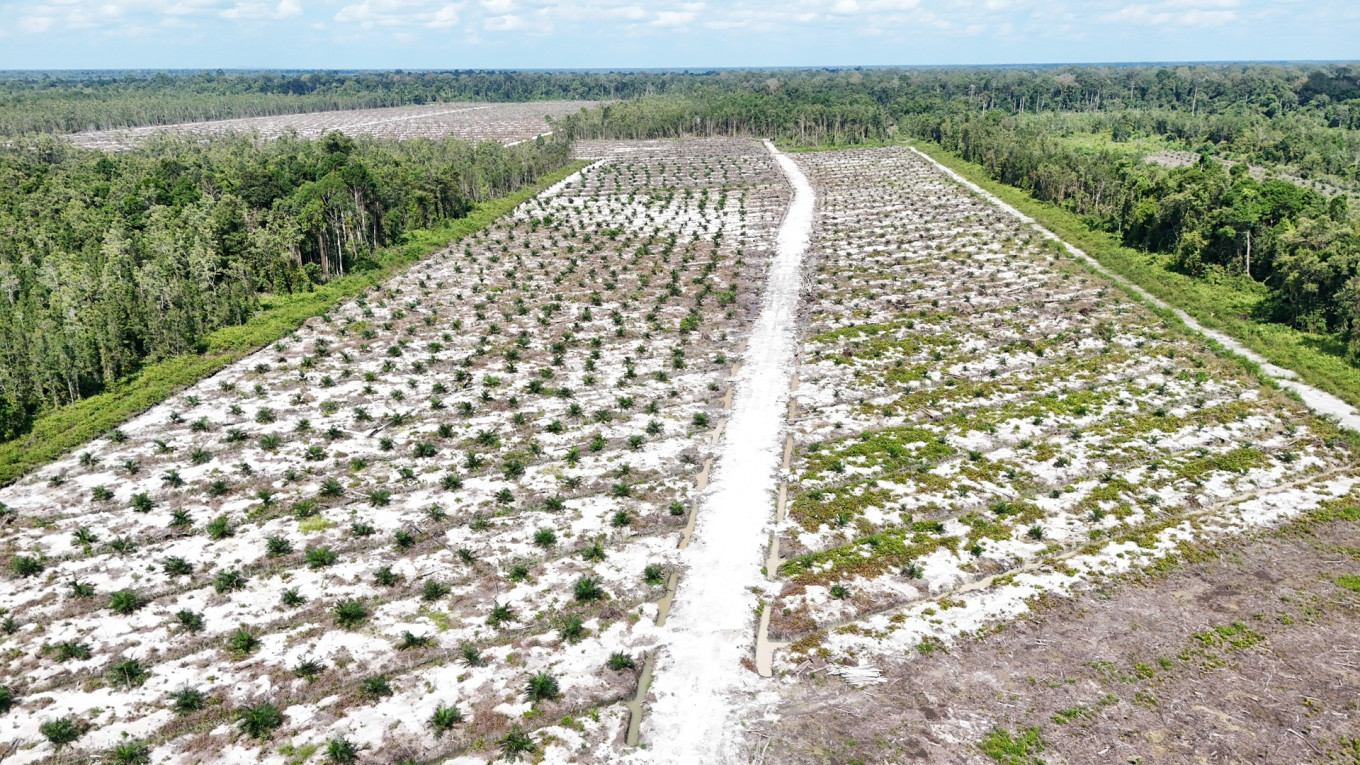
To put these findings into context, Indonesia is the world’s largest palm oil producer, with an estimated 3.4 million hectares of oil palm cultivated within state forest zones. As international pressure for sustainable palm oil sourcing increased, the Indonesian government has introduced policies to address oil palm cultivation in these areas.
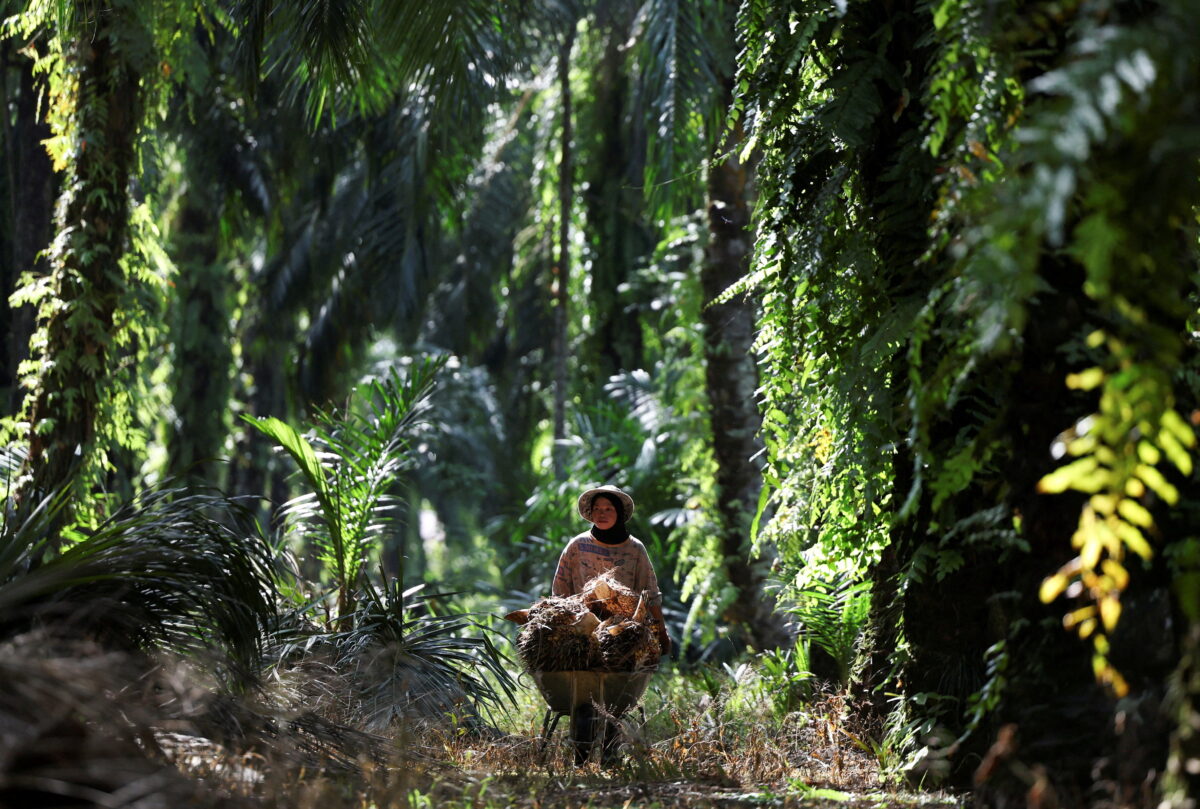
One such approach was Strategi Jangka Benah (SJB) or “Rehabilitation Period Strategy,” introduced in 2020–2021. Rather than immediately removing oil palm plantations, SJB allowed existing cultivation to continue for a transitional period while farmers gradually transformed monoculture plantations into mixed agroforestry systems. In early 2025, the government shifted toward stricter enforcement with Presidential Regulation No. 5/2025 (Perpres 5/2025), which introduced administrative penalties, potential criminal enforcement against violations, and state reclamation of forest land.