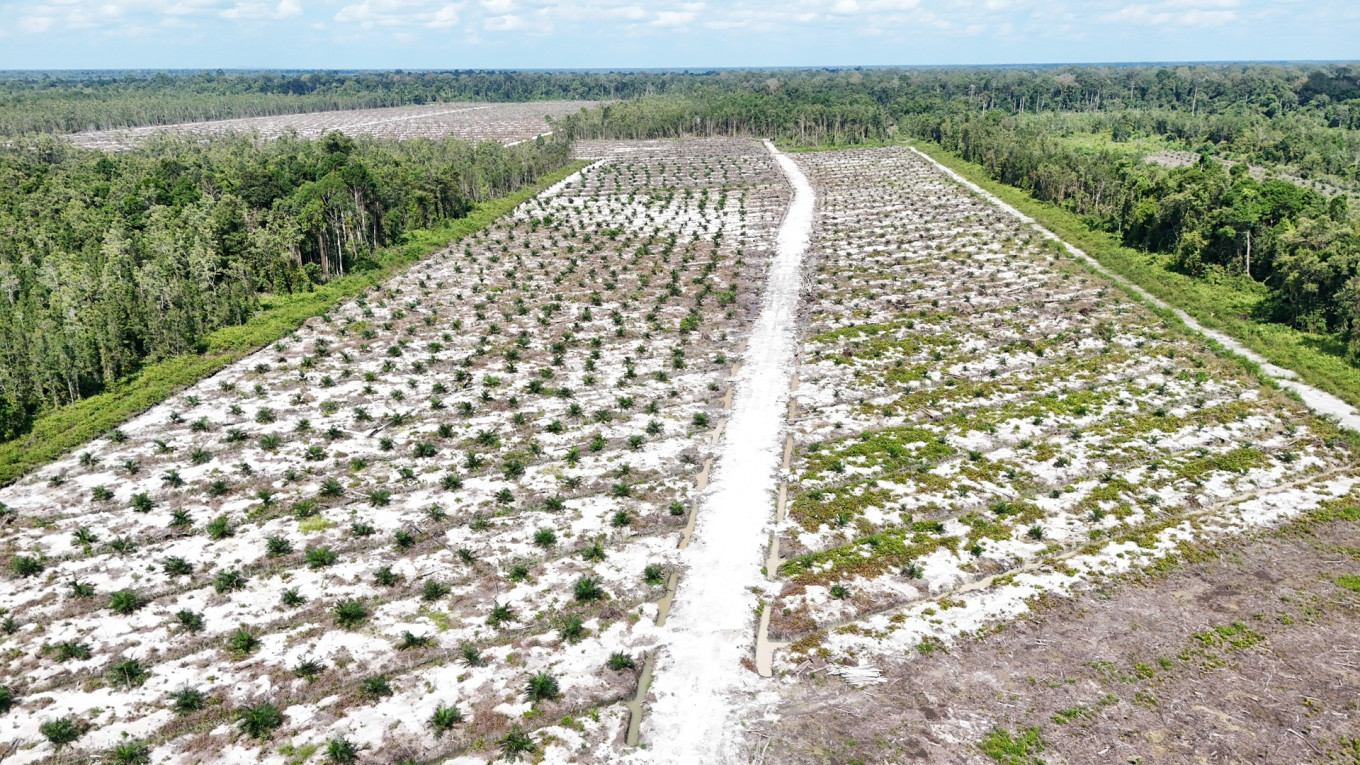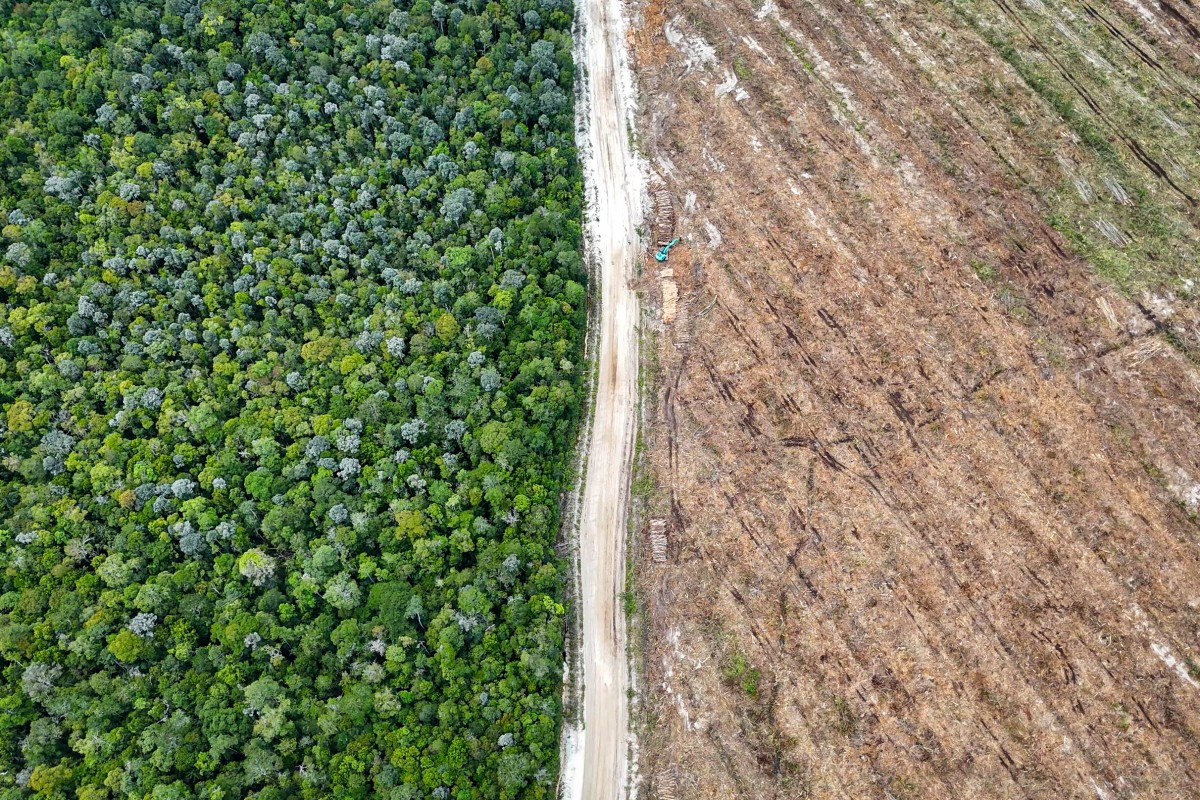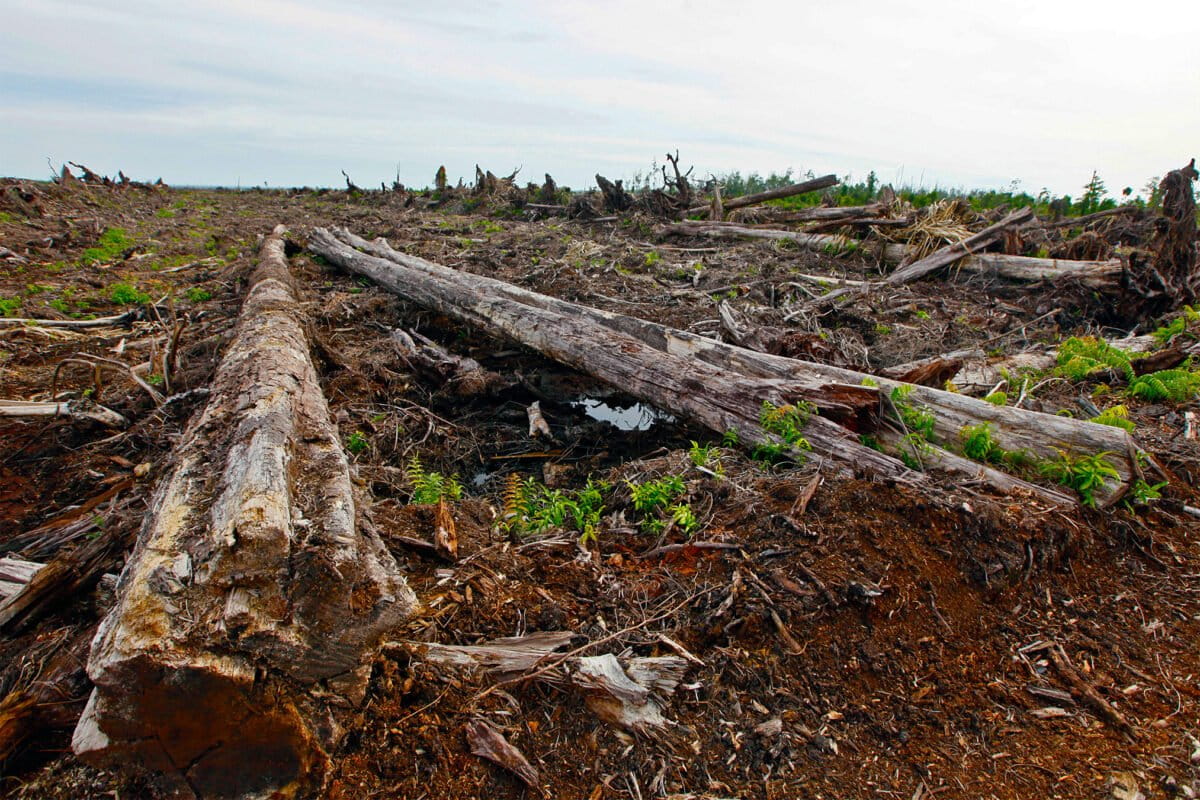
In the past decade, palm oil-producing countries, such as Indonesia, have introduced policies and company-level commitments to curb deforestation.In both concessions linked to companies with zero-deforestation commitments (ZDCs) and those not linked to ZDCs, data suggests annualized deforestation has dropped dramatically from the 2000s.Despite this drop, a new study suggests ZDCs have not, in fact, led to additional reductions in deforestation.A decline in palm oil prices and historic deforestation in concessions may have contributed to this contrasting picture, say researchers.
JAKARTA — A new study of palm oil concessions linked to Indonesian supply chains finds no evidence that corporate zero-deforestation commitments have led to additional reductions in deforestation.
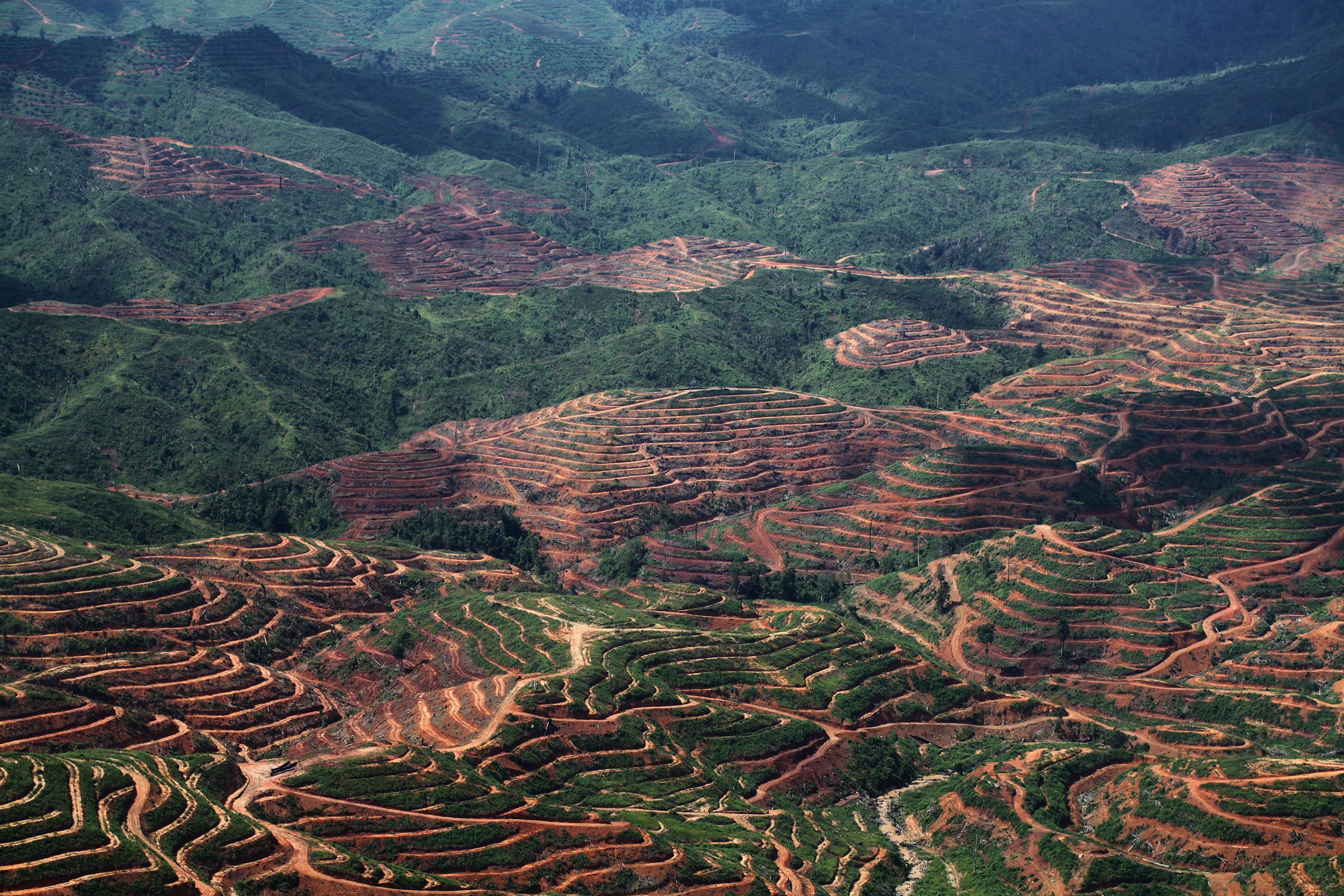
Tropical countries such as Indonesia continue to lose their forests at an alarming pace. In 2025, the world lost 4.3 million hectares of tropical primary forest, equivalent to more than 11 football fields of forest a minute .
To curb this trend, palm oil-producing countries have introduced national policies in the past decade, while companies have increasingly adopted zero-deforestation commitments (ZDCs).
When viewed through a before-and-after lens, Indonesian palm oil ZDCs appear highly successful at reducing deforestation.