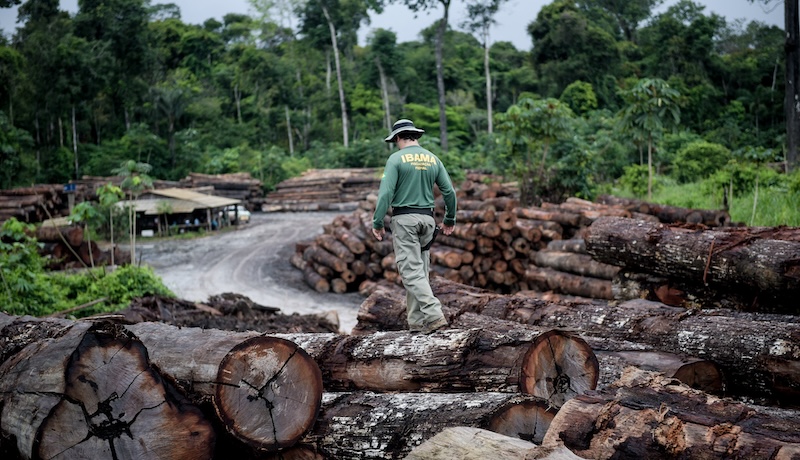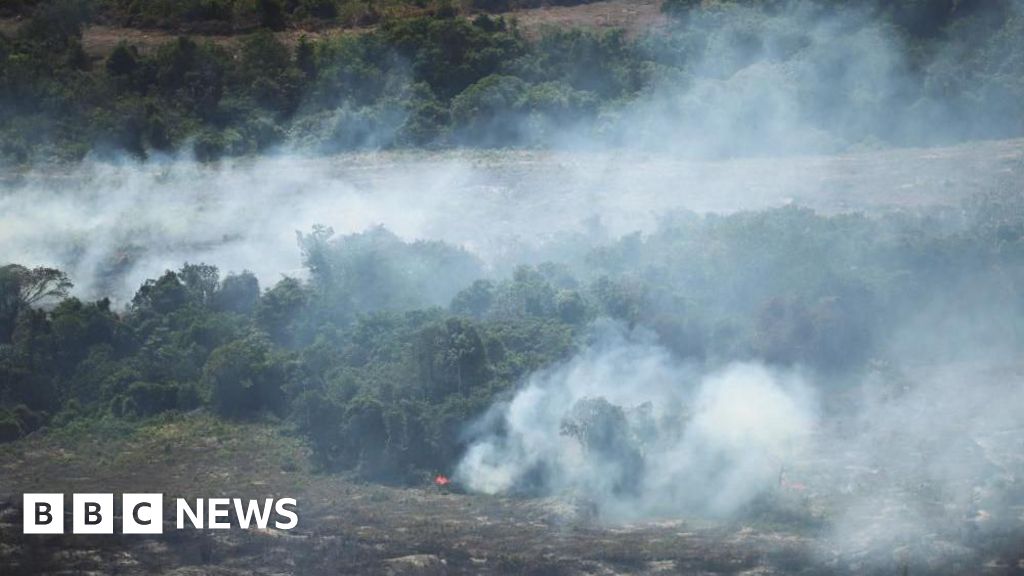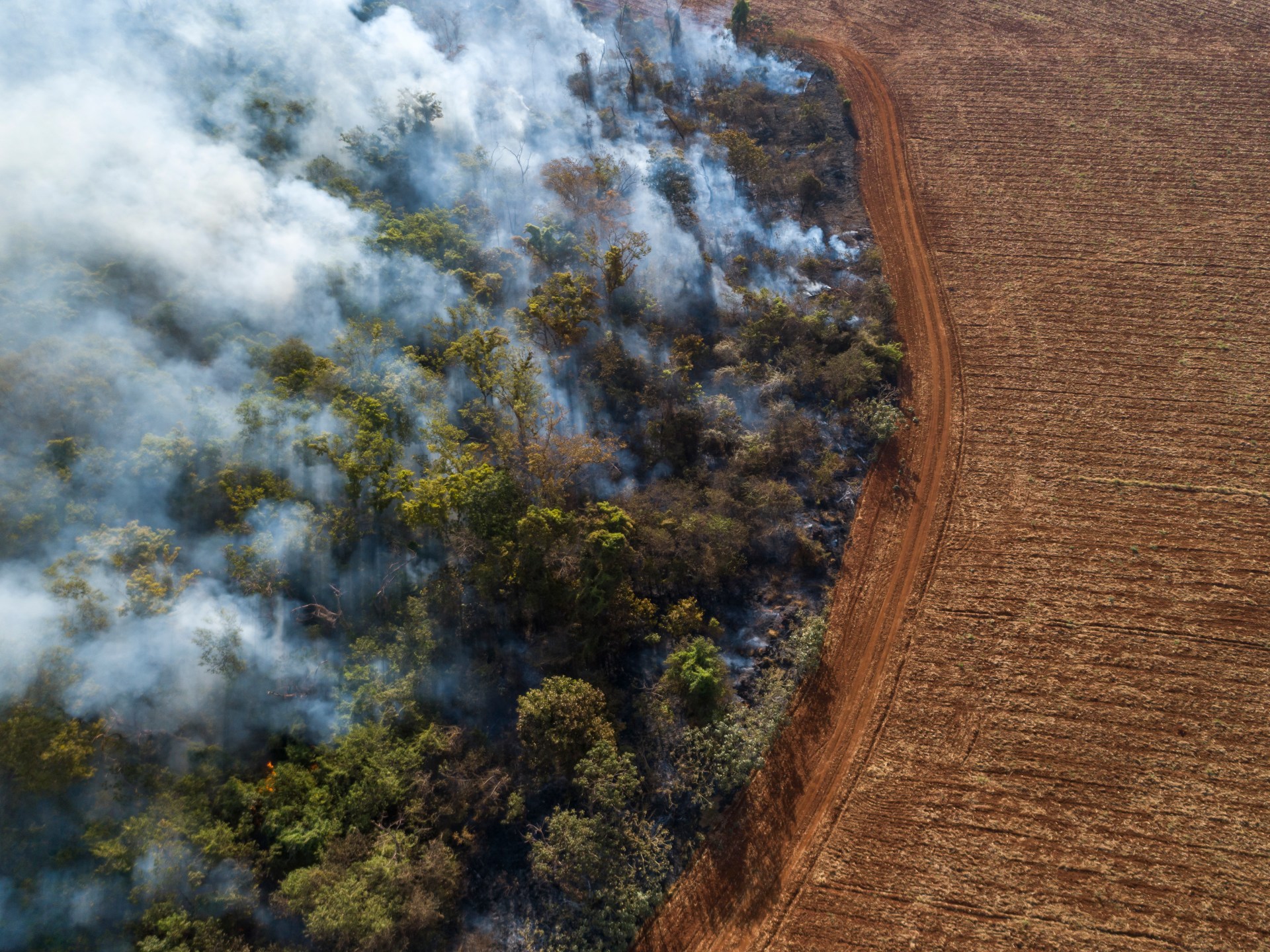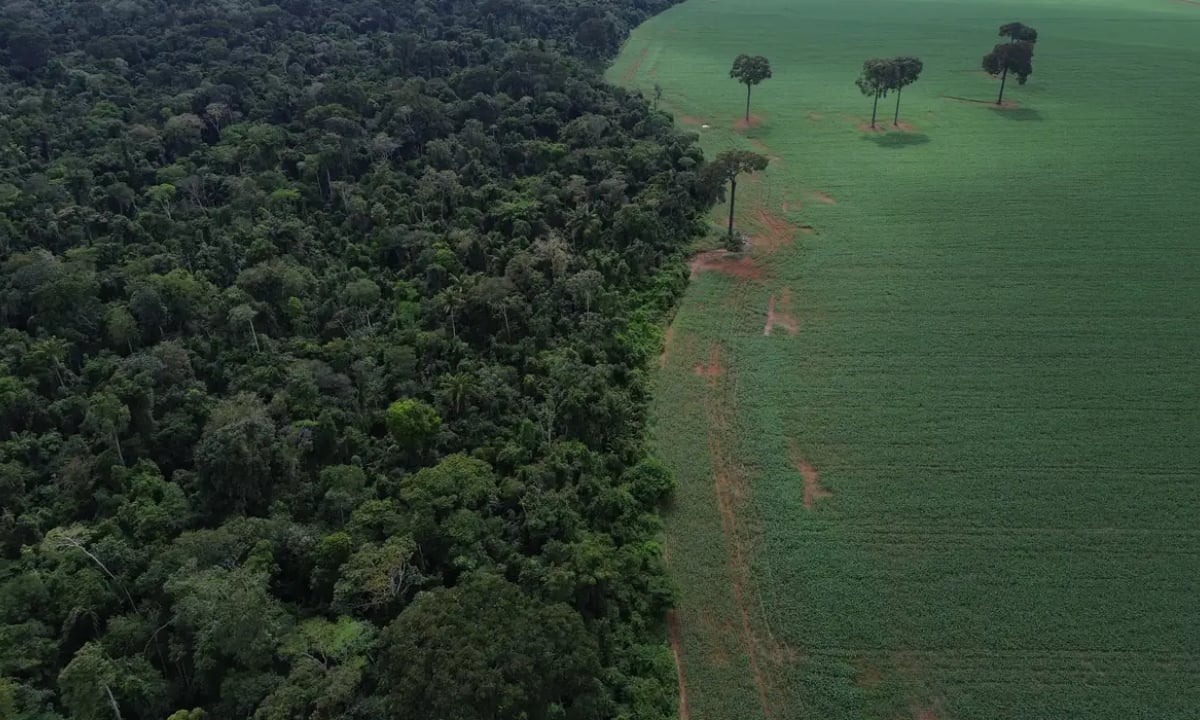
Tropical primary forest loss fell sharply in 2025, down 36% from 2024, but the decline may reflect fewer fires rather than sustained progress.Despite the drop, the world still lost an area of tropical primary forest larger than Switzerland last year, leaving countries far off track from their 2030 goal of ending deforestation.Smaller forest-rich countries are losing remaining forests fastest, while major forest nations like Brazil show gains linked to stronger enforcement.Climate-driven fires, weak governance and commodity pressures continue to drive forest loss, making recent gains fragile and uncertain.
JAKARTA — Tropical primary forest loss fell sharply in 2025, dropping 36% from the record highs of the previous year, according to new data from a long-running satellite monitoring project.
Non-fire forest loss also declined by 23%, reaching its lowest level in a decade, according to the data from the University of Maryland’s Global Land Analysis and Discovery (GLAD) laboratory and visualized on the World Resources Institute’s (WRI) Global Forest Watch platform.
The drop suggests that policy and enforcement can make be effective in protecting tropical primary forests, which are critical for biodiversity, water provision, carbon storage, food and medicine, cultural identity and more.