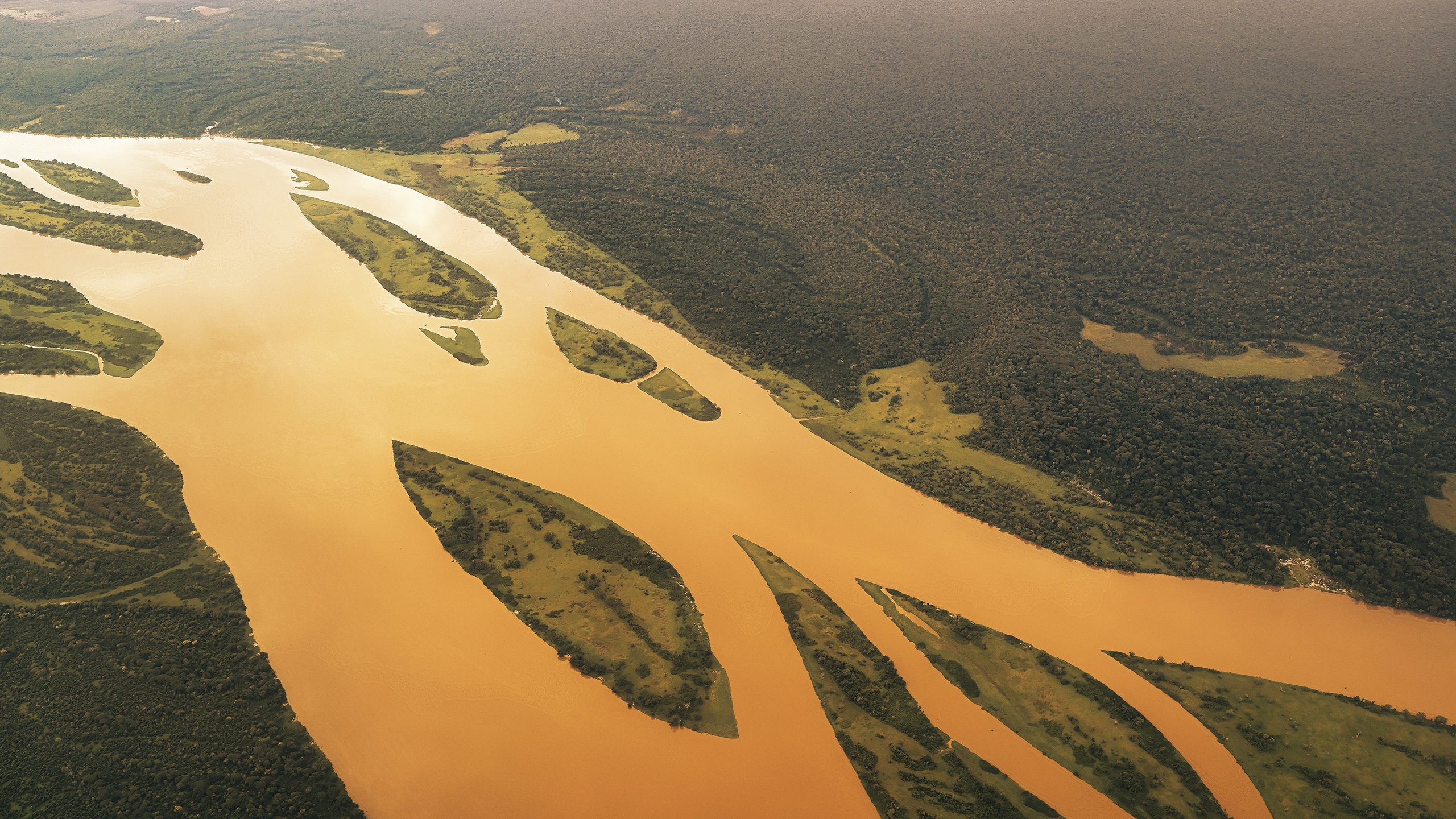
Tropical primary forest loss saw a significant drop in 2025, but the decline likely represents a temporary reprieve driven by favorable weather rather than a fundamental shift in the root causes of deforestation.The reduction was largely due to a decrease in fire-related losses following the extreme droughts of 2024, highlighting how forest health is increasingly dictated by climate variability and rainfall extremes.While policy-driven successes in Brazil and Indonesia offer a blueprint for enforcement, these gains remain fragile and vulnerable to shifting political dynamics and weakening governance.The resilience of recent progress faces an imminent test in 2026, as forecasts for a returning El Niño threaten to bring back the dry conditions that historically trigger catastrophic forest loss.
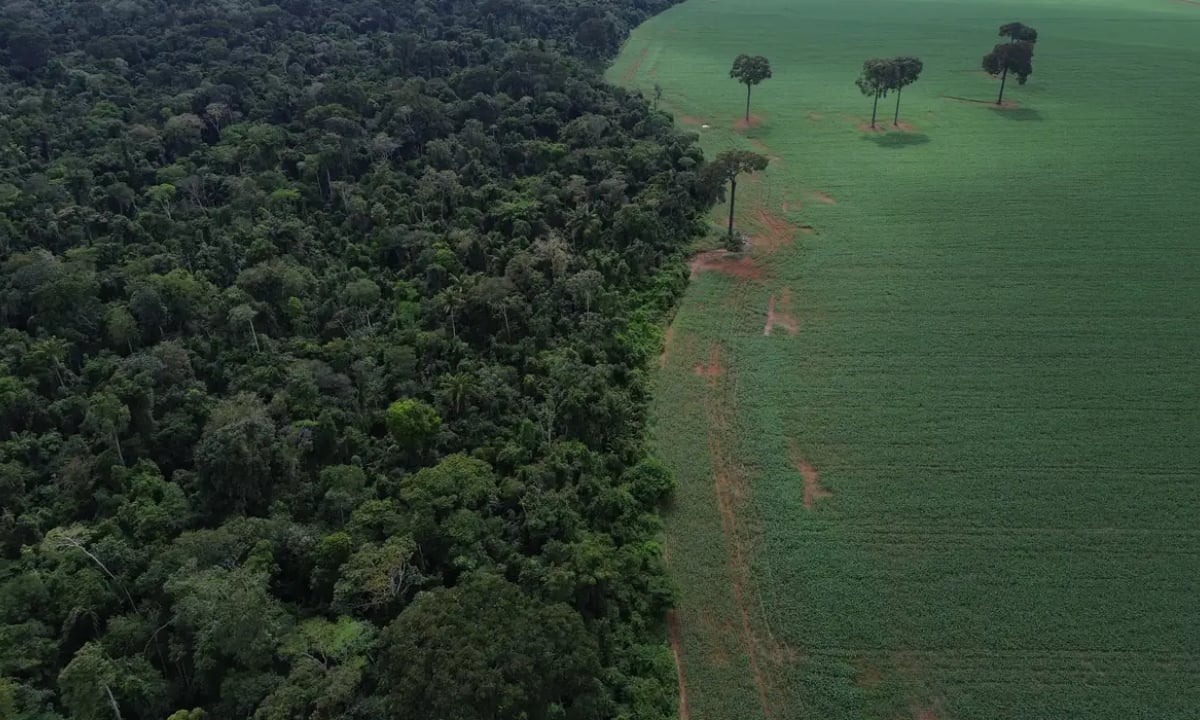
The rate of tropical primary forest loss fell sharply in 2025, reversing the record highs of the year before. On paper, it looks like progress. In reality, the dip is likely only a temporary reprieve.
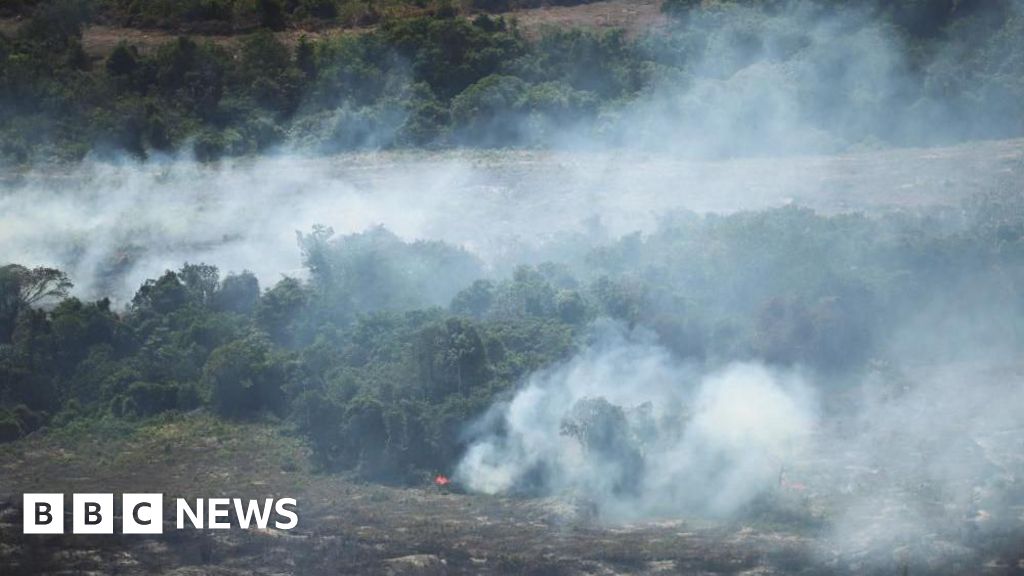
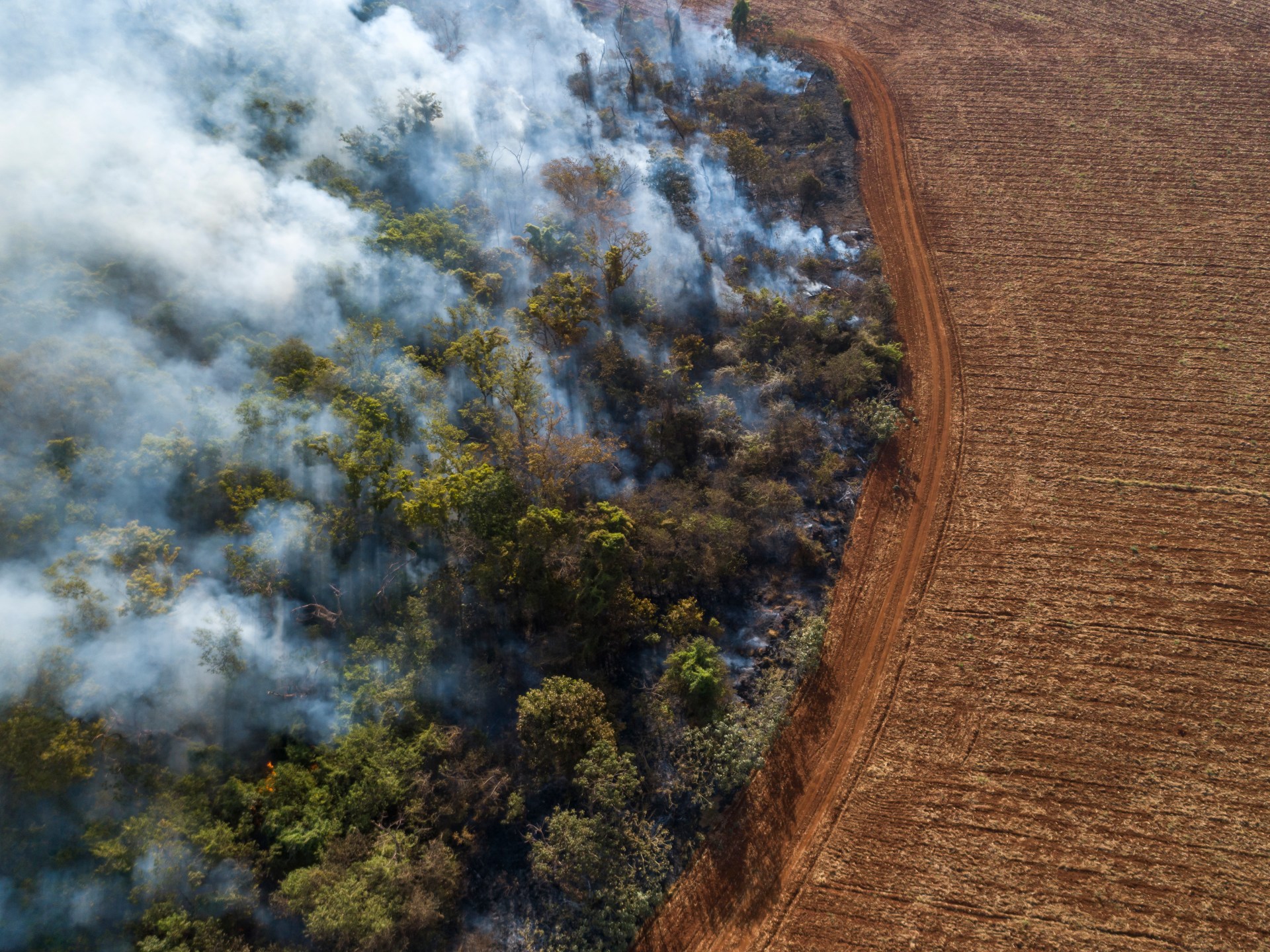
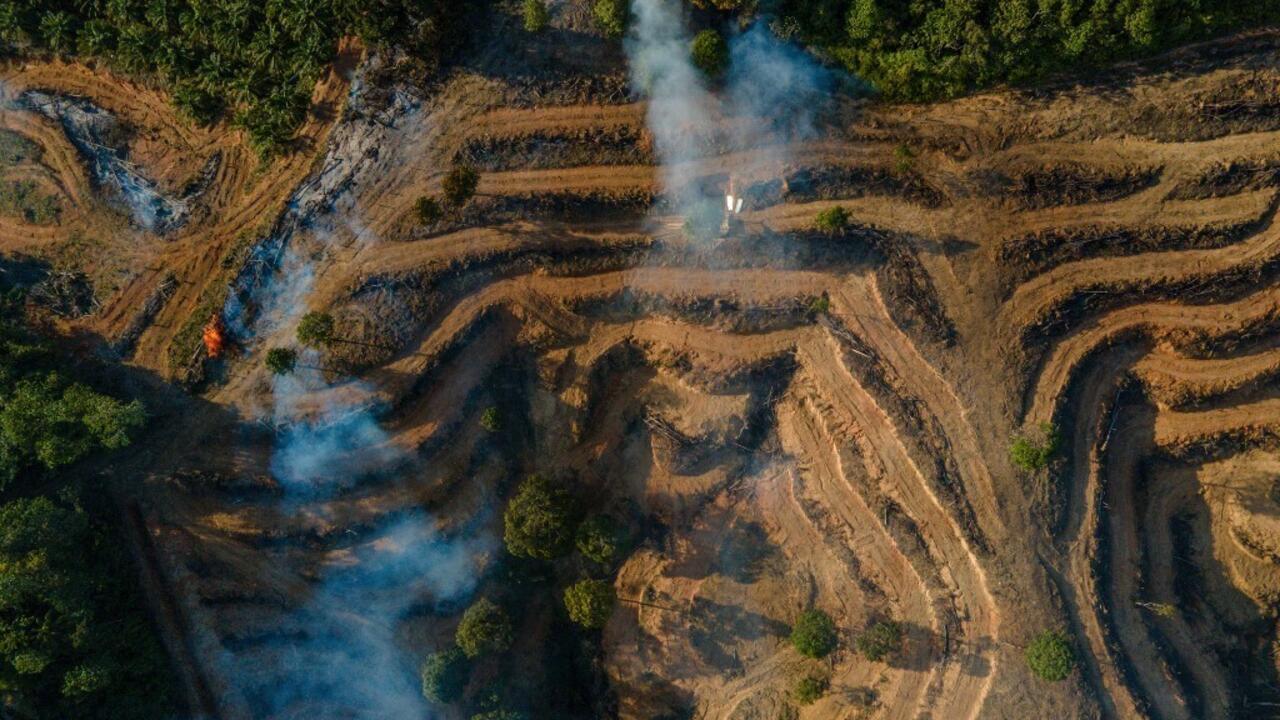
The decline followed an exceptional year for wildfires. In 2024, drought helped drive some of the largest fire-related losses on record. In 2025, those climatic pressures eased, and the area lost to fire dropped with them. But the root causes—commodity-driven agricultural expansion, patchy enforcement, and growing climate stress—remain stubbornly in place. A single year’s improvement does not shift that fundamental footing.