Academia
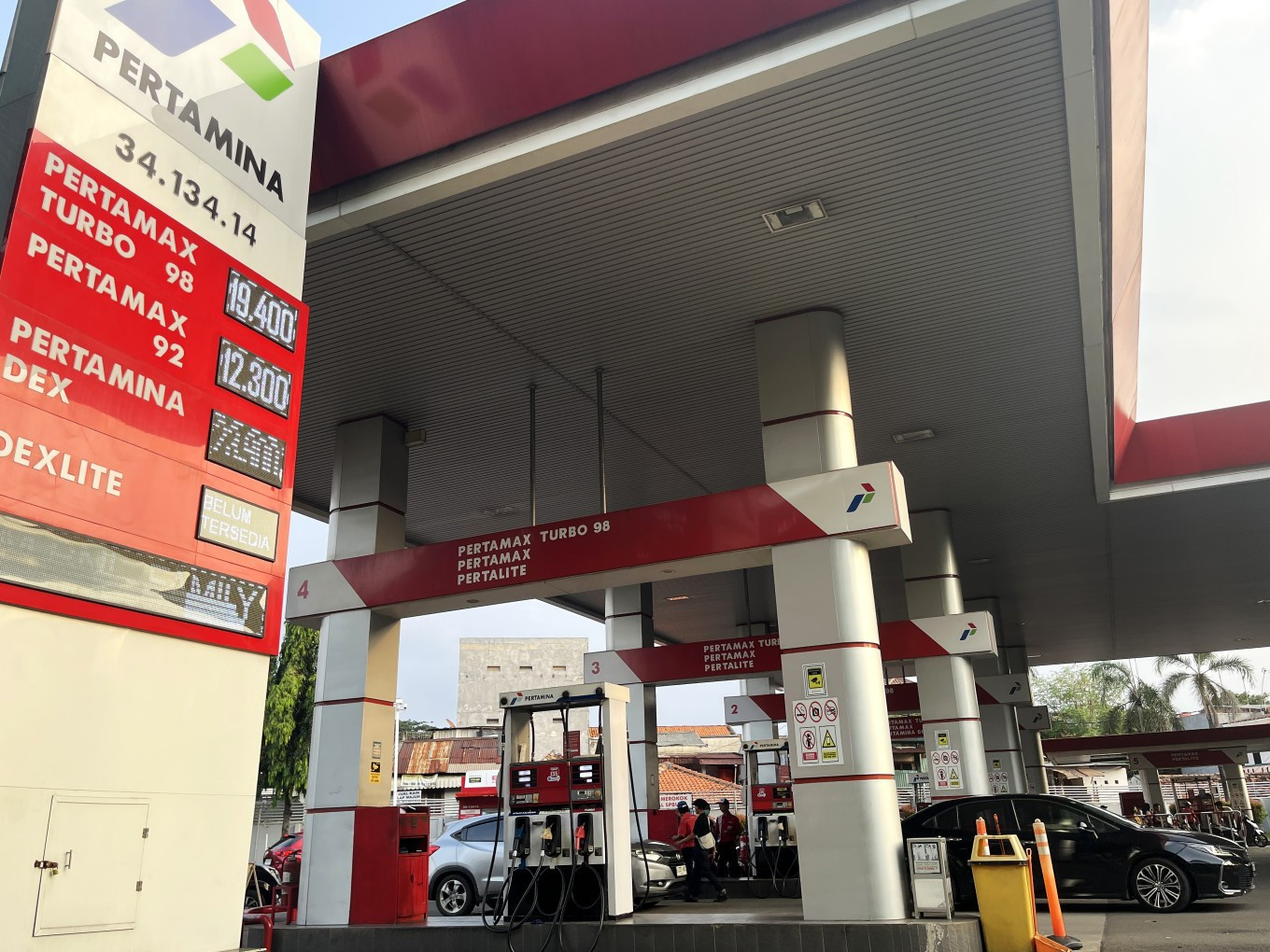
A price board displays the current prices of fuel on April 19, 2026, at a gas station on Jl. Jend. Basuki Rachmat in East Jakarta. ( JP/Iqro Rinaldi)
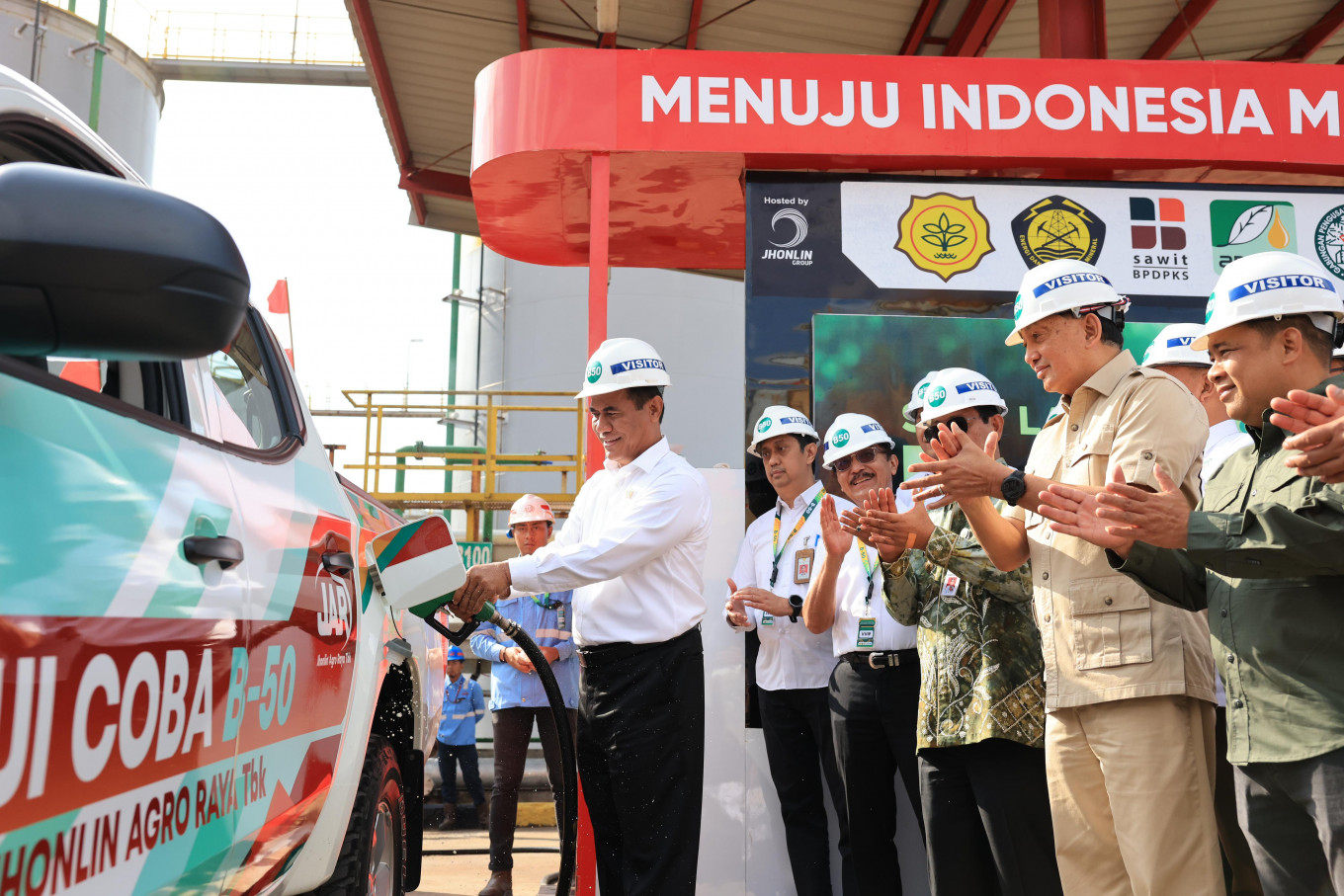
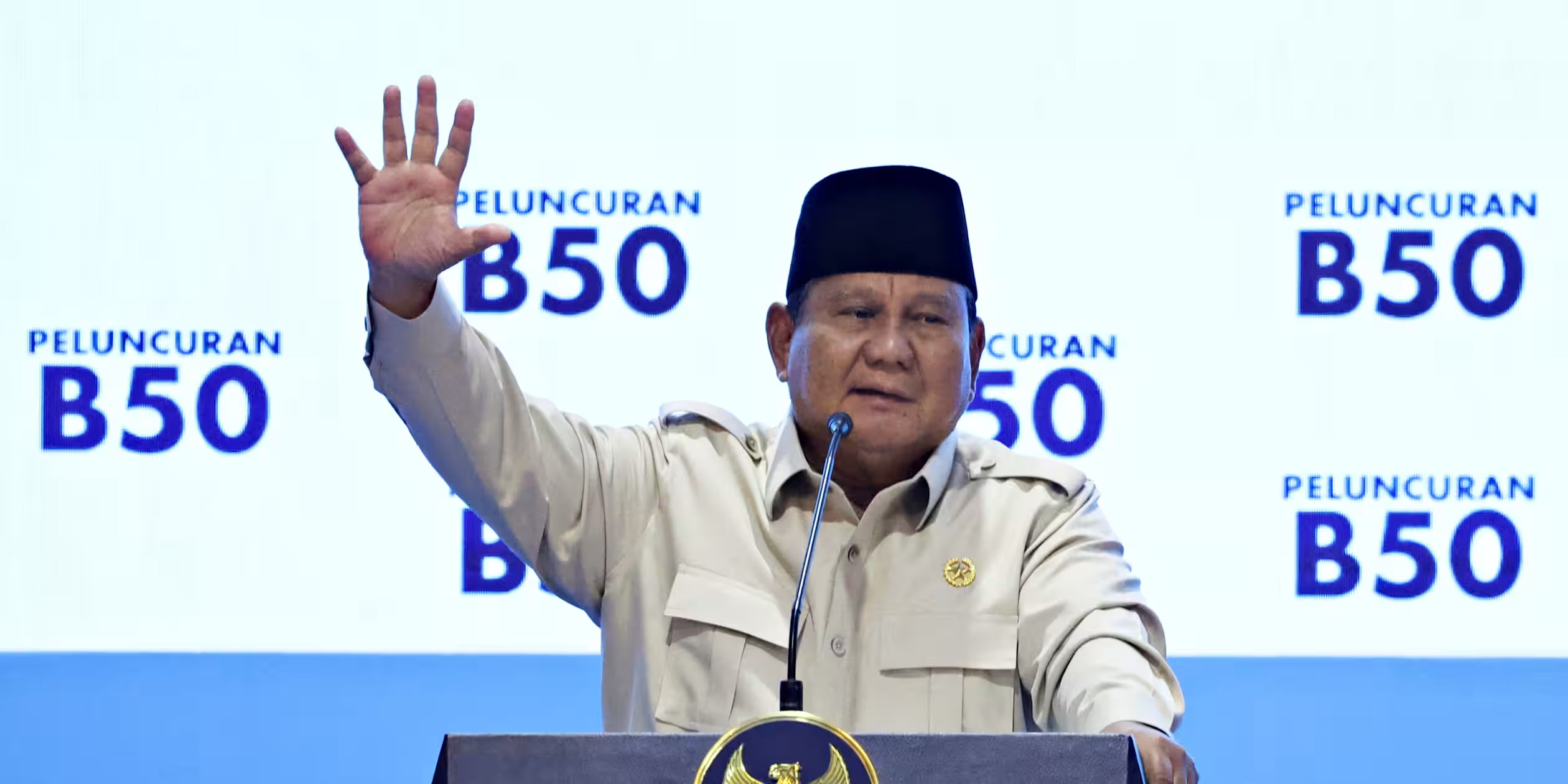
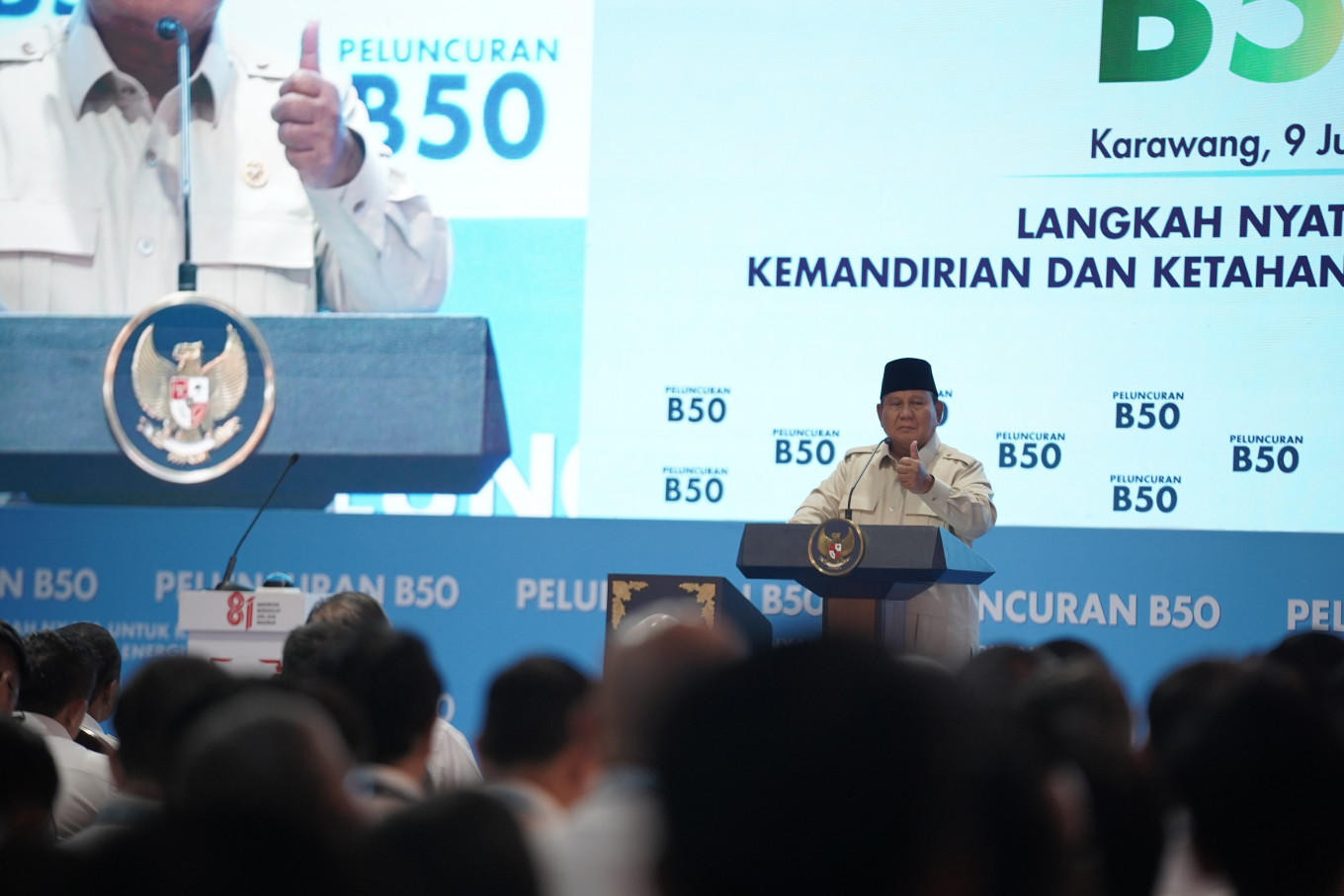
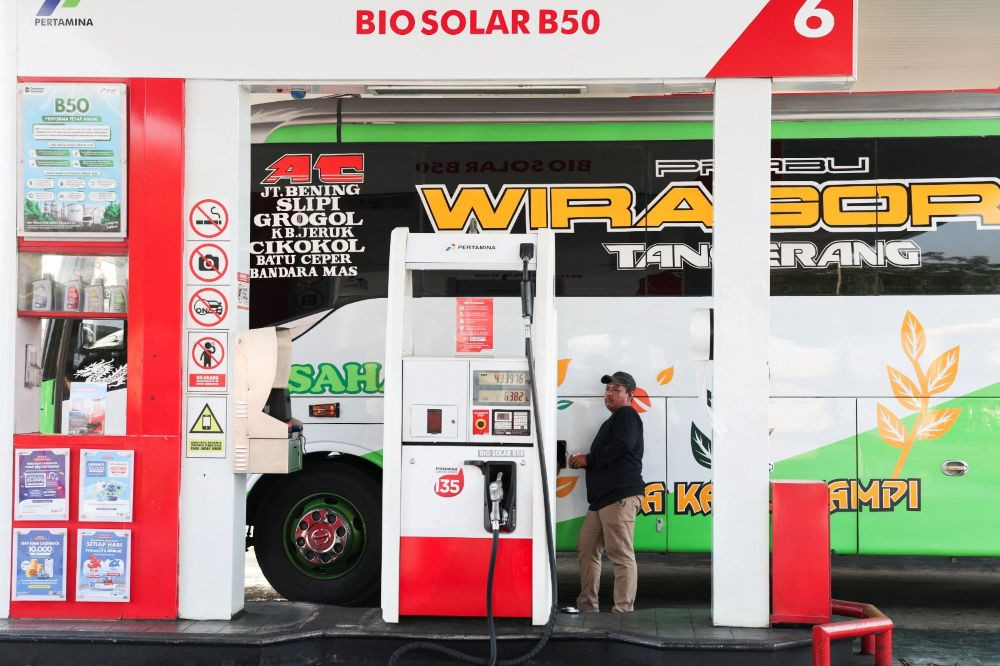
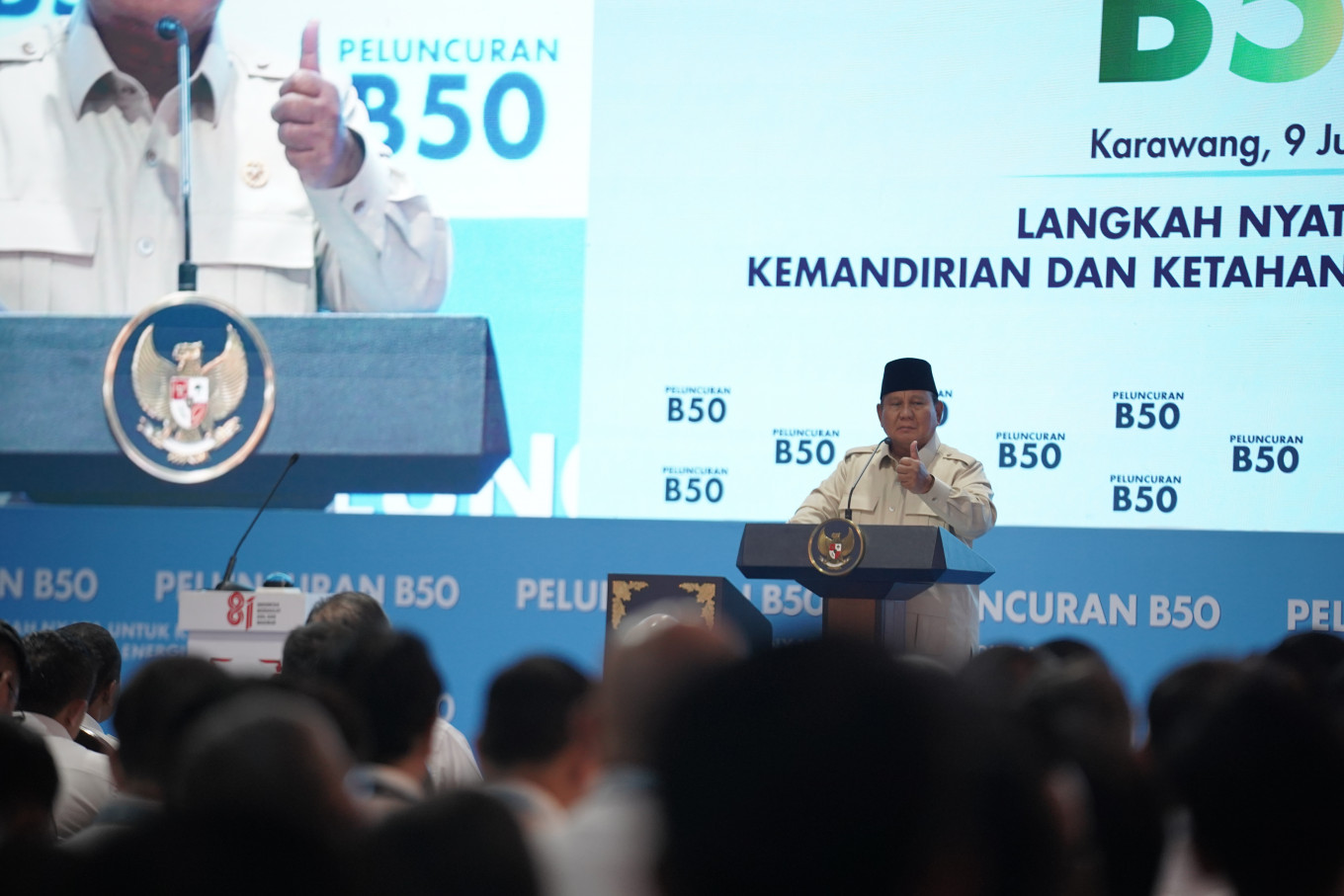
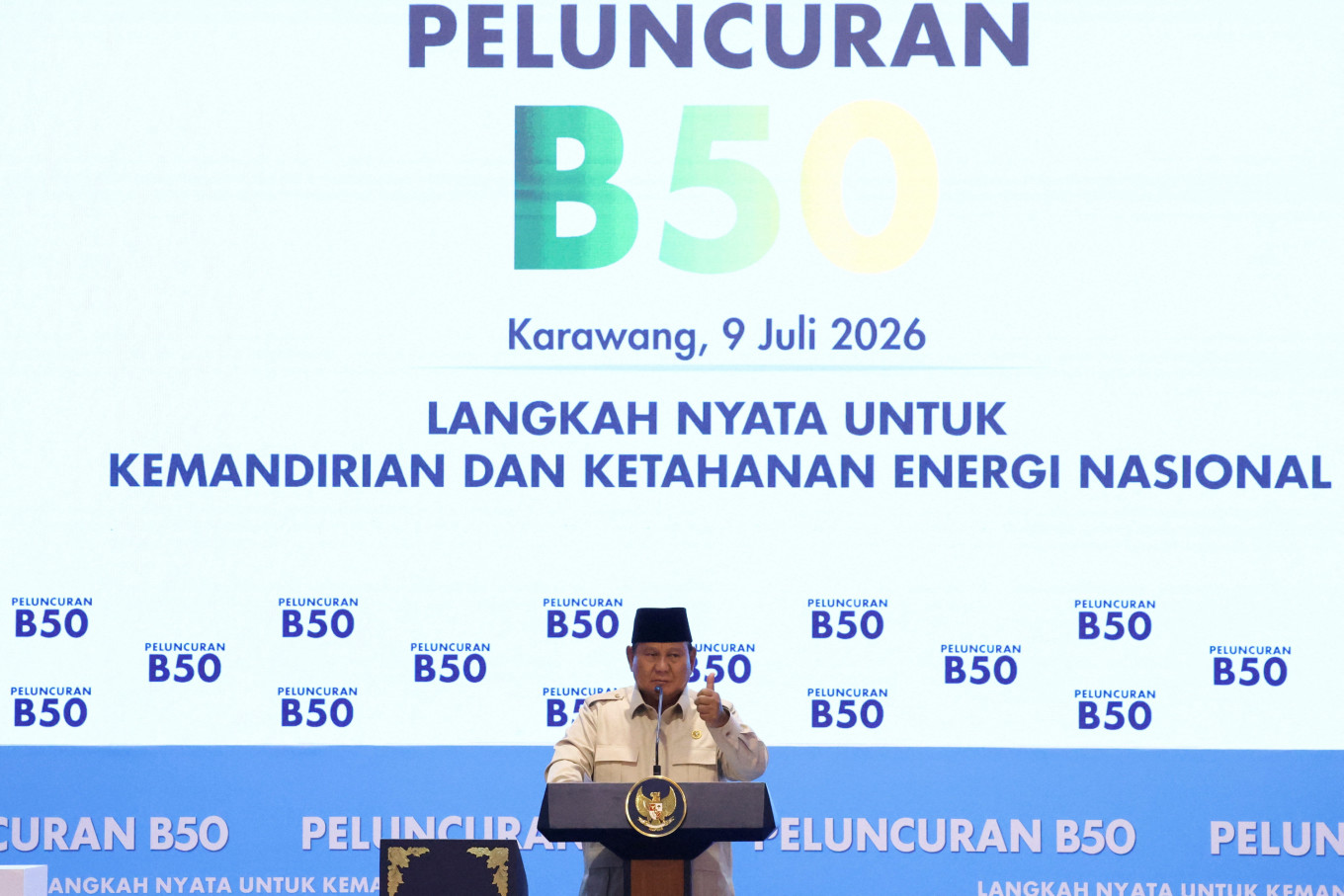
The government is pursuing a two-pronged strategy to strengthen energy security: reducing dependence on fuel imports through the mandatory B50 biodiesel policy while reforming fuel subsidies to make them more targeted toward lower-income households. Both policies, however, come with challenges. The B50 program, which combines 50 percent palm oil-based biofuel with 50 percent fossil-fuel diesel, could increase domestic demand for crude palm oil (CPO), potentially affecting exports and cooking oil prices. Meanwhile, the government’s planned restrictions on subsidized fuel purchases have raised questions about the accuracy of household welfare assessments used to determine eligibility.President Prabowo Subianto has said Indonesia is beginning to achieve energy self-sufficiency through the mandatory B50 biodiesel policy, which took effect on July 1, allowing the country to stop importing diesel fuel. The President said the policy could save up to Rp 170 trillion (US$9.5 billion) in foreign exchange (forex), adding that Indonesia is the first country to implement a B50 mandate. Prabowo views the policy as a milestone in the country’s pursuit of energy self-sufficiency and part of broader efforts to strengthen food, energy and water security as pillars of national resilience.