Academia
Indonesia’s ambitious B50 biodiesel mandate promises total energy independence, but a volatile mix of surging food costs, environmental degradation, and fiscal strain could turn this historic experiment into a costly economic gamble.
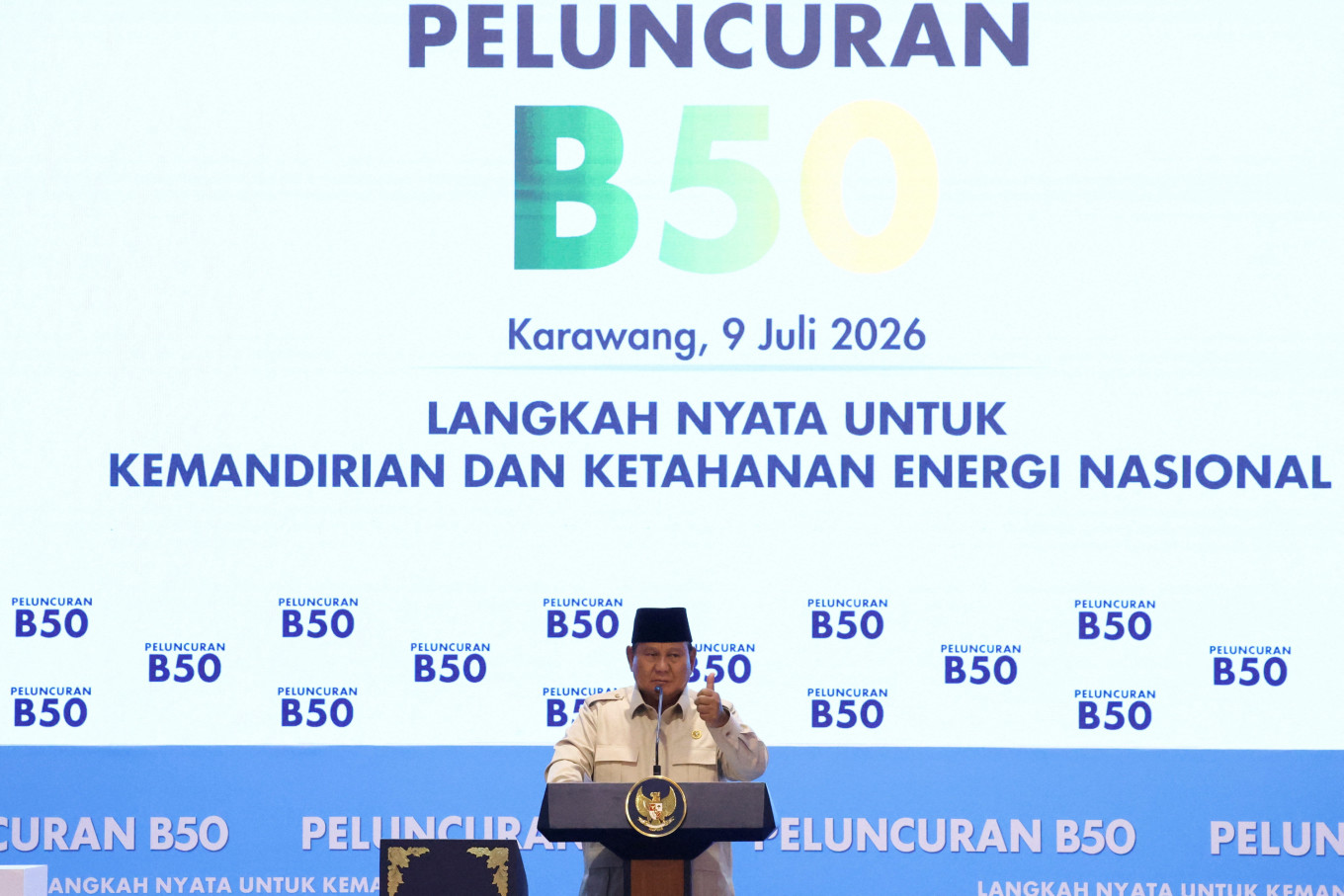
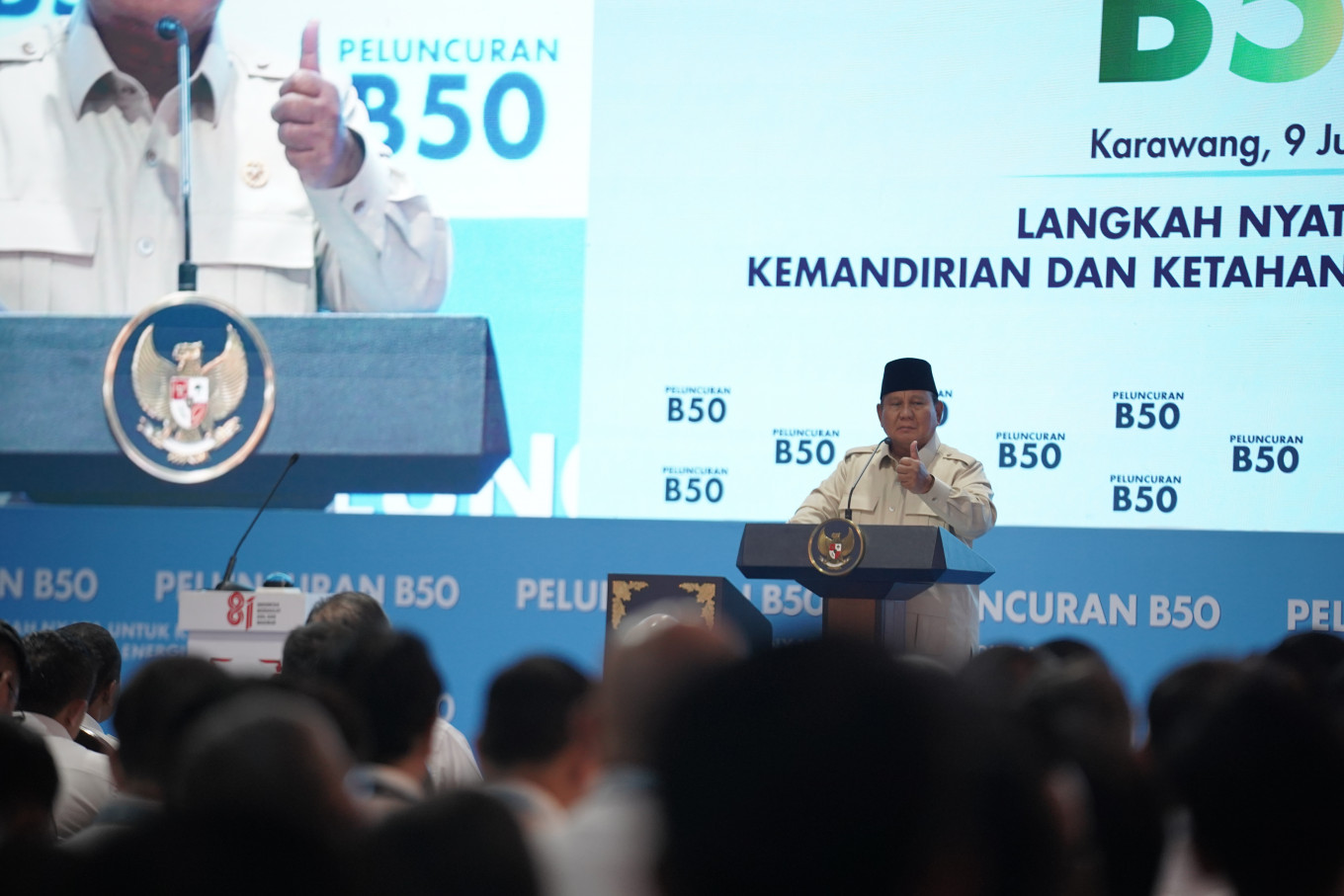
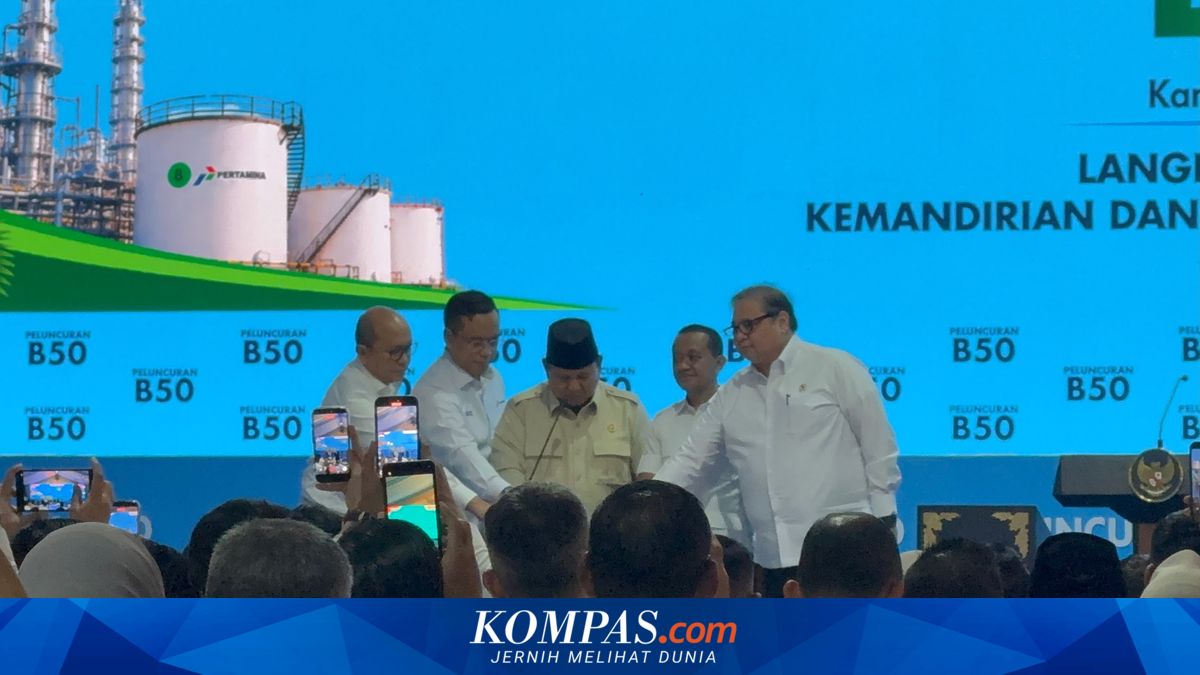
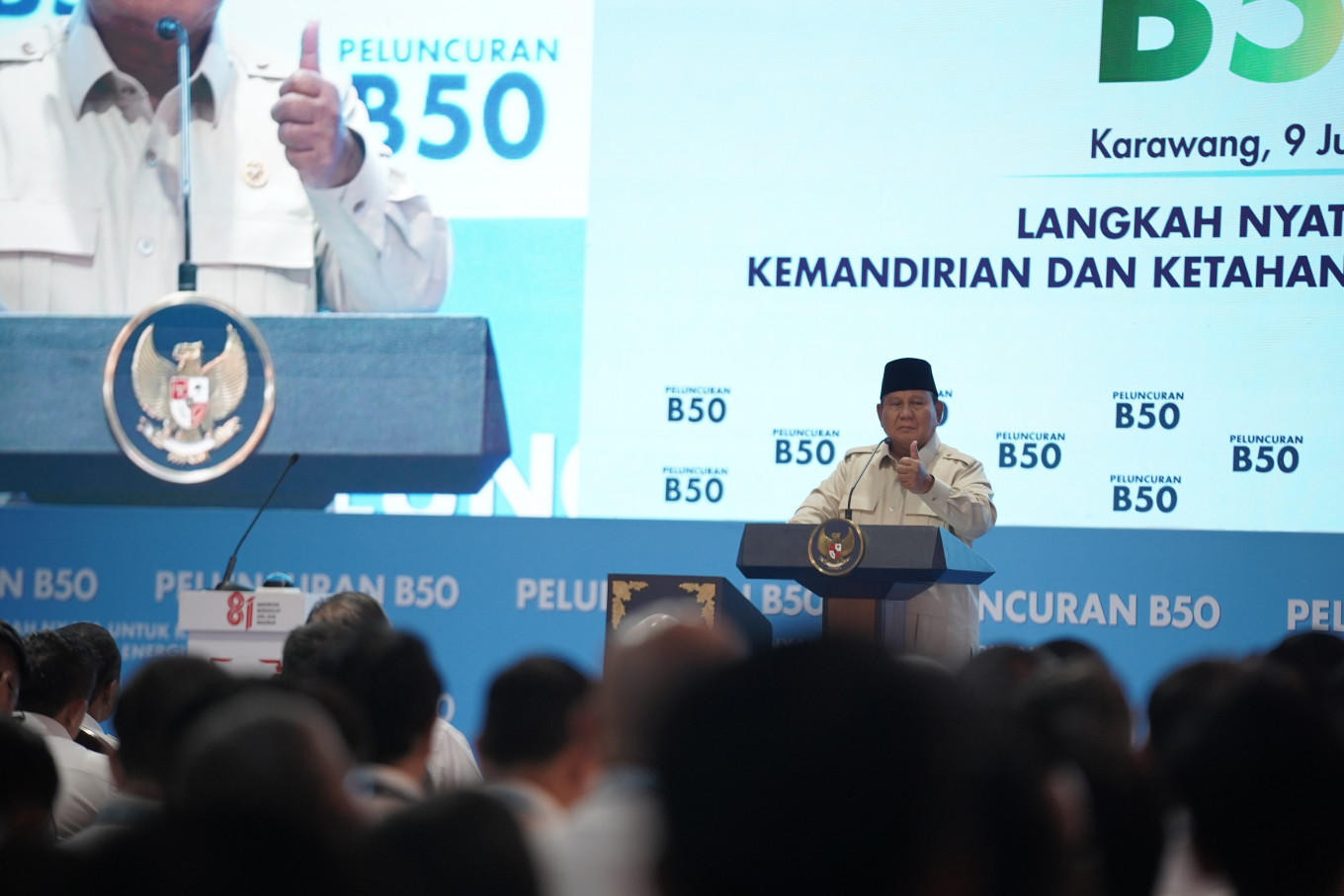
President Prabowo Subianto gestures as he delivers remarks at the launch of Indonesia's B50 biodiesel program in Karawang, West Java, July 9, 2026. Indonesia on Thursday raised its mandatory biodiesel blend to 50 percent from 40 percent, requiring diesel fuel to contain half palm oil-based biodiesel. (Courtesy of/BPMI Setpres)
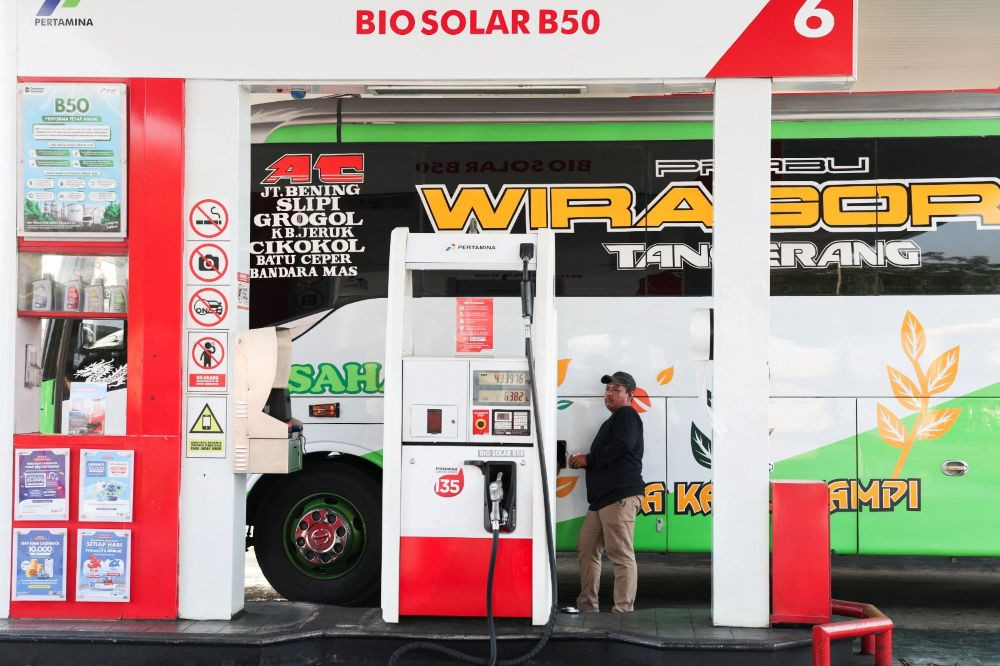
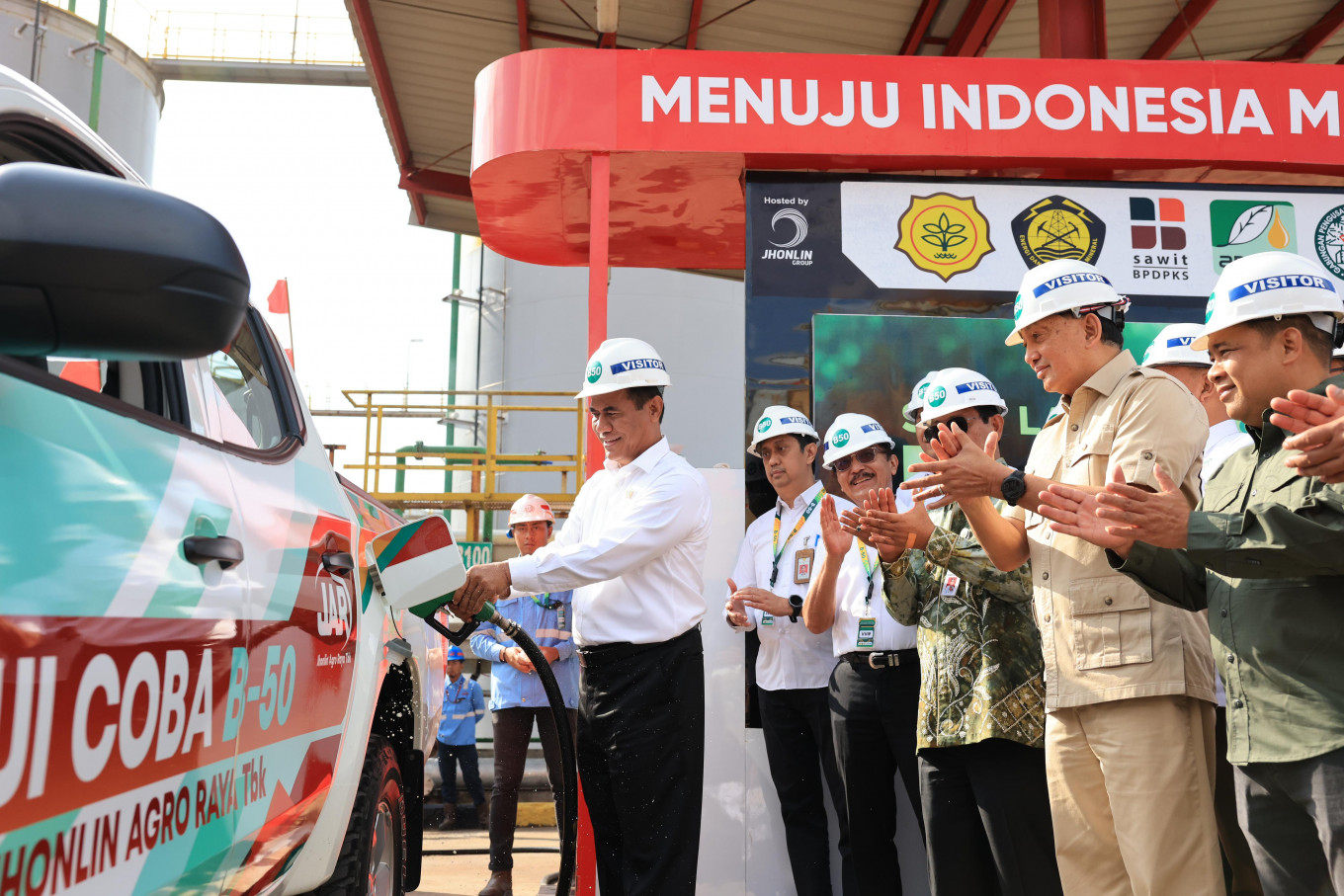
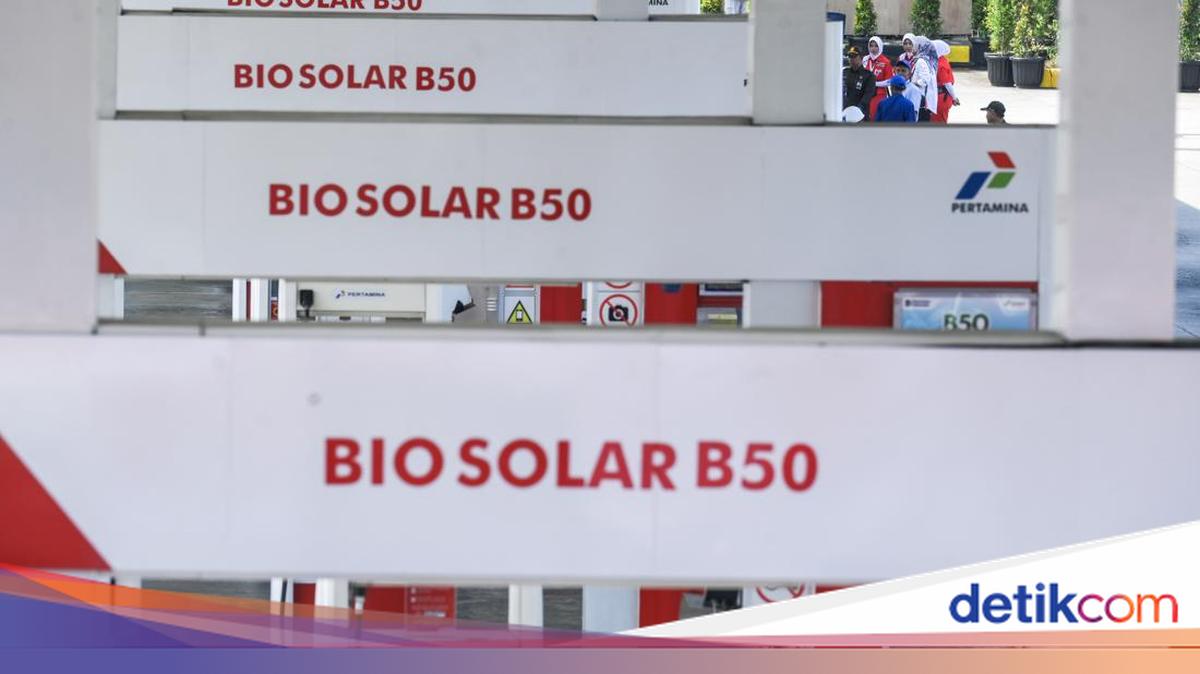
Indonesia’s mandatory B50 biodiesel program, launched by President Prabowo Subianto on July 9, marks one of the country’s boldest energy policy experiments. As the first nation to require a fuel blend containing 50 percent palm oil-based biodiesel, Indonesia aims to eliminate its dependence on imported diesel while shielding its economy from mounting geopolitical risks, including disruptions to global oil supplies through the Strait of Hormuz.The government expects the policy to replace roughly 3 million to 4 million kiloliters of annual diesel imports, saving as much as Rp 170 trillion (US$9.4 billion) in foreign exchange this year. Officials also project higher value-added growth in the palm oil industry, the creation of more than 2 million jobs and substantial reductions in carbon emissions, reinforcing the narrative that B50 is both an economic and environmental breakthrough.