May 24, 2026 | 02:54 pm
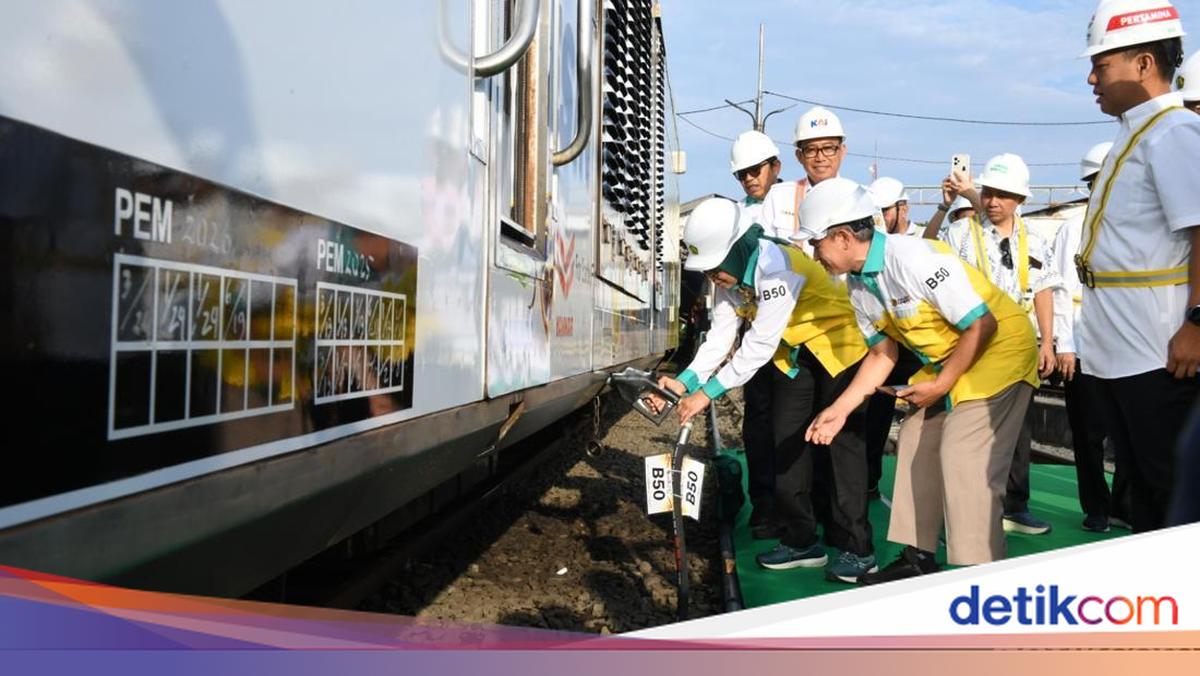
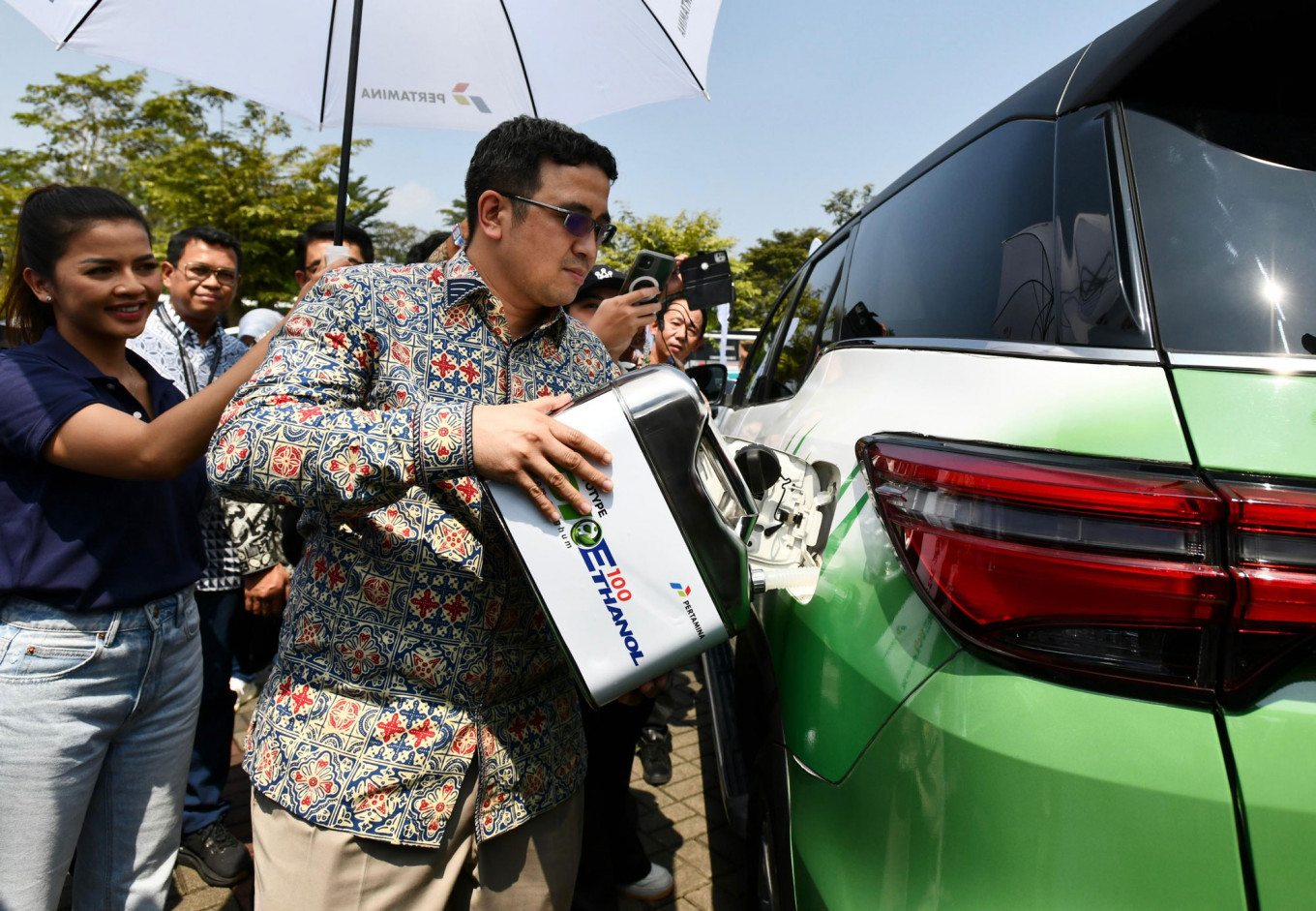
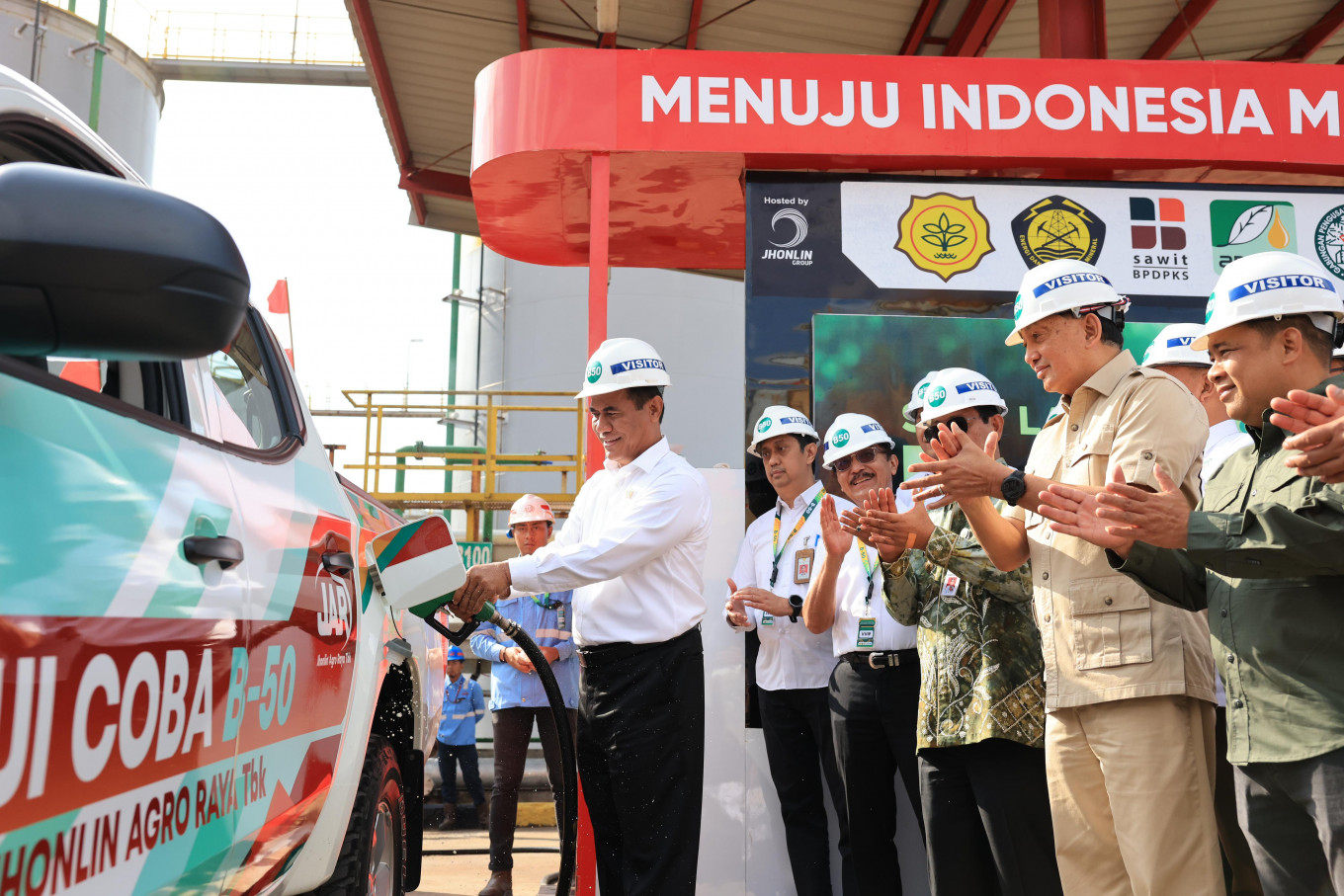
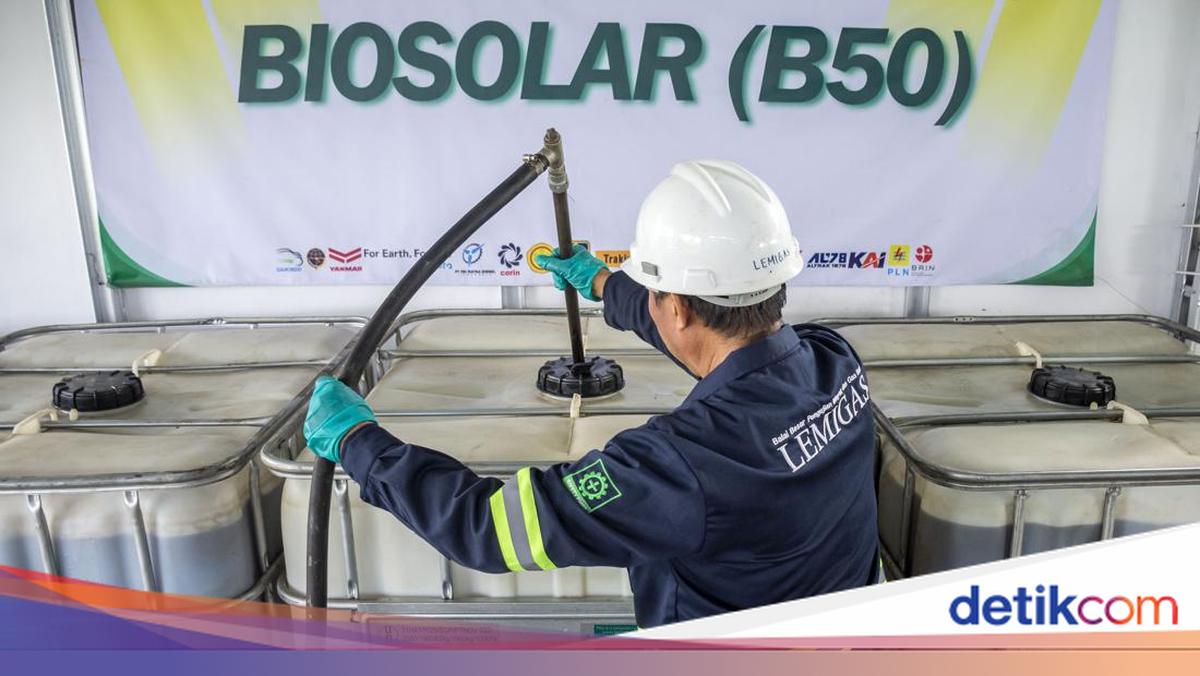
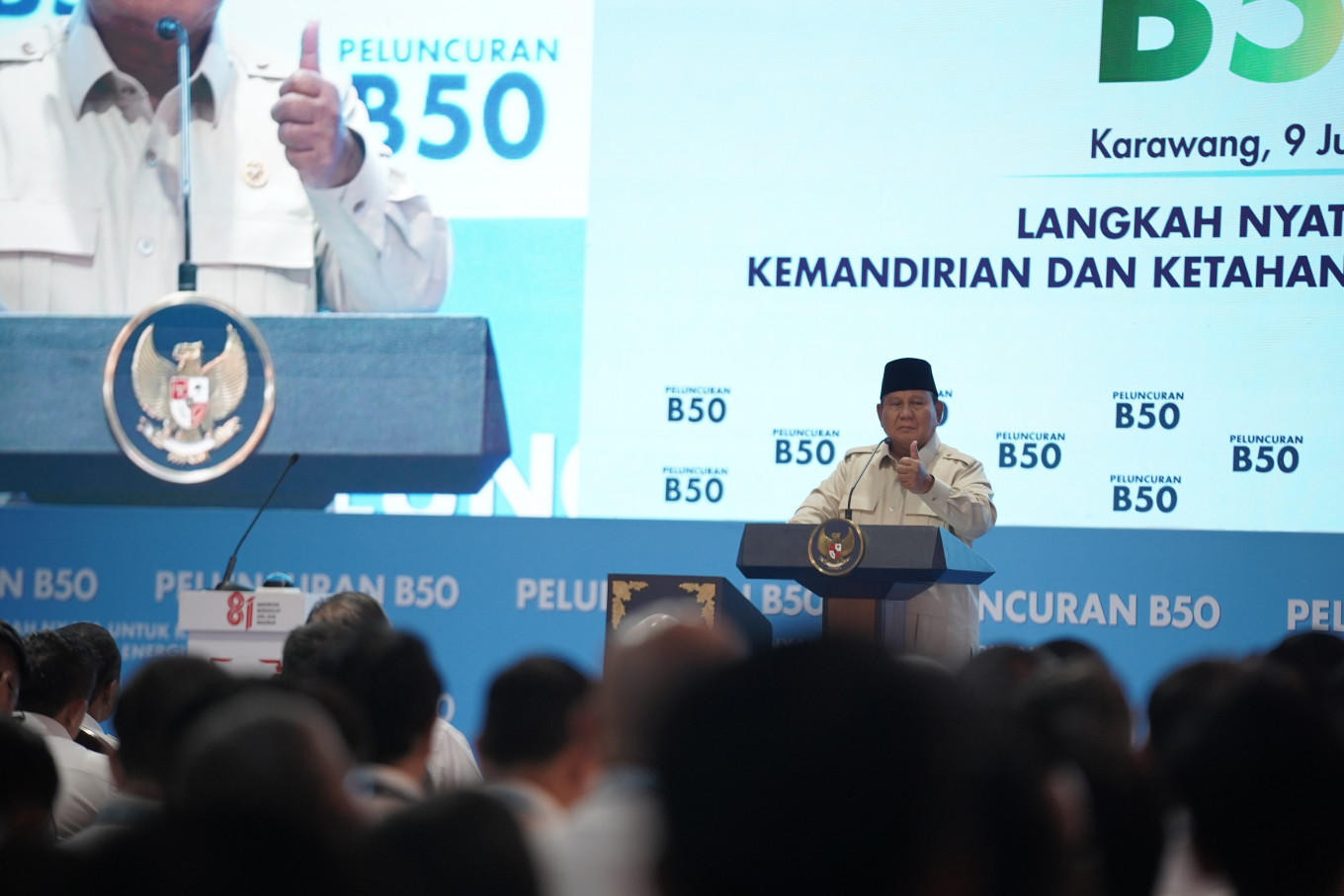
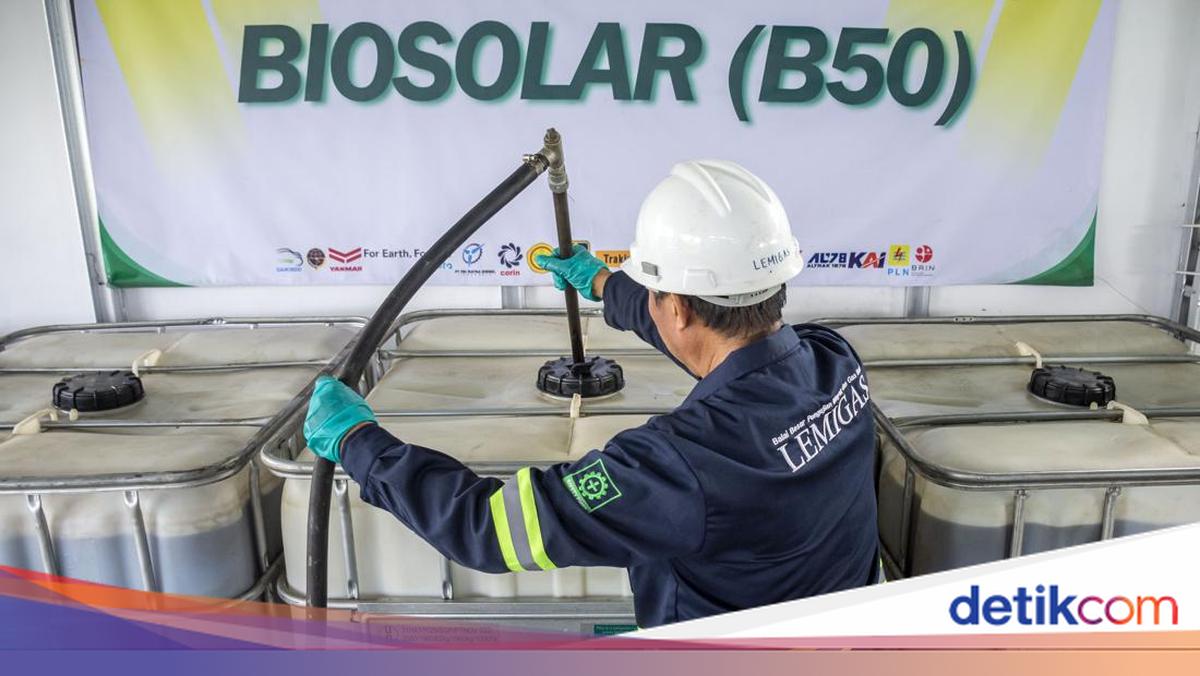
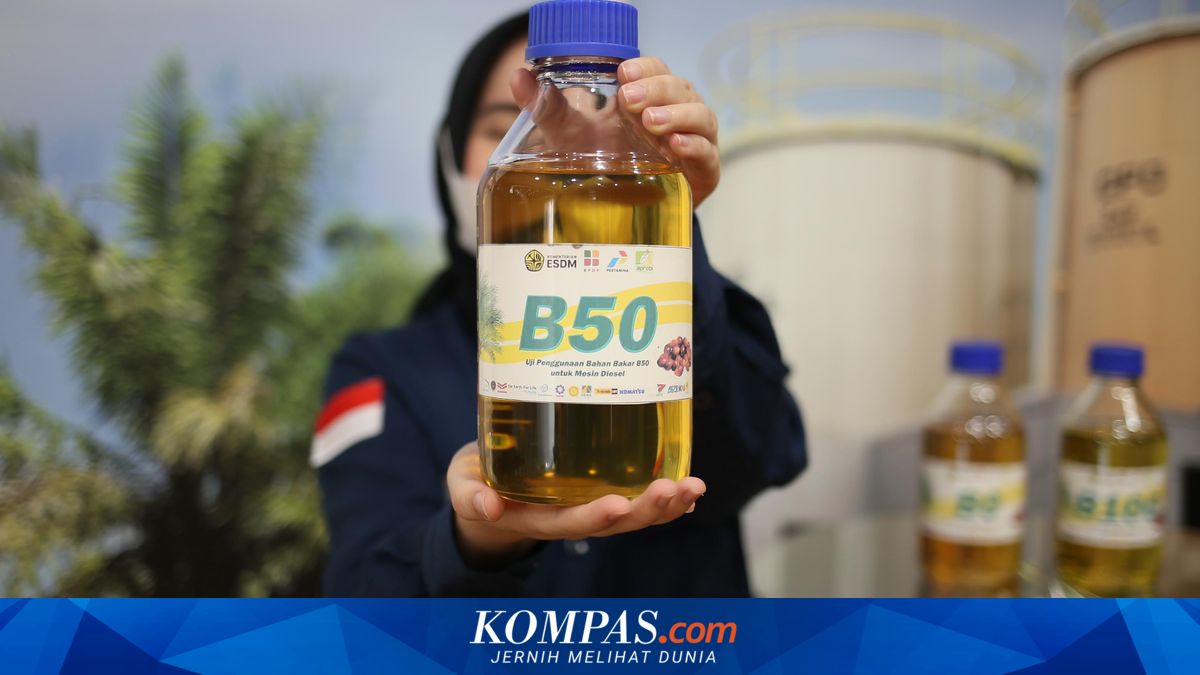
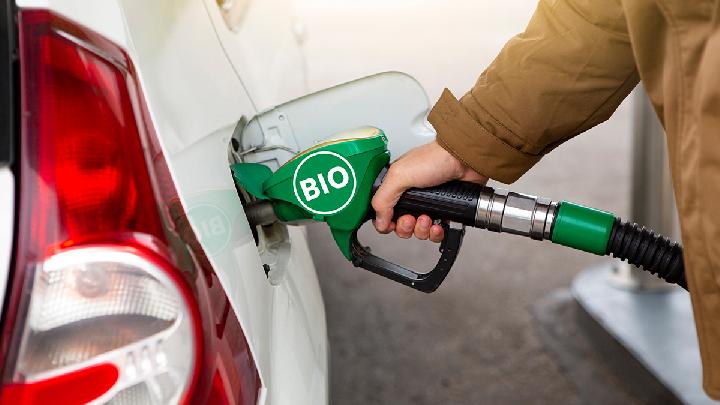
TEMPO.CO, Jakarta - The 50 percent biodiesel blend (B50) could reduce Indonesia's dependence on energy imports, said energy transition expert Retno Gumilang Dewi from the Bandung Institute of Technology (ITB).Retno, in a statement quoted from Antara on Sunday, May 24, said utilizing national resources will stabilize Indonesia's energy supply. "Thus, we will not be affected by geopolitical crises like the current one," said Retno.The current global dynamics show that the energy sector is no longer limited to a matter of supply, but expanded to geopolitics. Consequently, she said, every country is currently competing to secure energy supplies amid increasing global uncertainty."Indonesia must become more independent in its domestic energy potential," she said, while outlining the country's energy transition roadmap for the 2025–2060 period.The first phase, she said, takes place from 2025 to 2030, focusing on stabilizing and strengthening national energy security before entering full decarbonization.In this phase, the government must encourage energy diversification through the use of domestic gas, biomass co-firing in coal-fired power plants (PLTU), the implementation of B40 biodiesel towards B50, the development of bioethanol, and the acceleration of new and renewable energy.The second phase will take place from 2030 to 2040, focusing on clean energy development as well as enhancing electrification for the transportation and industrial sectors.The subsequent phase will focus on deep decarbonization towards the 2060 Net Zero Emission (NZE) target. This phase will be carried out by phasing out coal use and the development of new energy sources such as hydrogen, ammonia, nuclear, and CCS/CCUS technology.But Retno emphasized that Indonesia's energy transition cannot be achieved instantly. According to her, fossil fuels will still play a crucial role in maintaining the security of the national energy supply during the transition period."Sudden implementation of energy transition will greatly impact the economy and society. Therefore, Indonesia's energy transition must be carried out gradually while still prioritizing energy security," said Retno.Retno noted that the biggest challenge in the energy transition lies in the transportation sector, as this sector remains the largest consumer of fuel in Indonesia."Therefore, the government must strengthen the development of electric vehicles, the use of gas for mass transportation, and the gradual development of low-emission fuels," she said.Read: Indonesia to Halt Diesel Imports by July 2026Click here to get the latest news updates from Tempo on Google News