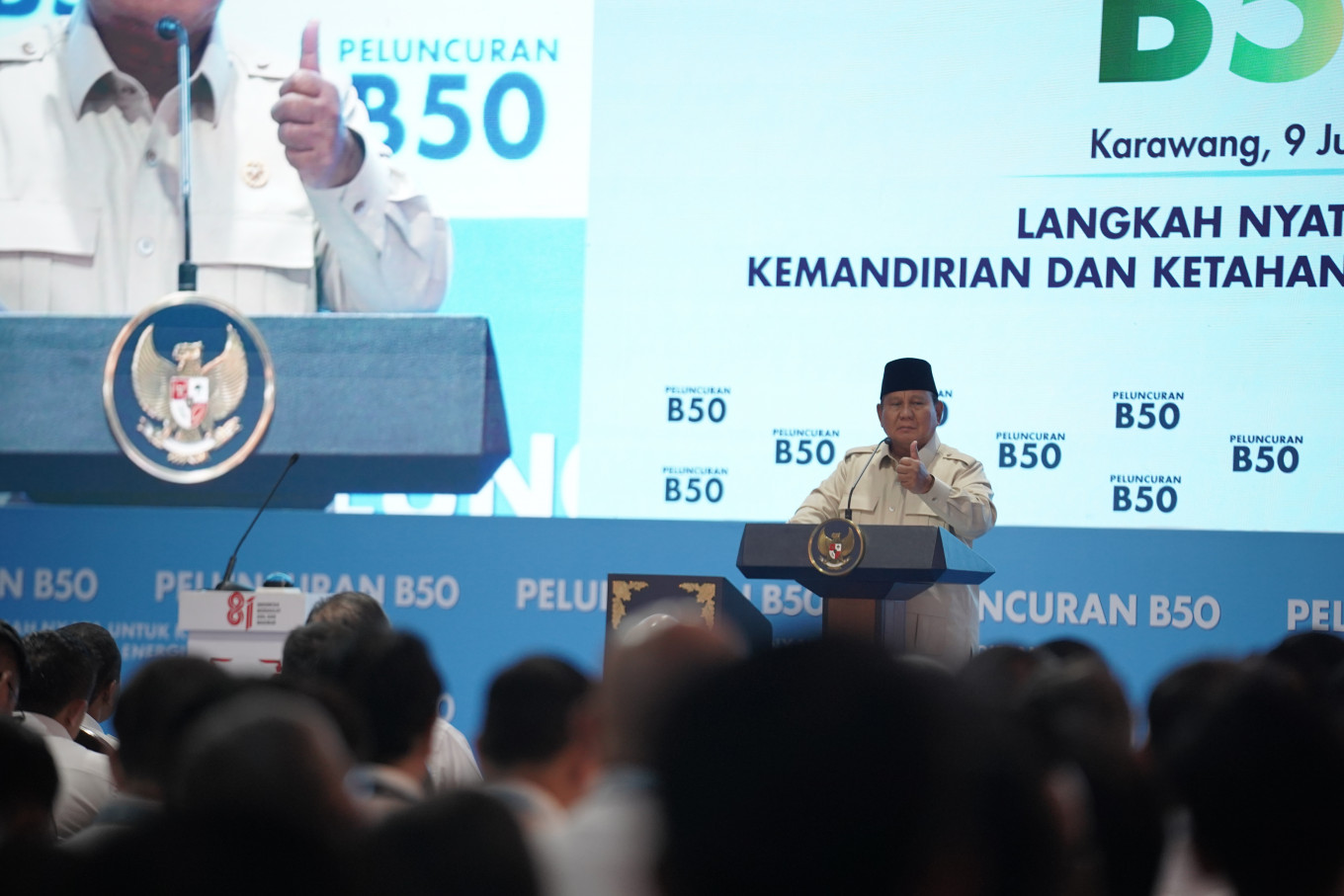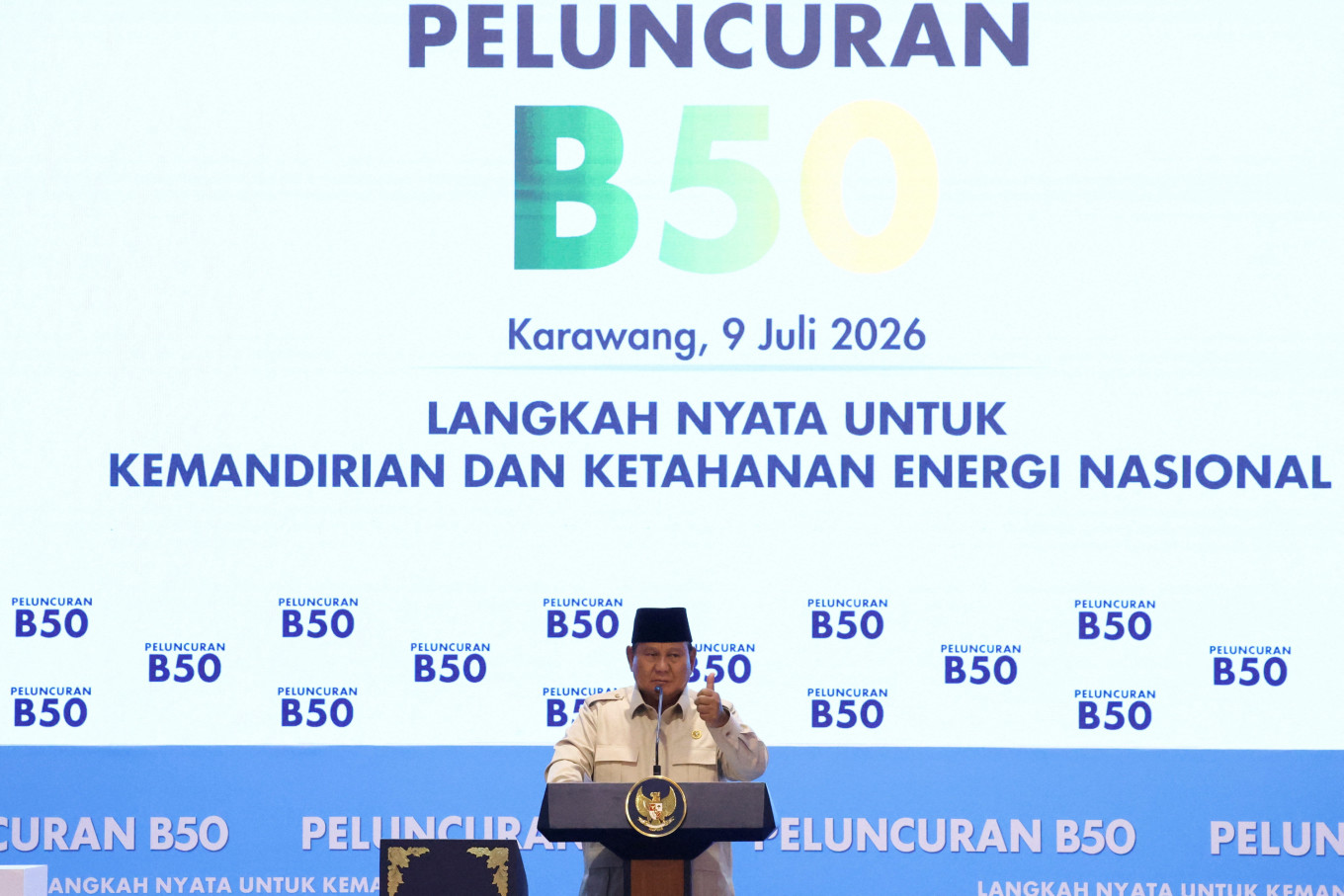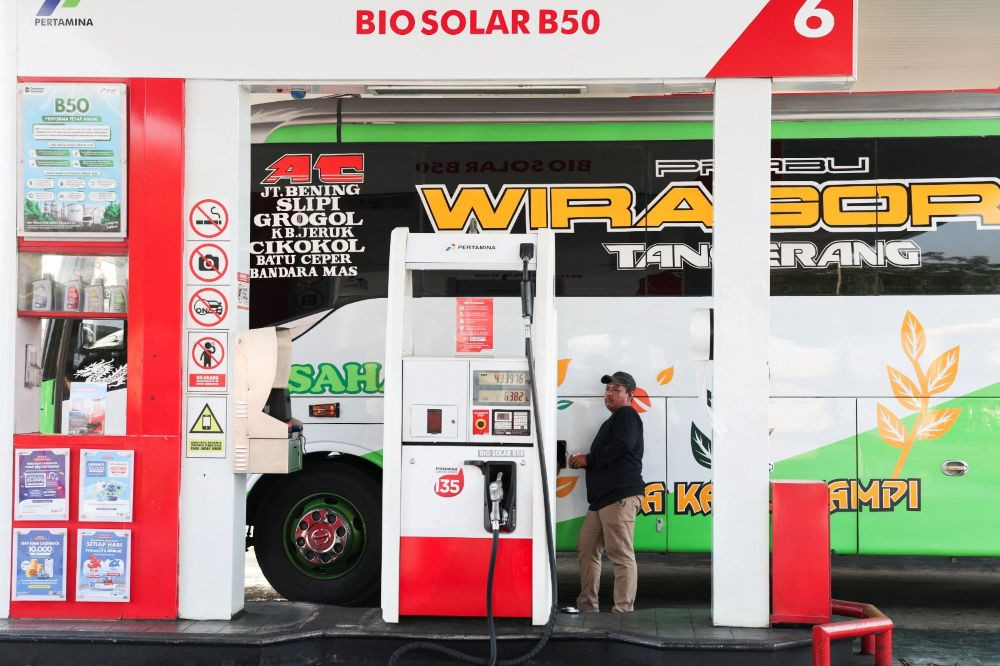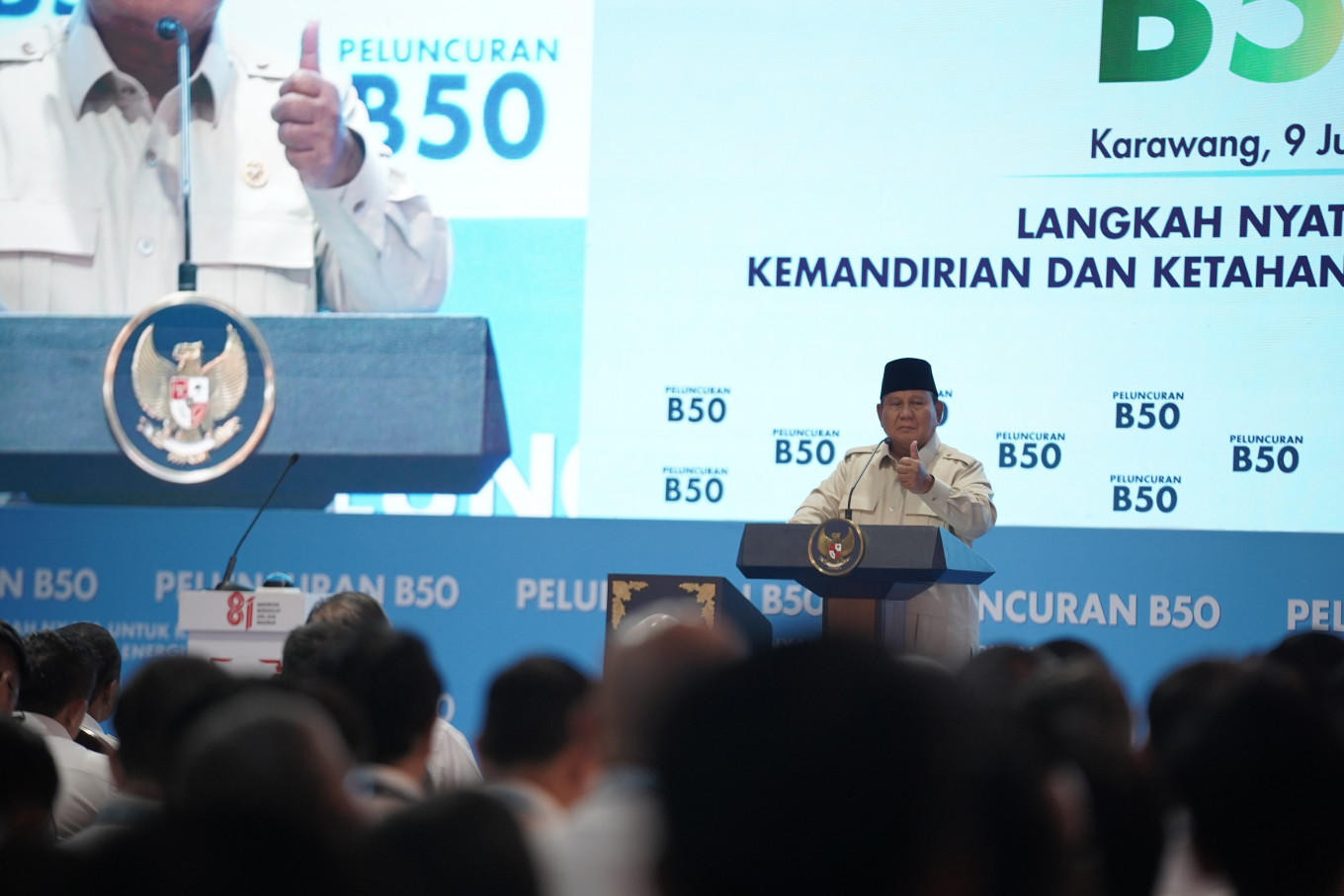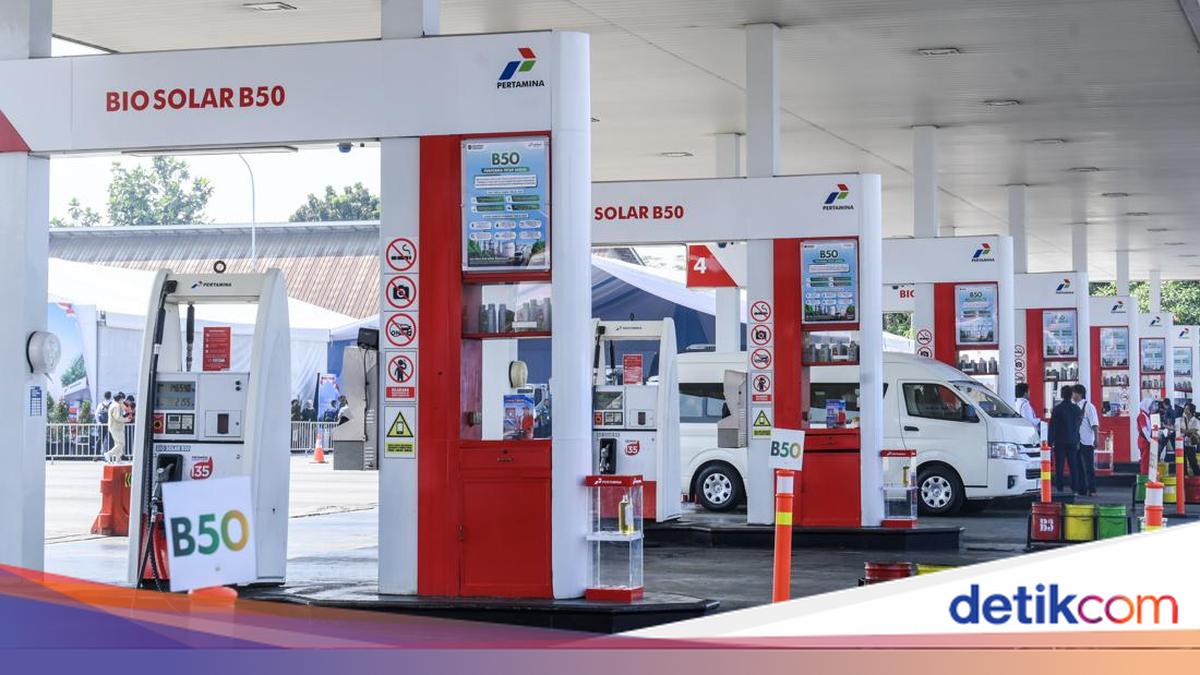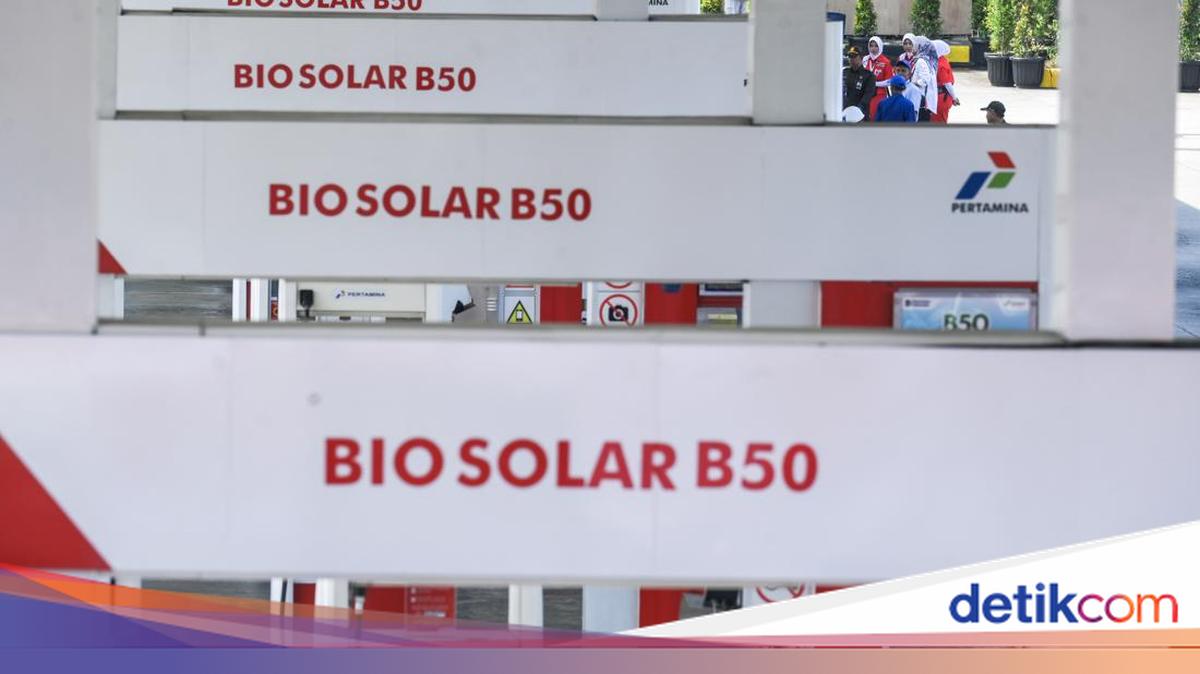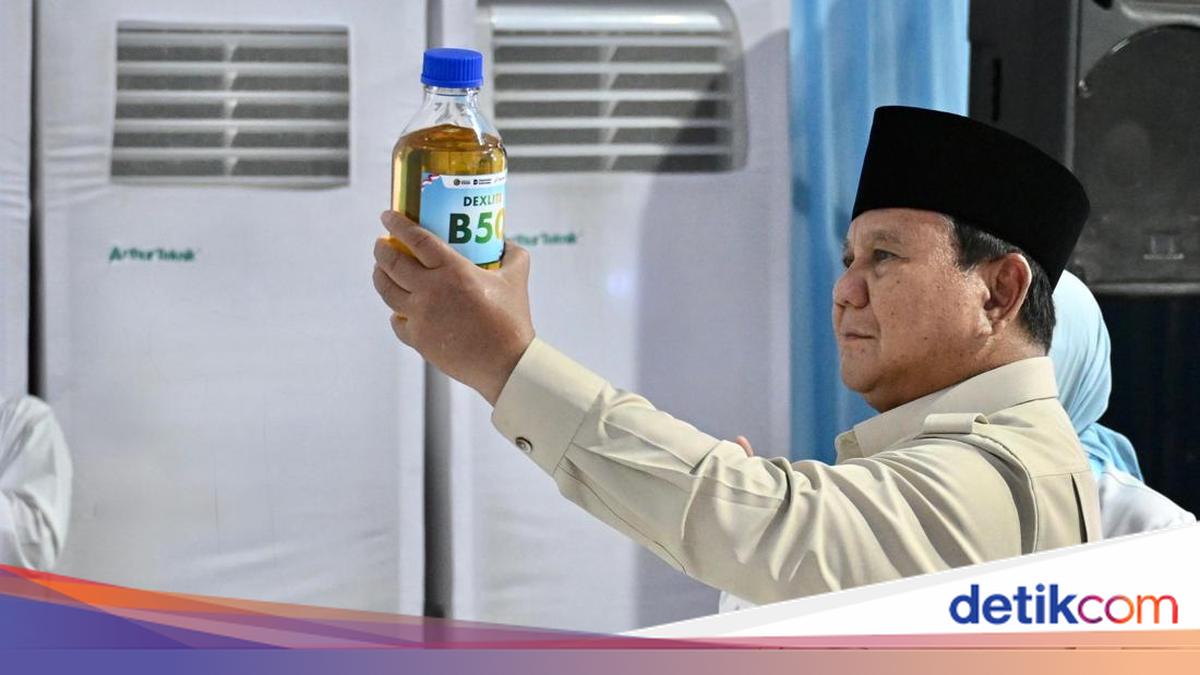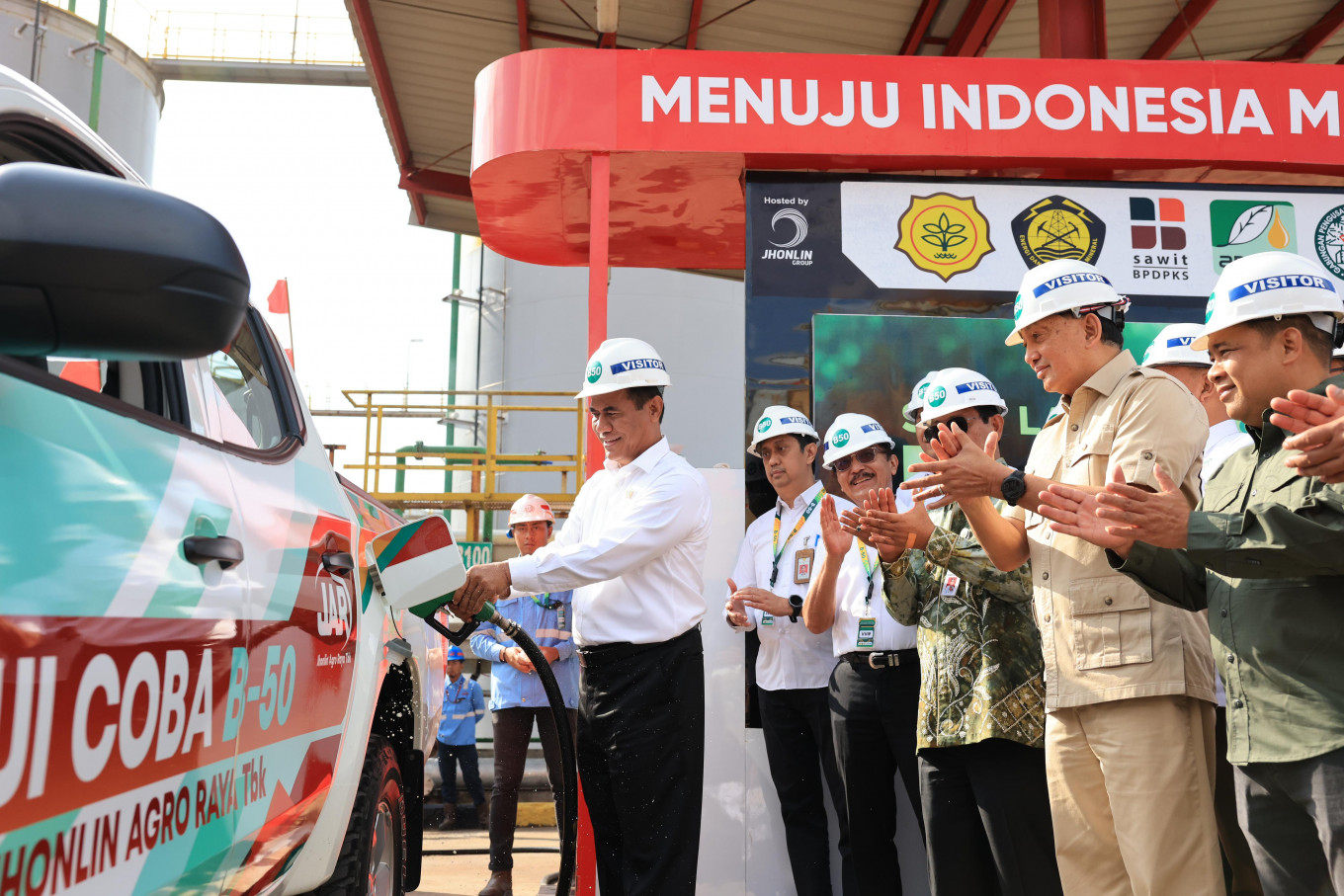
On July 1, Indonesia started one of its most ambitious biofuel programs. The mandatory B50 program officially came into force, requiring diesel fuel to be blended with 50 percent palm oil-based biodiesel and 50 percent conventional diesel. This marks another major step in Indonesia’s biodiesel journey, after the country had only recently moved to B40.The main reason behind B50 is energy security, and the timing is also important. With global energy supply chains facing pressure from the recent Iran war and rising risks around the Strait of Hormuz, the government is positioning B50 as a way to reduce Indonesia’s exposure to external energy shocks. Energy and Mineral Resources Minister Bahlil Lahadalia has said that B50 could replace around 300,000 barrels per day of imported diesel demand. The ministry also projects foreign exchange savings of around Rp 157 trillion (US$8.7 billion) this year.
For Indonesia, this is a strong policy narrative. The country has long been one of the world’s largest palm oil producers, but B50 gives palm oil a bigger role beyond exports and food products. It allows Indonesia to turn its palm oil strength into a source of energy resilience. In that sense, B50 is not only about fuel blending. It is also about reducing import dependence and improving the country’s energy position.