Editorial
As Indonesia leaps blindly into a world-first B50 biodiesel mandate, the Prabowo administration’s high-stakes gamble for energy independence risks triggering domestic supply crunches, market instability and environmental fallout.
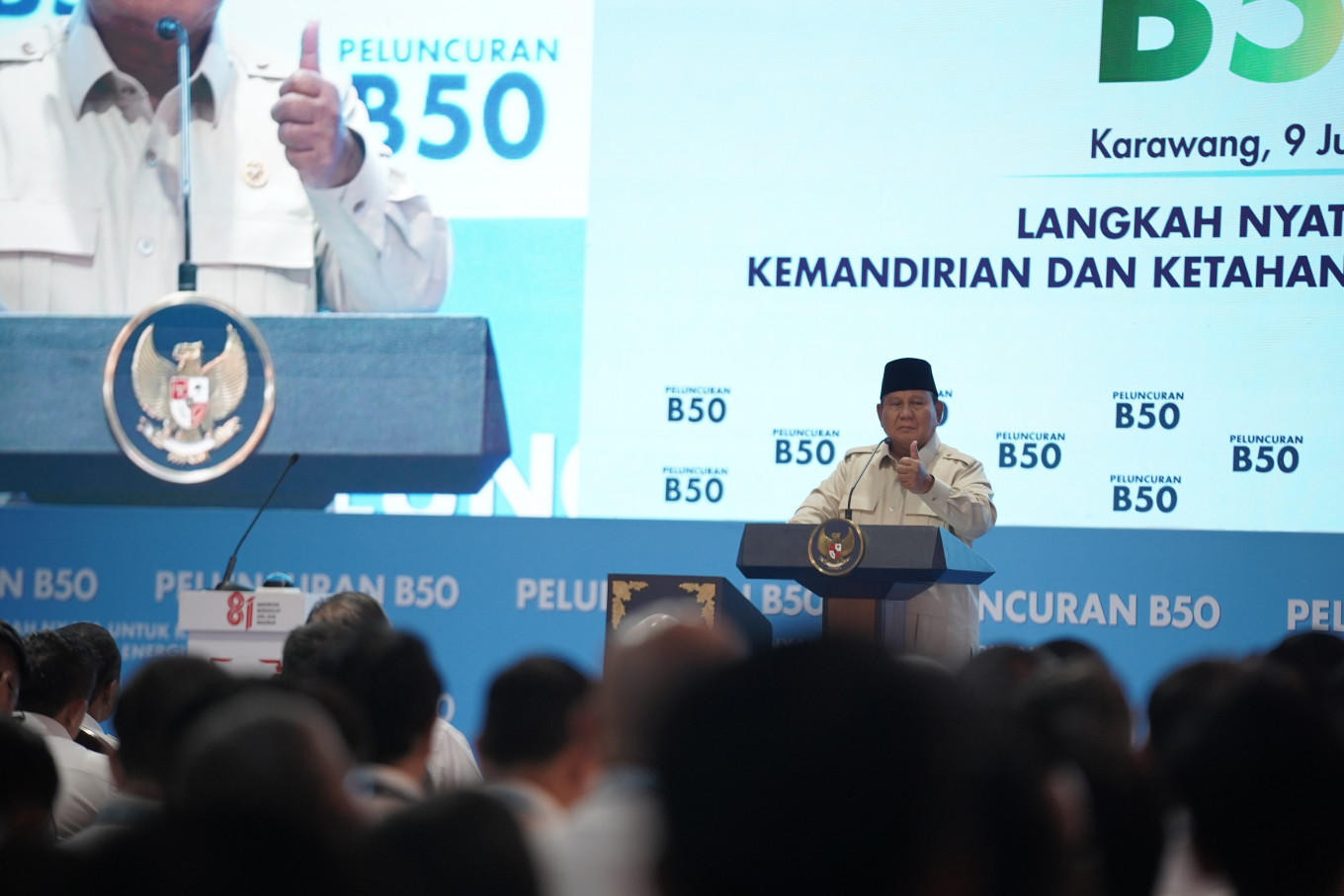
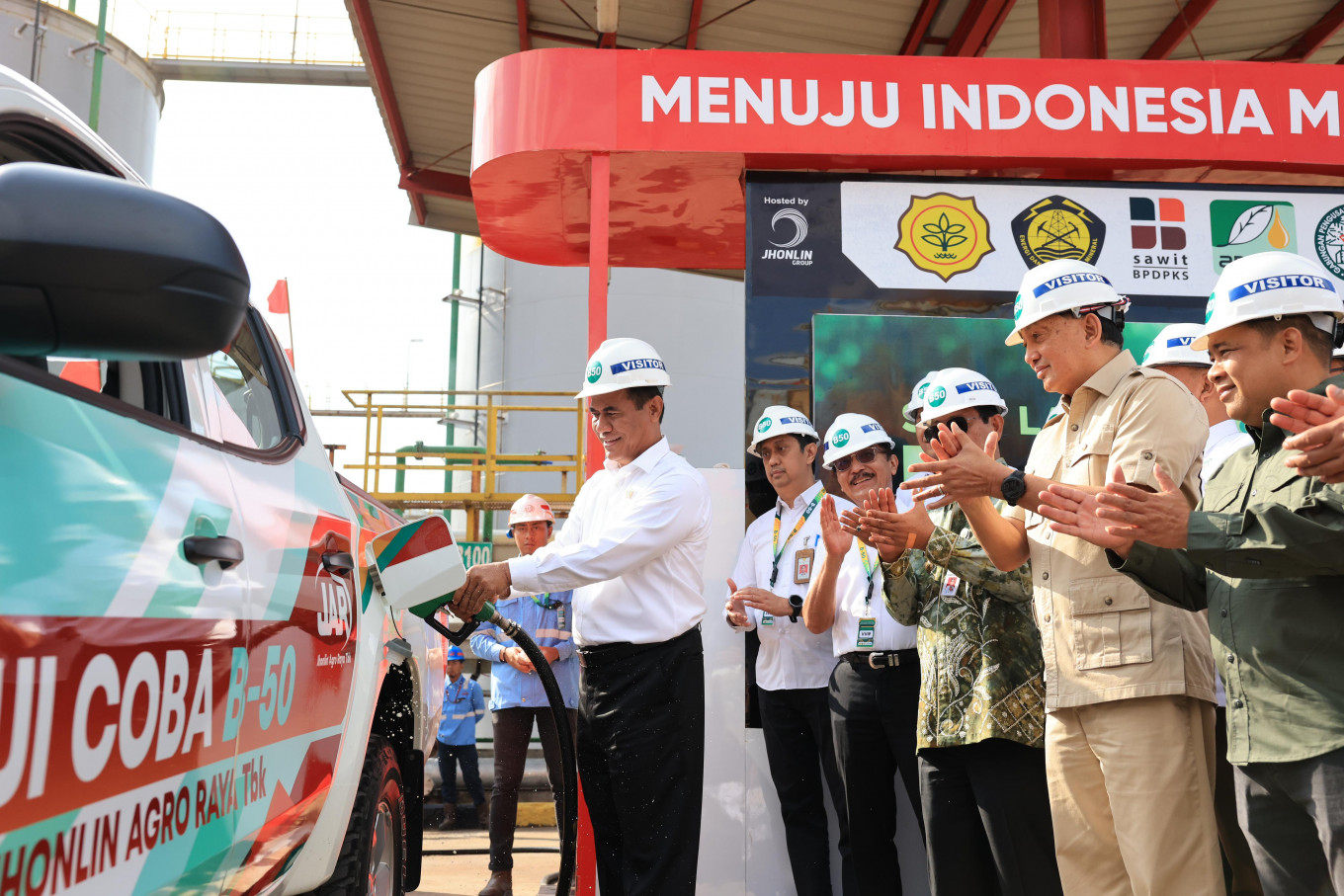
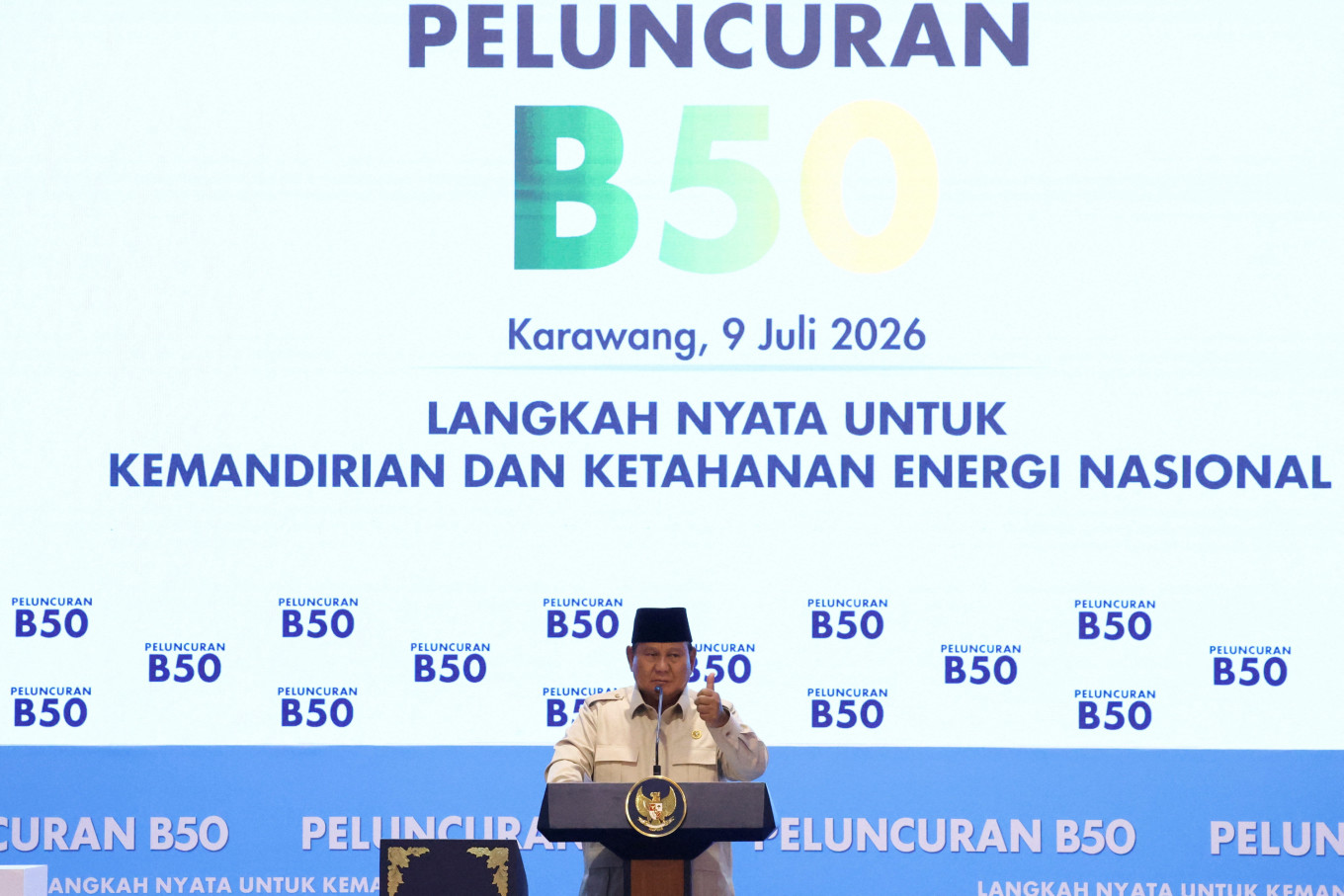
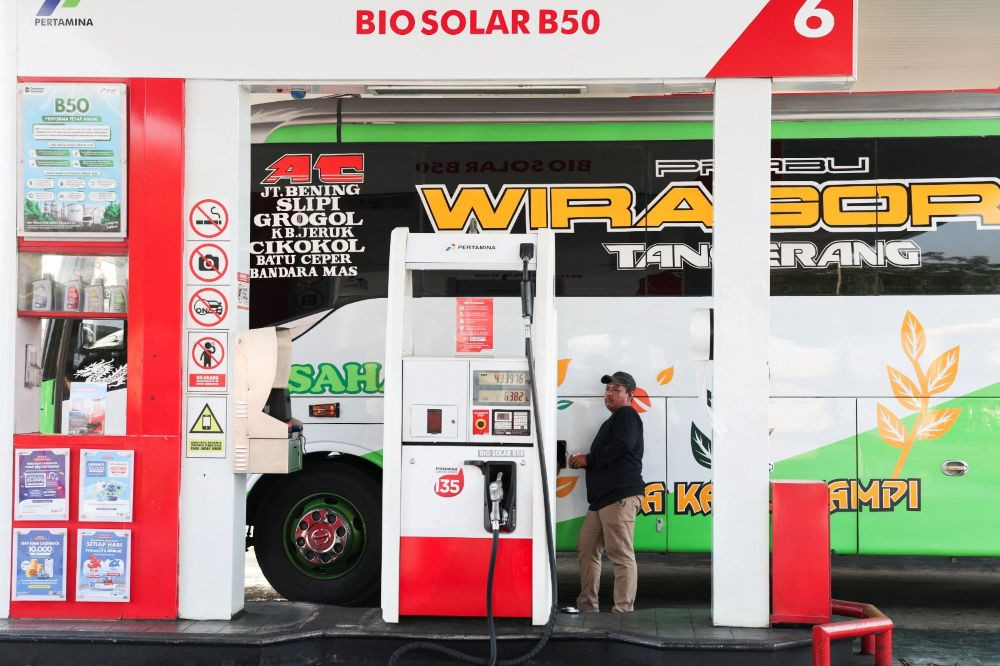
A driver watches a pump while filling his bus with B50 fuel containing 50 percent palm oil biodiesel on July 9, 2026, at a gas station in Karawang, West Java. (Reuters/Ajeng Dinar Ulfiana)
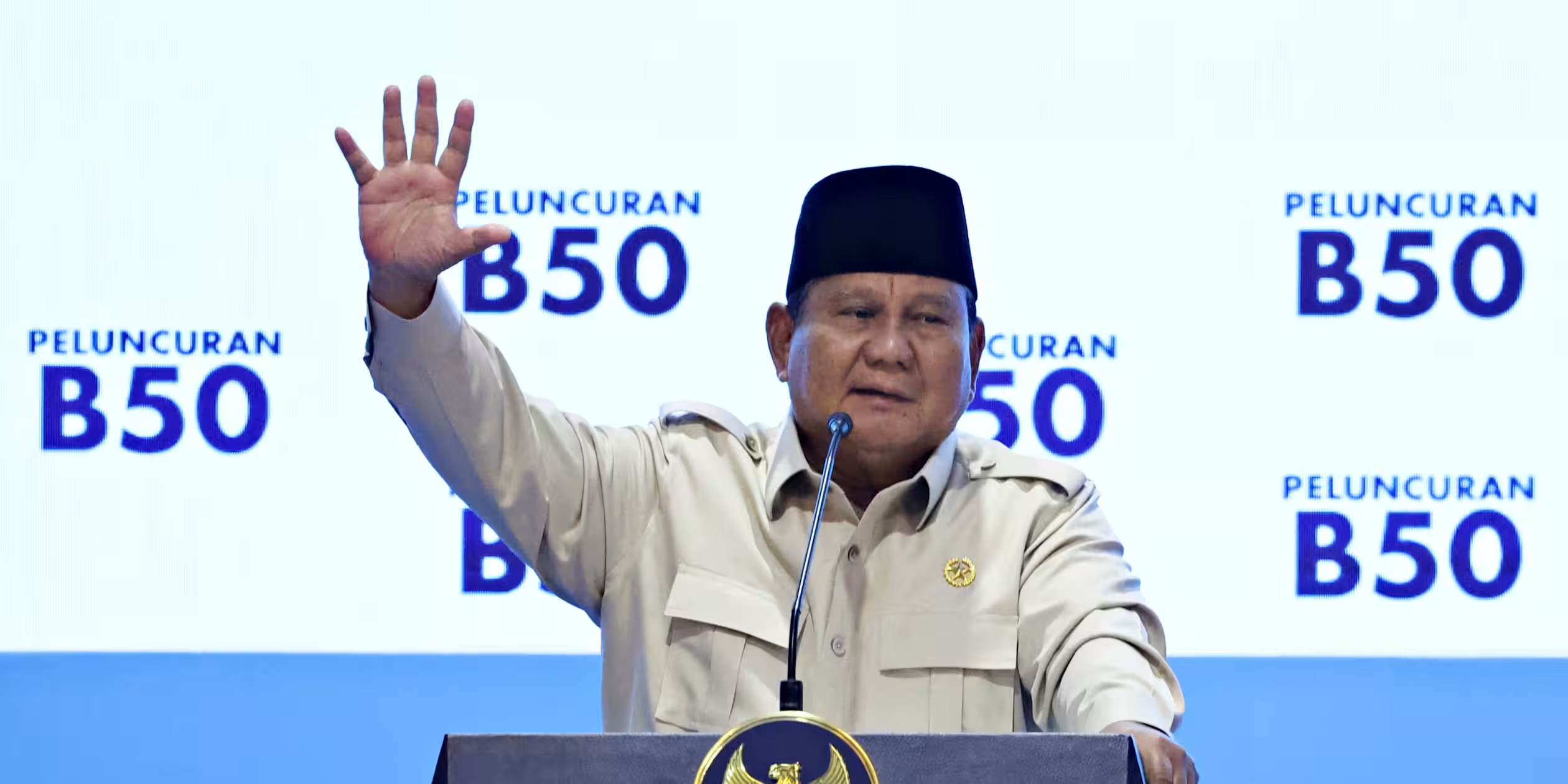
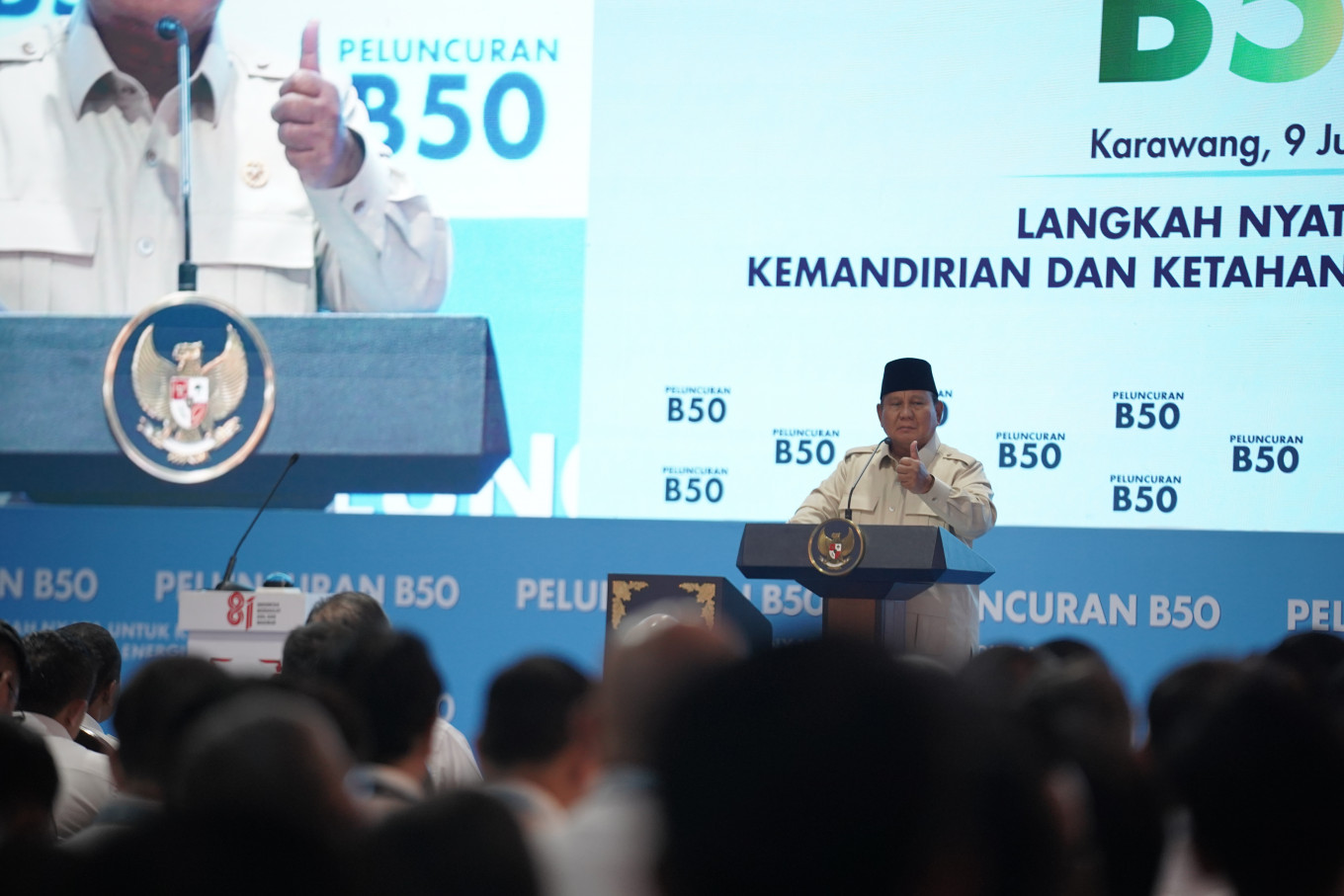
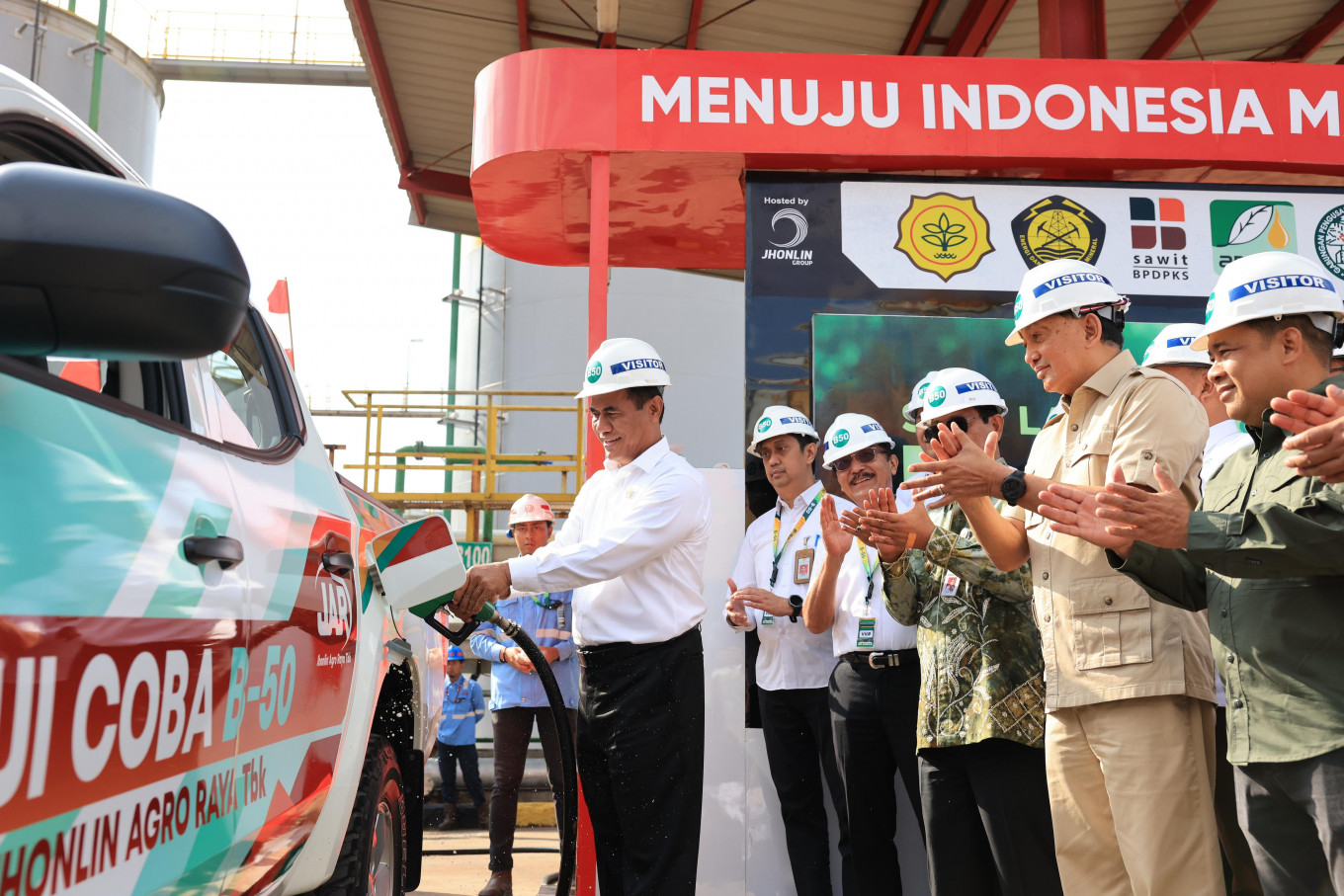
President Prabowo Subianto's decision to increase the national biodiesel mandate from B40 to B50 on July 1 marks an ambitious step toward energy self-sufficiency. Without equally determined measures to safeguard supply, fiscal sustainability and market governance, however, the policy risks upsetting the delicate balance that has long underpinned the country's lucrative palm oil industry.Over the past 15 years, successive administrations have steadily increased the required share of palm oil-based biodiesel, or fatty acid methyl ester (FAME), in domestic diesel fuel from just 10 percent (B10) under Susilo Bambang Yudhoyono to B35 under Joko "Jokowi" Widodo.
President Prabowo has taken the biggest leap yet, rolling out B40 in early 2025 and then B50 just a year and a half later. Today, the mandate reaches nearly every diesel consumer, from commercial logistics fleets and fishing vessels to private passenger cars running on subsidized fuel.