Academia
The 2026 forest and land fires reveal a paradox: Indonesia can mobilize after ignition, but climate justice depends on institutions that govern risk before smoke appears.
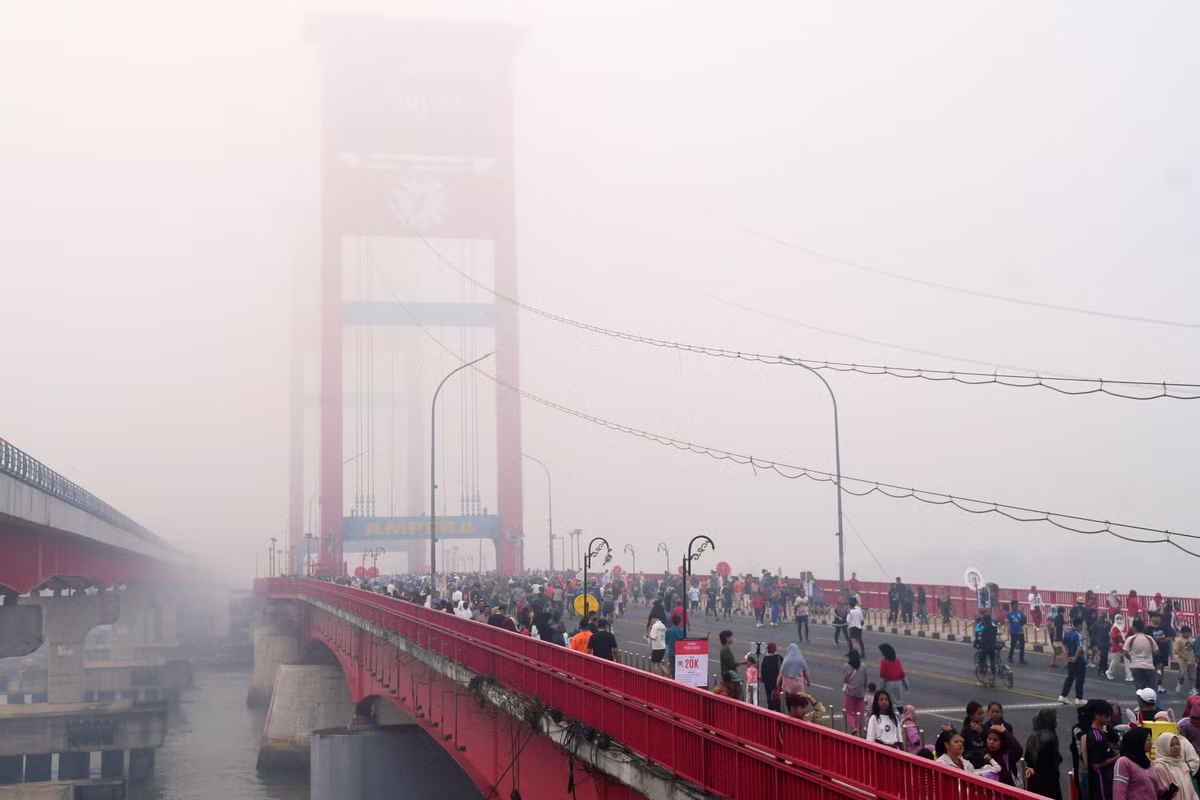
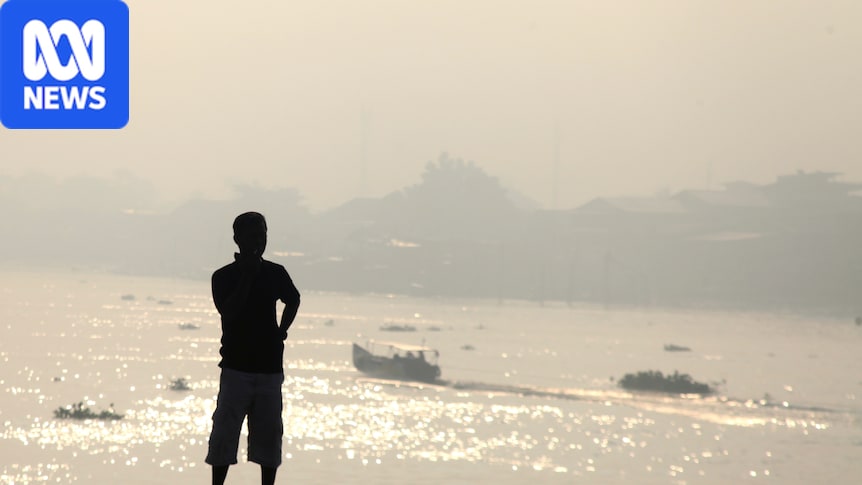
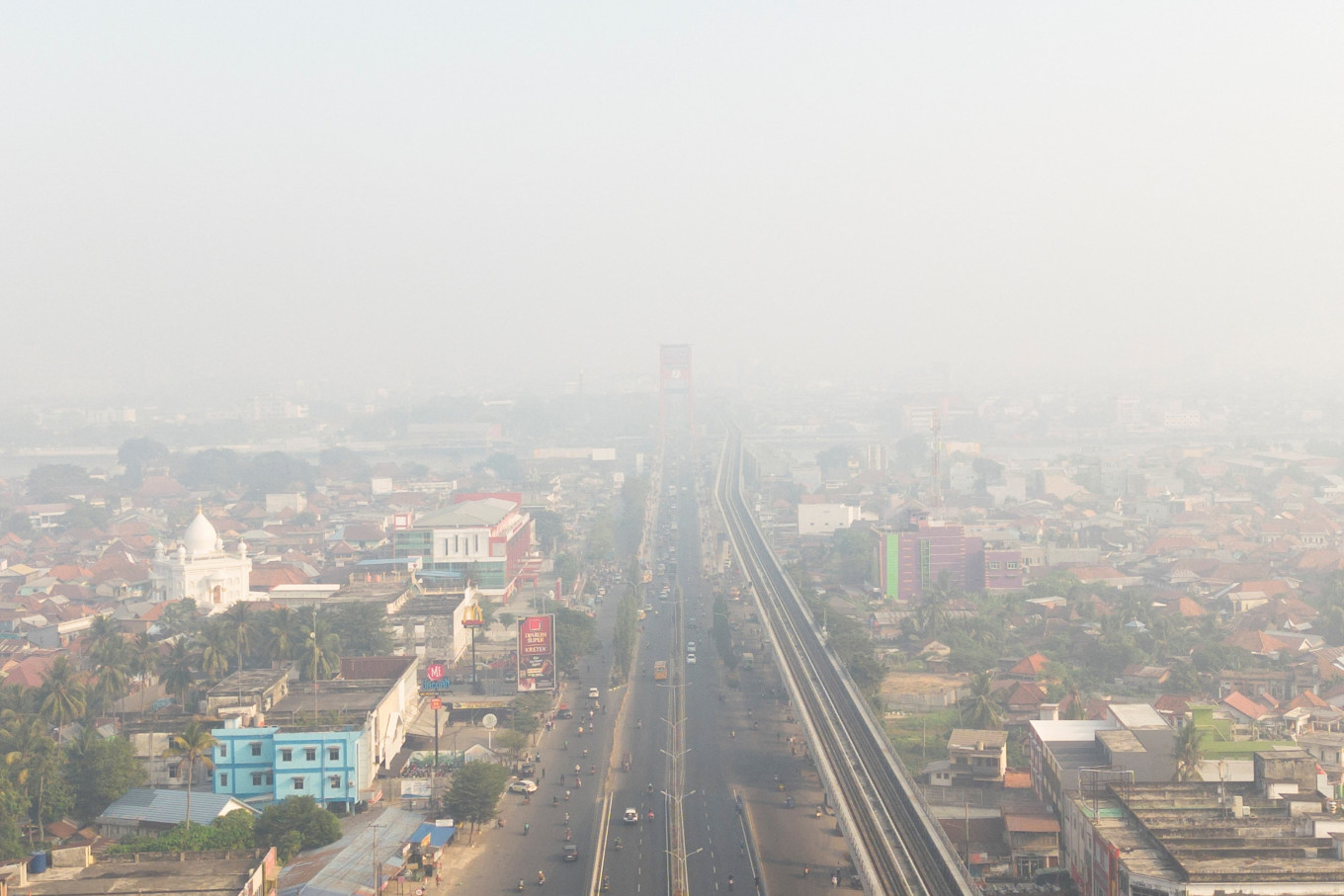
The Ampera Bridge sits shrouded in haze from wildfires on Aug. 23 in Palembang, South Sumatra. (REUTERS/Abriansyah Liberto)
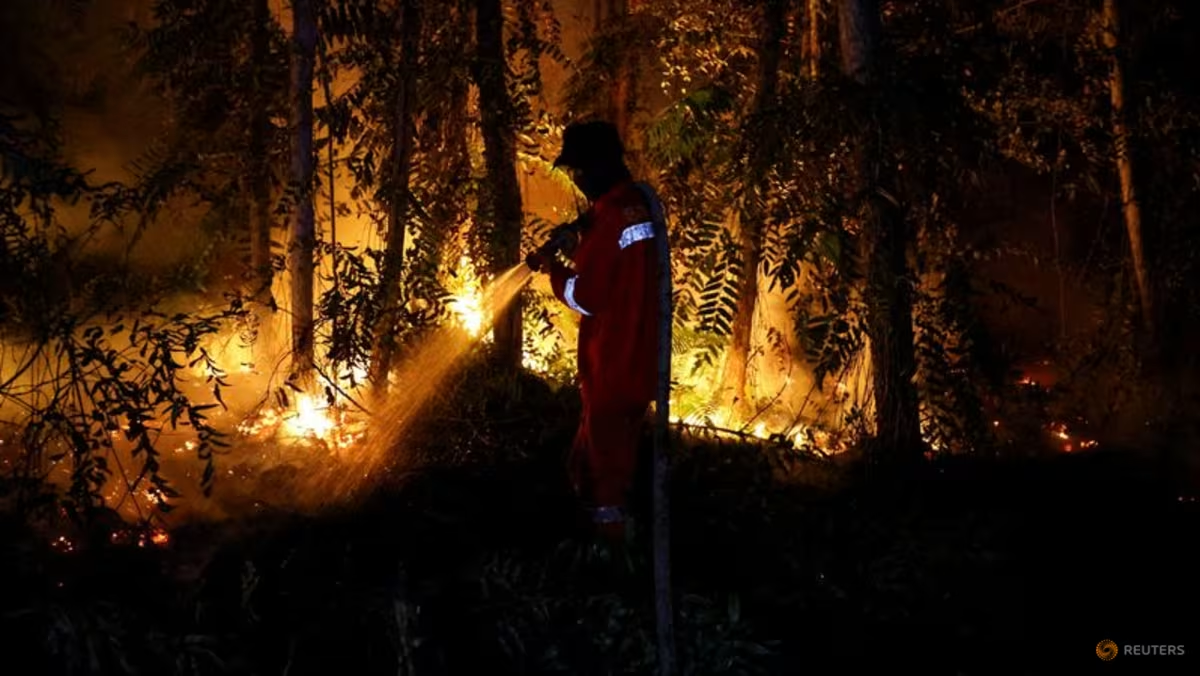
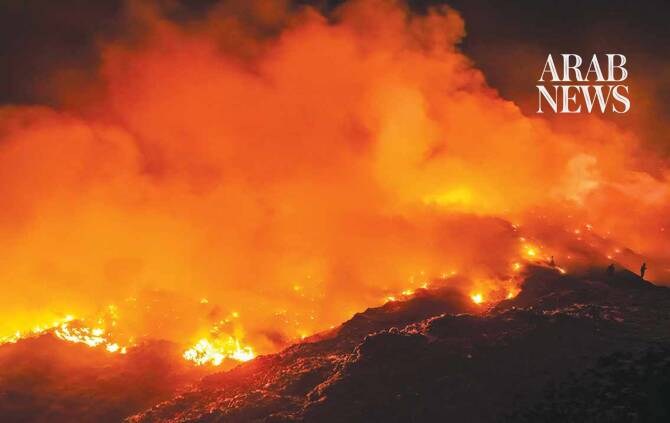
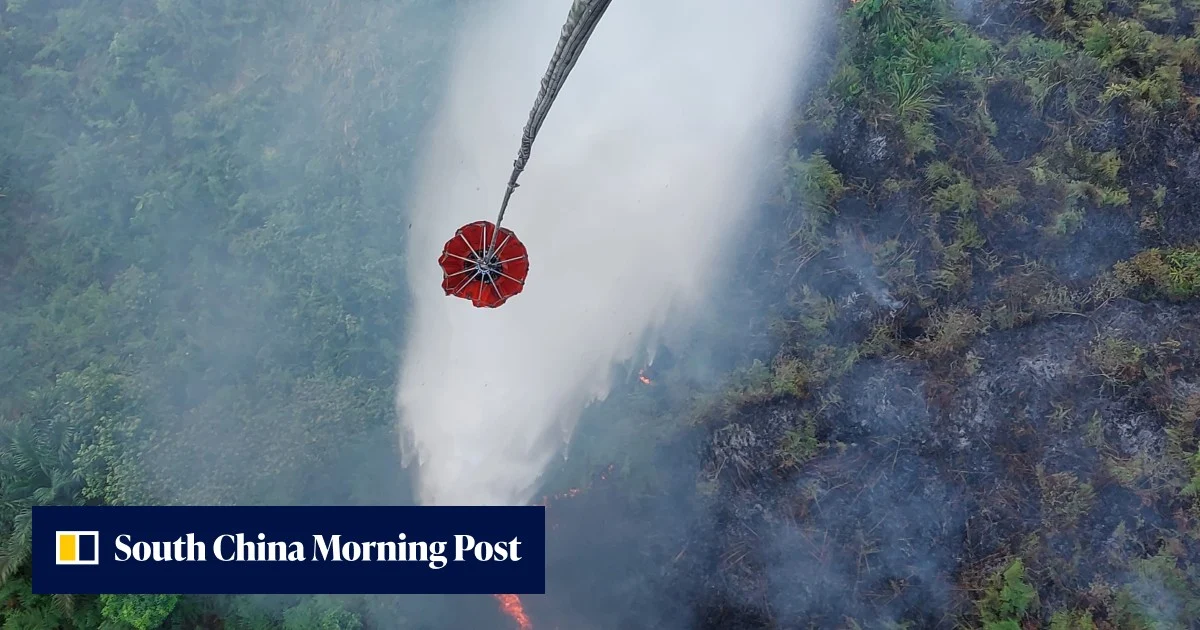
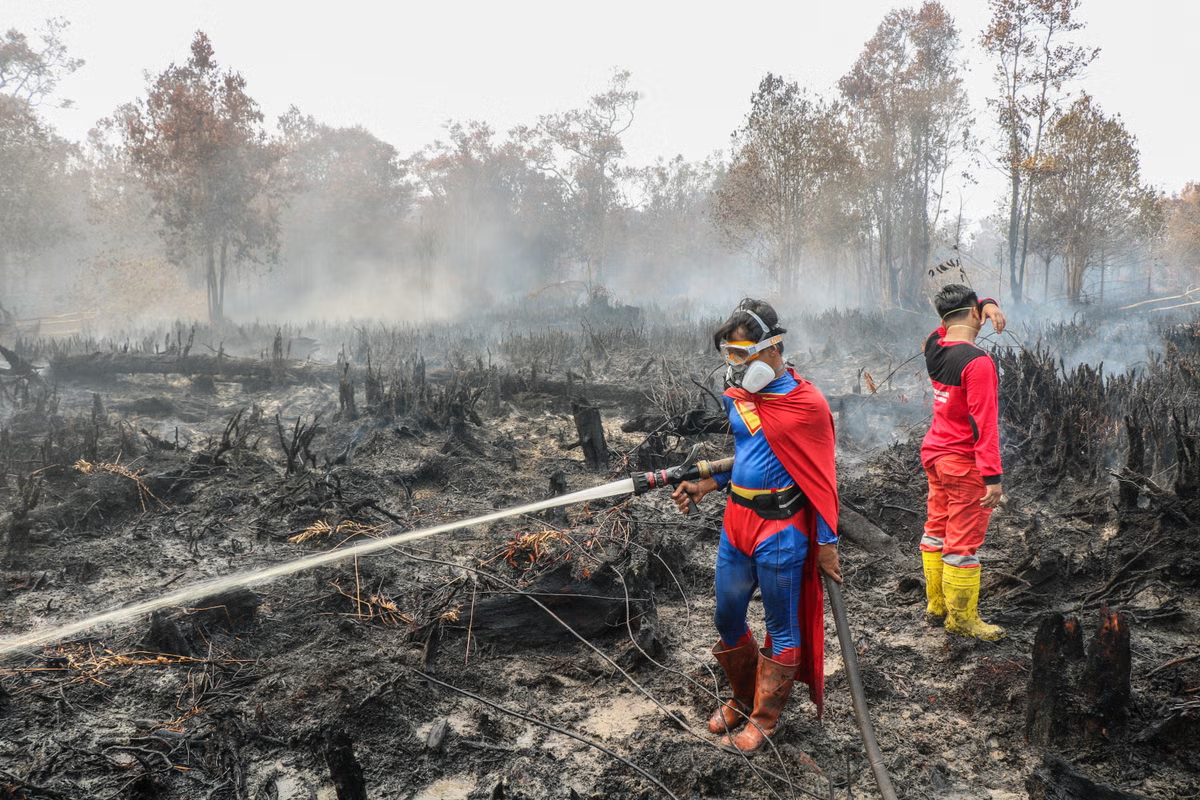
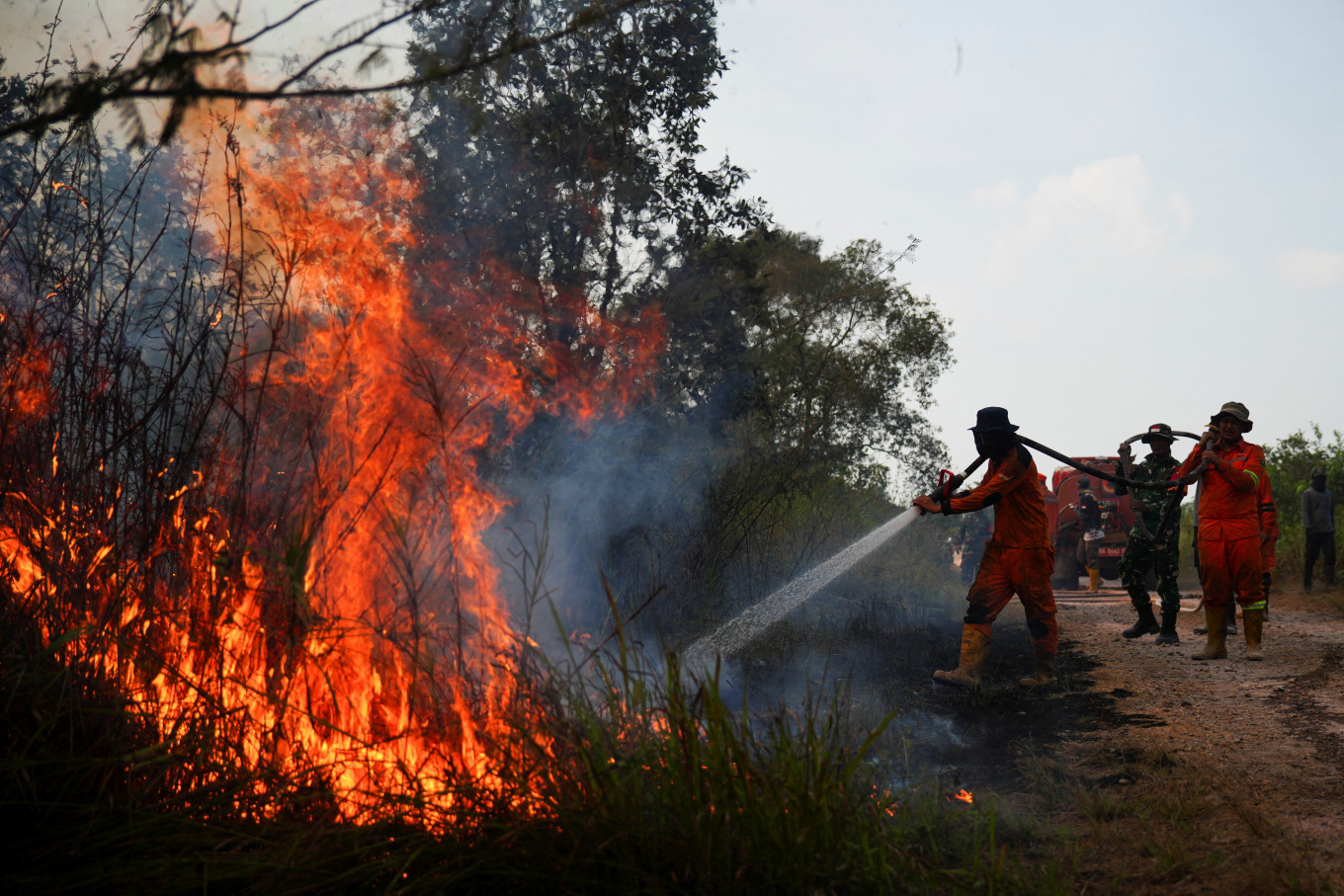
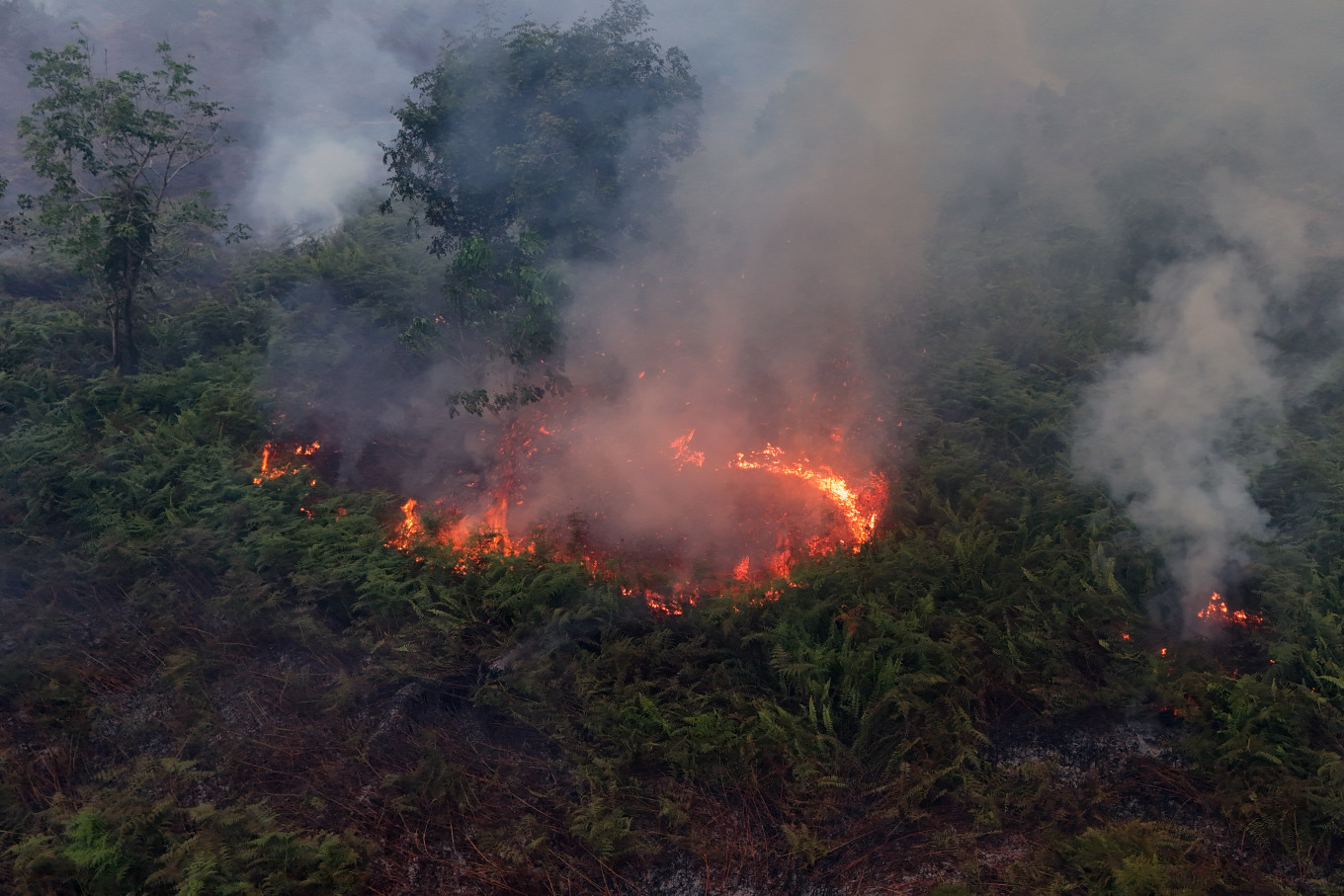
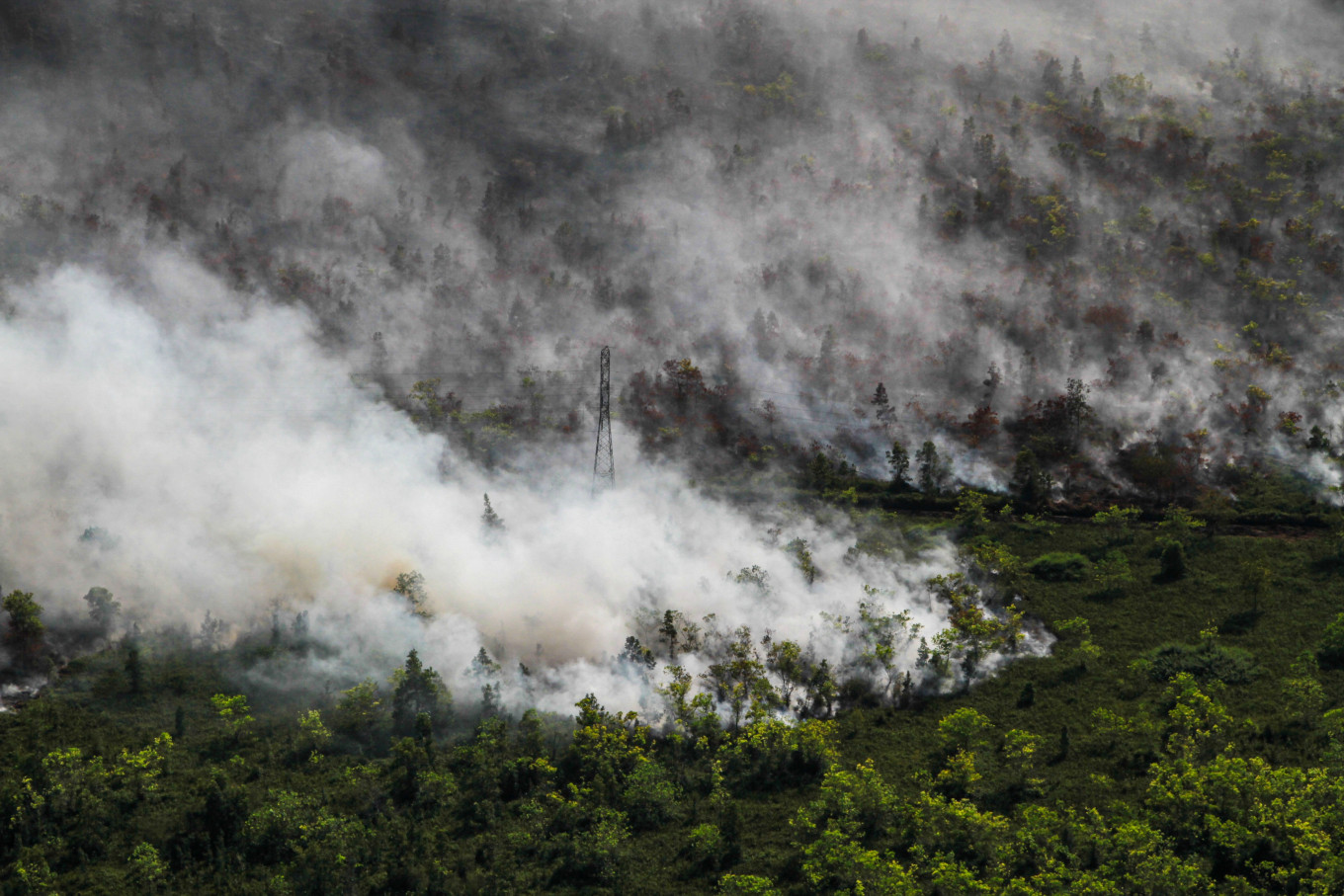
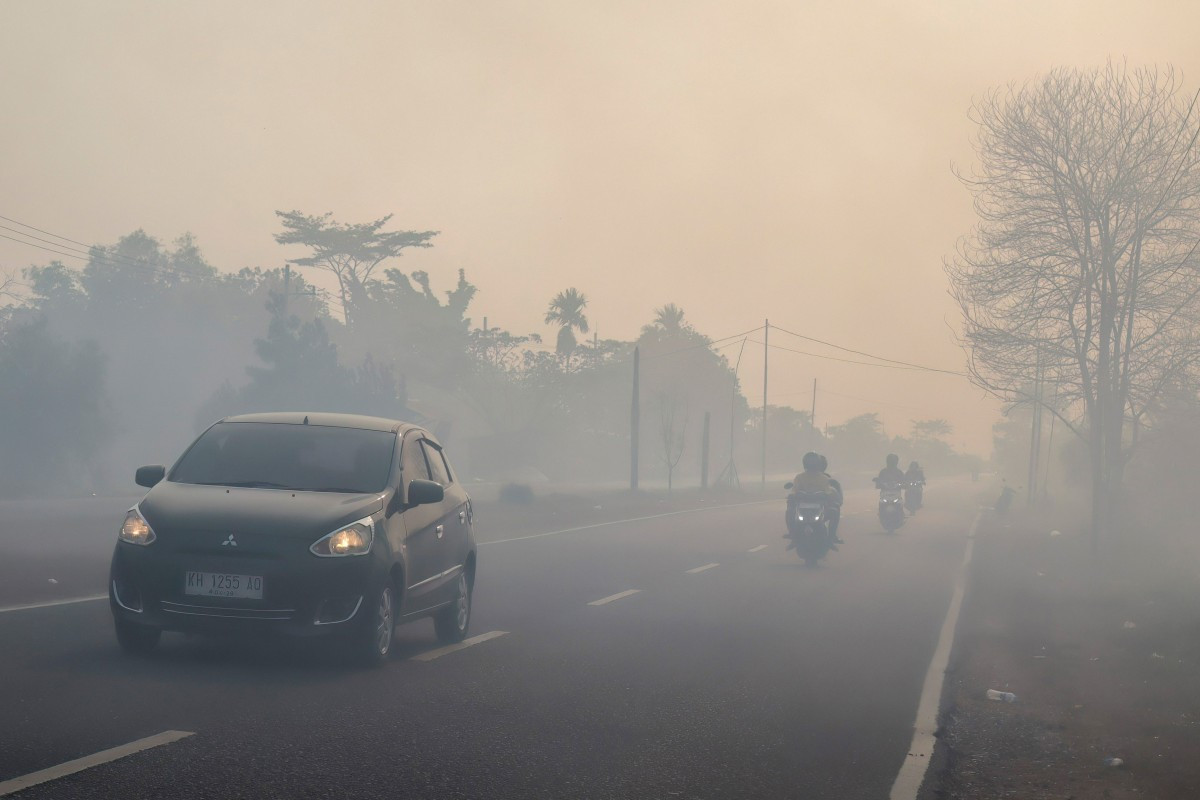
Indonesia is once again battling severe fires amid a punishing dry season. On Aug. 24, the Meteorology, Climatology and Geophysics Agency (BMKG) reported that El Niño had reached peak intensity. By Aug. 20, the National Disaster Mitigation Agency (BNPB) had logged 1,487 hotspots across Kalimantan alone, with blazes flaring from Papua across the archipelago and drought warnings blanketing East Nusa Tenggara (NTT), Kalimantan and Papua.These numbers are alarming, but they point past the real issue: If Indonesia can mobilize water-bombing helicopters, cloud seeding, police, military units and thousands of emergency responders once a blaze breaks out, why does a predictable climate hazard keep spiraling into a national crisis?
Framing the problem this way avoids a common analytical trap. Climate change does not spark every blaze, nor does El Niño erase human agency. While climate stress raises the odds and severity of burning, governance determines vulnerability—deciding which landscapes are restored and protected, and which are left neglected.