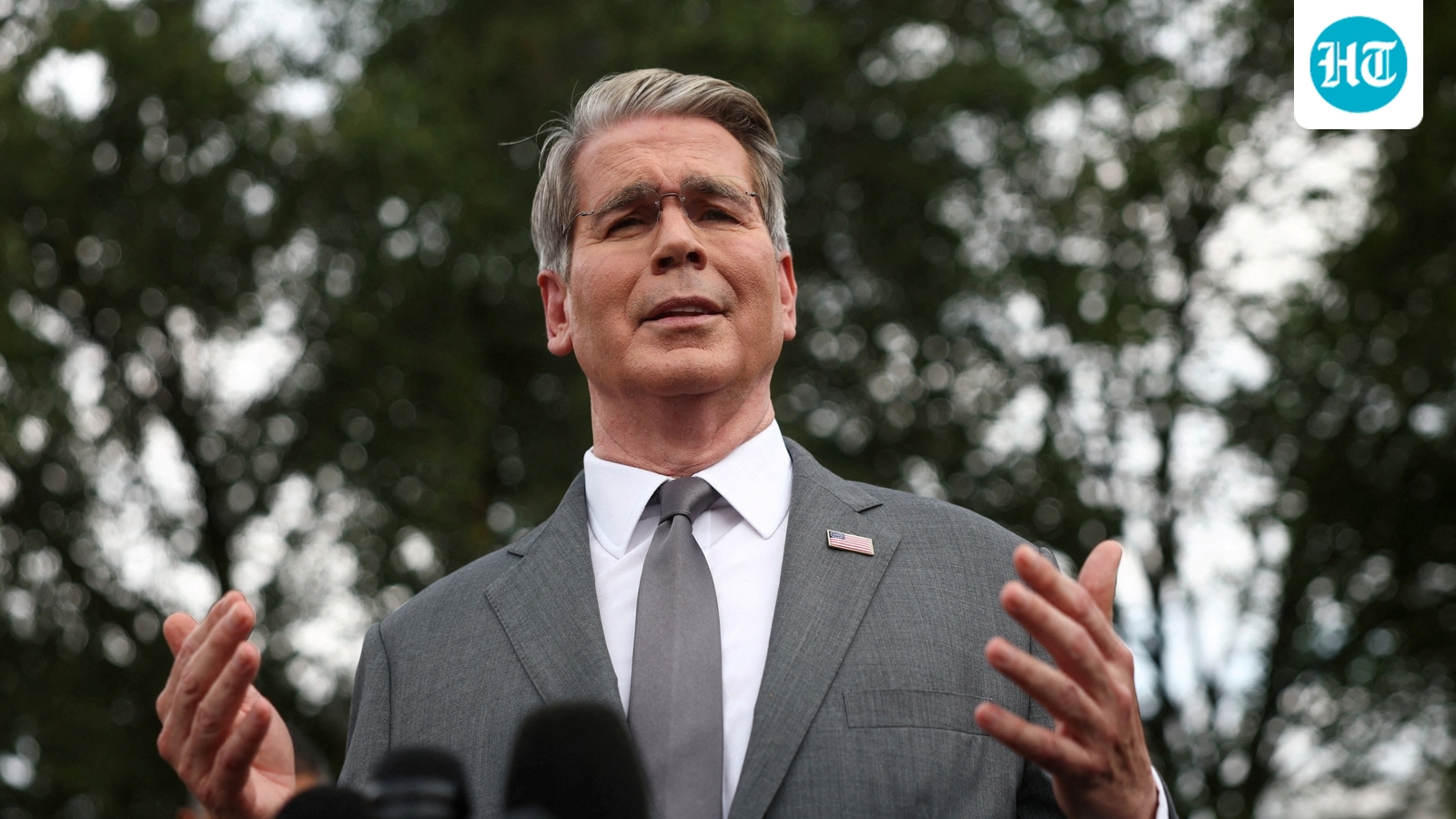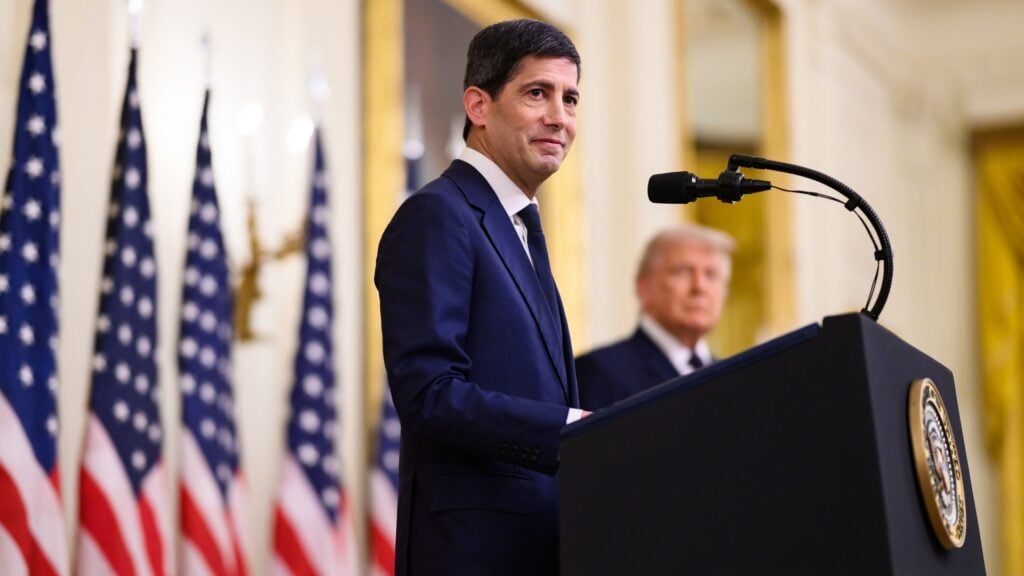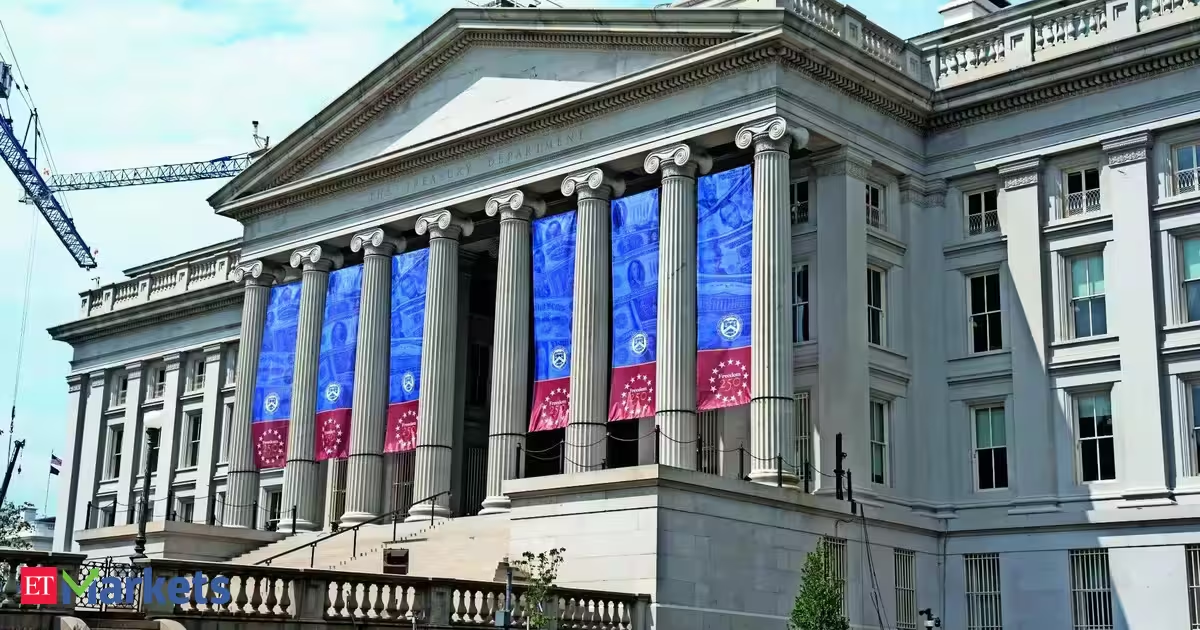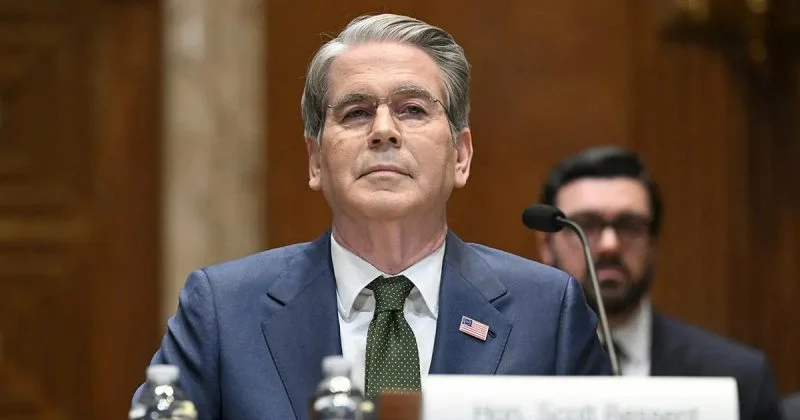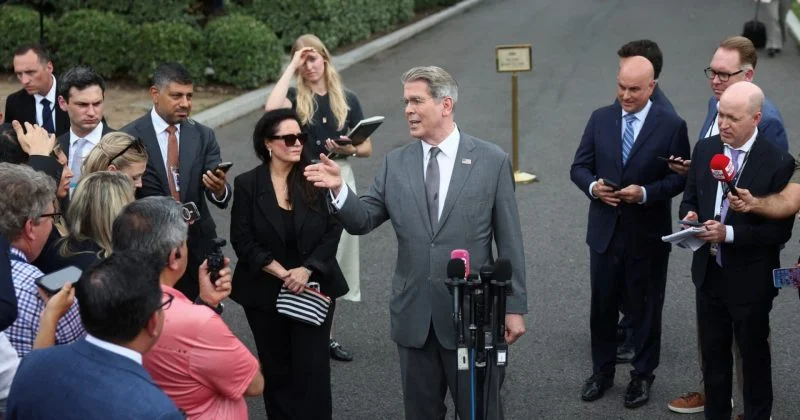
Treasury Secretary Scott Bessent is pulling a page from the Federal Reserve’s old playbook, and Wall Street is scrambling to figure out what it means for borrowing costs.
Bessent announced on August 19-20 that the Treasury will dramatically expand its bond buyback program starting September 9, 2026, purchasing at least $4 billion of longer-dated Treasuries, those maturing in 10 to 30 years, in each operation. The catch: all of it funded by cranking up issuance of shorter-term Treasury bills.
Operation Twist, Treasury edition
Bessent is calling it a “Treasury twist,” and the name is no accident. The original Operation Twist was a Fed maneuver from the early 1960s, later revived after the 2008 financial crisis, where the central bank sold short-term bonds and bought long-term ones to push down borrowing costs without printing new money. Bessent’s version swaps the actor but keeps the basic mechanics: soak up long-dated supply to compress yields on the far end of the curve while letting short-term rates absorb the pressure.
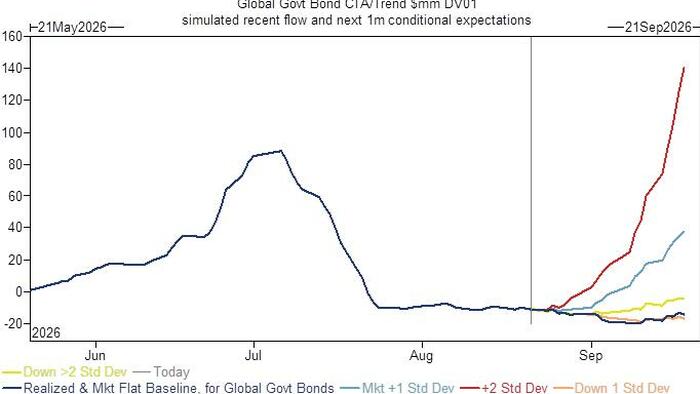
The context matters. US public debt has ballooned to $40 trillion, and long-term yields have been climbing to levels not seen in nearly two decades. The 30-year Treasury yield recently touched a 19-year high, making it painfully expensive for the government to finance itself at the long end. Bessent, a former hedge fund manager confirmed by the Senate in January 2025 on a 68-29 vote, argued in an August 20 interview that current yields “do not reflect underlying fundamentals.”