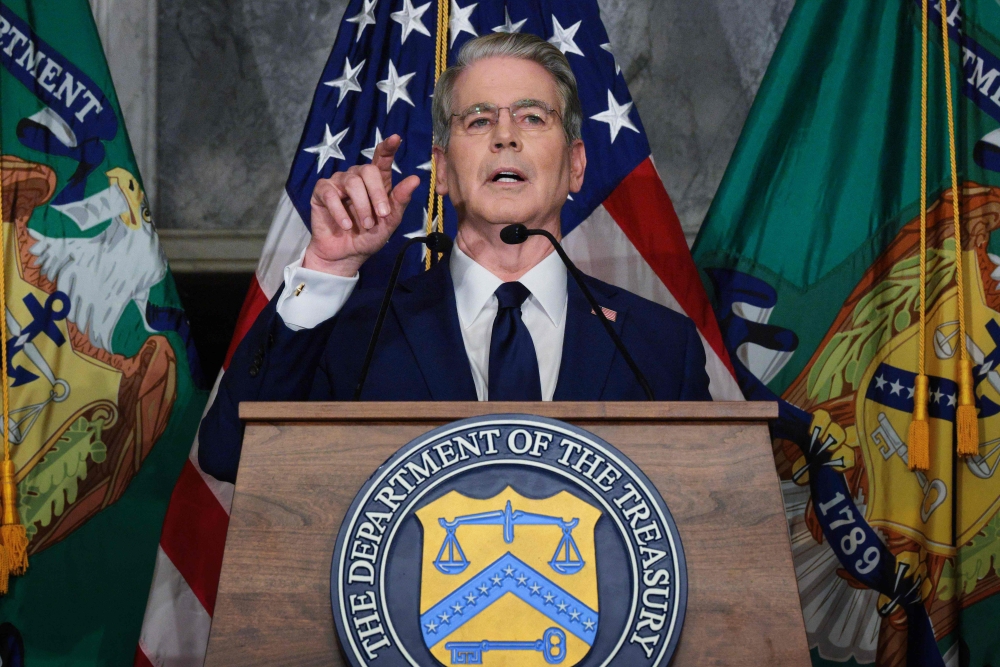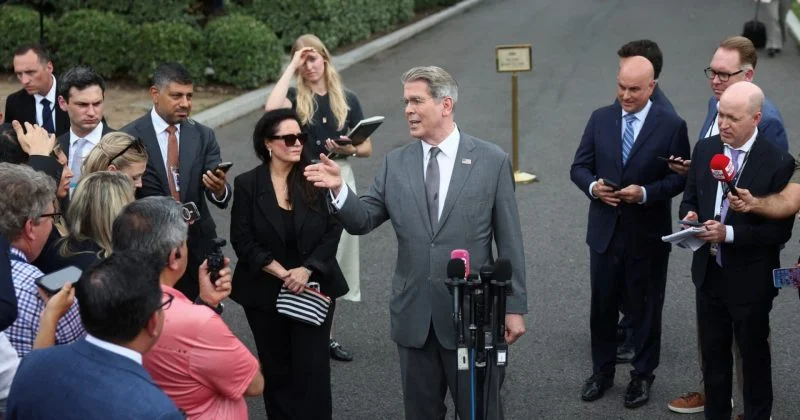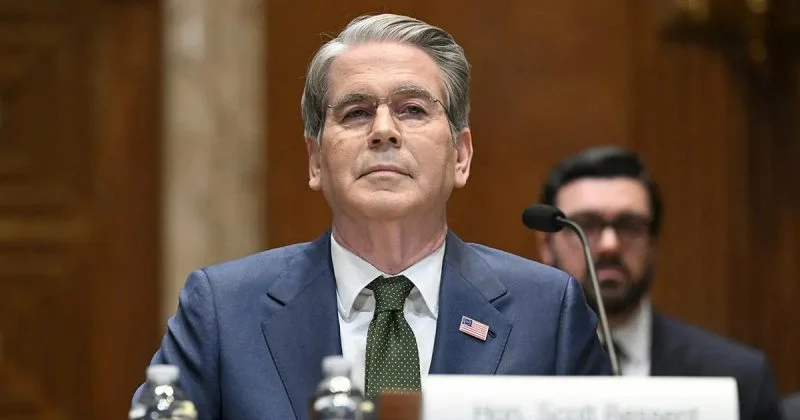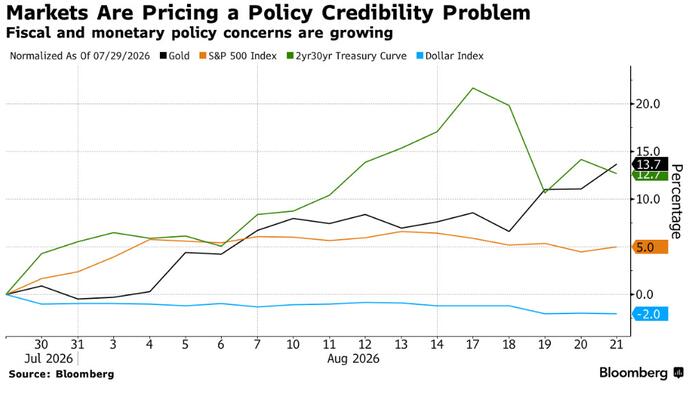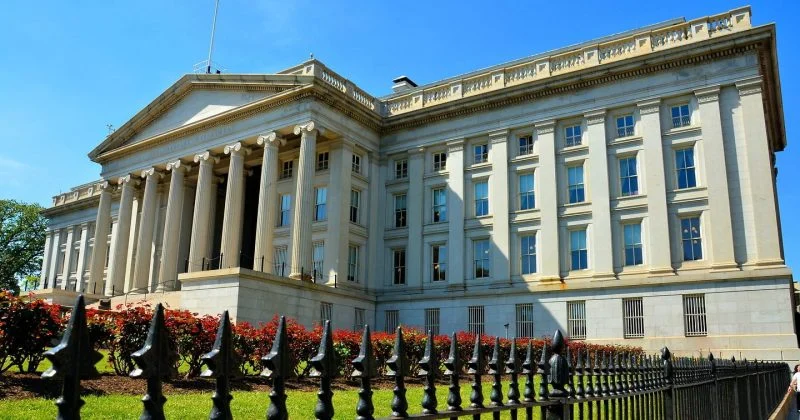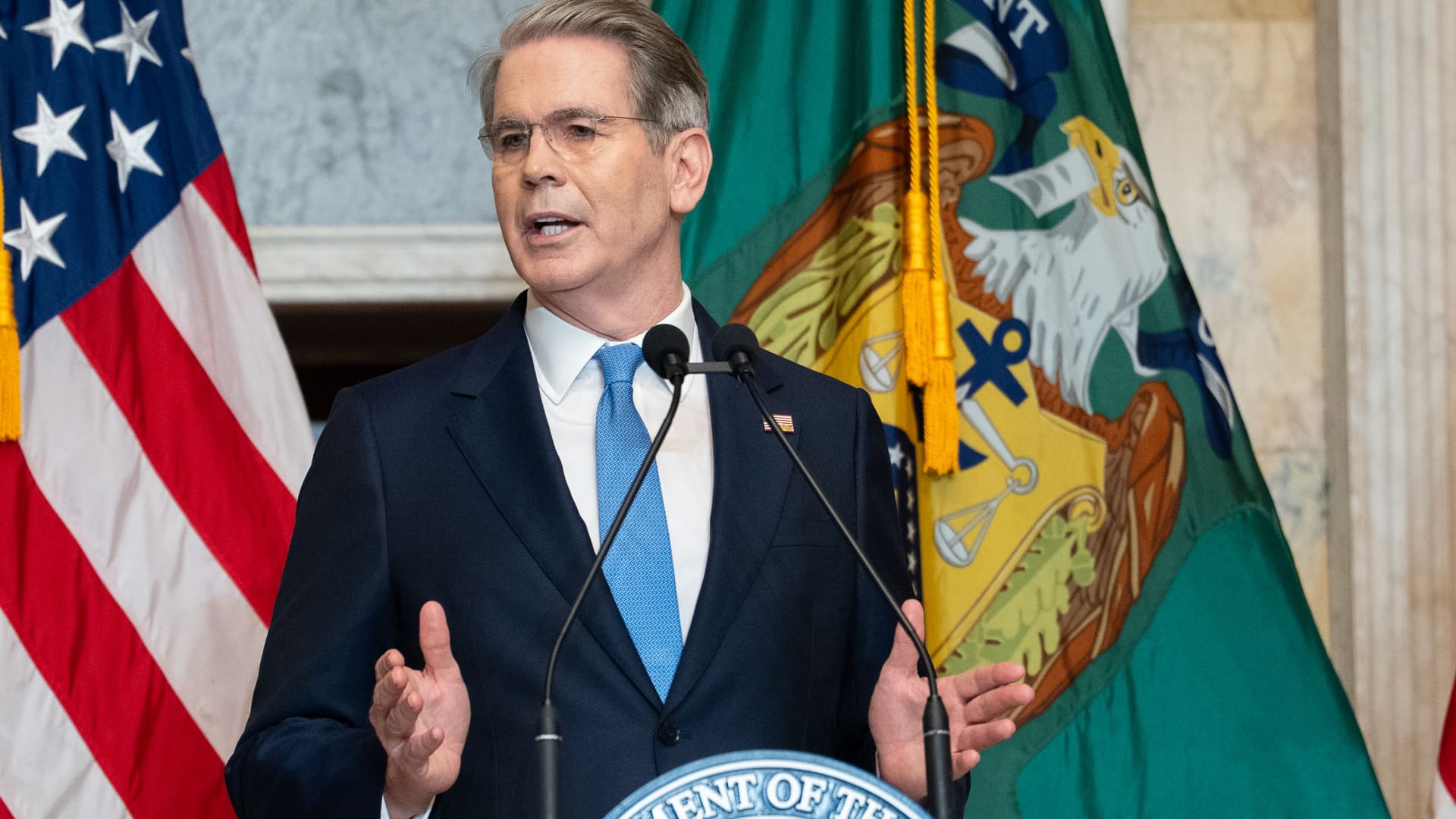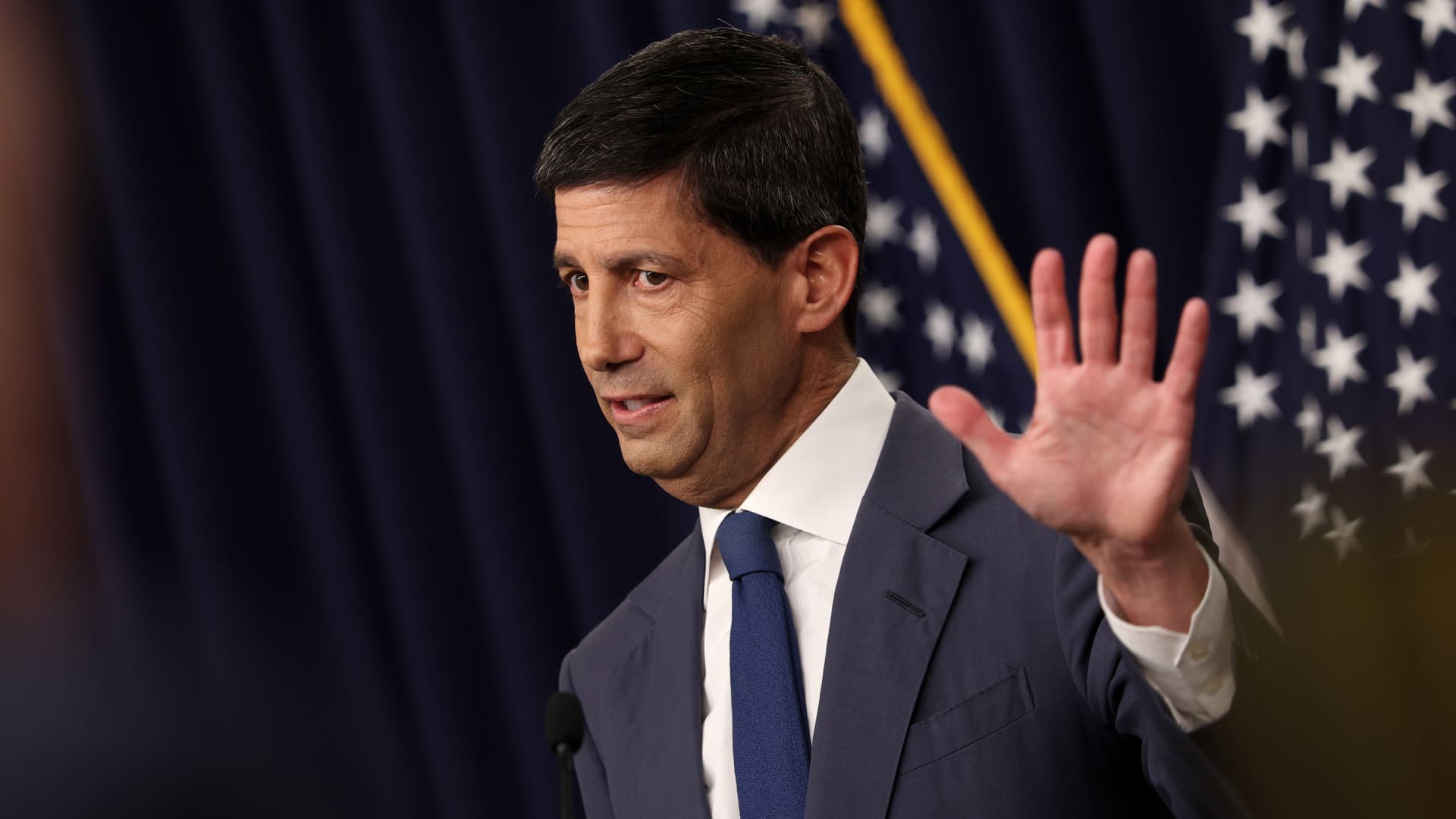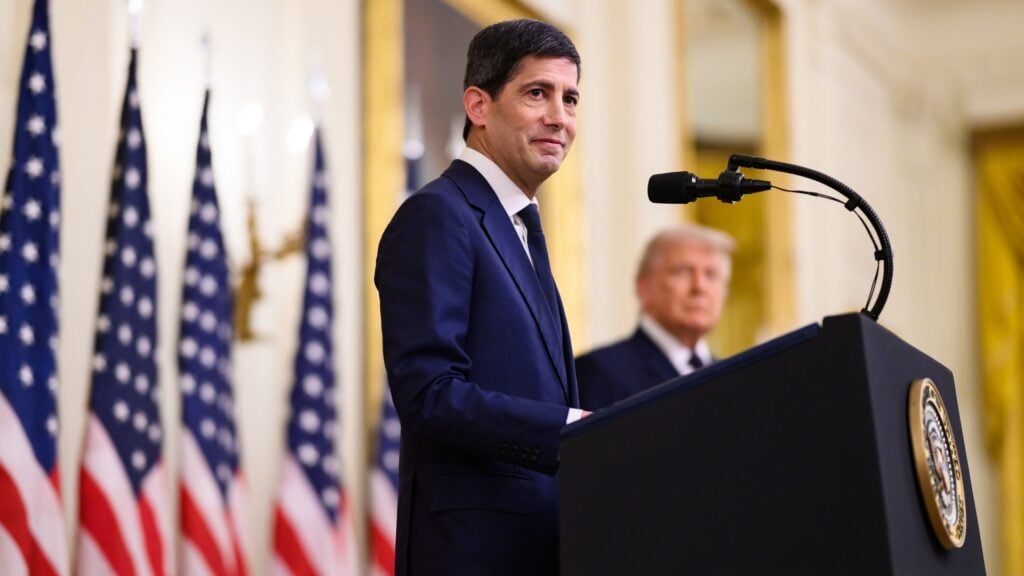
Treasury Secretary Scott Bessent has expanded the Treasury Department’s bond-buyback program in an effort to support the long-term Treasury market and reduce borrowing costs, a decision that appears to be at odds with the Federal Reserve’s ongoing battle against inflation.
Bessent’s decision to bolster the $32 trillion bond market, following a 19-year peak in long-term borrowing costs, has amplified the pressure on Federal Reserve Chair Kevin Warsh in the lead-up to his speech at the Kansas City Fed’s economic conference in Jackson Hole, Wyoming, on Friday.
Warsh heads to Jackson Hole under pressure to clarify the Fed’s approach to inflation and the path of interest rates as U.S. inflation remains well above its 2% target at 3.7%.
Greg Peters, co-chief investment officer at PGIM Credit, has voiced his criticism of the Treasury’s strategy, describing it as a “self-limiting, self-defeating strategy,” the Financial Times reported. "The markets are looking for something out of (Kevin) Warsh, but I am not sure what he’s supposed to do here," he added.
Simultaneously, Lisa Shalett, chief investment officer of Morgan Stanley Wealth Management, has expressed apprehension about the Treasury’s unpredictable intervention in the bond market, suggesting it could be a sign of concerns about debt sustainability in Washington DC.