The US Treasury has a new favorite tool, and the Federal Reserve is not exactly thrilled about it.
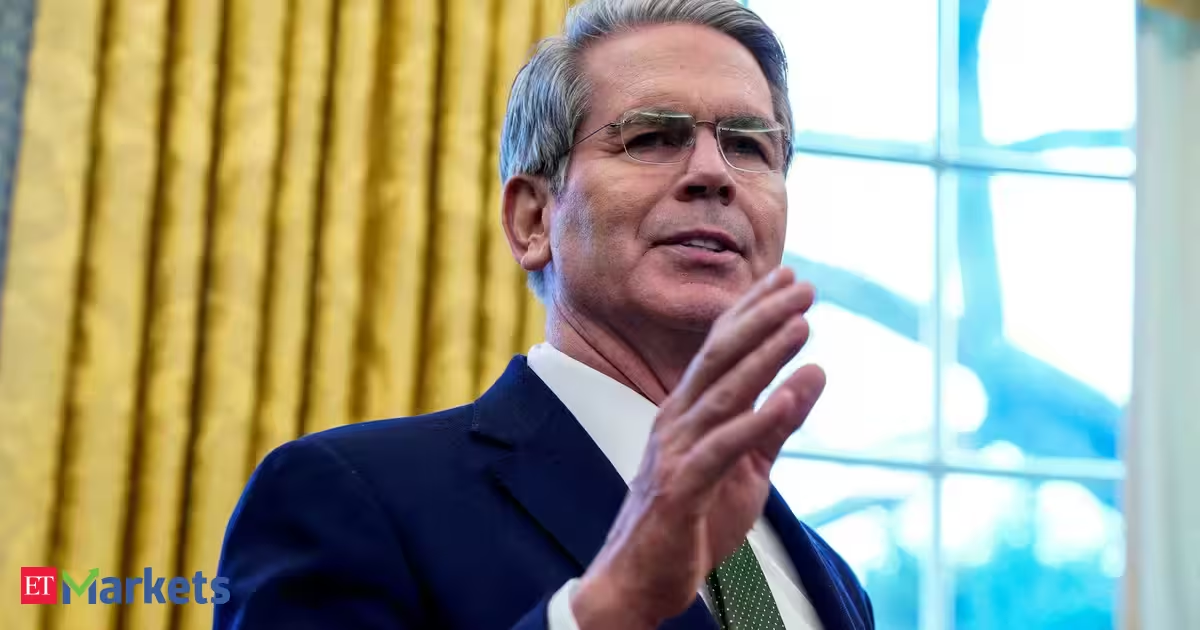
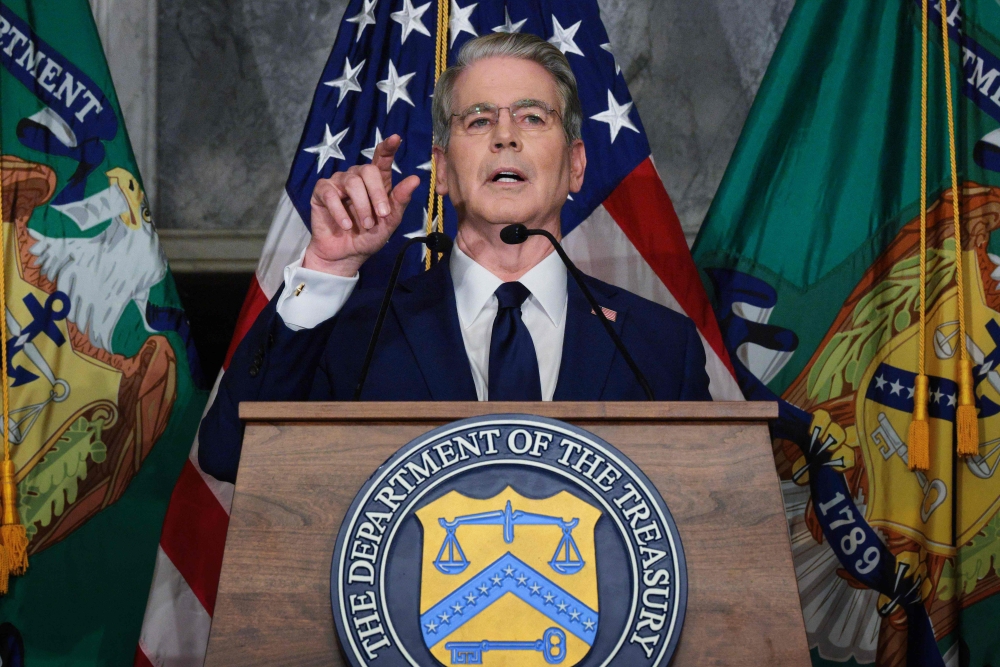
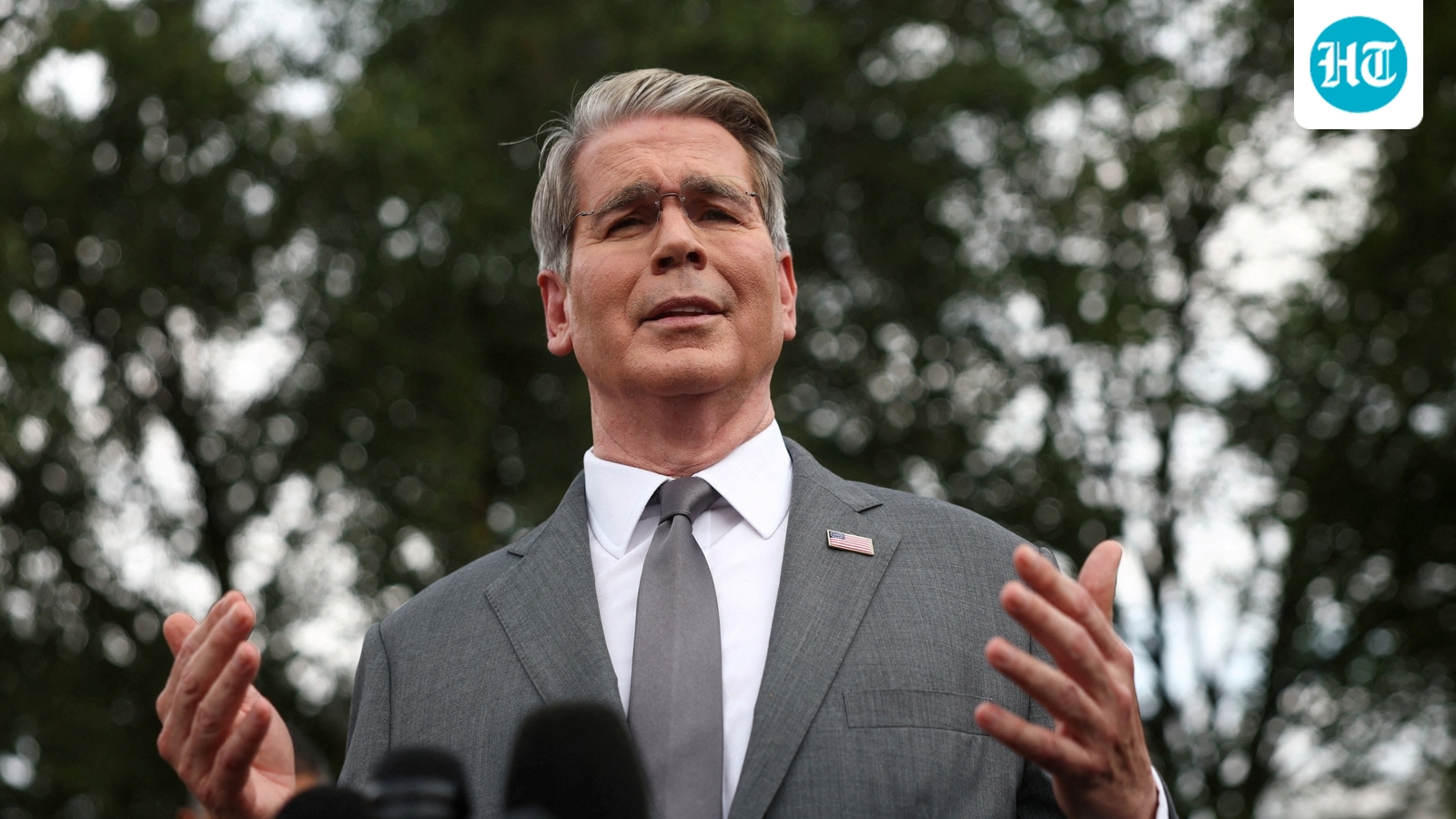
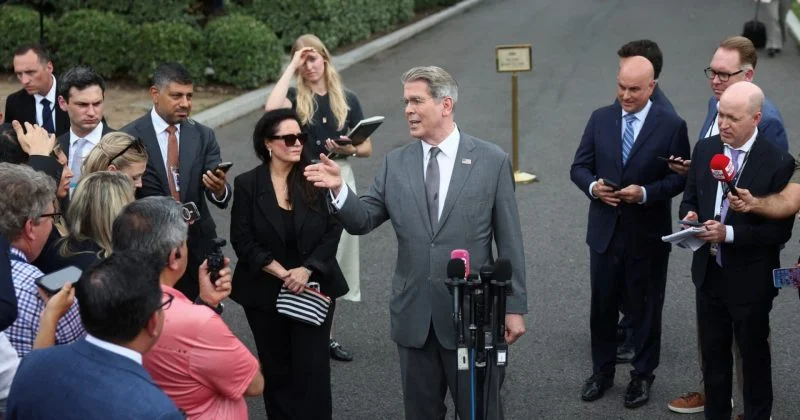
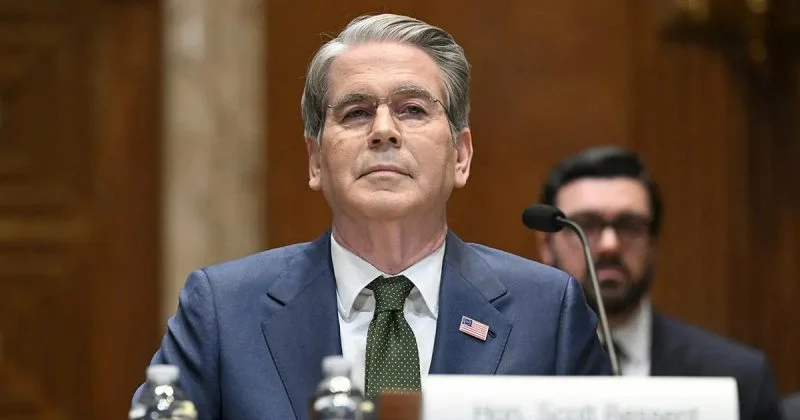
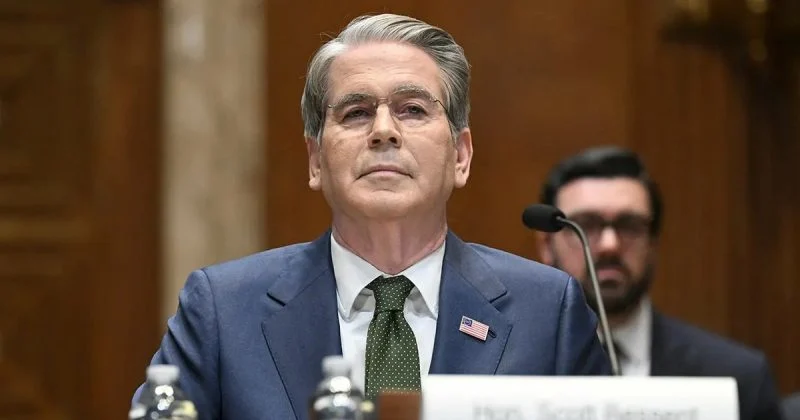
On August 19, Treasury Secretary Scott Bessent announced a significant expansion of the government’s bond buyback program, doubling the per-operation cap on longer-dated securities from $2 billion to at least $4 billion. The operations are scheduled to run from September 9 through November 4, a timeline that lands squarely in the run-up to midterm elections.
The backdrop is hard to ignore. The 30-year Treasury yield had climbed to roughly 5.3%, a level not seen in nearly two decades, before the announcement offered brief relief. Yields dipped to around 5.18% in the immediate aftermath, then promptly reversed course, almost erasing the move entirely.
What Bessent is actually trying to do
Think of a Treasury buyback like a government buying back its own old debt on the open market. When the Treasury purchases longer-dated bonds, it injects cash into the system and, in theory, pushes long-term yields lower by reducing the supply of bonds investors are holding.