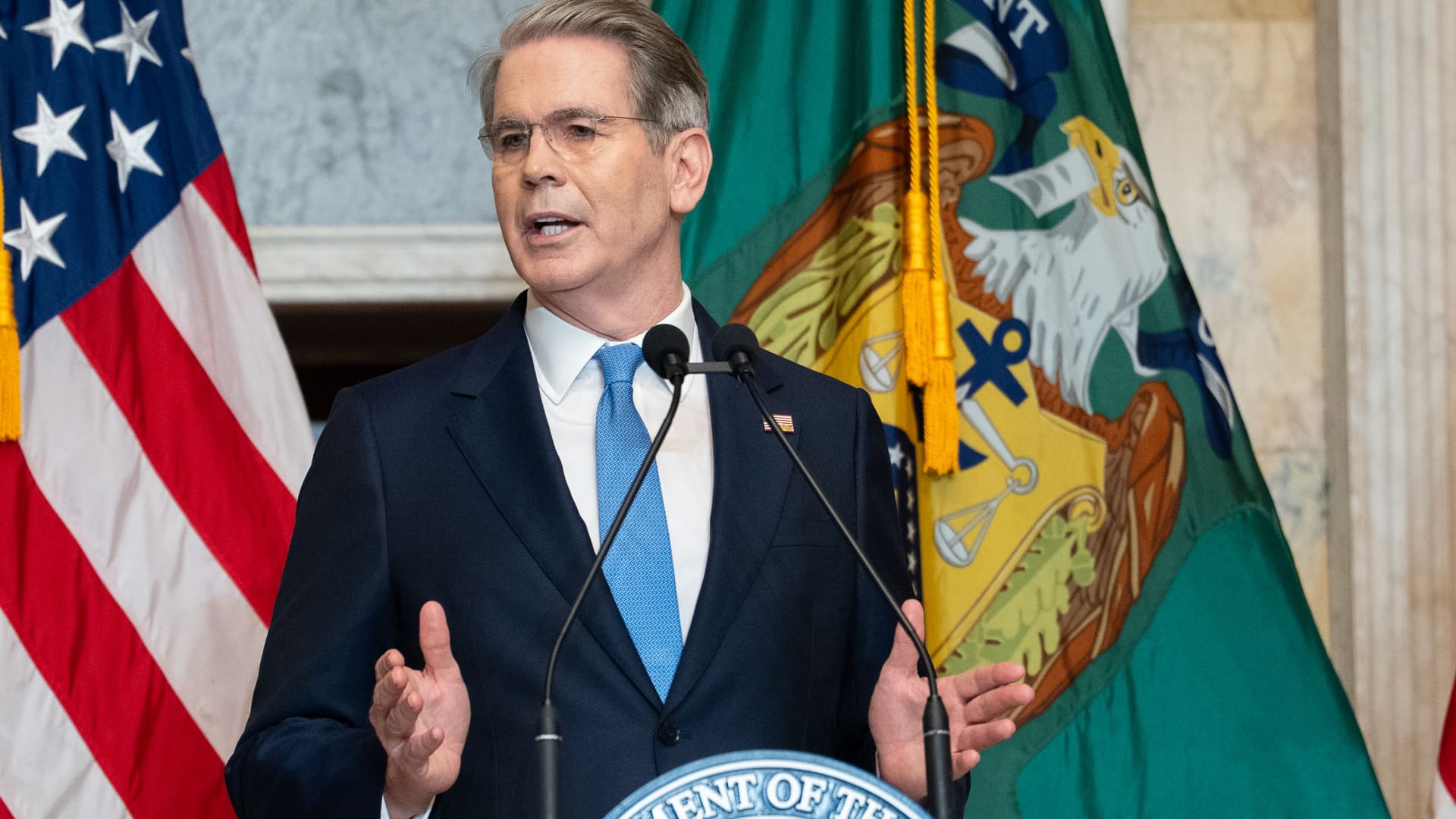
Scott Bessent tried to talk the bond market off the ledge. The bond market looked down and kept climbing.
The Treasury secretary announced a significant expansion of liquidity-support buyback operations for long-dated US government bonds on August 19, raising the maximum size of these operations from $2B to $4B for bonds with maturities of 10 to 30 years. The 30-year Treasury yield had just touched 5.34%, its highest level in 19 years, and the move was meant to signal that Washington was paying attention.
It worked, briefly. The 30-year yield dropped about 10 basis points to around 5.19% in the immediate aftermath. But that relief proved fleeting, with long-term bonds continuing to face selling pressure as investors concluded that doubling the size of a relatively small operation doesn’t fix the math on a $32 trillion Treasury market.
A band-aid on a structural wound
The expanded buyback program, set to run from September 9 through November 4, increases both the size and frequency of Treasury purchases of its own outstanding long-dated debt. A $4B buyback operation against a $32 trillion market is roughly equivalent to bailing out a swimming pool with a coffee mug. It can improve conditions at the margins, particularly for bonds that have become illiquid, but it doesn’t change the fundamental supply-and-demand picture.