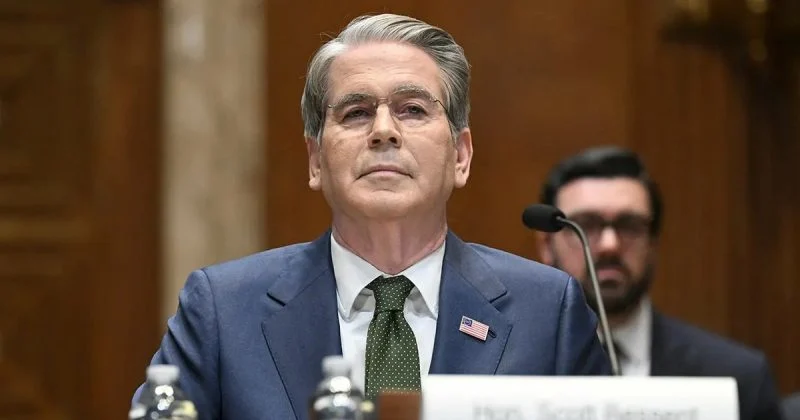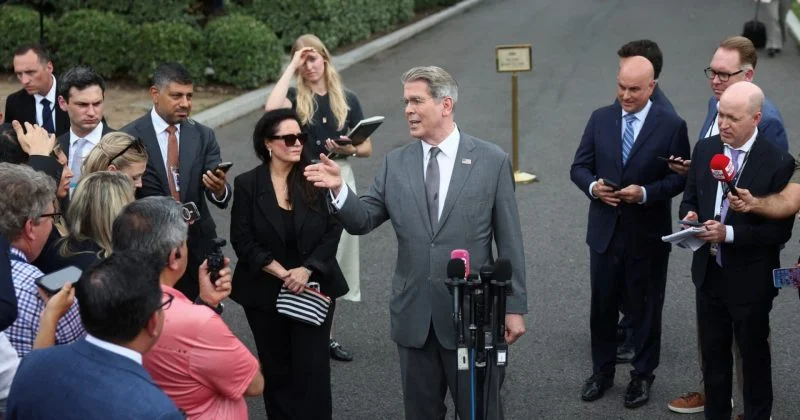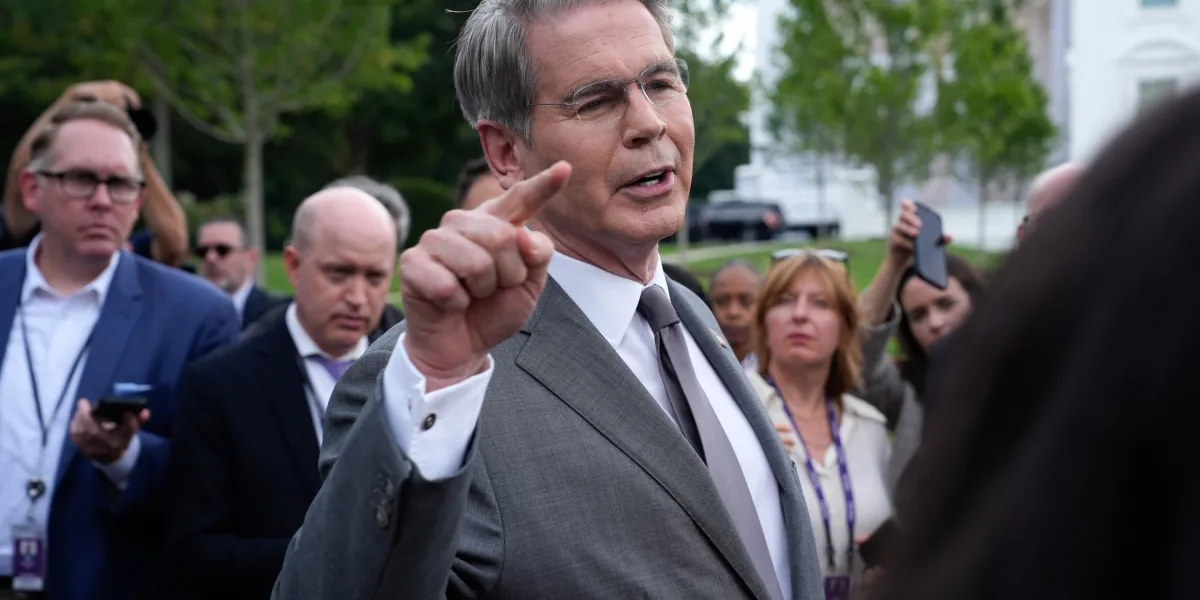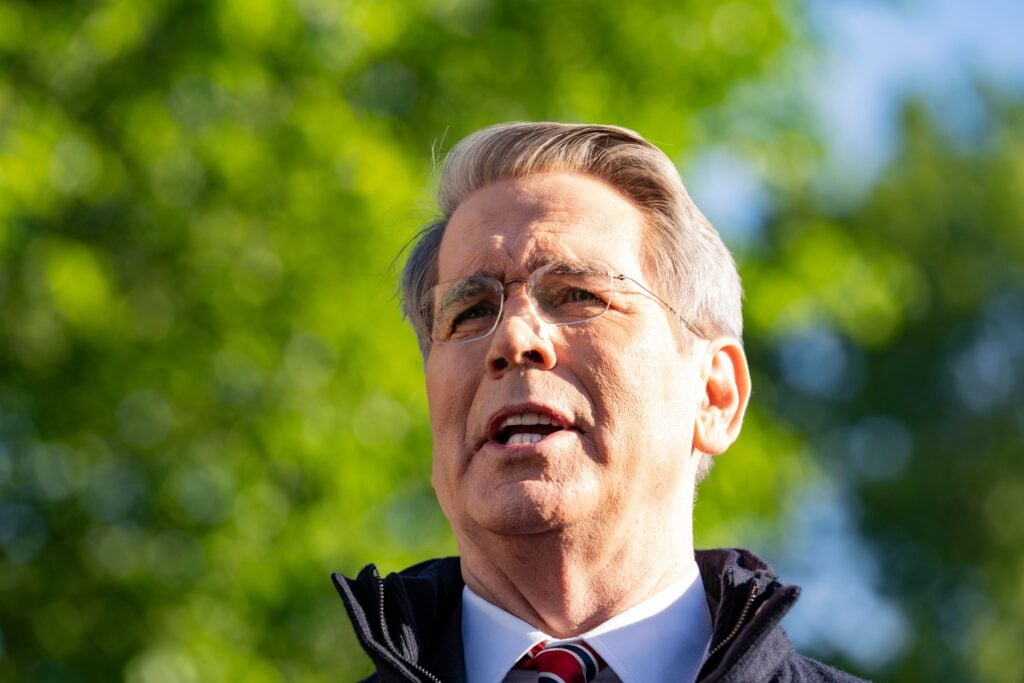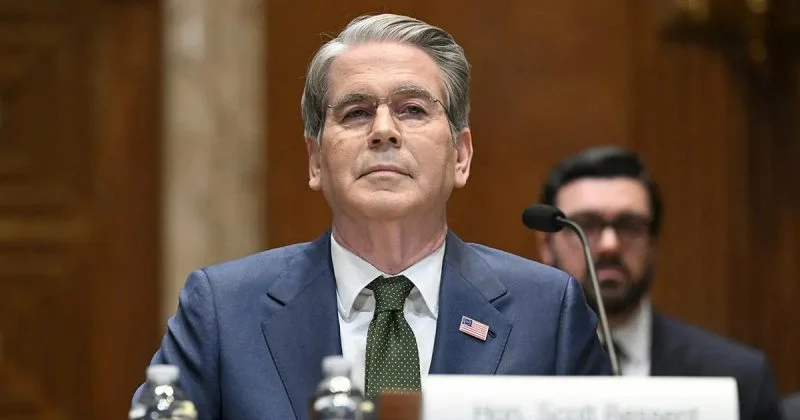
Treasury Secretary Scott Bessent spent months telling anyone who would listen that his predecessor got the bond market wrong. Then he tried to fix it himself, armed with a buyback bazooka and a CNBC appearance.
On August 19, Bessent announced the Treasury would at least double its buyback program for long-dated bonds, raising the maximum from $2 billion to $4 billion per operation. The frequency of these operations will also ramp up starting September 9 and continue through November.
The problem Bessent inherited
The US government’s gross federal debt now exceeds $40 trillion. The Treasury market itself is valued at roughly $32 trillion, making it the single most important fixed-income market on the planet and, arguably, the foundation of the entire global financial system.
Long-term yields climbed to a 19-year high before Bessent’s announcement, driven by a trio of forces that refused to cooperate with Washington’s fiscal ambitions. Persistent inflationary pressures kept the Federal Reserve from offering much relief. Heavy corporate borrowing to finance the AI infrastructure buildout sucked up capital that might otherwise have flowed into Treasuries. And geopolitical tensions tied to the conflict with Iran added a risk premium that investors demanded for parking money in longer-duration bonds.