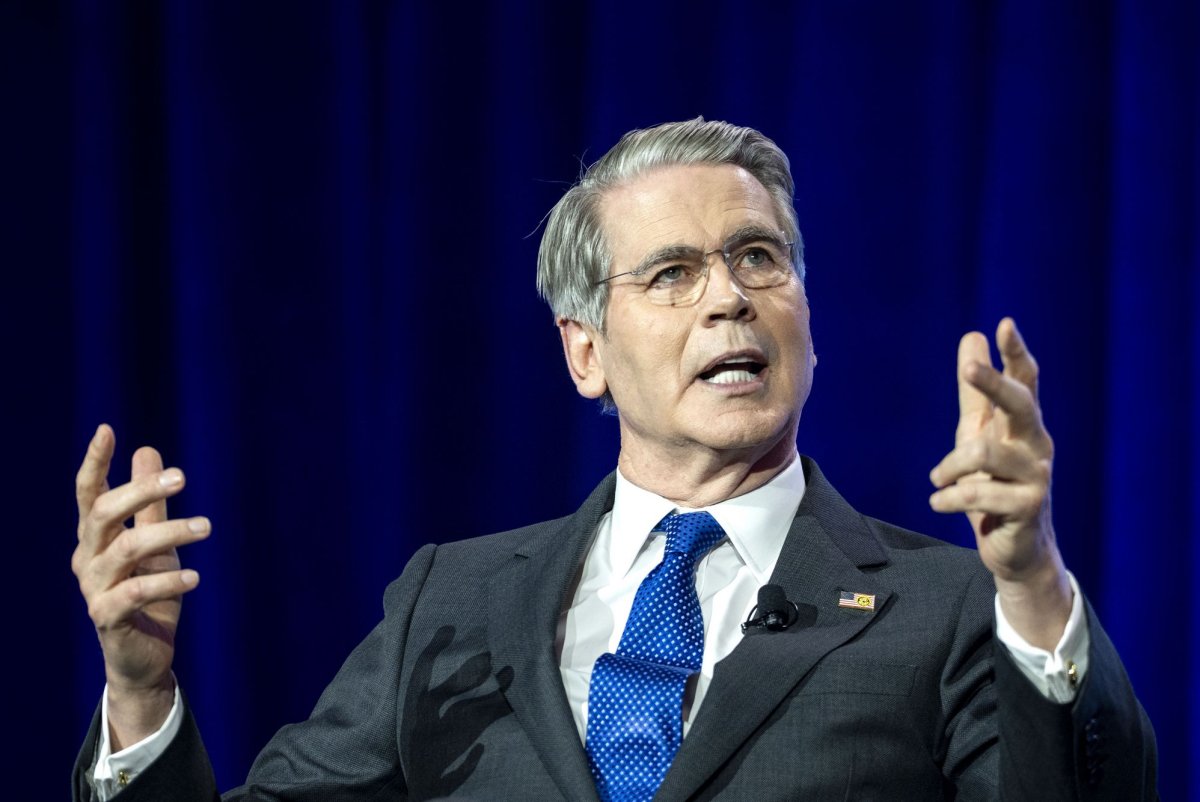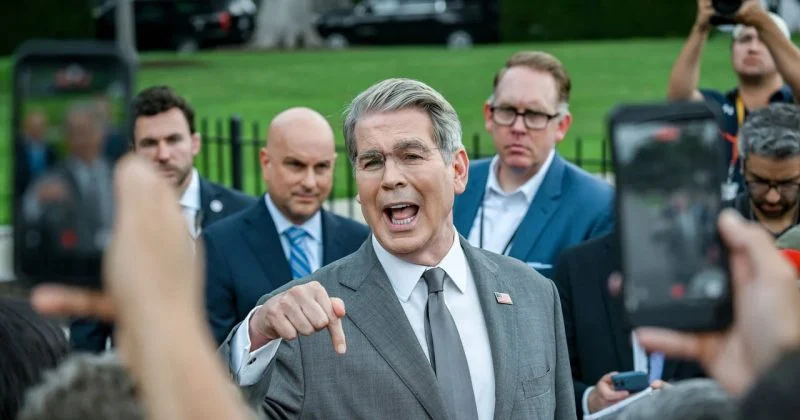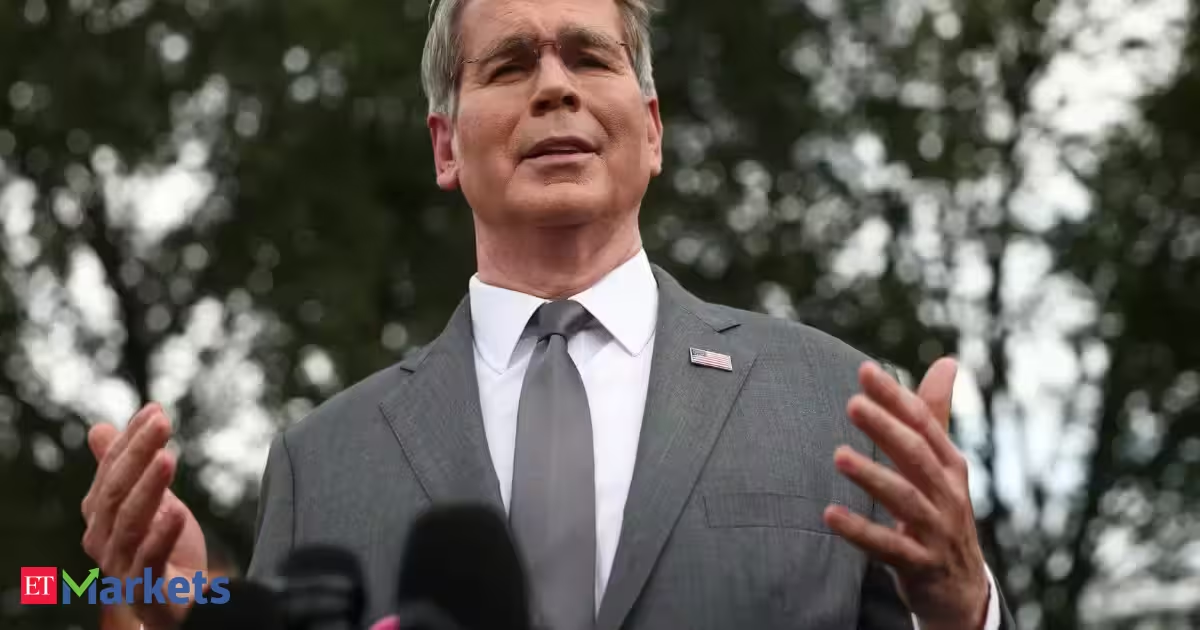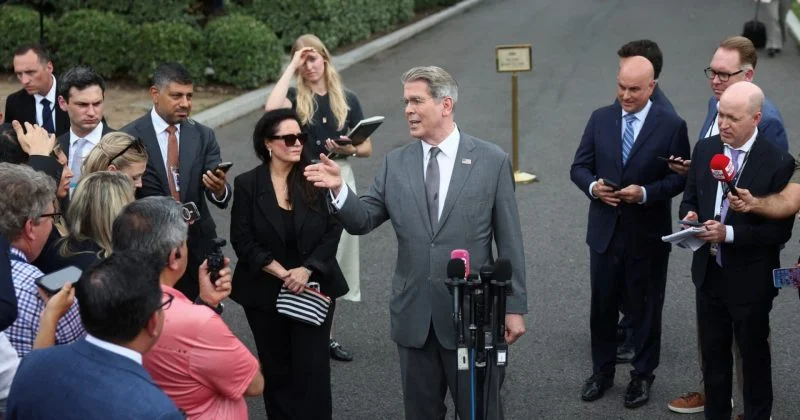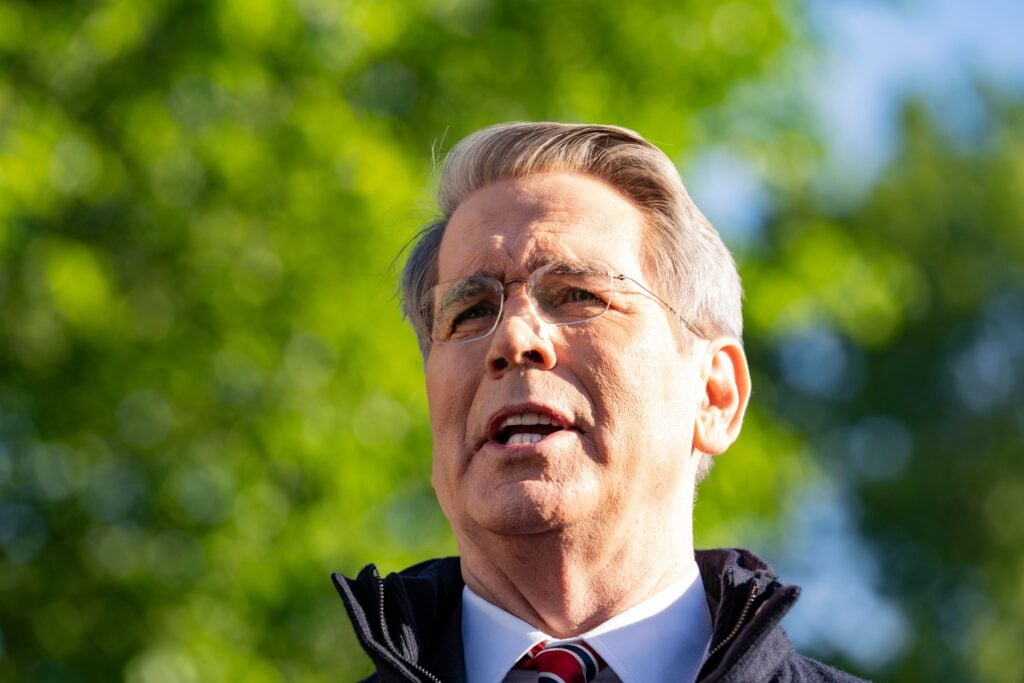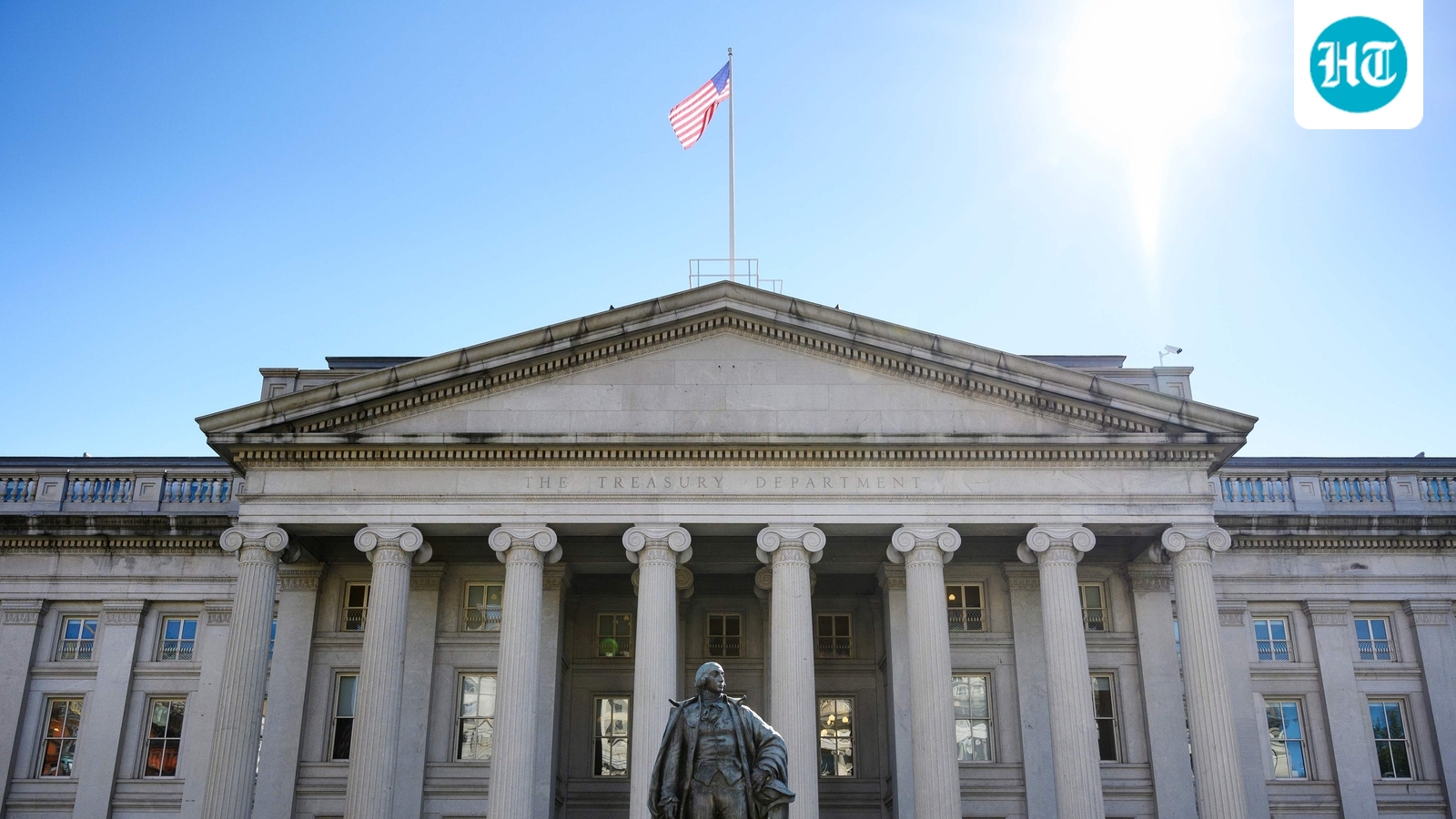
Treasury Secretary Scott Bessent moved on August 19 to at least double Treasury's buybacks of long-dated government bonds. The purchases will be paid for by new borrowing.
Treasury Is Buying Its Own Bonds. Where Is The Money Coming From?
By James Broughel
On August 19, the Treasury Department announced that it will at least double the size of its “liquidity support” buybacks of long-dated government bonds. The maximum size of each operation rises from $2 billion to at least $4 billion, while the purchases target securities with 10 to 30 years left to maturity. The larger operations run from September 9 through November 4. The announcement landed in a jittery market. The 30-year Treasury yield reached 5.31 percent on August 17, a level last seen in 2007, and it fell to 5.19 percent the day of Treasury Secretary Scott Bessent’s announcement.
Most of the coverage so far has focused on the politics. A Treasury secretary visibly leaning against long-term interest rates puts pressure on Kevin Warsh, who was sworn in as Federal Reserve chair in May and gives his first Jackson Hole speech at the Kansas City Fed’s symposium, taking place on August 27 through 29. But the politics rests on an economic question the coverage has mostly skipped. When the government buys back its own bonds, where does the money come from?