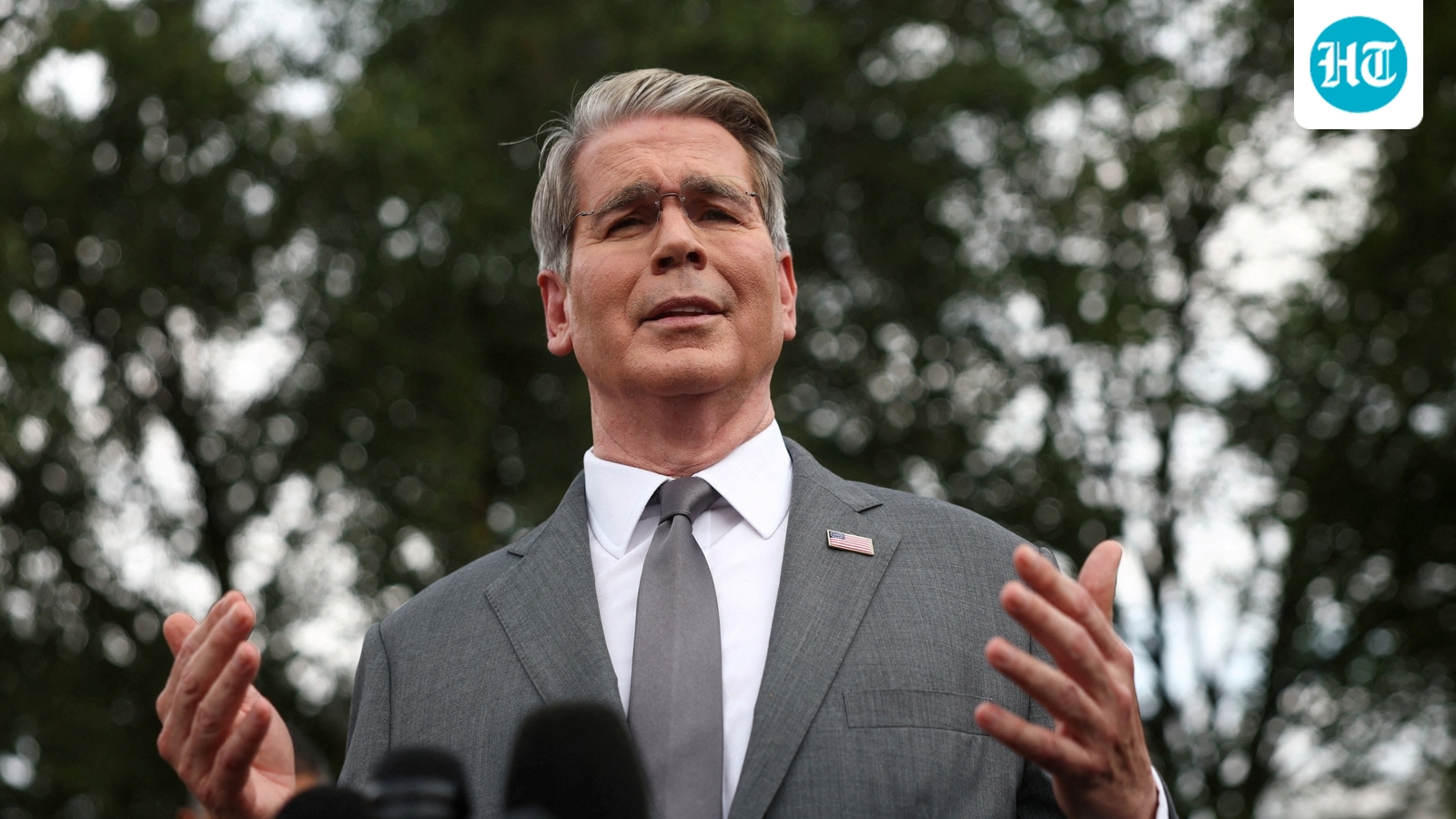
Scott Bessent just pulled the biggest lever available to a Treasury secretary who doesn’t want to wait around for the Fed. On August 19-20, the Treasury announced it would double its buybacks of 10- to 30-year Treasuries to at least $4 billion per operation, up from $2 billion previously. The expanded sessions are set to run from September 9 through November 4.
The timing wasn’t subtle. Thirty-year Treasury yields had climbed to 5.27-5.29%, their highest level in 19 years. At that altitude, borrowing costs for the US government, for corporations, and for anyone with a mortgage start to become genuinely painful.
The mechanics of a modern twist
What Bessent is attempting resembles what bond market veterans call a “twist,” a strategy where the government buys long-dated bonds to push down long-term yields while potentially issuing more short-term debt to fund the purchases. It’s a way to reshape the yield curve without printing new money or coordinating directly with the Federal Reserve.
The initial market reaction suggested it worked, at least for a moment. Long-end yields dropped by roughly 9-10 basis points after the announcement. The US dollar weakened. The 30-year Treasury-swaps spread tightened, a technical signal that supply pressure on long bonds was easing.