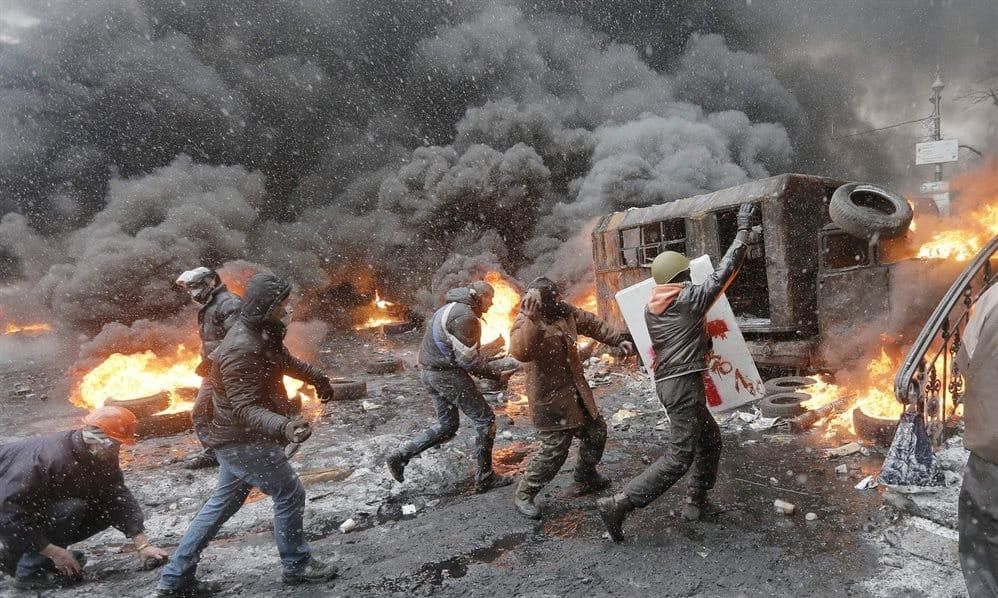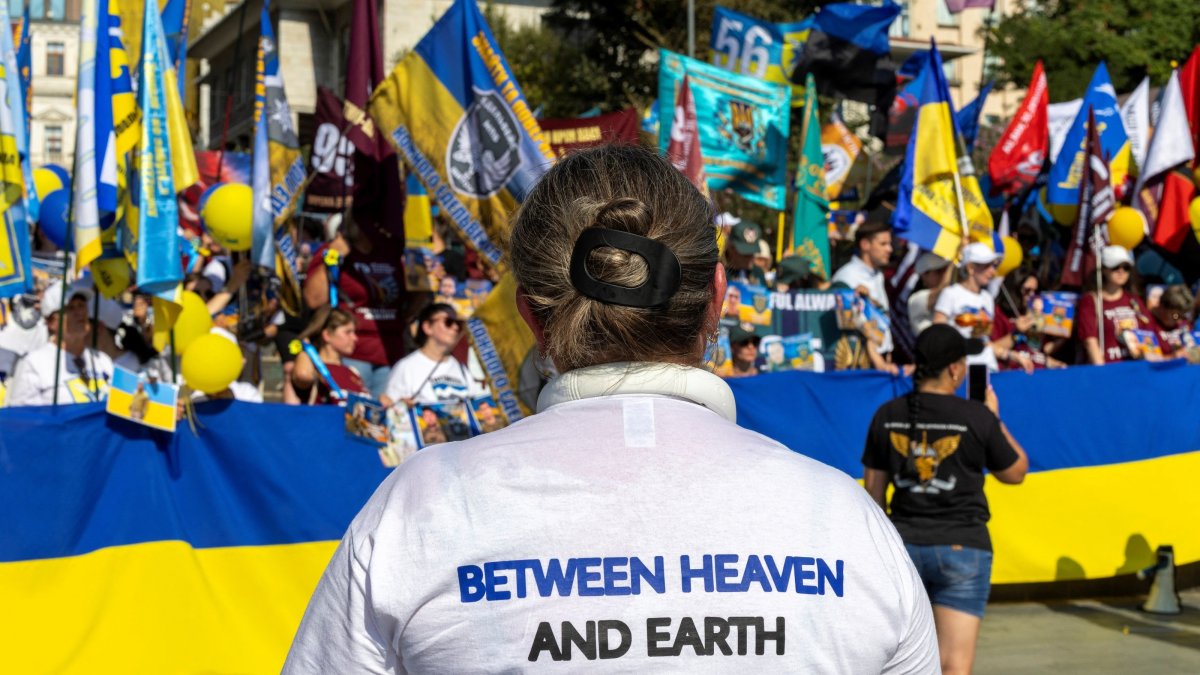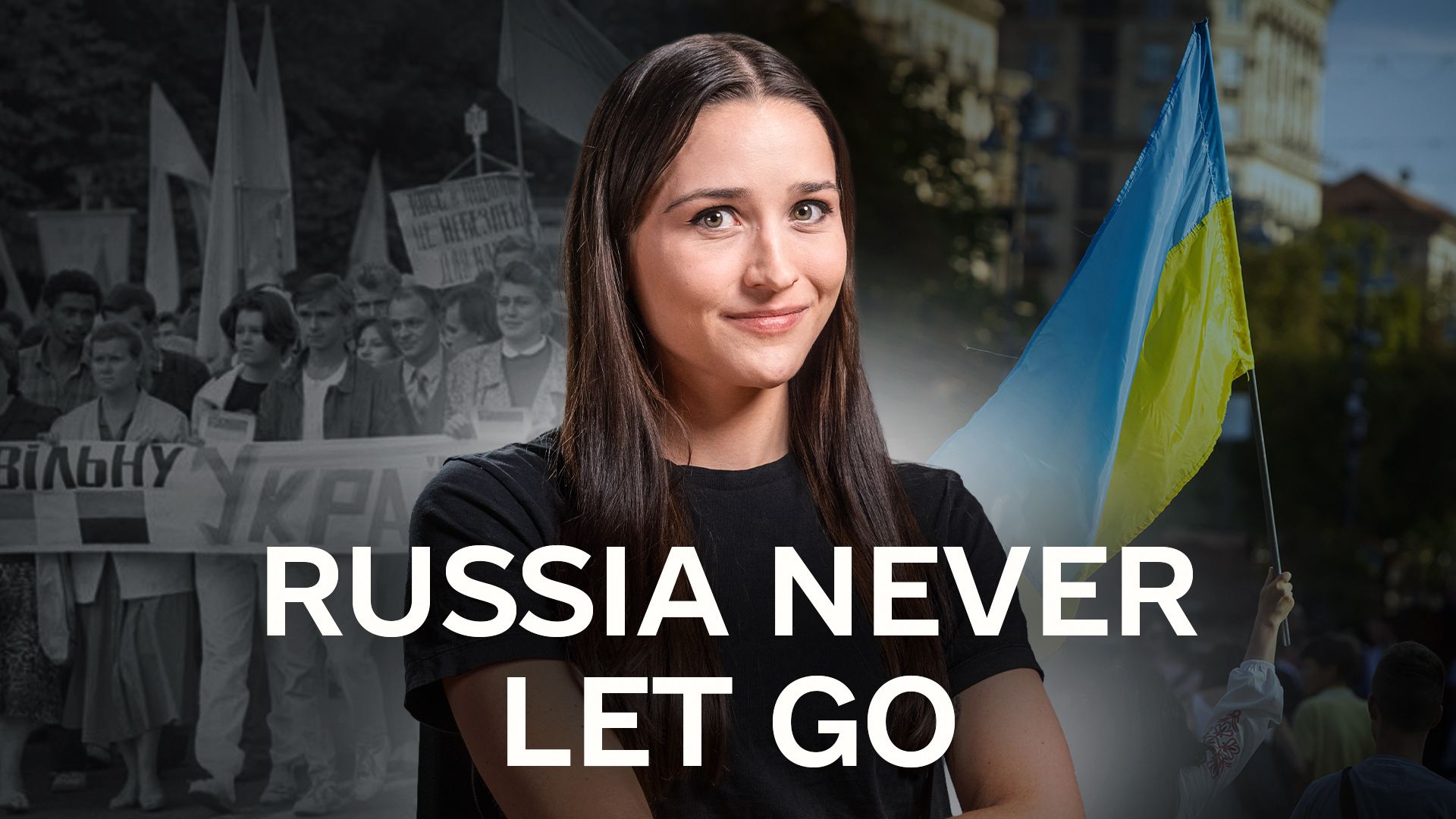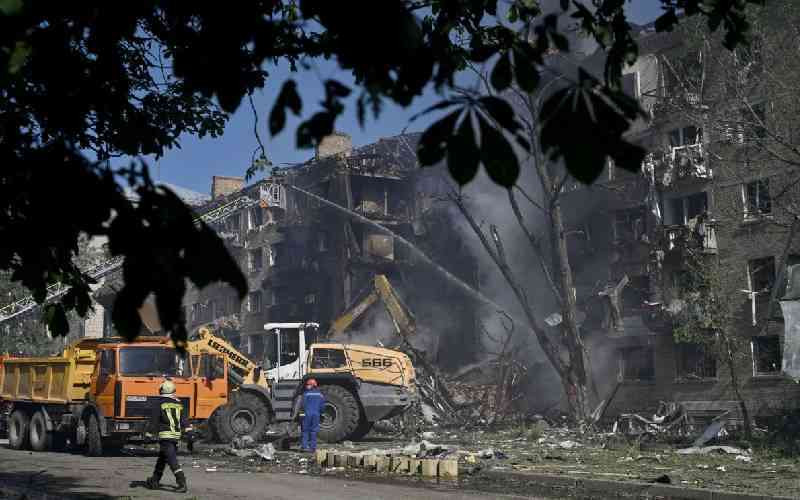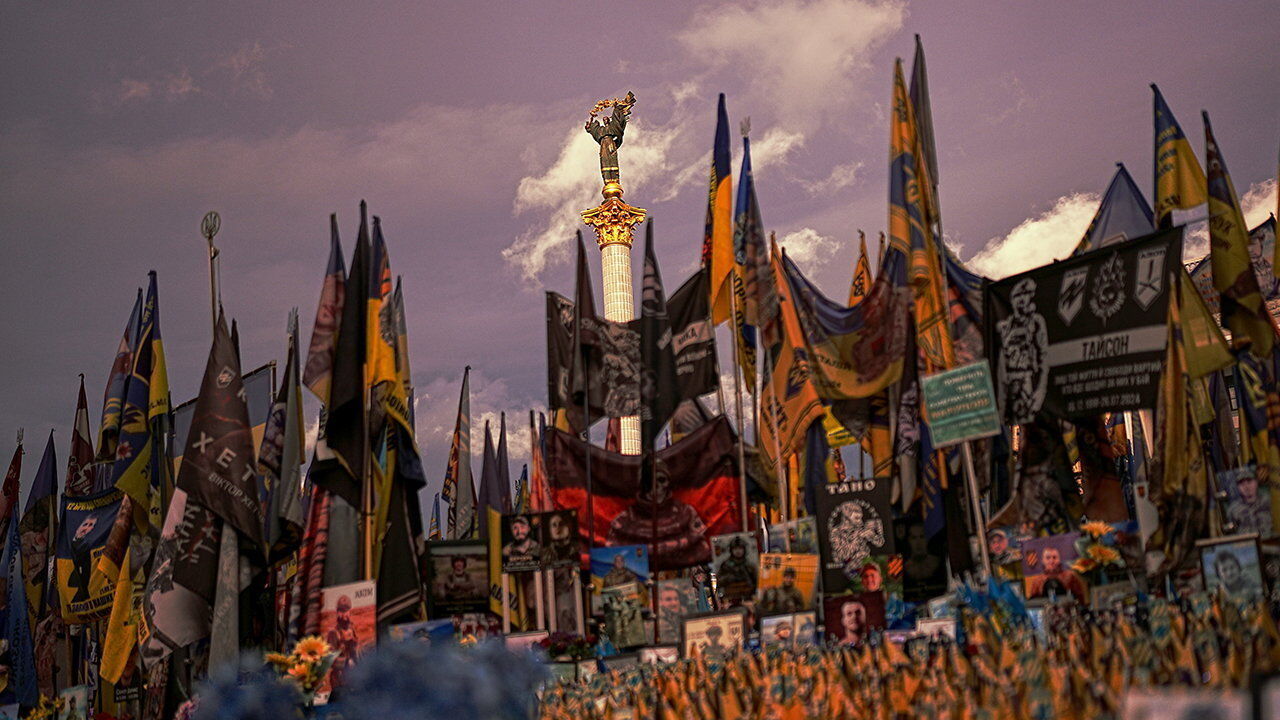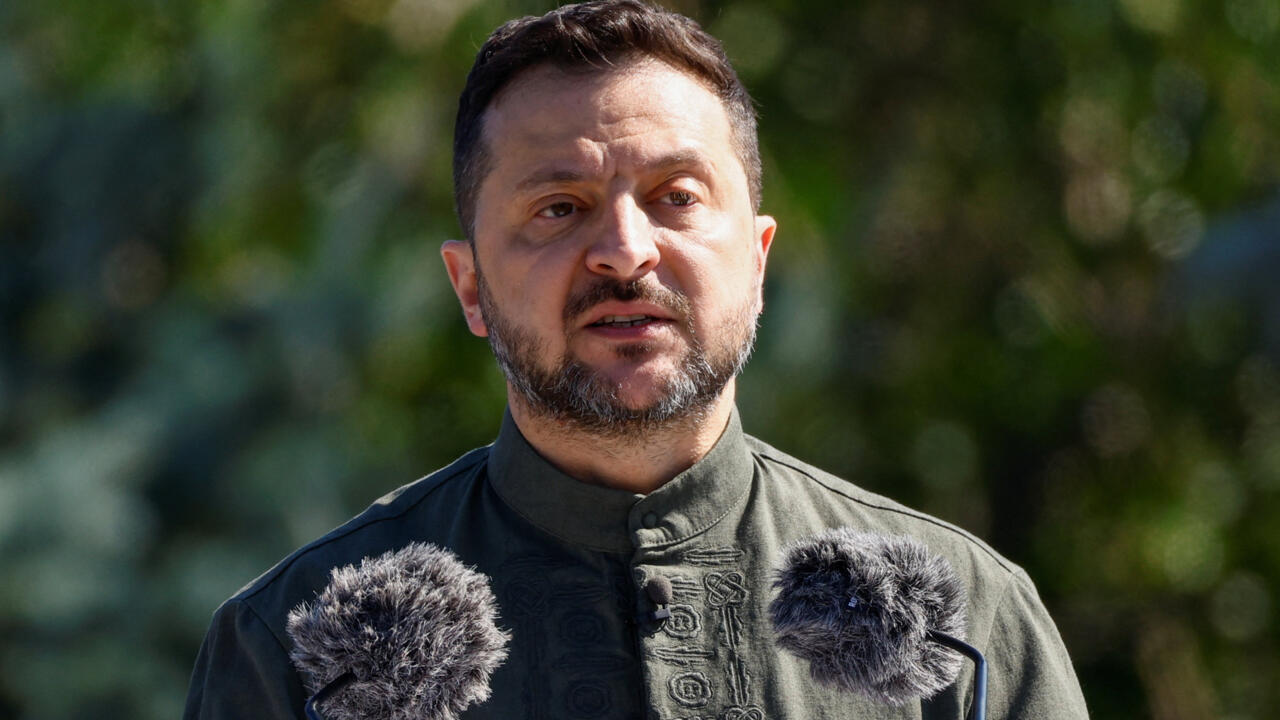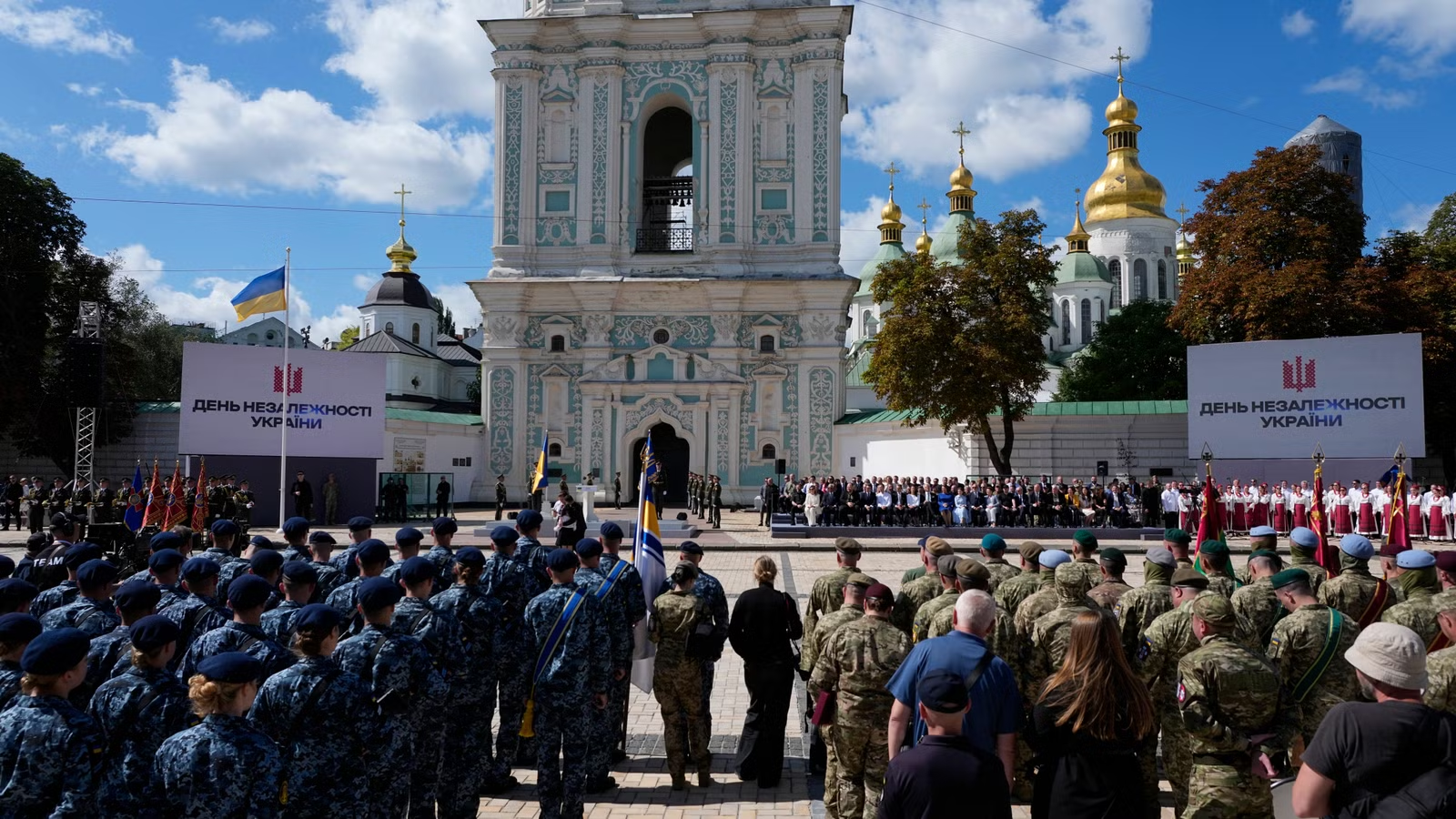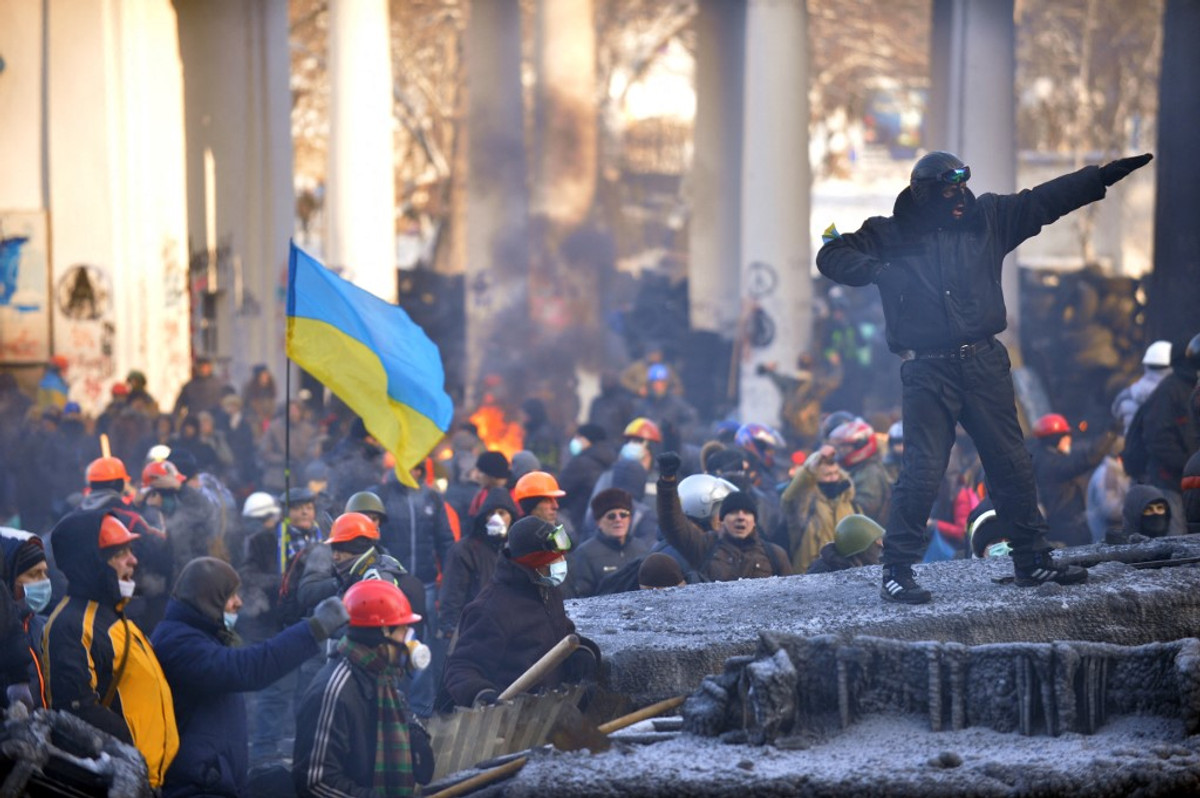
On the 35th anniversary of Ukraine’s modern independence, Kyiv Post is launching a mini-series on one of statehood’s defining achievements: the emergence of a free, resilient Ukrainian media. It will examine how Ukraine’s free press emerged from censorship, survived political and oligarchic pressure, and became a pillar of national resilience – especially as the country defends both its territory and its democratic voice against Russia’s war.JOIN US ON TELEGRAMFollow our coverage of the war on the @Kyivpost_official. Let’s recall that Ukraine’s declaration of independence on Aug. 24, 1991, did more than redraw Europe’s map. It opened public space for a society long denied the right to tell its own story. After generations of imperial censorship and Soviet control, Ukrainians began building not only democratic institutions, but also the habits of open debate, scrutiny and civic trust. The development of a free press is therefore central to Ukraine’s independence story. From late-Soviet glasnost and the first uncensored publications, through the chaotic 1990s, oligarchic pressure, investigative journalism, the Orange Revolution, the Revolution of Dignity and Russia’s full-scale war, Ukrainian media have both reflected and shaped the country’s struggle to become itself. Ukraine’s independence has had to be defended in parliament, on the streets, in newsrooms, on the battlefield, and abroad. A free press has exposed corruption, challenged authoritarian habits, documented Russian aggression, countered disinformation, and preserved public memory.
EXPLAINER: Ukraine’s Free Media at 35 – What You Need to Know
A curtain-raiser announcement from Kyiv Post’s Chief Editor.
554 words~3 min read