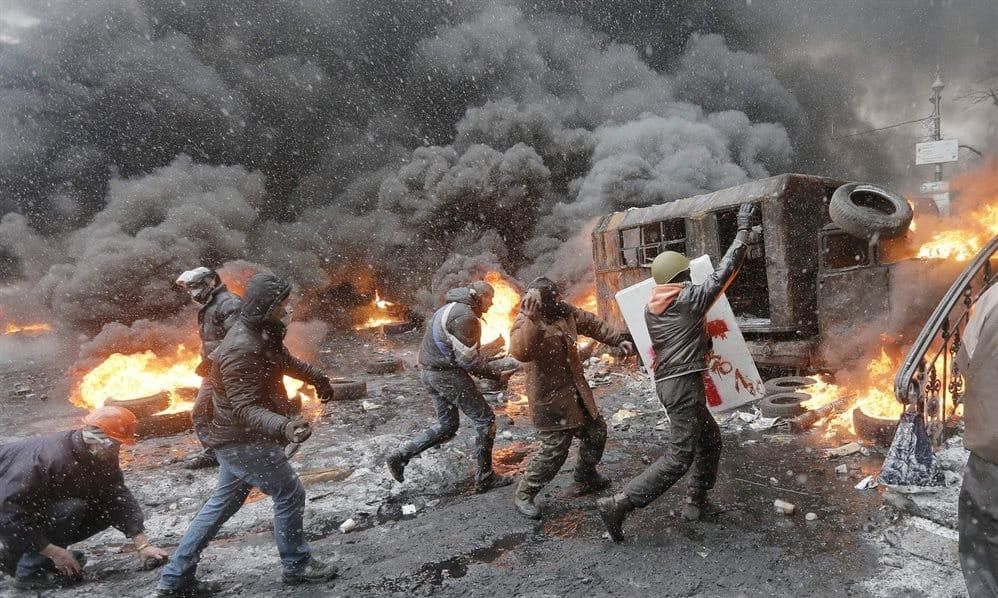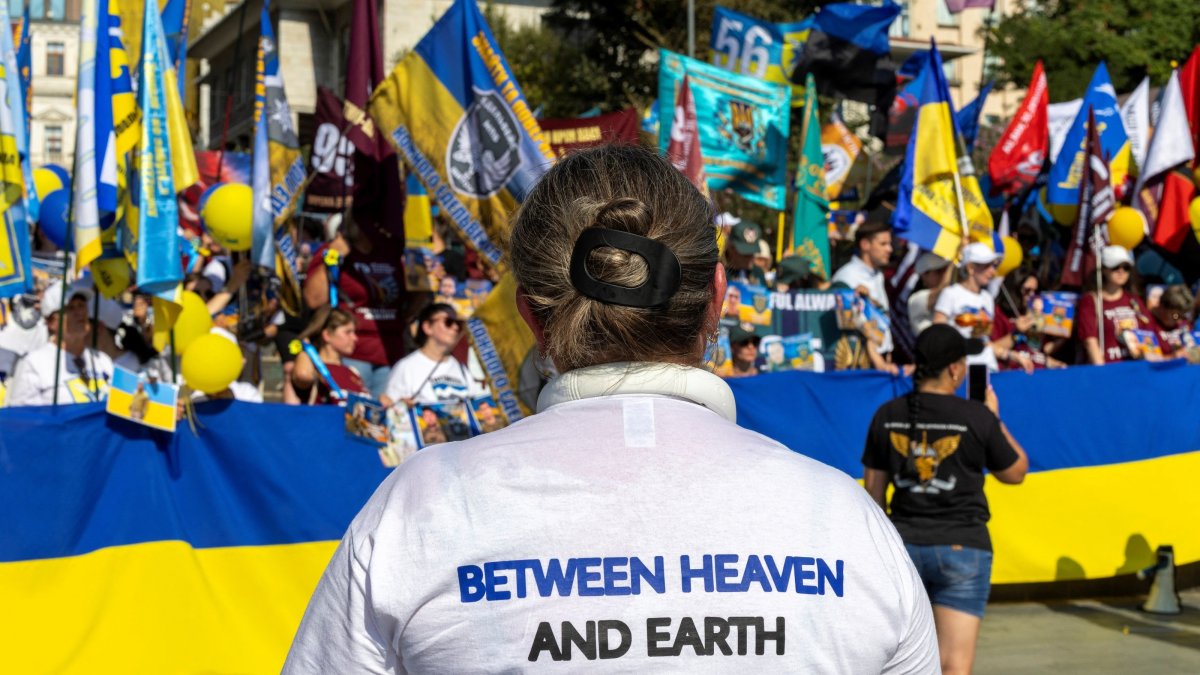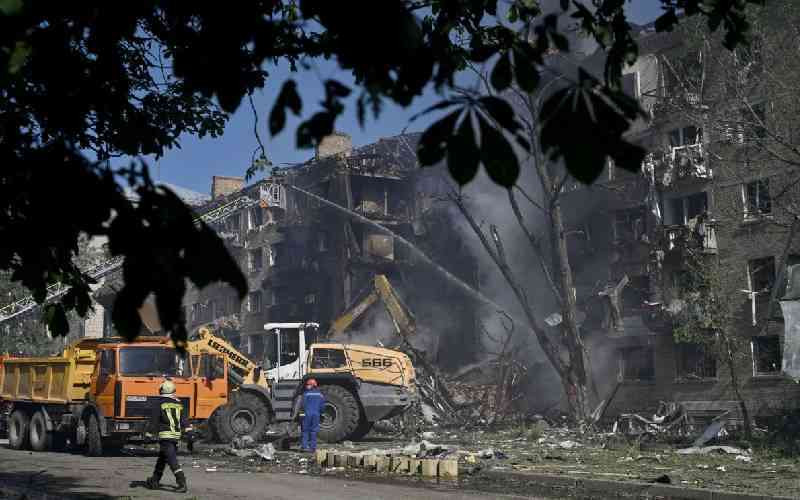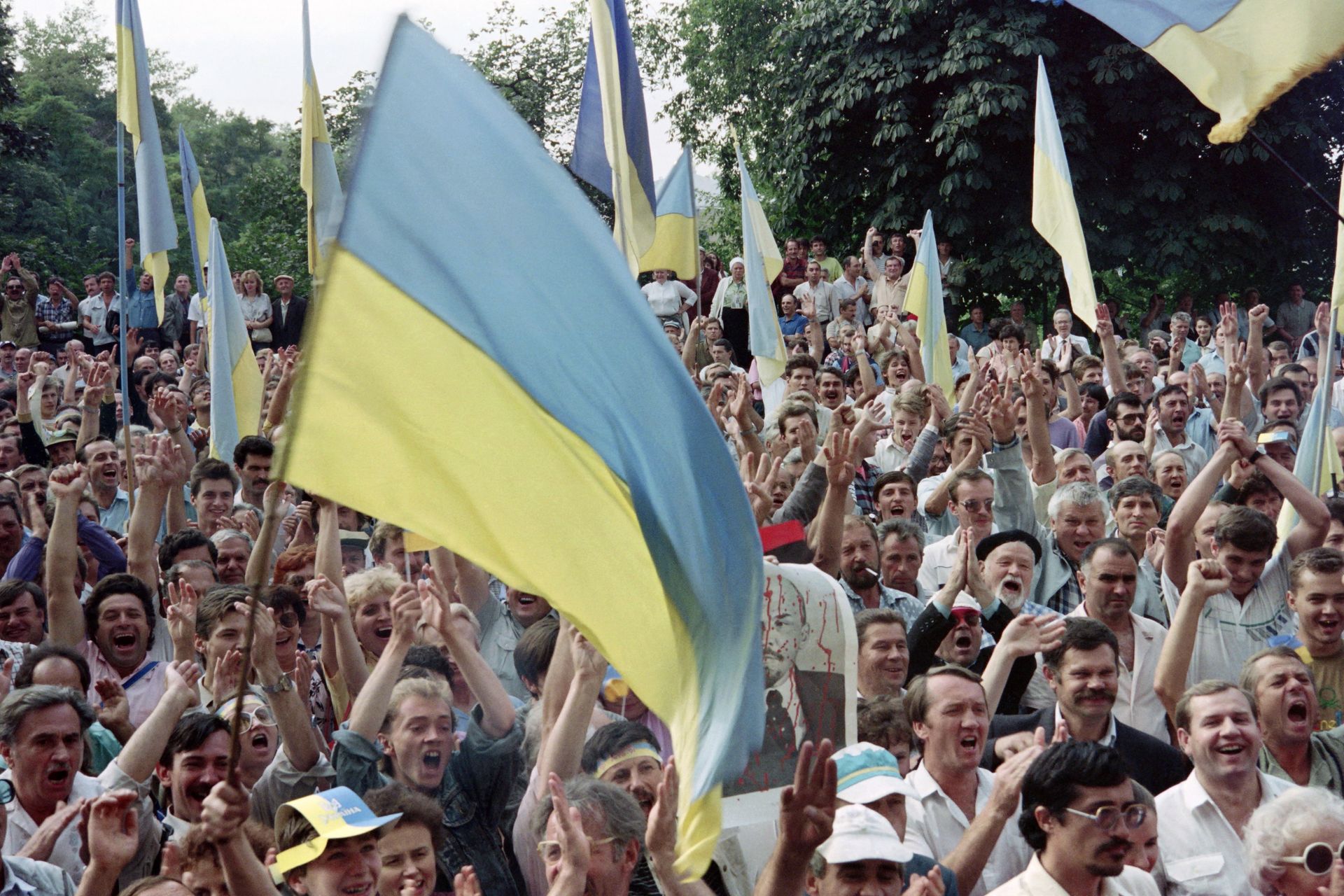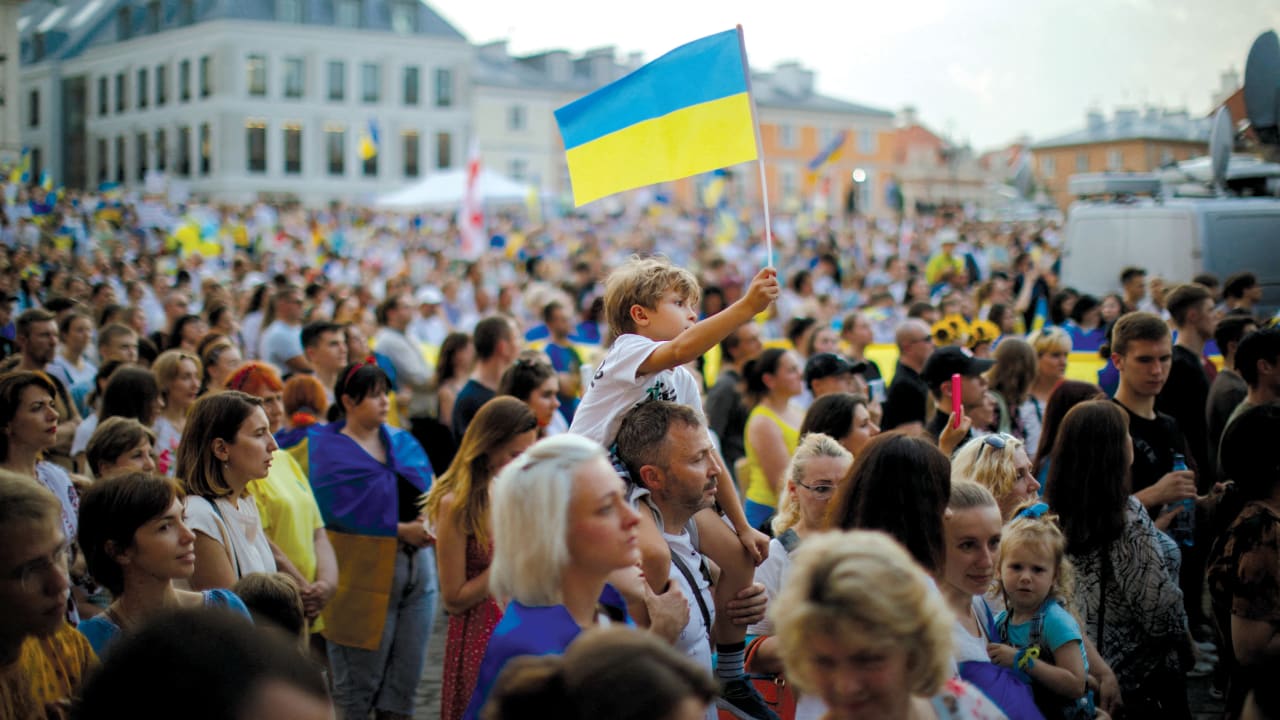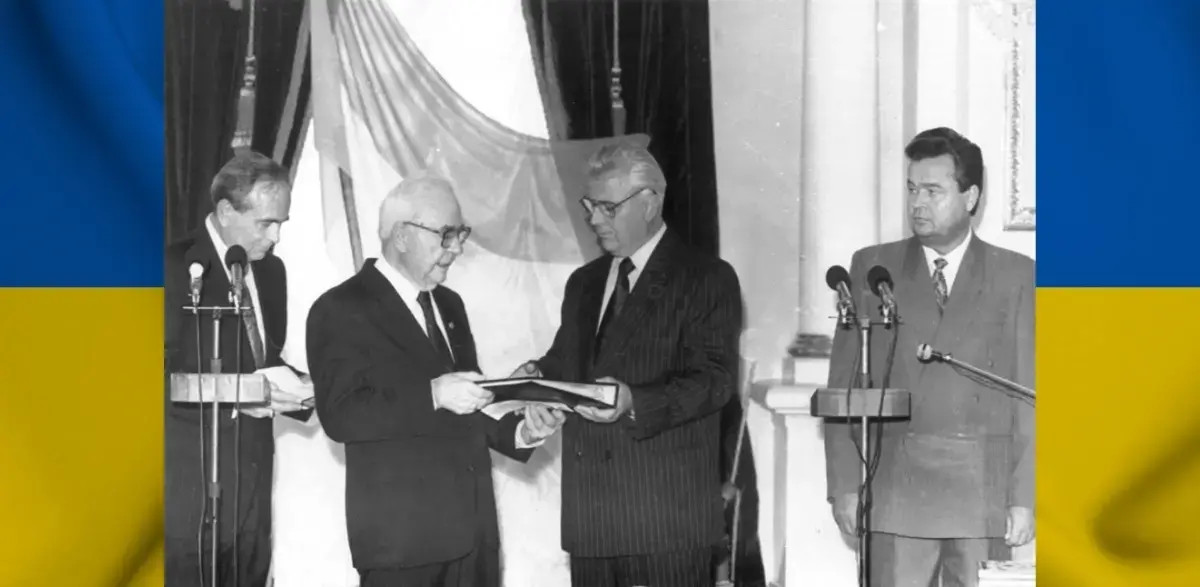
When Ukraine declared independence in 1991, the world gained a new state. Thirty-five years later, it is clear that independent Ukraine was not just a byproduct of the Soviet collapse – it was forged out of a long fight over who was ultimately able to define the country: empire, elites, or its own citizens. And the fight is far from finished. Ukraine’s independence was approved by parliament on Aug. 24, 1991 after a failed Soviet coup, and confirmed by an overwhelming nationwide referendum on Dec. 1, 1991. The US recognized Ukraine’s independence on Dec. 25, 1991, as the Soviet Union dissolved.JOIN US ON TELEGRAMFollow our coverage of the war on the @Kyivpost_official. But independence did not immediately create a finished state. It opened a harder question that Ukrainians have answered again and again: what kind of country was independence supposed to build? Over the subsequent three and a half decades, Ukraine moved through economic collapse, oligarchic rule, democratic uprisings, Russian pressure, cultural revival, war, occupation, and full-scale invasion. It hasn’t moved in a straight line, more a cycle of civic awakenings, setbacks and renewal, with the country forced repeatedly to defend the same choice in different forms. As one analysis of Ukraine’s post-Soviet development argues, the country’s path has often resembled “two steps forward, one step back,” with civil society repeatedly returning to the unfinished democratic agenda of independence.
How Ukraine’s Revolutions, War and Culture Forged a Nation the World Could No Longer Ignore
For Ukraine's 35th Independence Day, Kyiv Post looks at the revolutions, wars, culture and sacrifice that shaped modern Ukrainian statehood.
2,206 words~10 min read