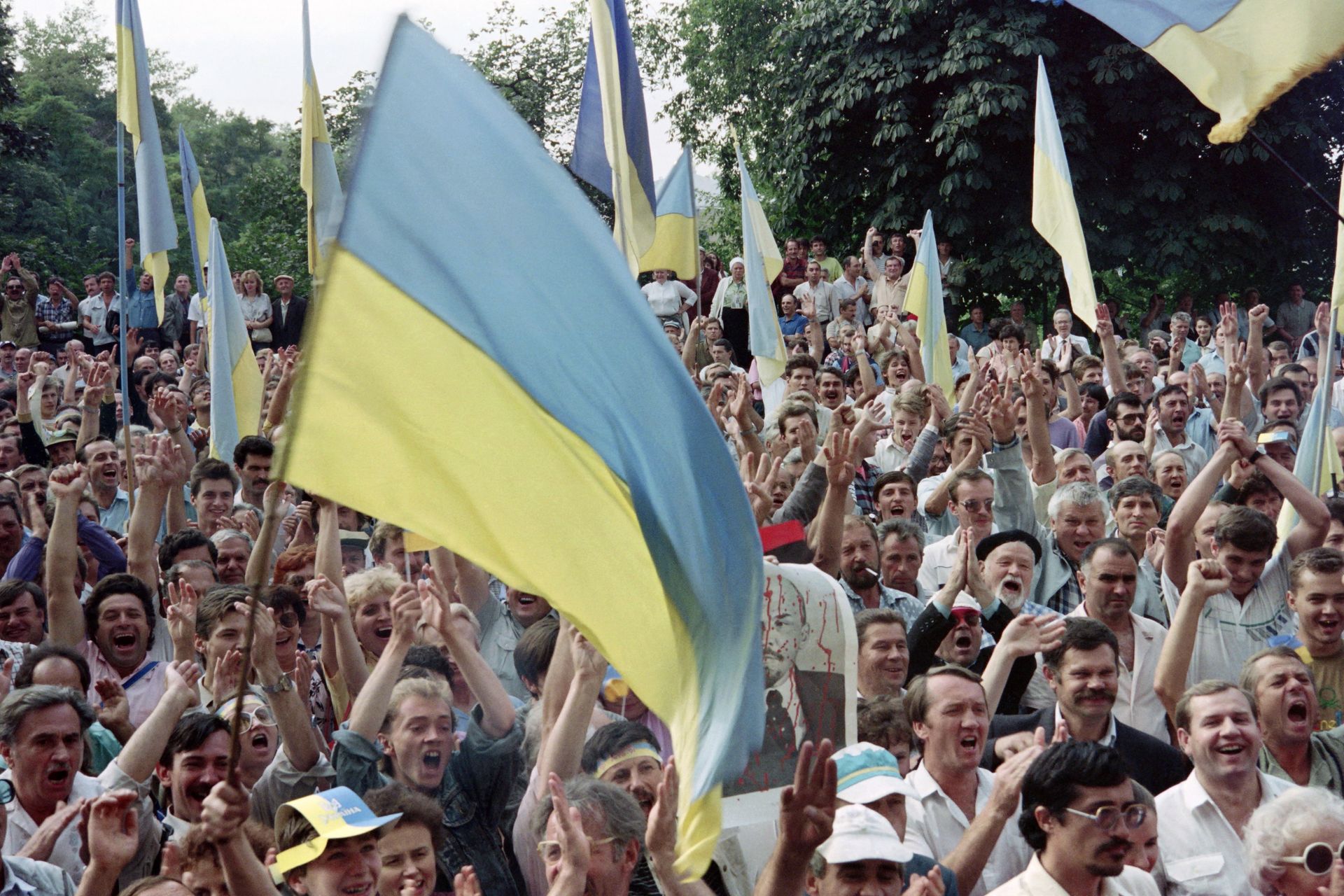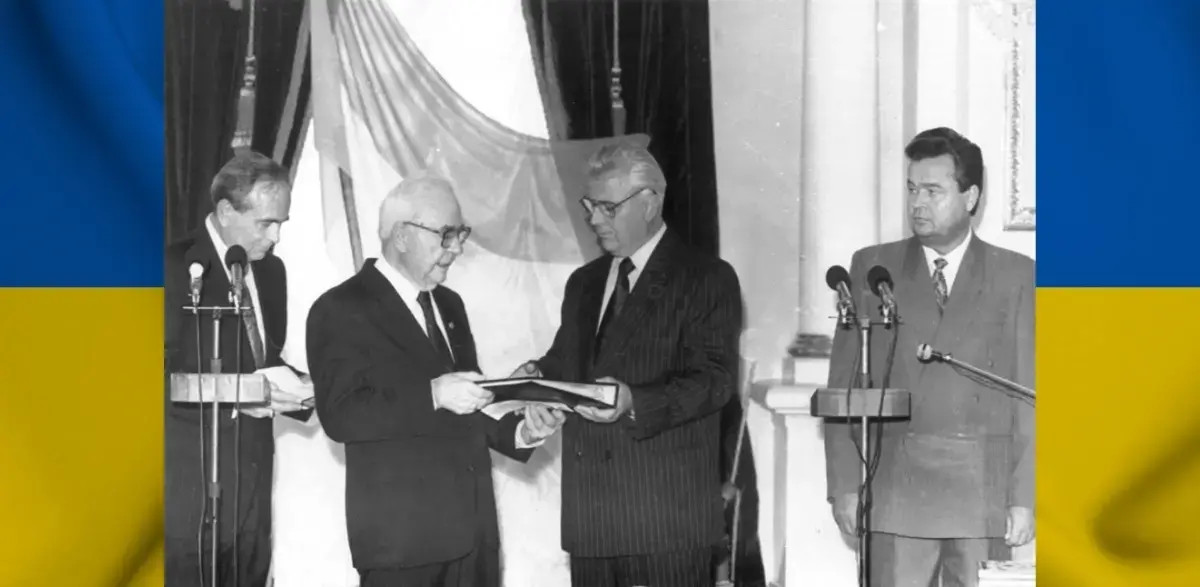
On Aug. 24, 1991, the Verkhovna Rada adopted the Act of Declaration of Independence of Ukraine, a decision overwhelmingly ratified months later by more than 90% of voters across every oblast. To treat this breakthrough as a modern fluke, however, is to miss the deeper reality: independence restored political and cultural sovereignty rooted in Kyivan Rus, the Zaporozhian Sich and the Ukrainian People’s Republic of 1918. Three and a half decades later, Ukraine’s development can be assessed not only through its crises but also through the institutional, civic, cultural and social changes that have taken place since independence. The record is uneven, but it includes important achievements: competitive politics, an active civil society, renewed cultural confidence and the consolidation of a broader national identity.JOIN US ON TELEGRAMFollow our coverage of the war on the @Kyivpost_official. Ukraine is often examined through the lens of corruption, flawed governance, and incomplete reform. Those problems remain part of the record. A balanced assessment, however, should also take account of what has been built: a resilient society, a democratic civic culture, a distinct modern identity and a state that has continued to function under severe pressure. Laying the Foundations (1991–1996) The foundational moment of modern independent Ukraine was the clarity of its inception. On Dec. 1, 1991, voters across the country overwhelmingly endorsed independence in a national referendum. The result gave the new state a clear democratic mandate and helped bring the Soviet Union to a peaceful end.
Independent Ukraine at 35: How the Country Built a State Under Pressure
An examination of Ukraine’s first 35 years of modern independence, the internal and external challenges it has faced, and its achievements as a state-building project.
1,462 words~7 min read