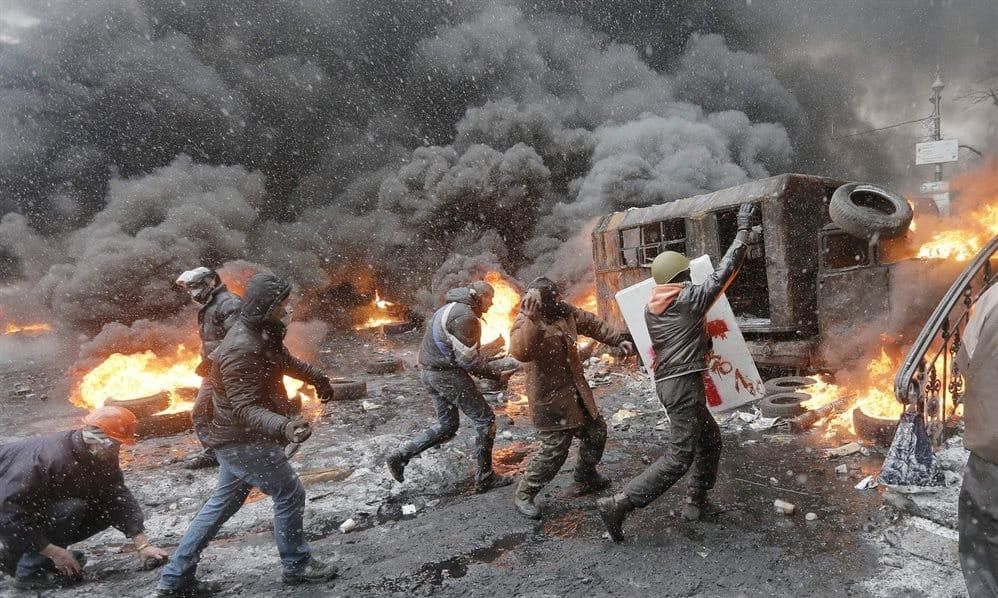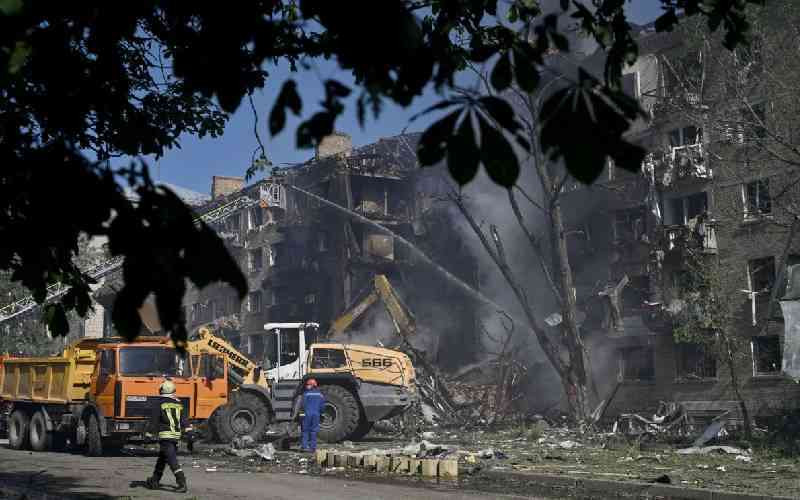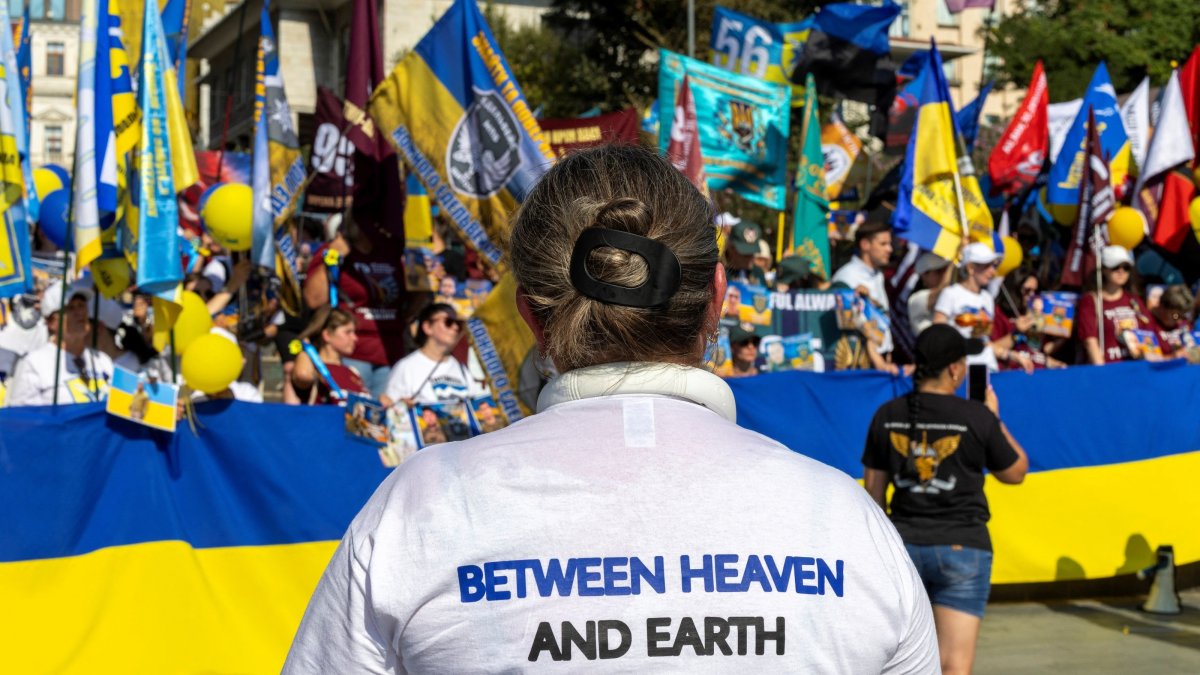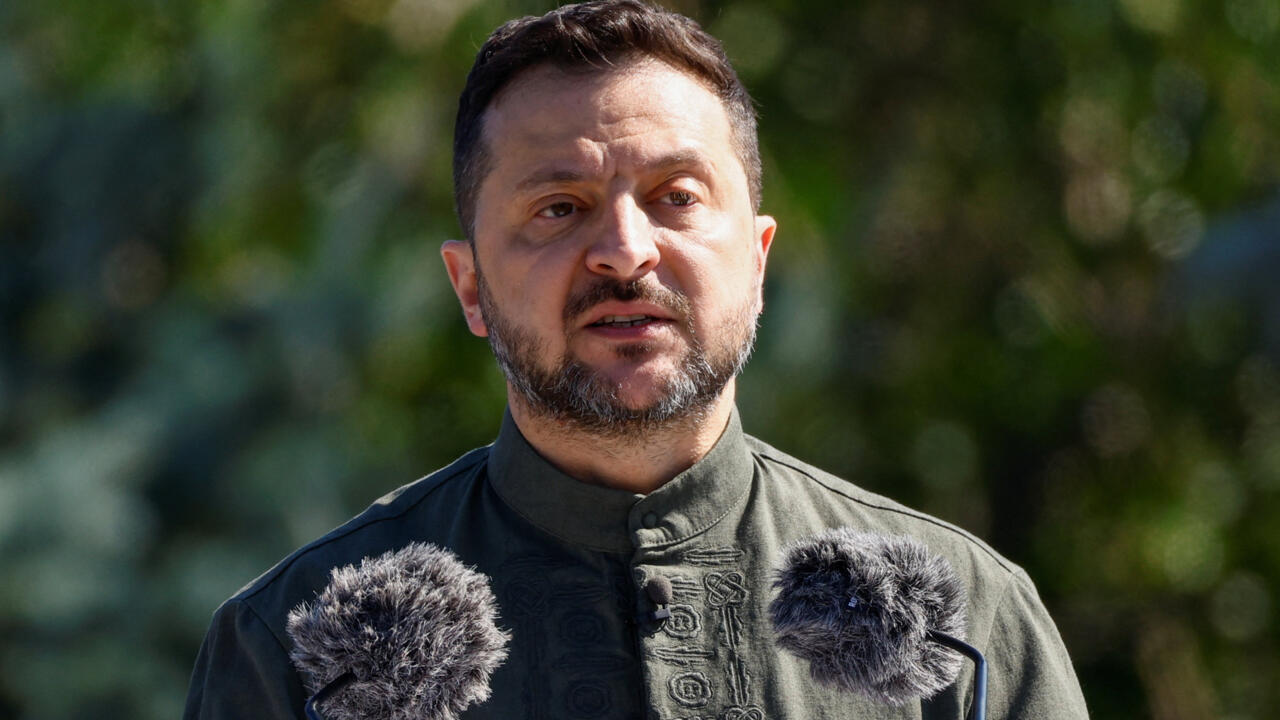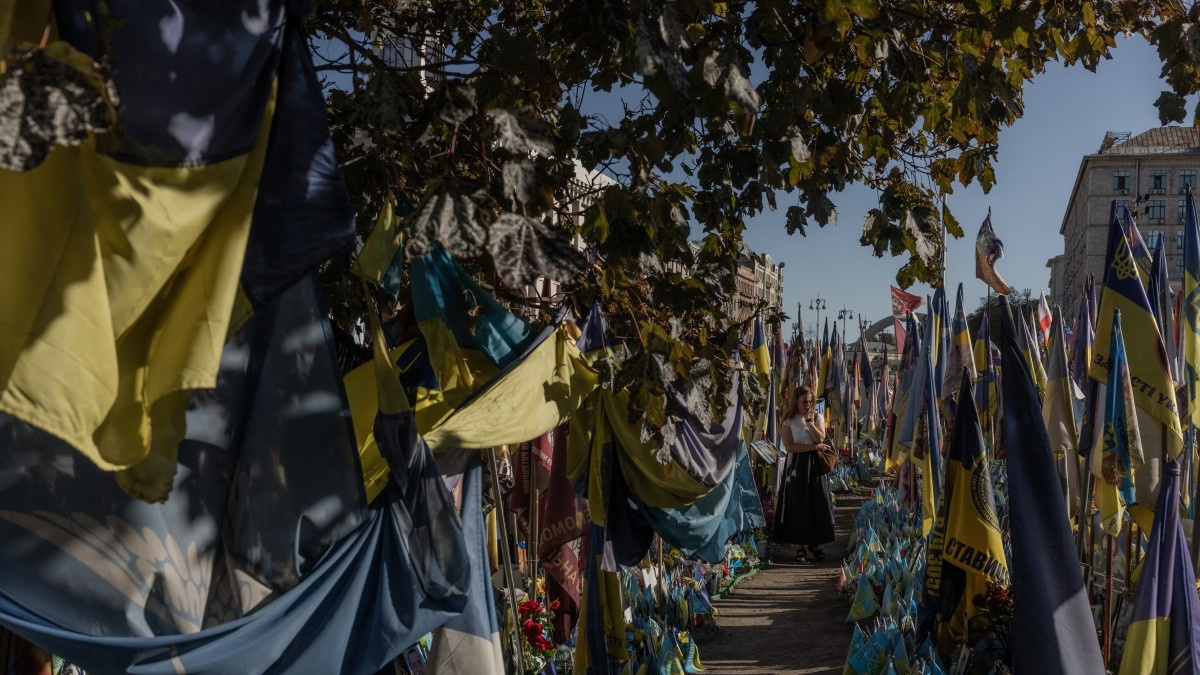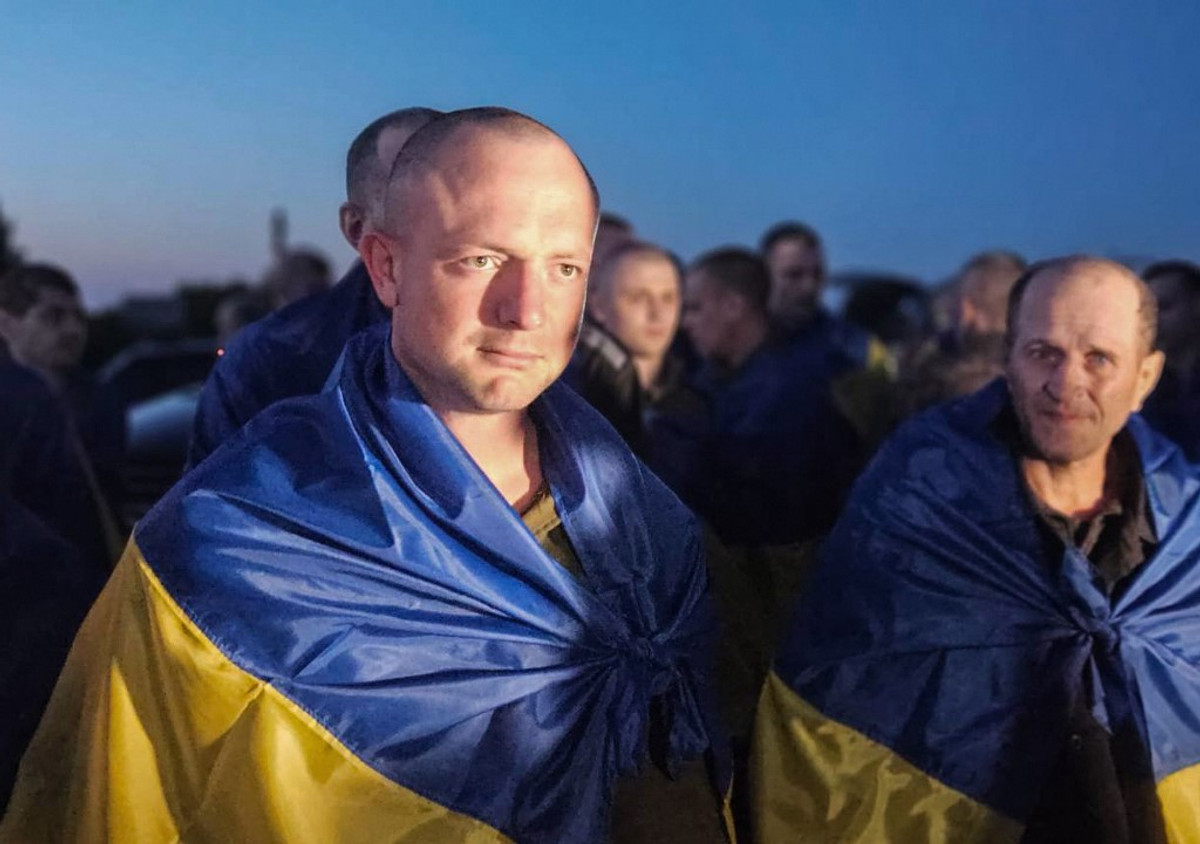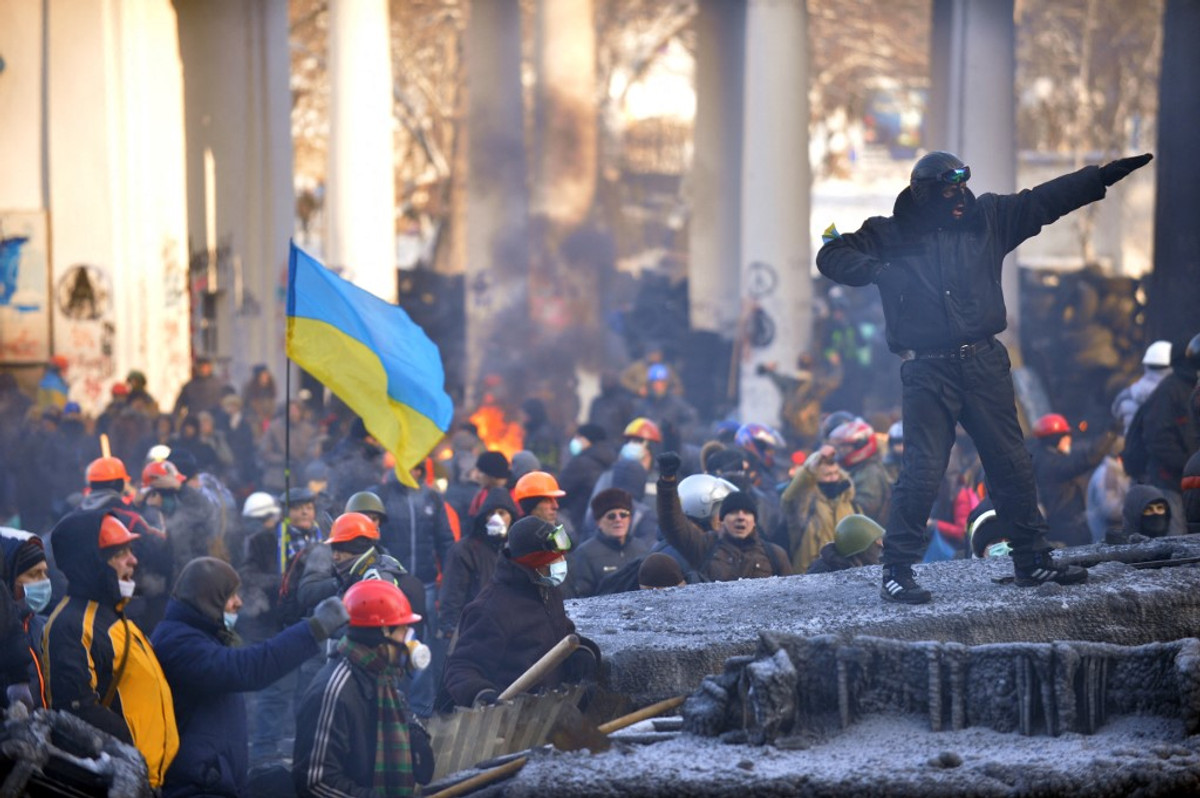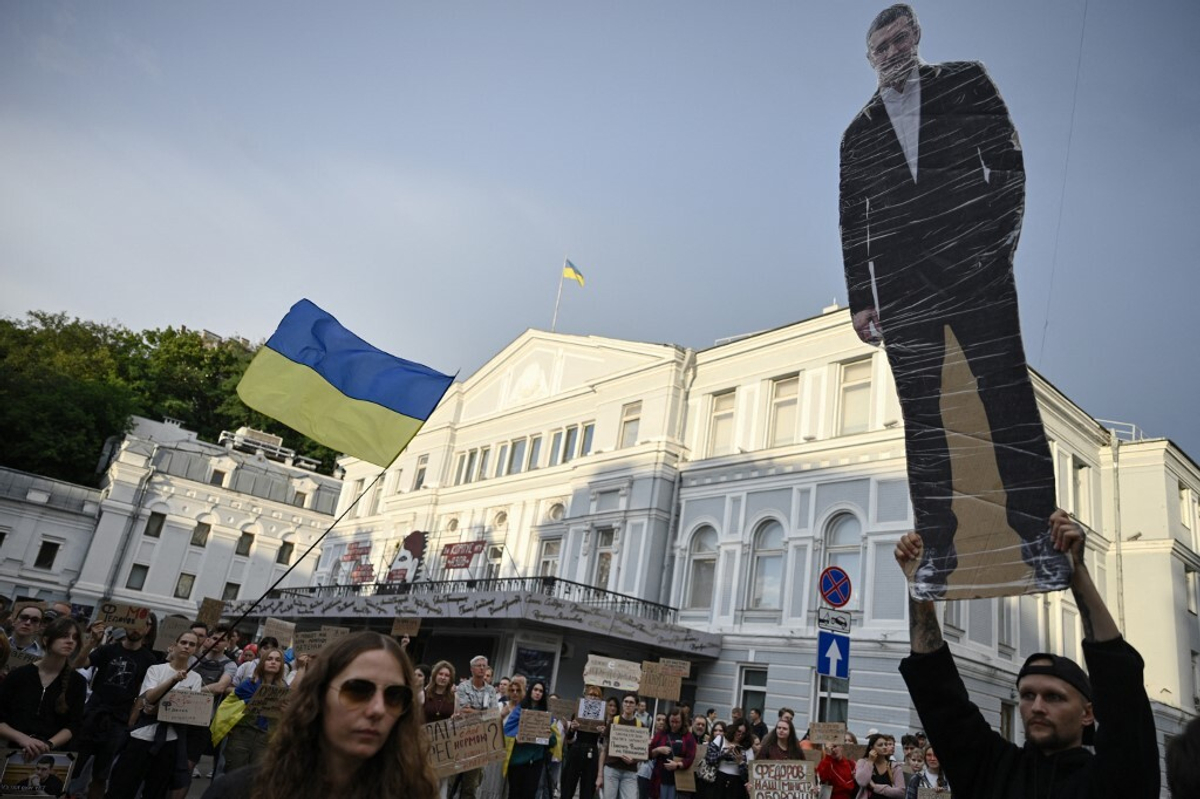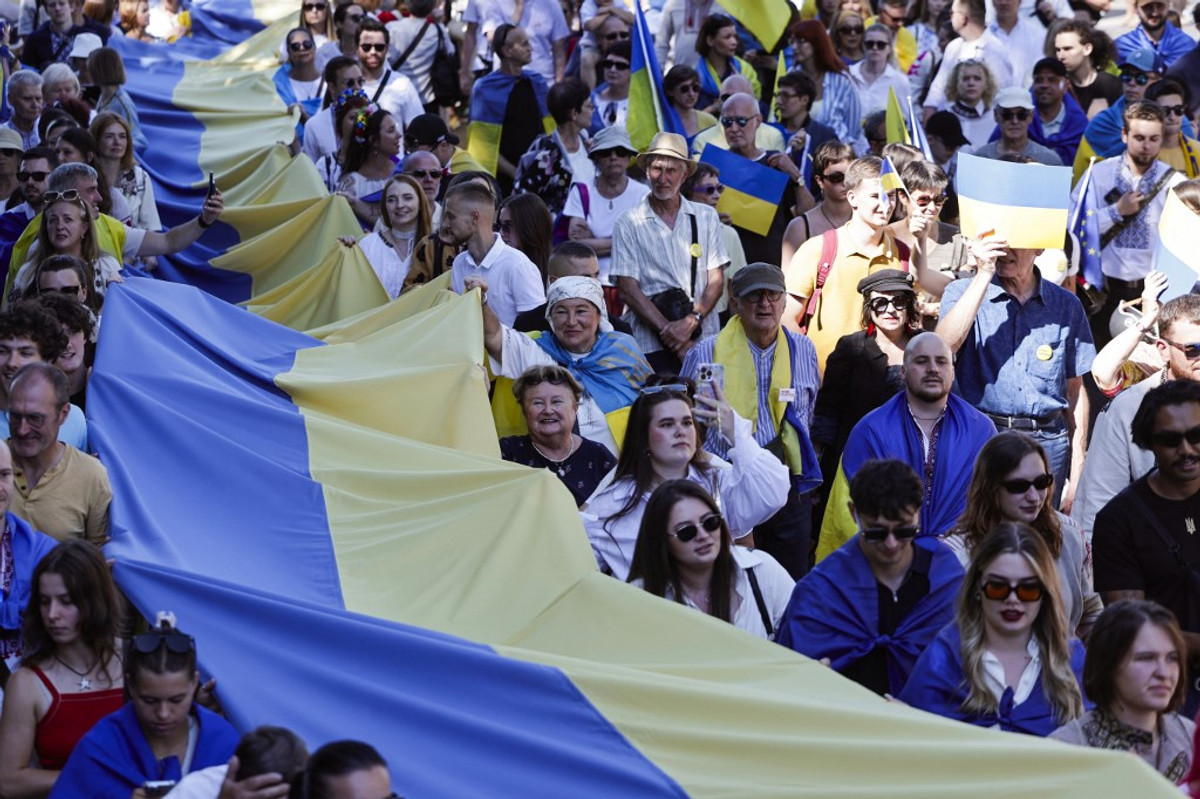
For more than three and a half decades, Ukrainian statehood has been forged under pressure: post-Soviet economic collapse, weak inexperienced institutions, oligarchic capture, political subversion, revolution, Russia’s first invasion in 2014, and the full-scale war launched in 2022. At this point, the most urgent task remains survival. But the anniversary is also raising a larger question: what kind of state, society and security order will Ukraine have to construct once the guns quiet?JOIN US ON TELEGRAMFollow our coverage of the war on the @Kyivpost_official. “Tens of thousands of men and women will return from the front with wounds that are physical, psychological, and moral.” Bohdan Nahaylo The first challenge is human rather than material. The war is already reordering family life, local communities, patterns of work, and public trust. Roads, bridges, homes, and power stations can be rebuilt; a traumatized society will need to heal more slowly and patiently. Millions of Ukrainians, many of them women and children, are still living abroad. Many have been internally displaced by the Russian occupation or shelling of their home areas. Their return and reintegration will depend less on appeals to patriotism than on practical confidence: safe towns, work, housing, schools, healthcare, and local authorities capable of delivering basic services effectively. If that confidence is absent, Ukraine will struggle with a depleted labor force, an ageing population, and a recovery weakened before it can gather momentum. The reintegration of veterans is already becoming an important national issue. Tens of thousands of men and women will return from the front with wounds that are physical, psychological, and moral. They will not just want gratitude; they will need a state that can provide treatment, retraining, employment pathways, and a meaningful civic role.
Ukraine at 35: Survival, Renewal and the Hard Road Ahead
As Ukraine celebrates the 35th anniversary of its independent statehood, the country stands at a crossroads between endurance and renewal.
1,486 words~7 min read