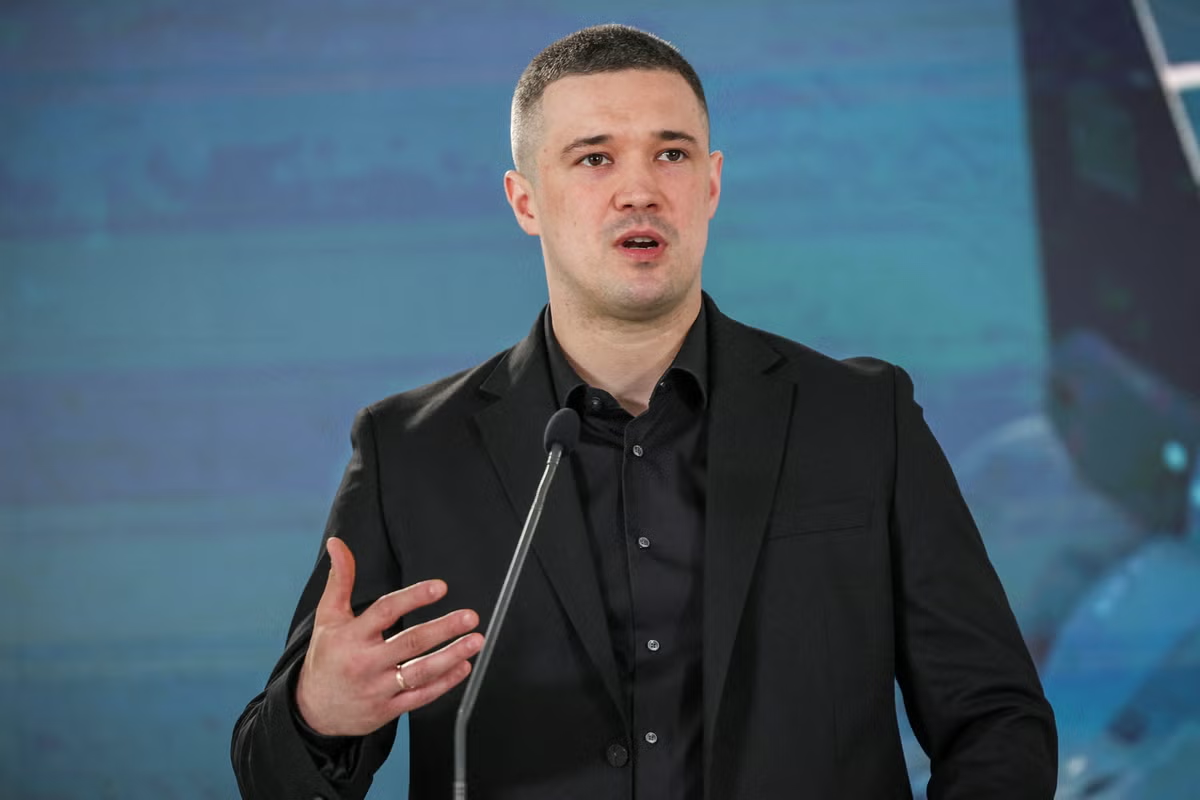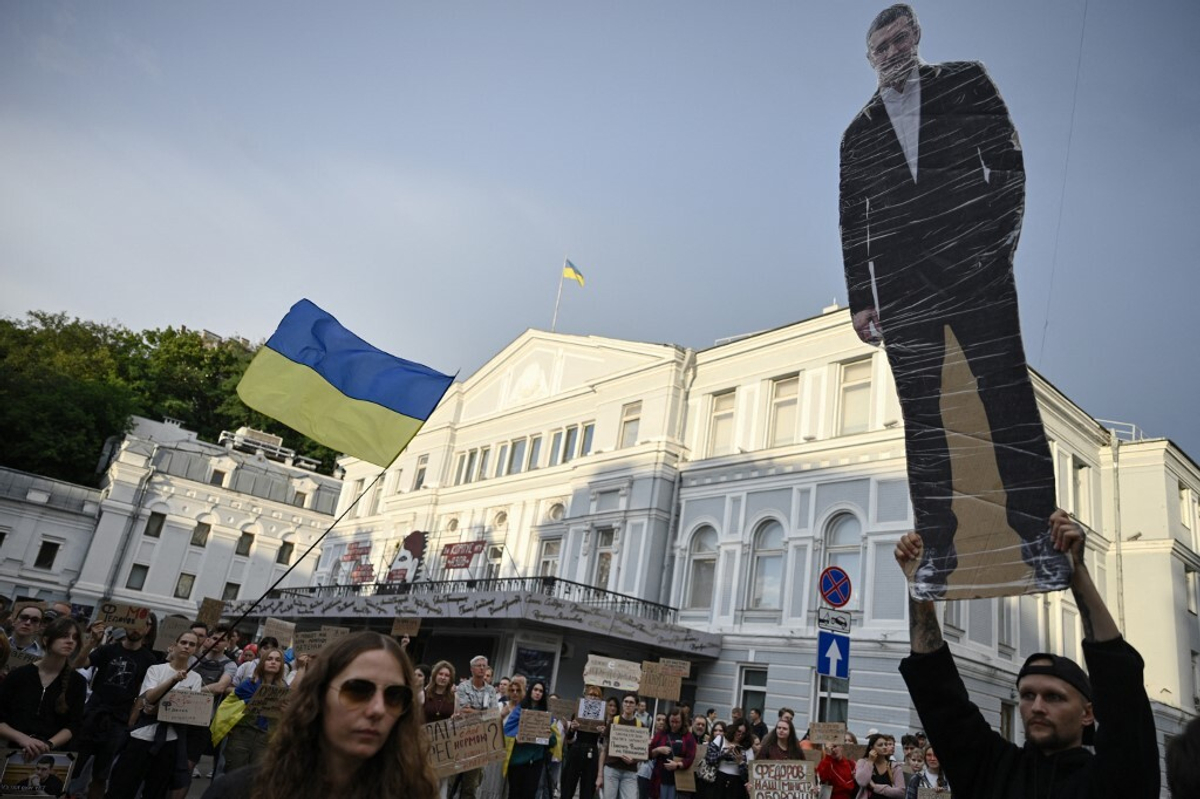
On the eve of Ukraine’s 35th independence anniversary on Aug. 24, there is much to admire. The country has shown remarkable wartime resilience, secured international solidarity, and deepened its sense of national identity under conditions no democracy would choose. Yet the achievements should not obscure a harder truth. After three and a half decades of independence, Ukraine still lacks the institutional depth of a mature democracy.JOIN US ON TELEGRAMFollow our coverage of the war on the @Kyivpost_official. Political parties are for the most part only that in name and personality-driven. Oversight mechanisms are inconsistent. Too much still depends on who holds office, rather than on rules strong enough to outlast them – the essential checks and balances and rule of law. Mykhailo Fedorov’s dismissal as defense minister last month exposed the weaknesses with unusual clarity. What looked, at first glance, like another abrupt personnel decision made by the president became something more revealing: a test of whether Ukraine’s democratic ambitions are matched by institutions capable of defending them. A dismissal that exposed institutional weakness Fedorov entered the Ministry of Defense a year ago with unusually high public trust, and his standing rose as digital procurement and transparency reforms attracted attention at home and abroad. In wartime, when confidence in officials can collapse quickly and corruption is ever present, that mattered.
Ukraine at 35: The Fedorov Affair and the Test of Ukraine’s Democratic Maturity
What a minister’s dismissal has revealed about the good, bad, and pending in Ukraine’s democracy.
1,543 words~7 min read