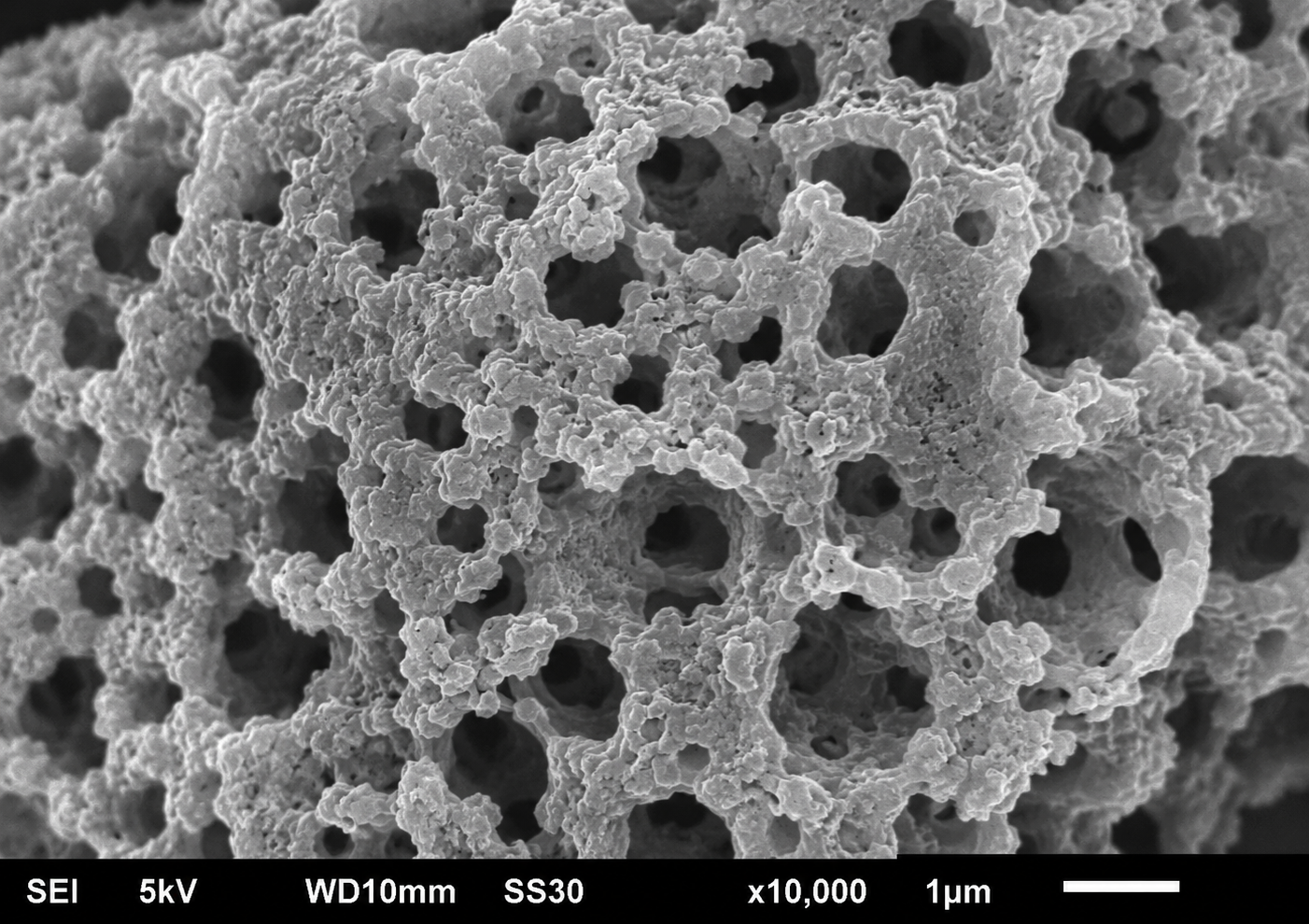
An international research team developed a porous silicon dioxide coating for PV cover glass that combines anti-reflection with passive radiative cooling, increasing solar transmittance while enhancing mid-infrared emissivity. The coating achieved 91.0% solar transmittance and 90% emissivity, with the researchers now planning module-level outdoor testing and studies of large-area scalability and durability.
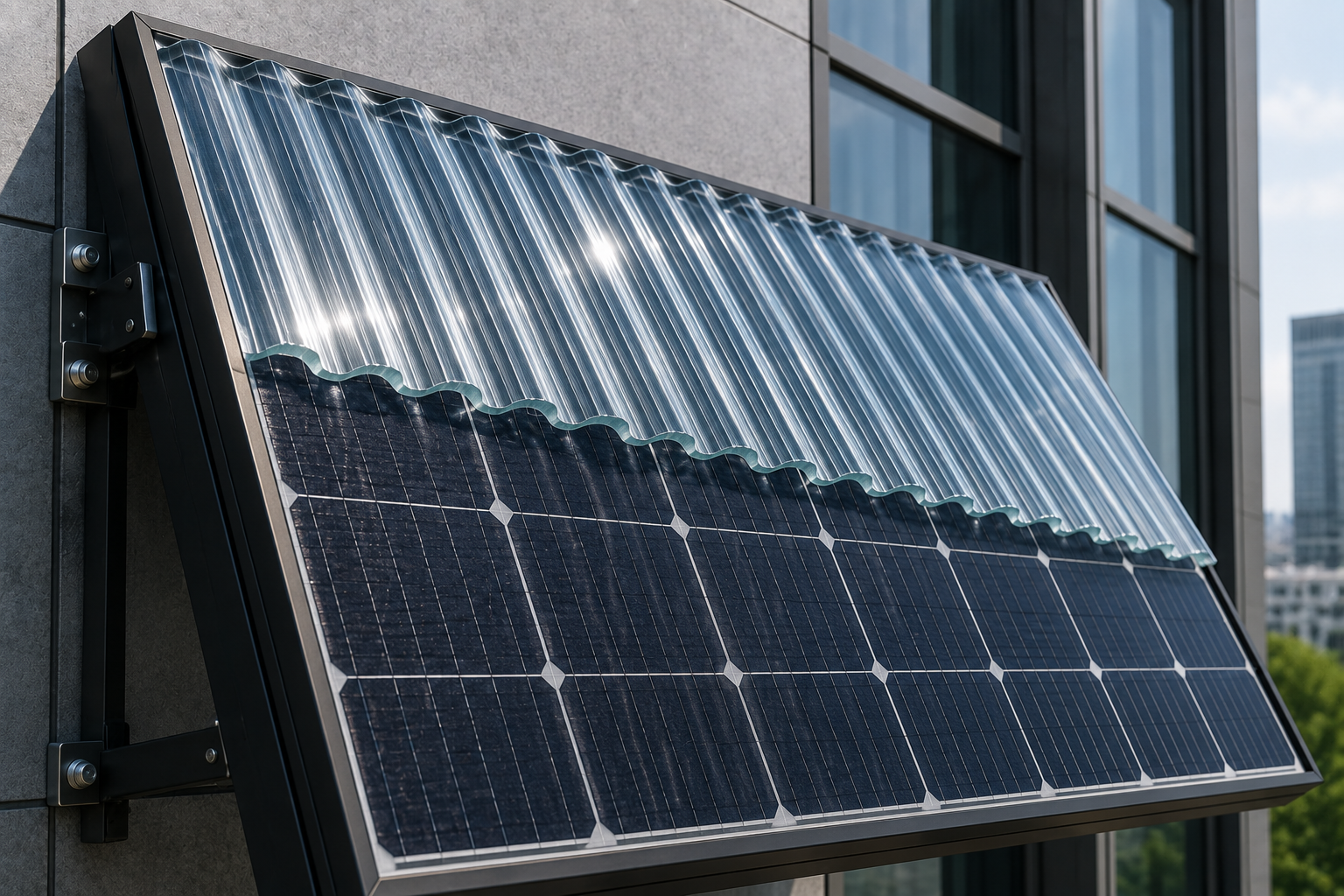
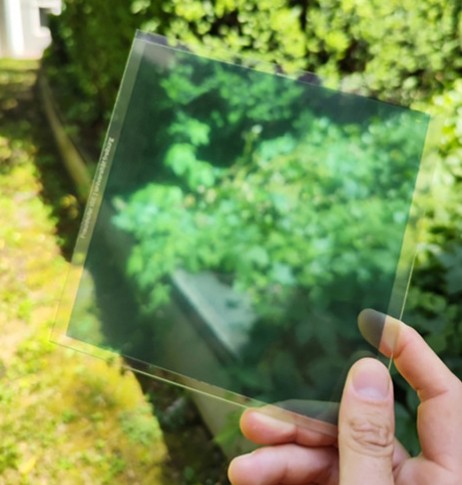
Researchers from Germany and Namibia have developed a porous silicon dioxide (SiO₂) coating for photovoltaic (PV) cover glass that combines anti-reflective properties with passive radiative cooling. The coating is designed to increase light transmission while improving the thermal performance of solar modules.
“The novelty of this work is that we demonstrate a porous silica coating that can simultaneously reduce optical reflection and enhance mid-infrared thermal emission from PV cover glass,” corresponding author Gan Huang told pv magazine. “In this way, the coating addresses two important loss mechanisms in PV modules: front-surface reflection and heat accumulation.”
The researchers said the next step is to integrate the coating with complete PV modules and evaluate its impact on electrical output and operating temperature under outdoor conditions.