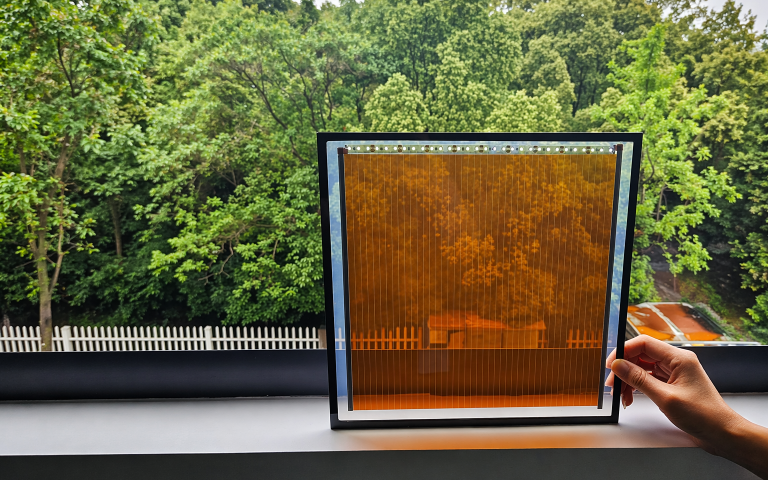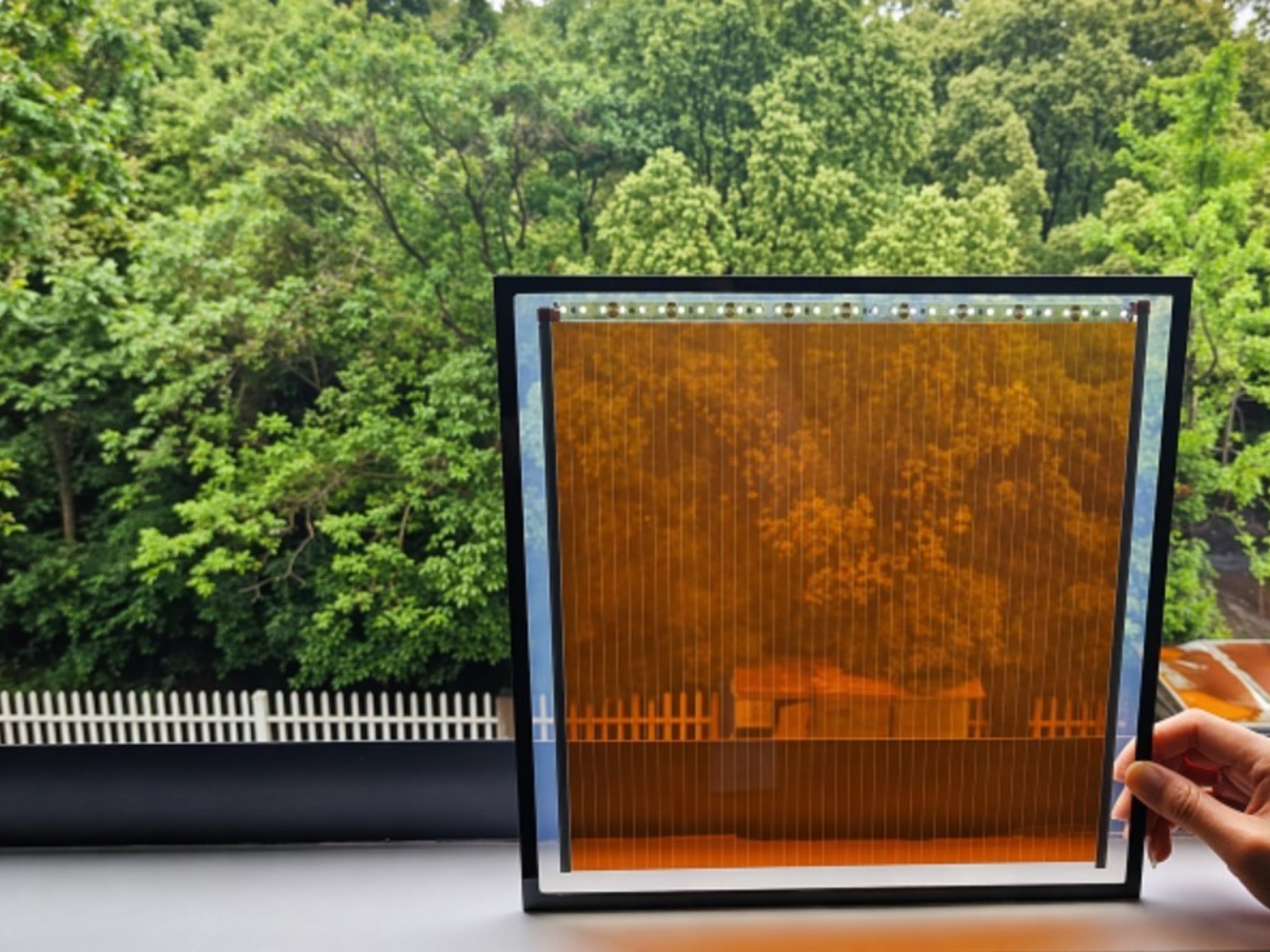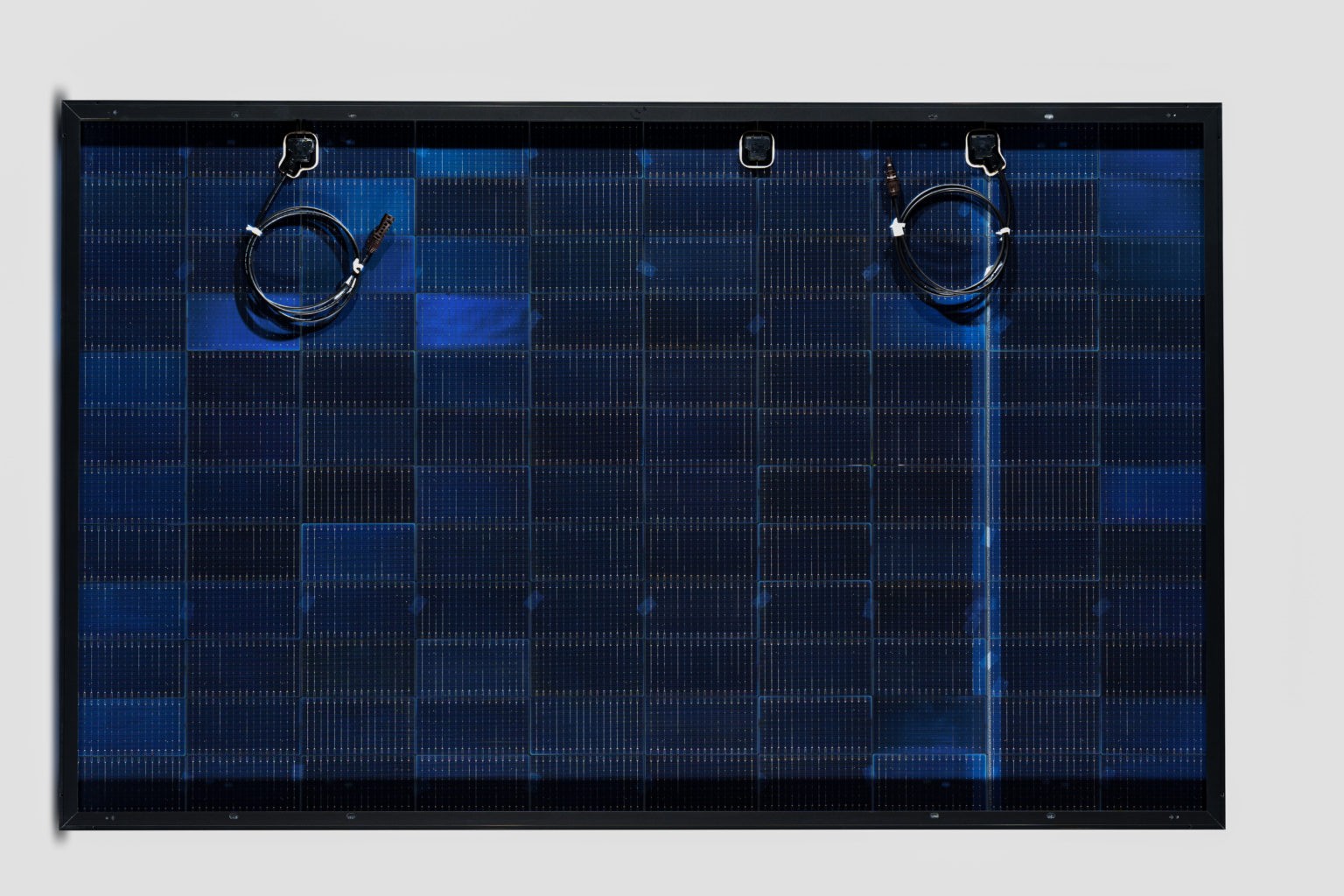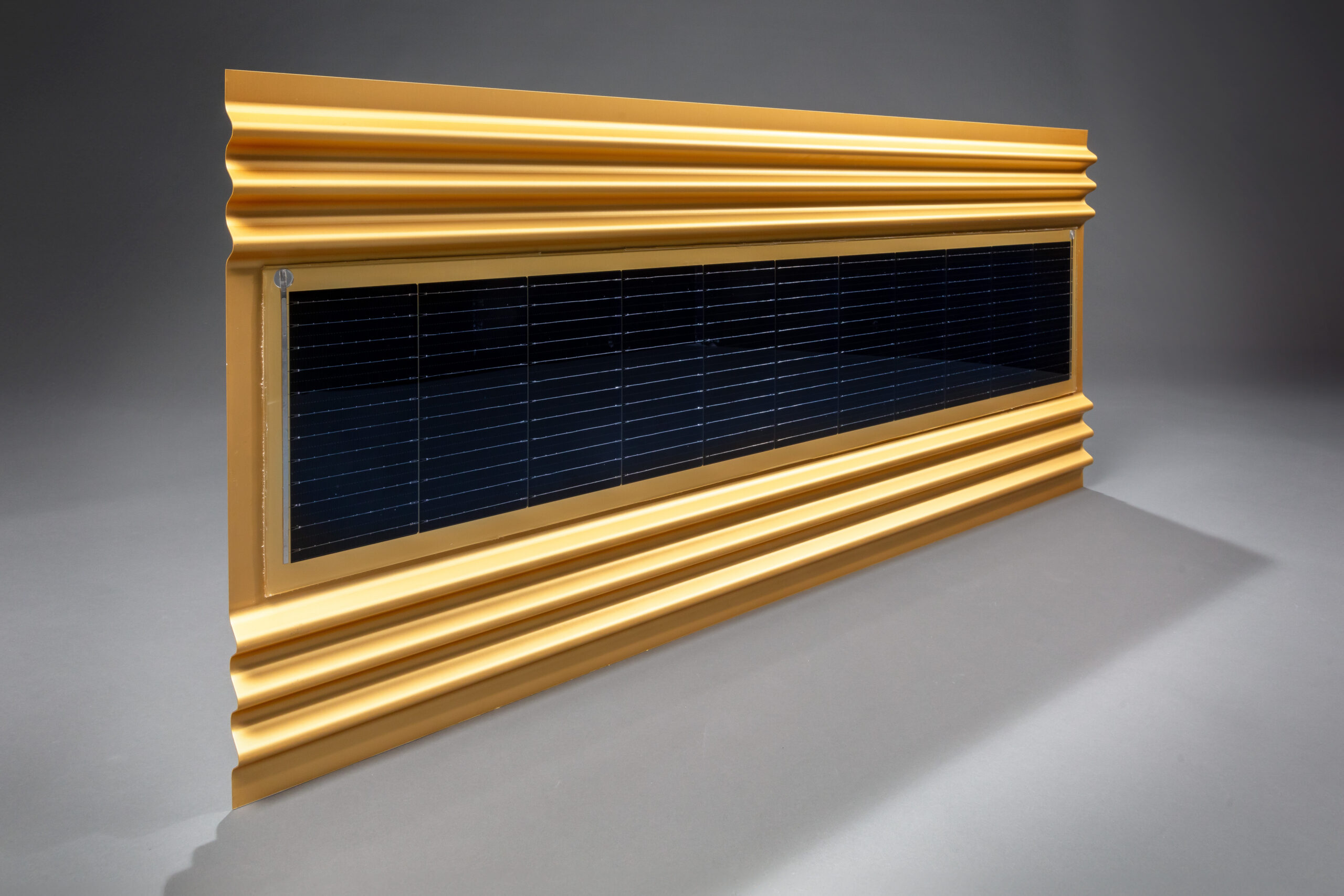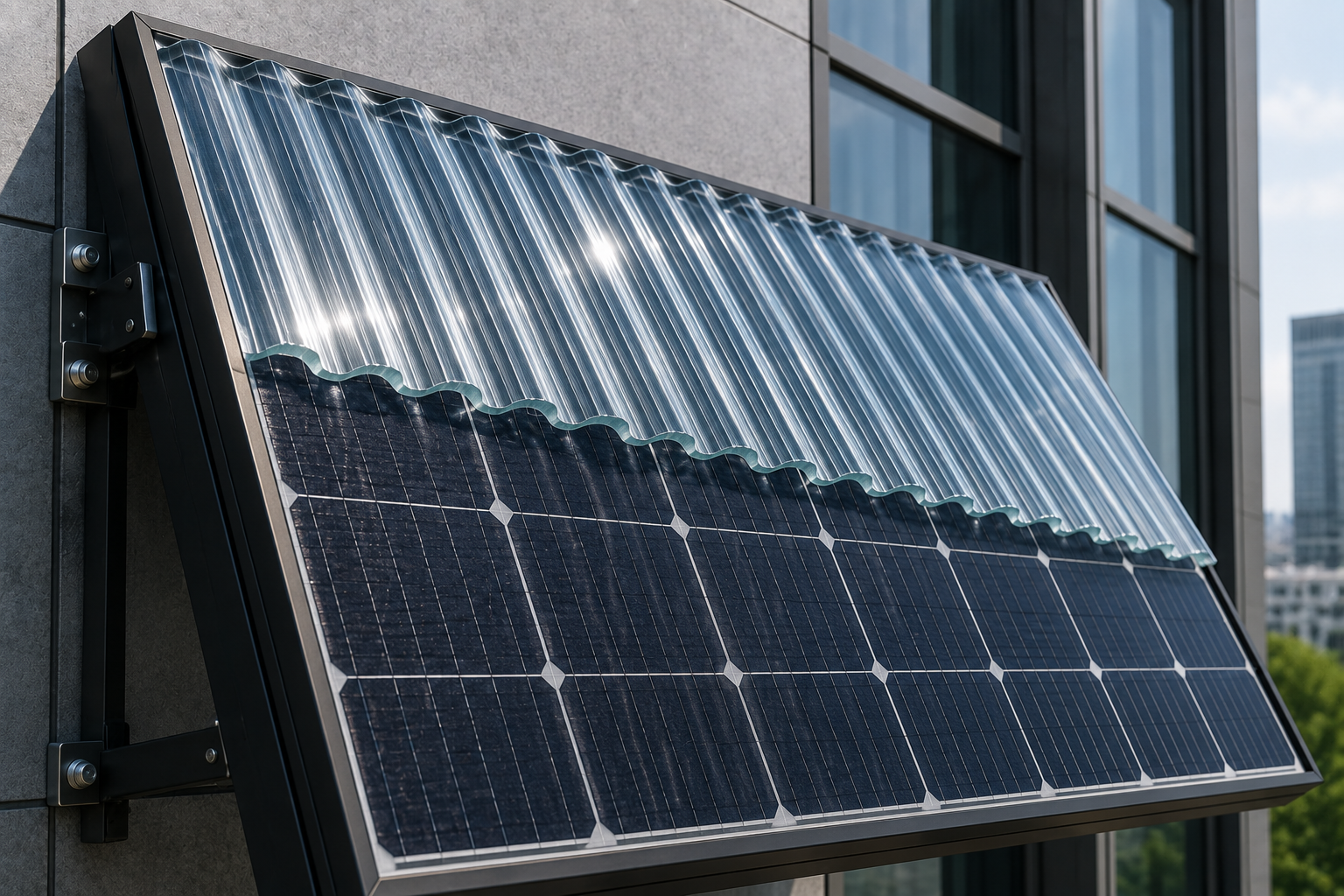
A research team in China has developed a periodic groove glass structure to improve light capture in facade-mounted PV modules.
The proposed design was found to reduce reflection at high incidence angles while maintaining compatibility with large-scale glass manufacturing.
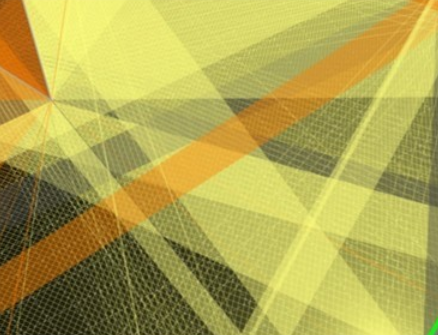
A research team led by China’s Harbin Institute of Technology has developed a novel cover glass for facade-mounted PV modules that reduces reflection at high angles of incidence. The glass features a periodic groove structure optimized through a constrained optimization by linear approximation (COBYLA) algorithm combined with ray-tracing simulations in Comsol Multiphysics.
“Existing antireflective technologies for glass could not address the issue of high reflectivity on photovoltaic-module glass surfaces under large-angle-of-incidence (AOI) conditions,” the researchers said. “Therefore, it remained a significant challenge to design a high-performance light-trapping structure that reduced reflectance at the air/glass interface over a broad incidence range of 0° to 89°, particularly at angles between 70° and 89°, while remaining suitable for the rolling process.”
The team used the Cobyla algorithm to optimize the groove profile by adjusting parameters including groove depth, height, width, and segment angles. The Cobyla algorithm is a numerical optimization method that finds the best solution to a problem with constraints by iteratively improving an approximate linear model of the objective function. It is often used for optimization problems where derivatives are unavailable or difficult to calculate.