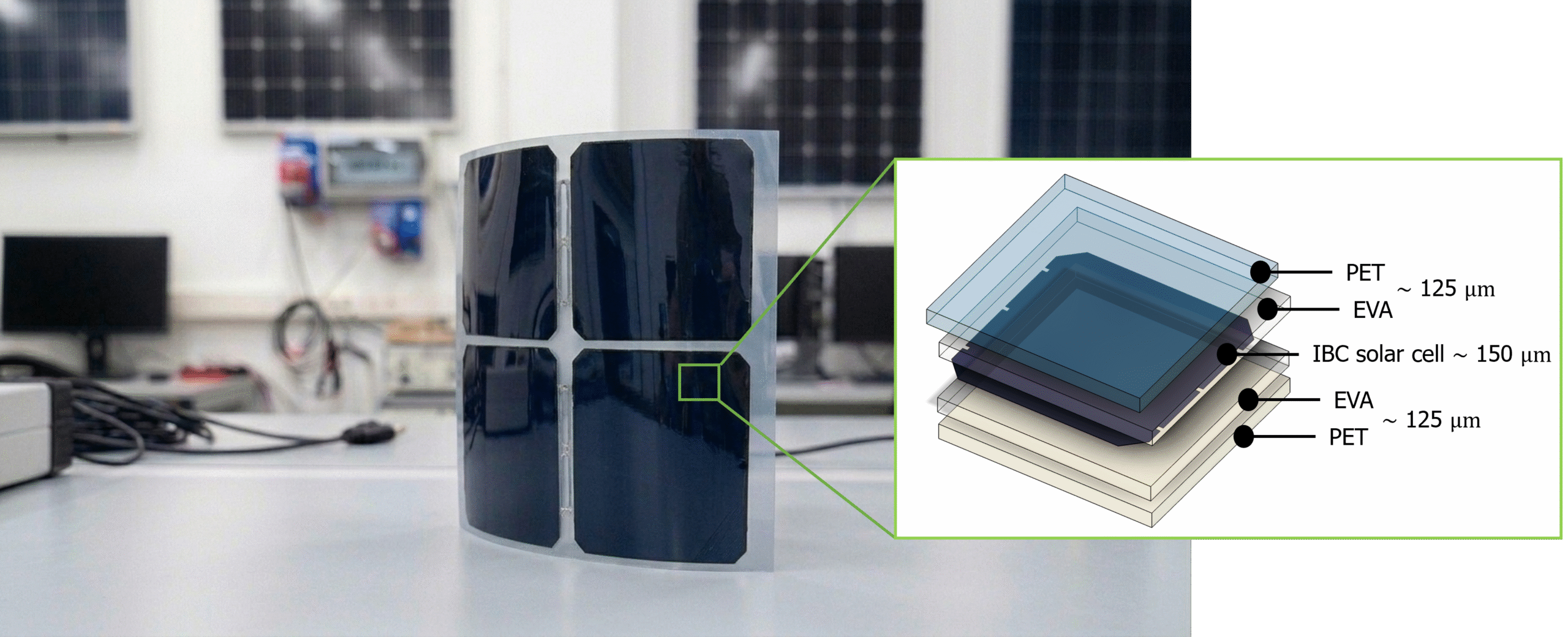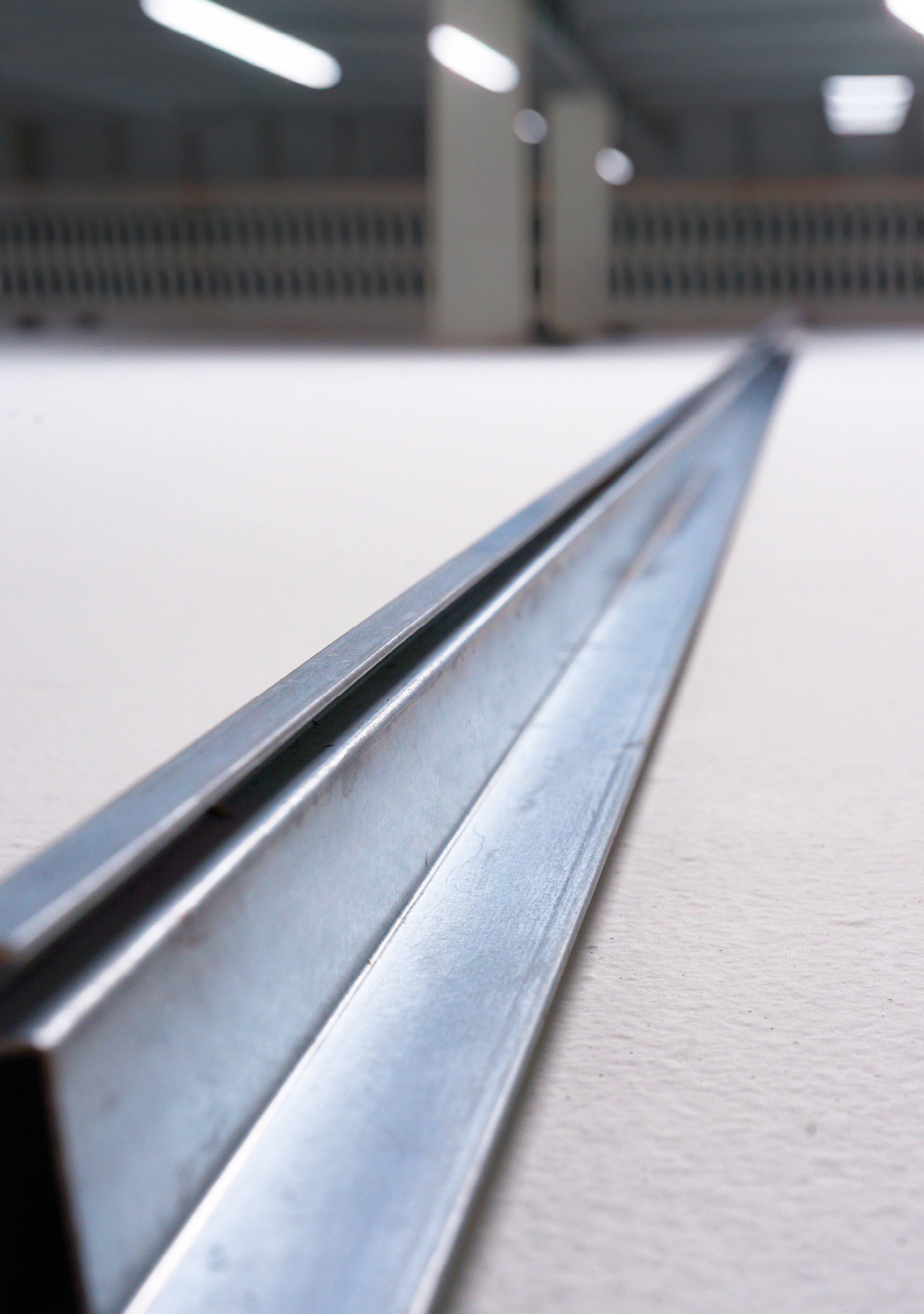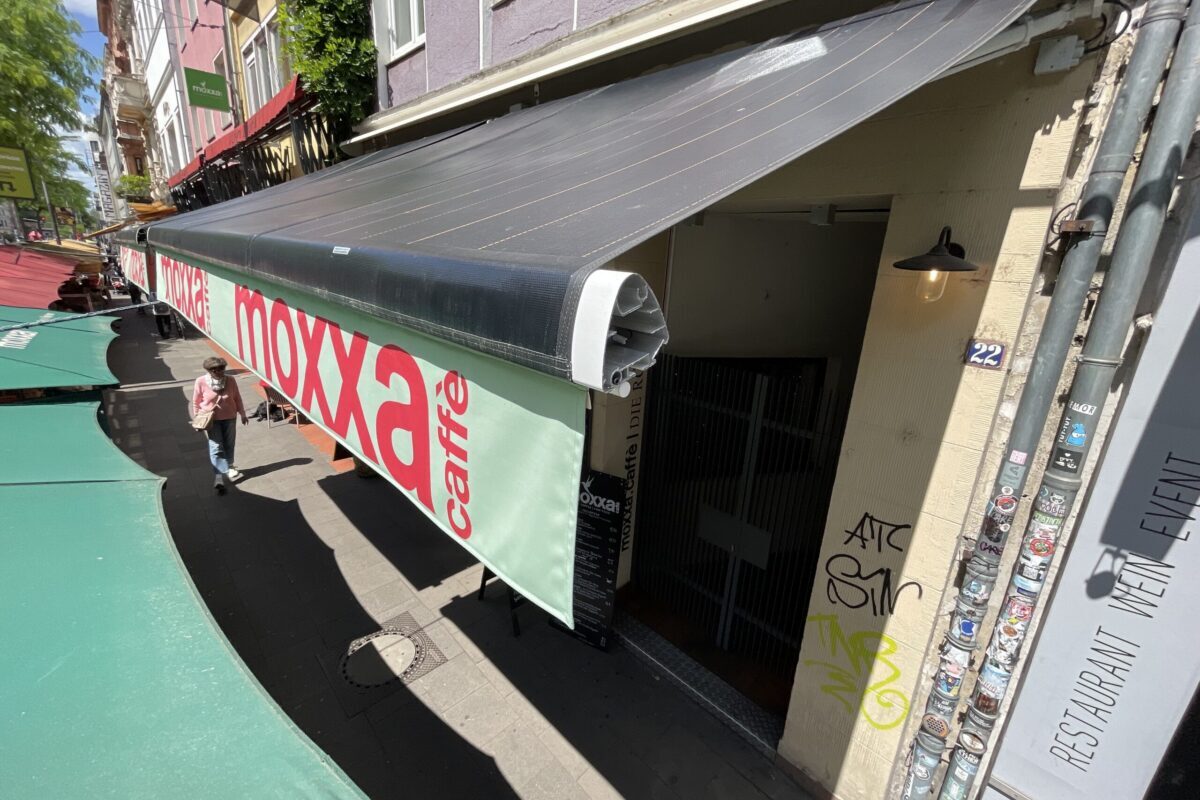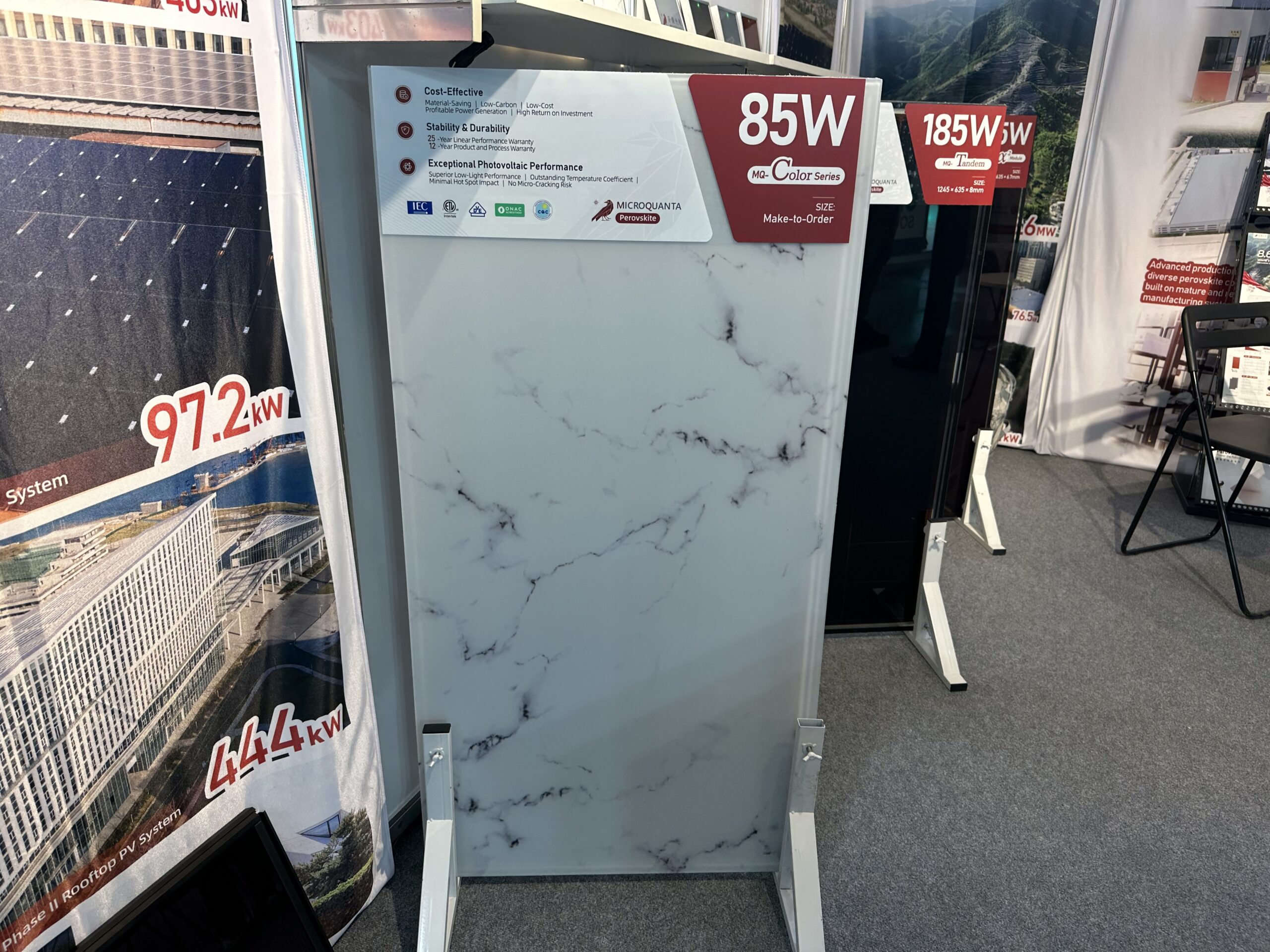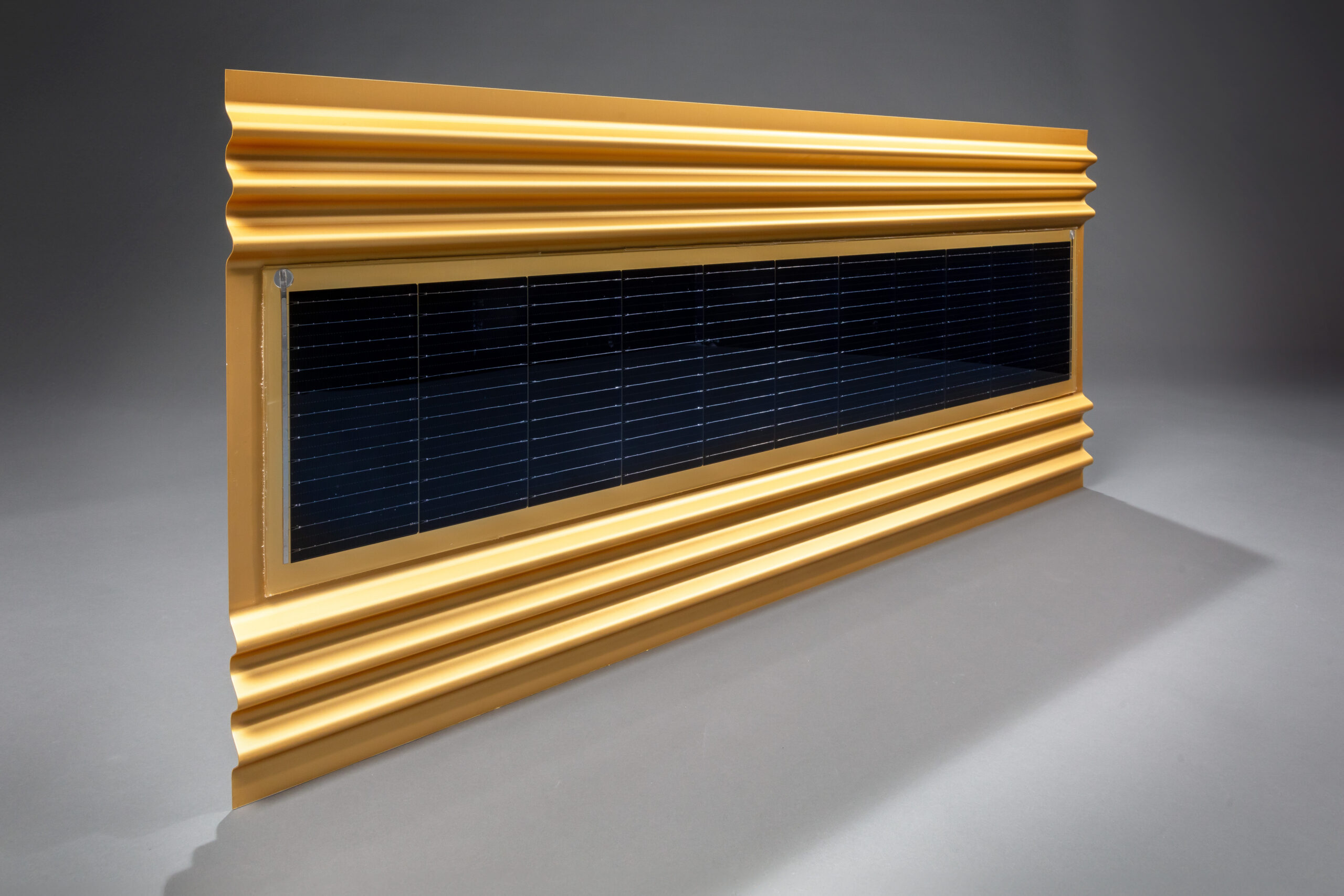
A group of researchers from Germany’s Institute for Solar Energy Research Hamelin (ISFH) and MN Metall GmbH, a German sheet metal processing specialist,has developed a PV-activated design façade element with aluminum as base material.
“The project has also other partners such as Baltic Renewable Partners GmbH & Co. KG, and Fraunhofer CSP,” corresponding author Kevin Meyer told pv magazine. “We are developing the new aluminum facade elements with integrated PV modules as part of the AluPV project, which is funded by Germany’s Federal Ministry for Economic Affairs and Energy (BMWE).”
The proposed approach involves directly laminating a PV module onto the aluminum facade element. “We were able to develop a lamination process that allows the PV module to be laminated into the 3D structure of the facade element,” Meyer went on to say. “Due to the high linear thermal expansion coefficient of aluminum, direct lamination poses challenges regarding the bending of the facade elements. This bending was prevented by the design structure on the sides.”
Another challenge is the electrical insulation between the current-carrying solar cells and the aluminum. “Sufficiently high electrical insulation can be achieved by placing a polyvinyl fluoride (PVF) layer between the solar cells and the aluminum,” Meyer further explained. “We were also able to demonstrate the PV activation of various design variants, giving our developed prototypes a certain degree of variability.”