A German pilot project is probing whether DC-coupled battery storage can unlock higher solar buildout behind constrained grid connections by reducing inverter hardware and simplifying system design.
From ESS News
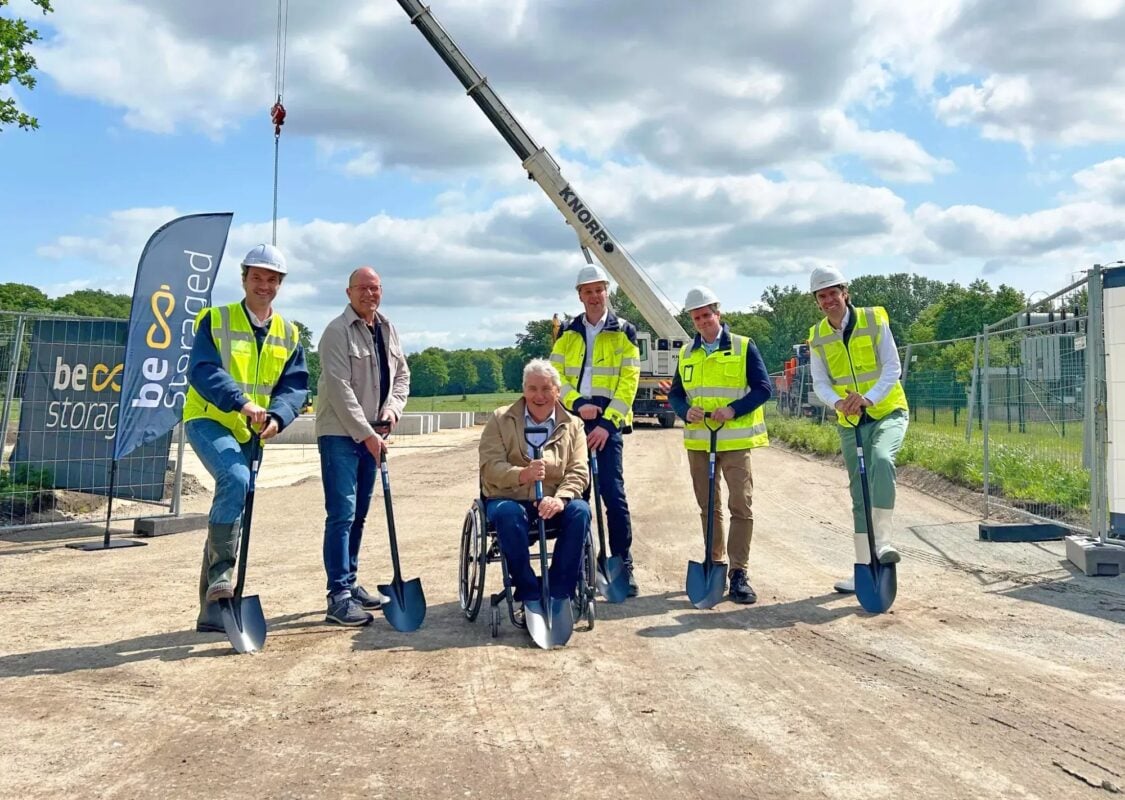
A research project in Widderstall, Germany, is testing DC-coupled commercial battery storage systems to assess whether they can reduce material use, improve system efficiency, and ease network connection constraints. Sigenergy, EnBW, and the Center for Solar Energy and Hydrogen Research Baden-Württemberg (ZSW) are conducting the project.
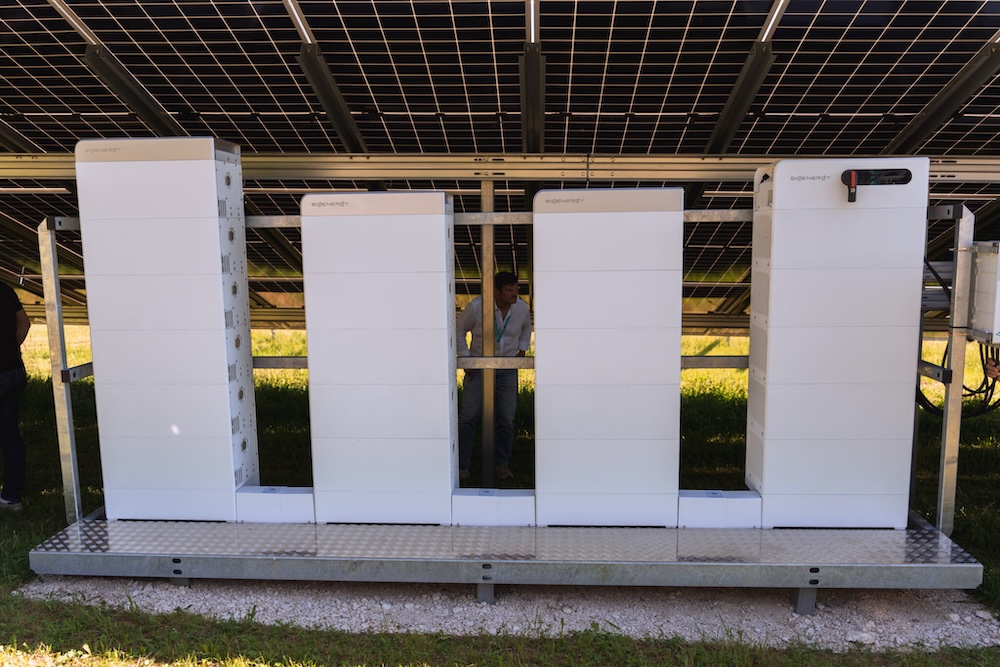
The system under test has a capacity of 252 kWh and uses Sigenergy’s Sigen Hybrid 60 M1-HYA hybrid inverters, which allow direct DC coupling between PV systems and batteries.
Compared to conventional AC-coupled architectures, DC coupling can reduce the need for power electronics. In a typical AC setup, a 100 kW PV system connected to a 50 kW grid connection would require 100 kW of solar inverters plus an additional 50 kW of battery inverter capacity, with export limits applied to manage grid injection.