AC coupling is the most common, but DC coupling has emerged as an alternative for solar and BESS co-location projects. DC-coupling has also been a prerequisite for some solar-and-storage project subsidies, for example in Germany and the US. Here, we look at the differences in these two coupling approaches.
AC coupling: the simpler and flexible, but less efficient and more expensive, option
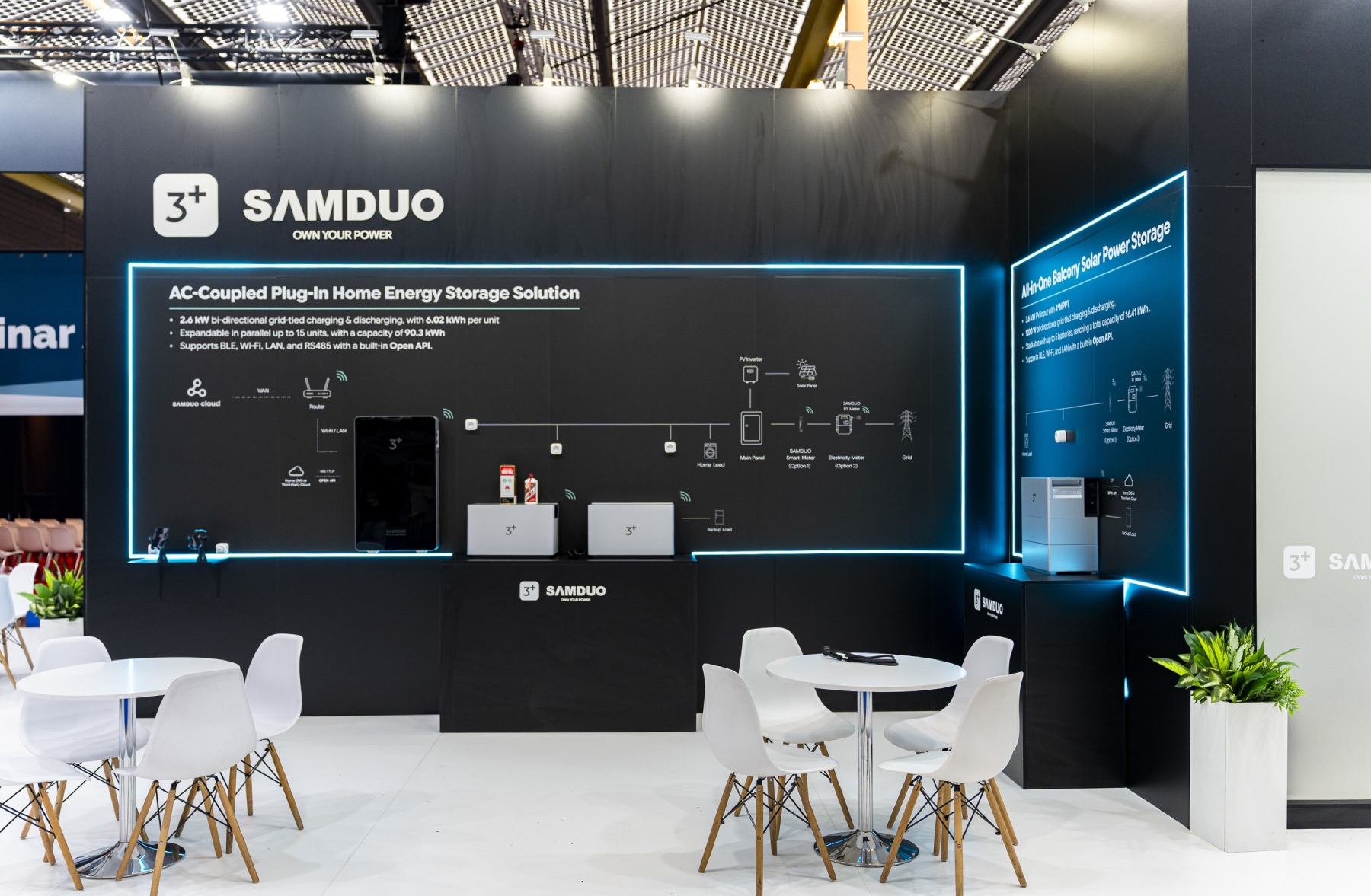
AC coupling is the most common approach for co-location projects. AC coupling connects the BESS to the AC side of the solar power system, so both the solar and BESS use their own inverters to convert DC electricity to AC electricity before any electricity reaches the grid.
Solar PV generates DC power, and this is converted to AC by the solar inverter. This power either goes to the grid, or it moves through the BESS inverter and is converted back into DC power and stored in batteries for later use. When the stored energy needs to be used, the BESS inverter (or power conversion system, PCS) converts the electricity back to AC for on-site use or for export to the grid.
This dual-inverter setup is different from DC-coupled systems and is a simpler installation. Because the AC bus connects both inverters, it enables a much higher degree of flexibility in the system than DC coupling. However, AC coupling tends to cost more than DC coupling because multiple inverters need to be bought and installed.