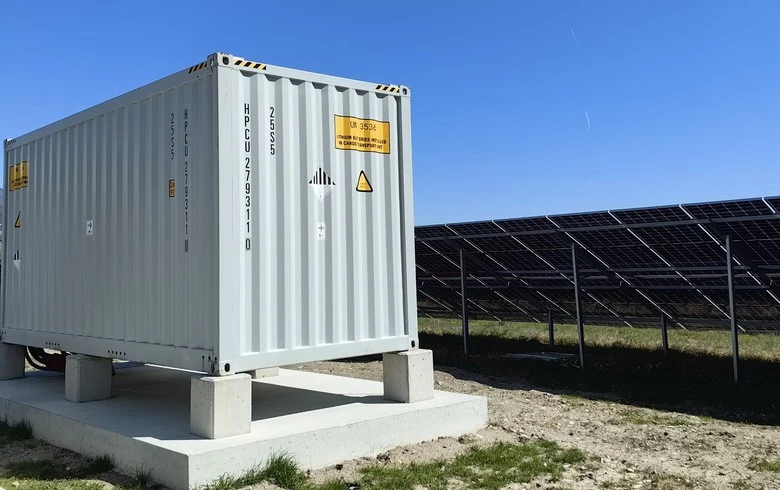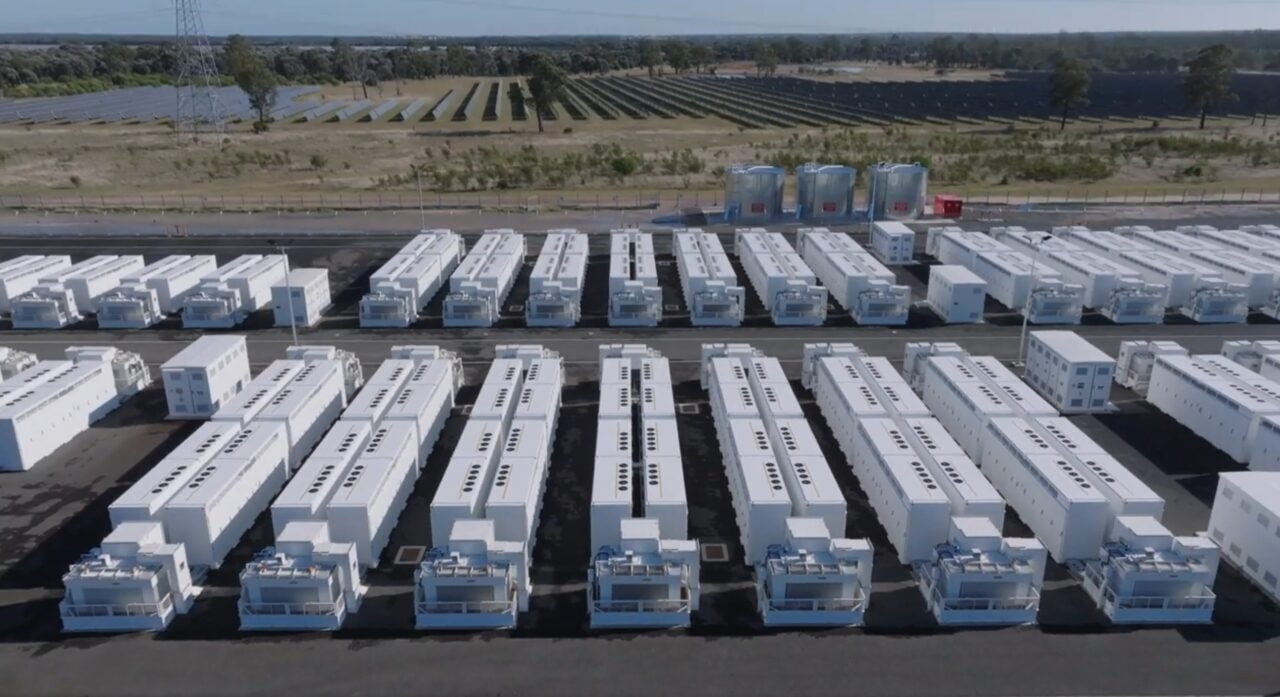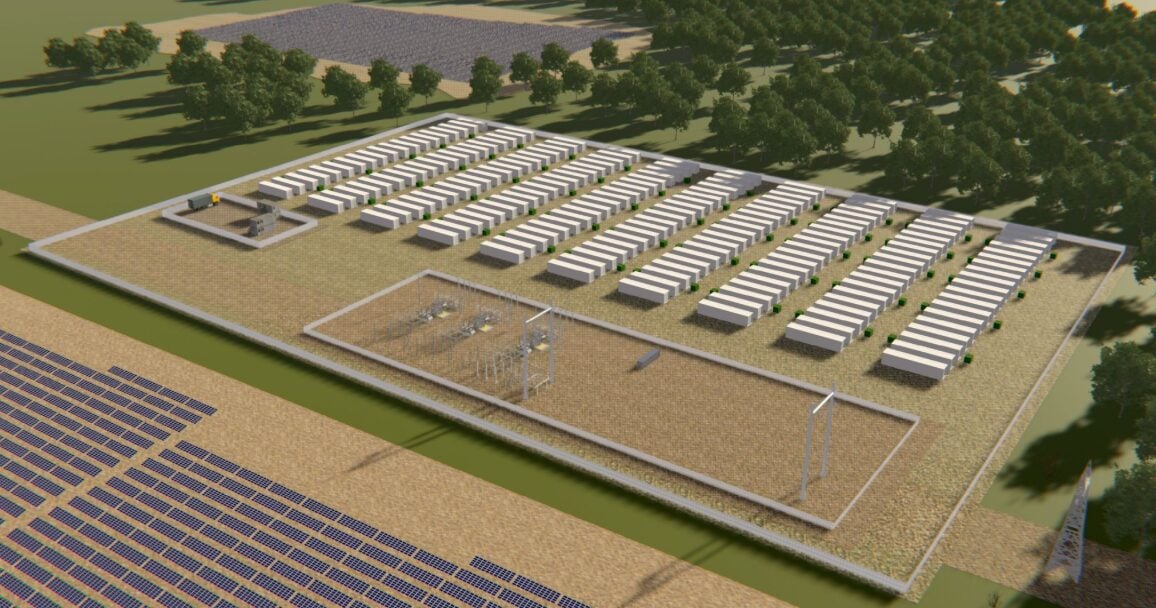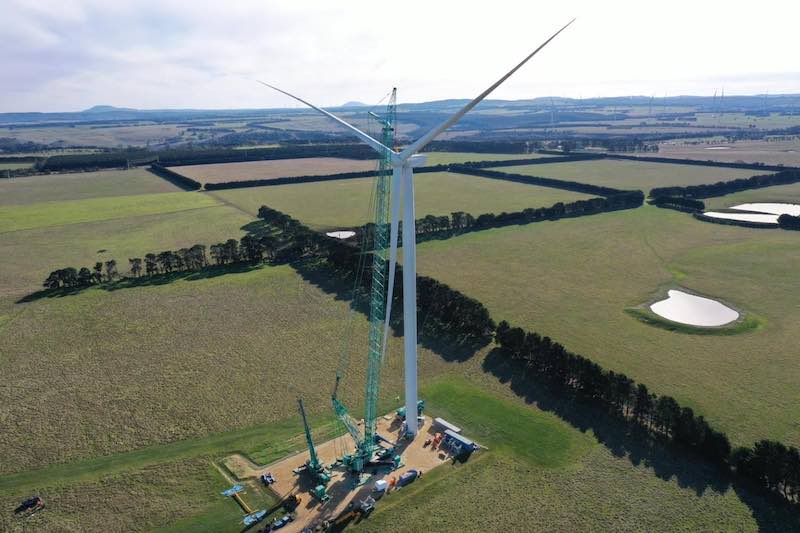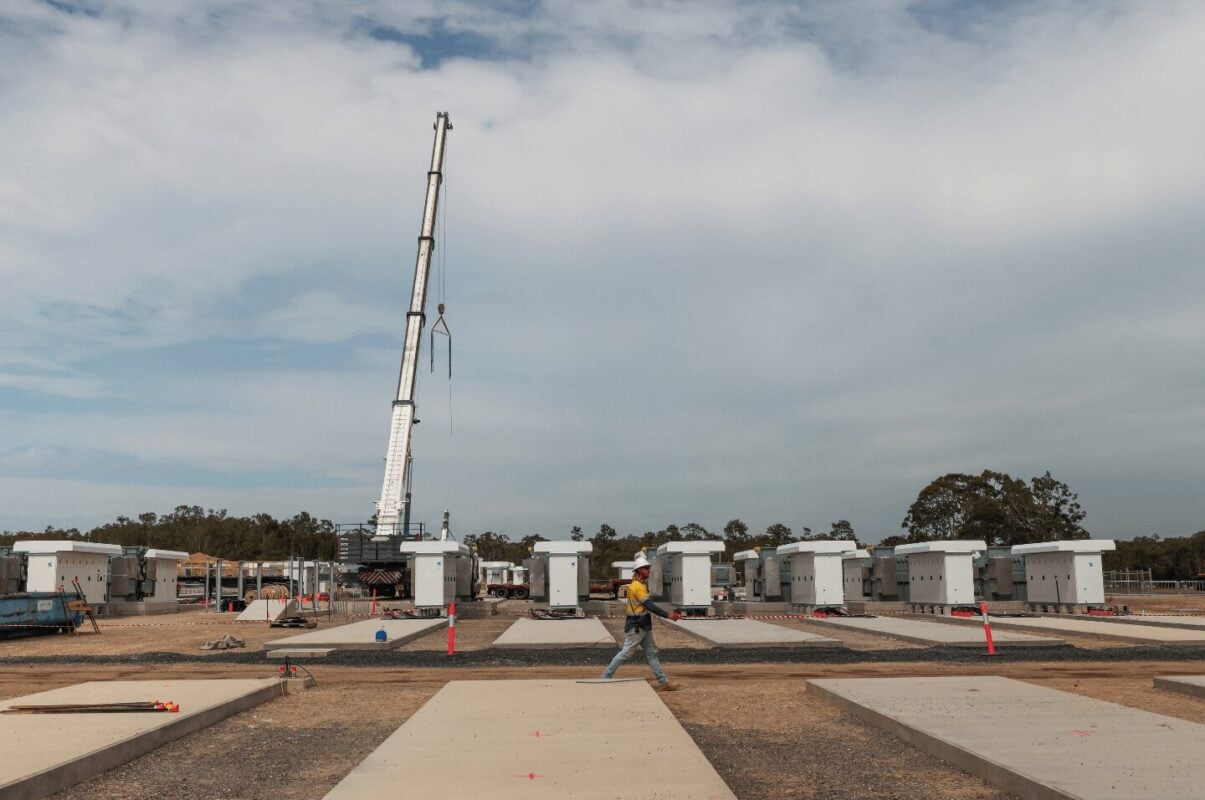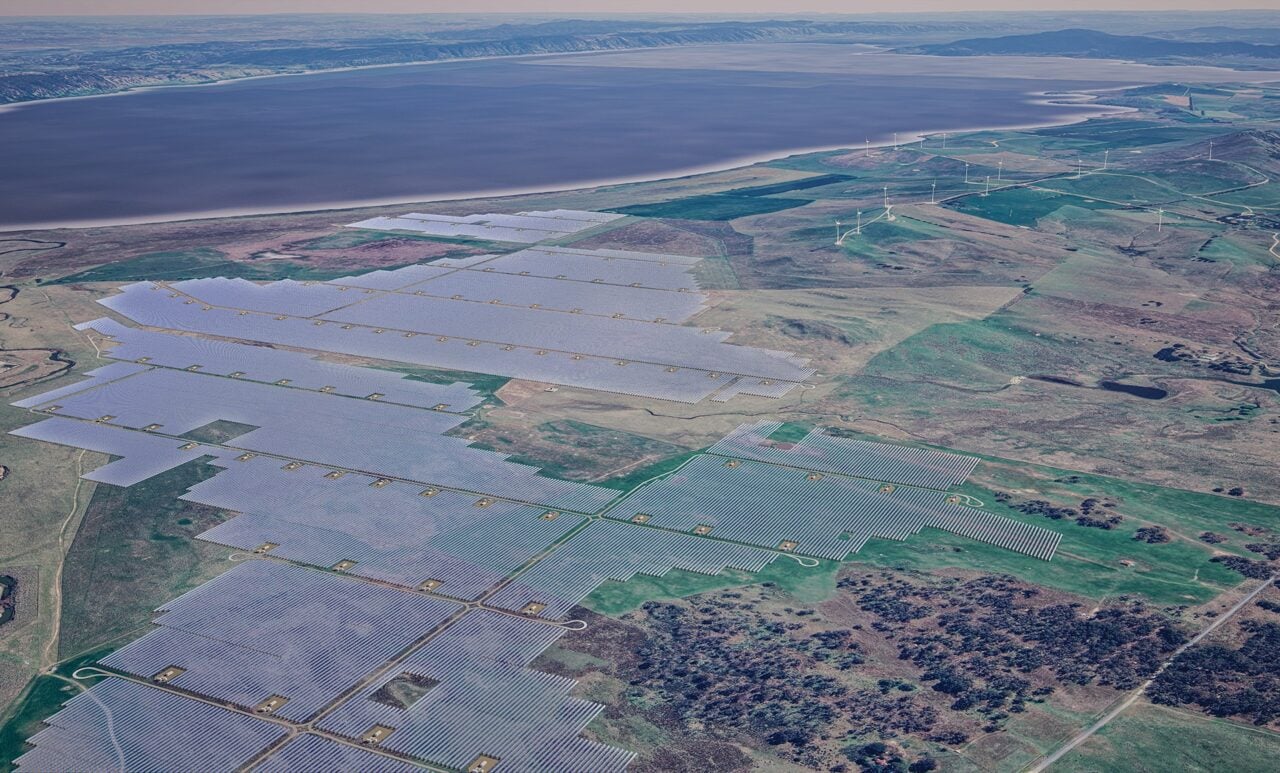
Last year, Wärtsilä’s Neha Sinha told ESN Premium that co-location with battery storage is becoming a necessity rather than an option for solar PV plants in the NEM, as curtailment pressures mount and coal plant retirements accelerate.
“As we see more and more solar PV plants being deployed, as we see curtailment issues, as we see decommissioning of coal plants in favour of these systems, it’s becoming clear that you need to be co-located with battery storage to maximise the potential of your system and to support the market demands,” Sinha said.
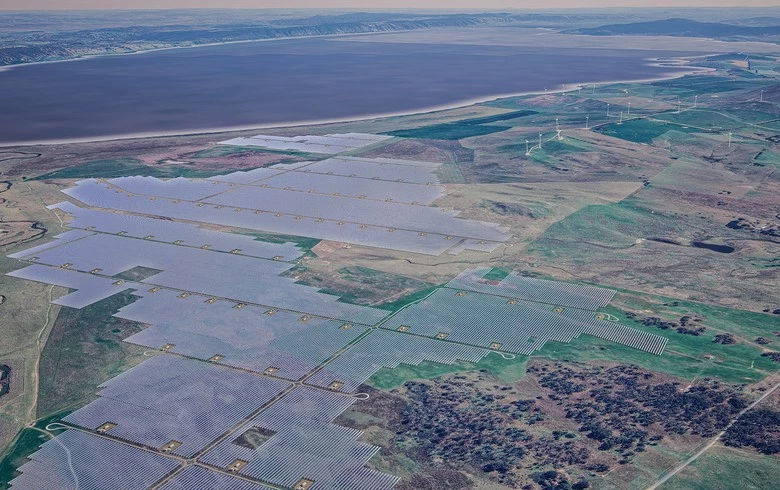
Global battery storage and renewable energy trading and optimisation specialist Habitat Energy will co-optimise the solar and storage output across both sites using its proprietary algorithmic forecasting and trading platform, balancing weather patterns and price signals against asset, site and contractual requirements.
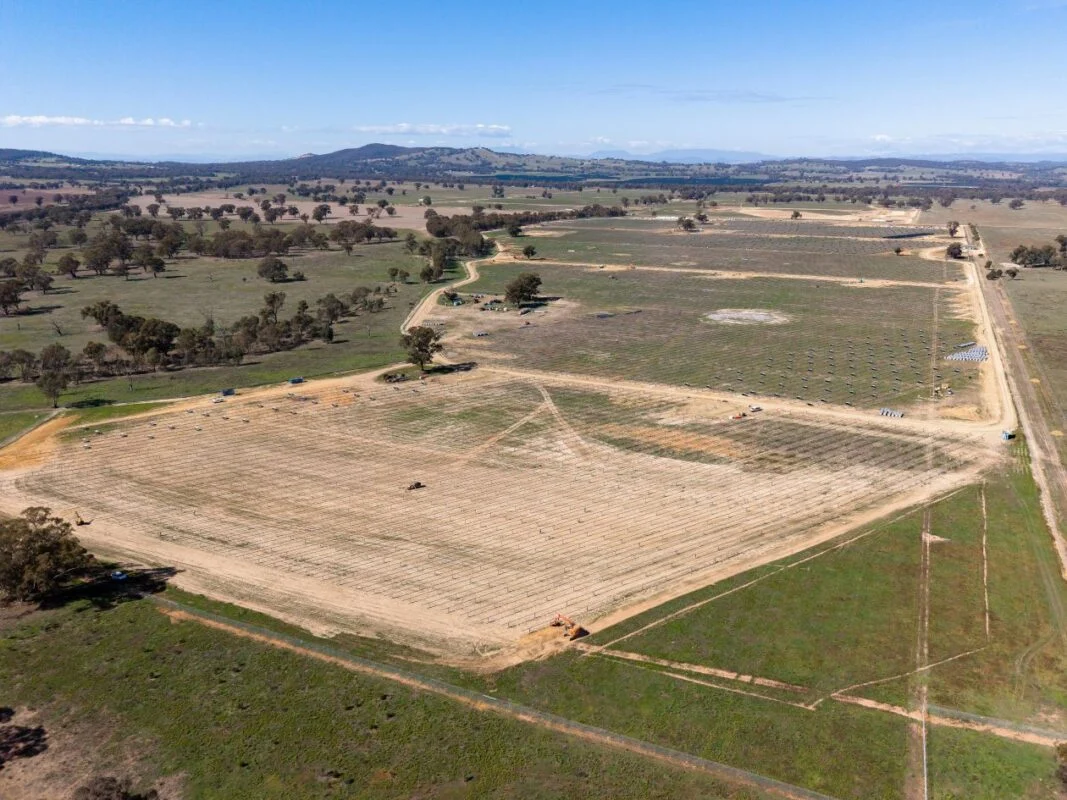
To prepare both sites for market entry, Habitat has developed digital twins of the Fulham and Blind Creek facilities.
The models enable Habitat and Octopus to conduct stress testing and pre-operational planning ahead of commissioning, with the aim of ensuring both assets are ready to participate in the National Electricity Market (NEM) from the day they come online.