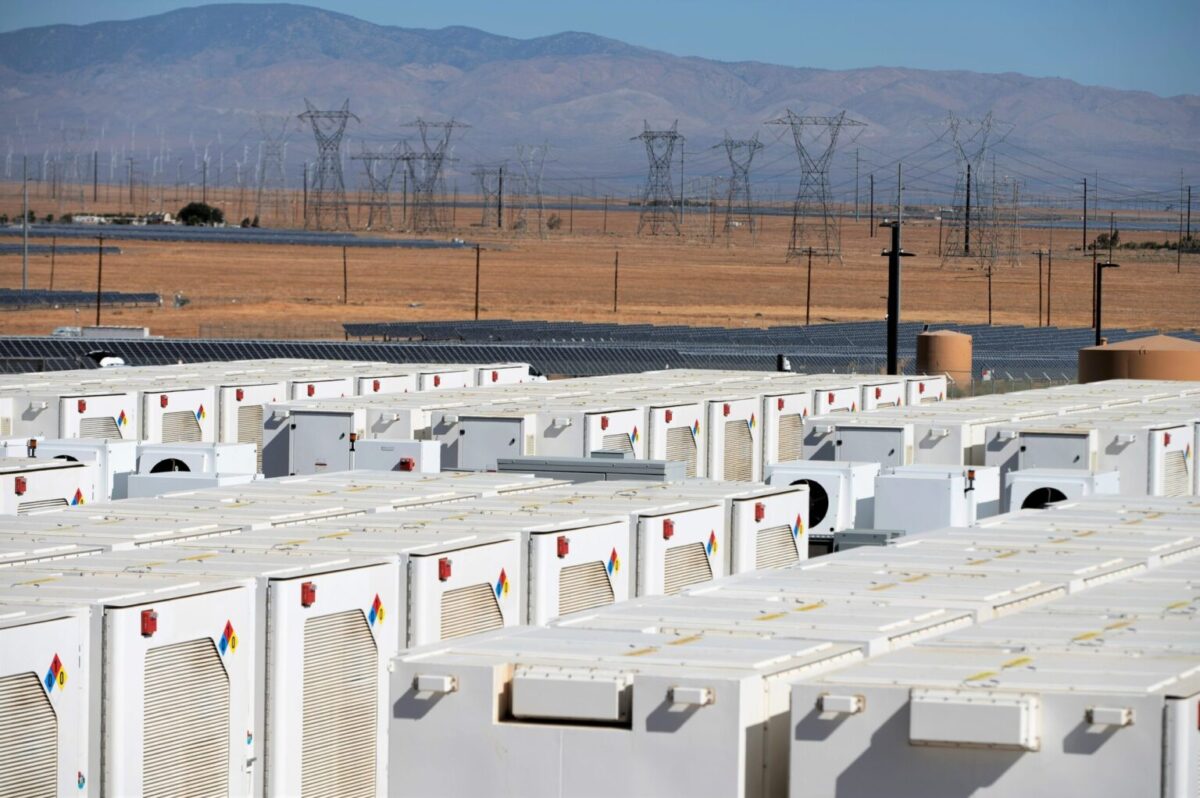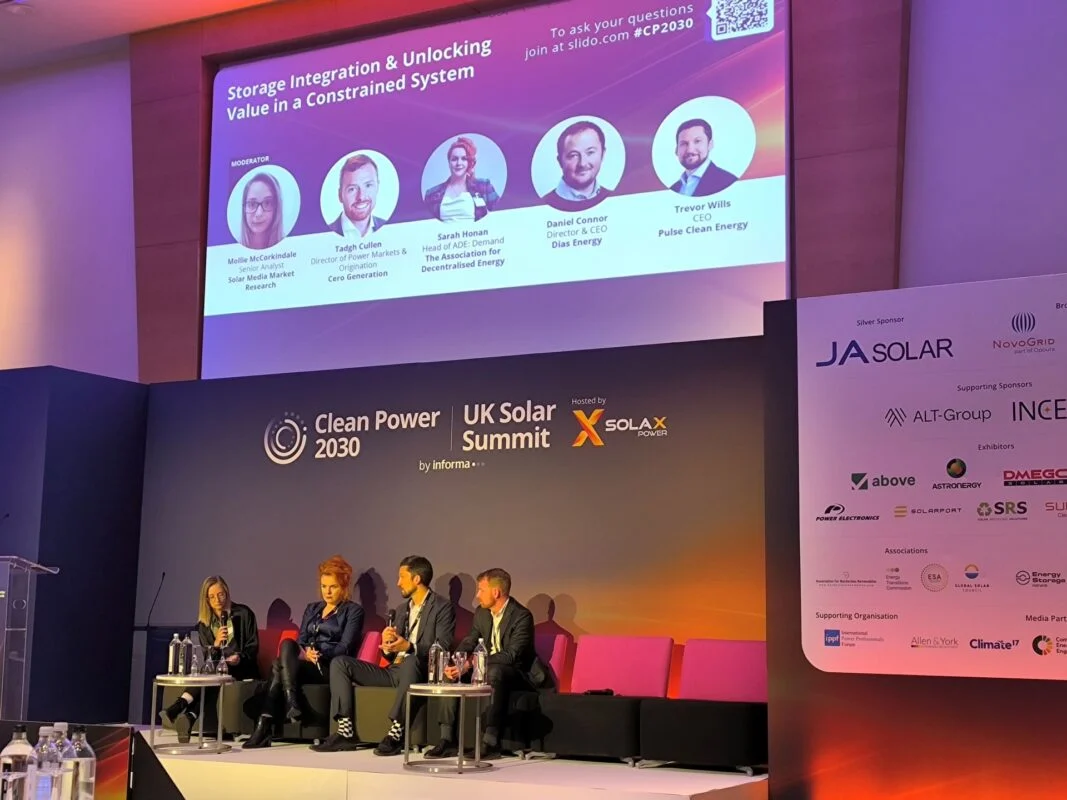
Wills gave the example of how battery storage is oftentimes modelled as a generator when it can be both a generator and a load.
“The argument that we might hear from the grid in certain circumstances is that they can’t connect us because when the system is massively oversupplied, if we generated, we would create a problem. Our response is we wouldn’t, we would be absorbing some of that oversupply and actually fixing the problem that you think that we’re going to contribute to.”
To Wills’ point, Tadgh Cullen, director of power markets & origination at independent power producer (IPP) Cero Generation, explained how batteries and solar PV don’t actually compete for the same capacity on the grid.
“Our co-located projects, we effectively modelled them as the PV getting unconstrained access to the grid connection, because it makes things easier from a financing perspective and from an approvals perspective,” explained Cullen.
However, Sarah Honan, Head of ADE: Demand at trade body The Association for Decentralised Energy, argued that “it’s not just about grid code, it’s about cultural transformation.”