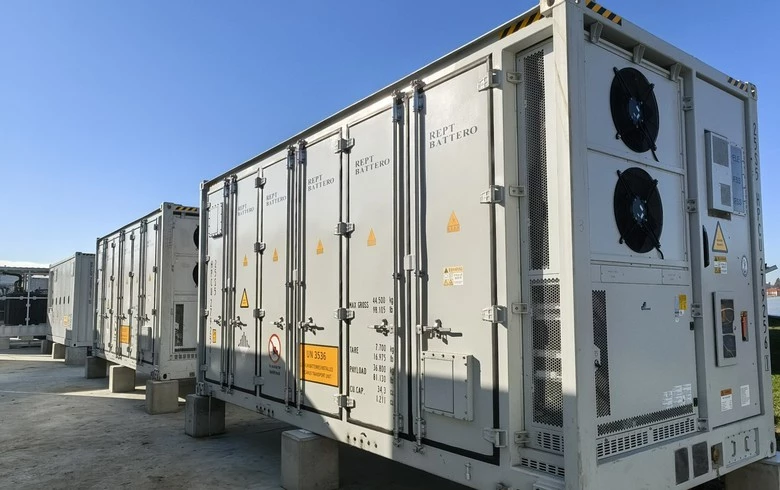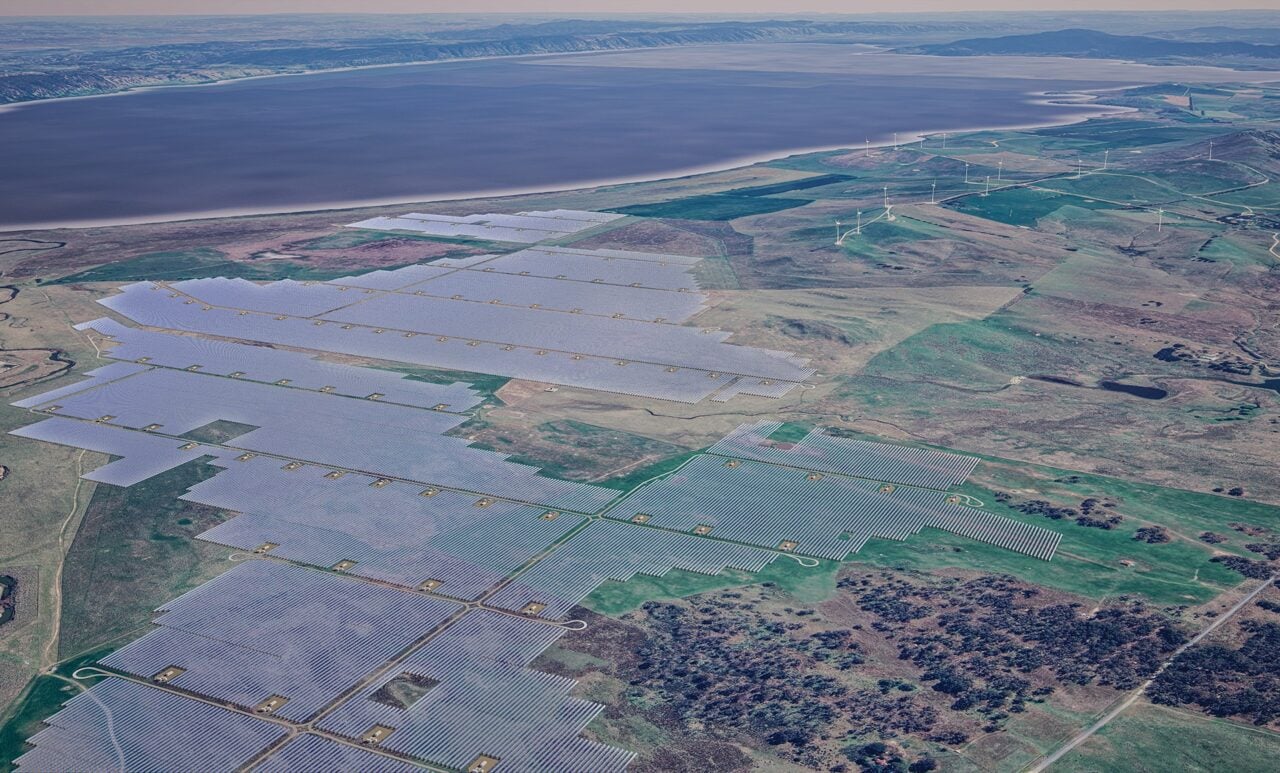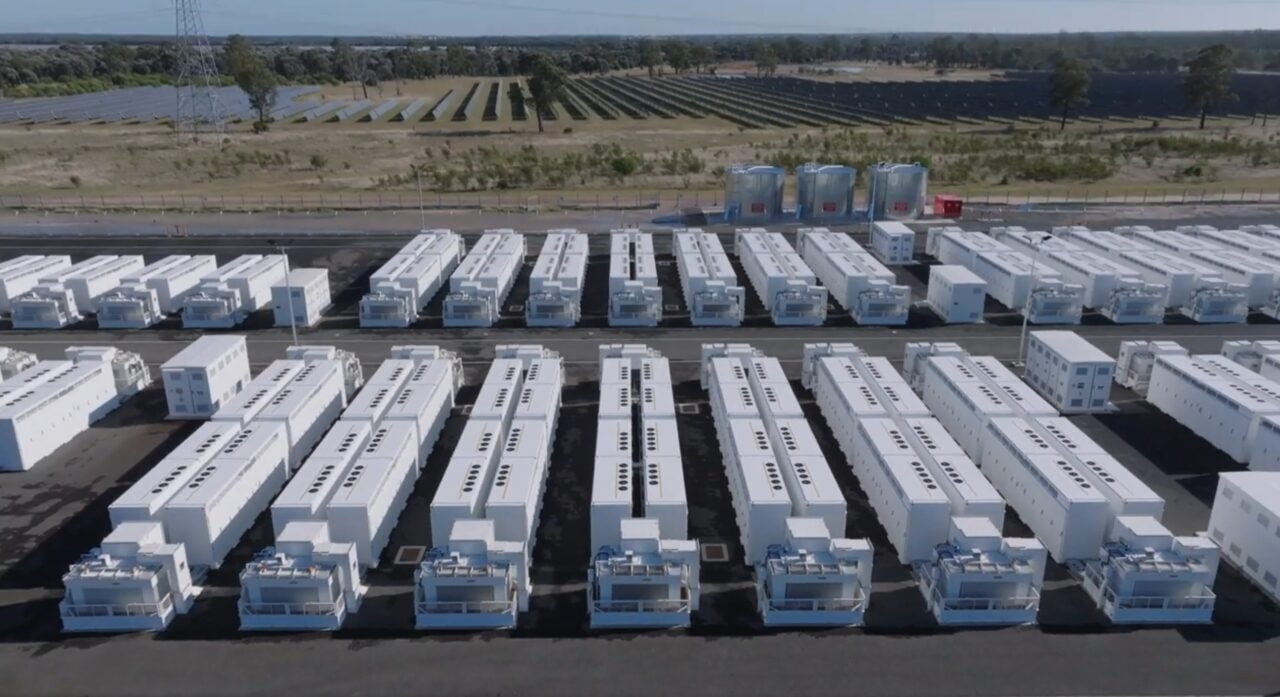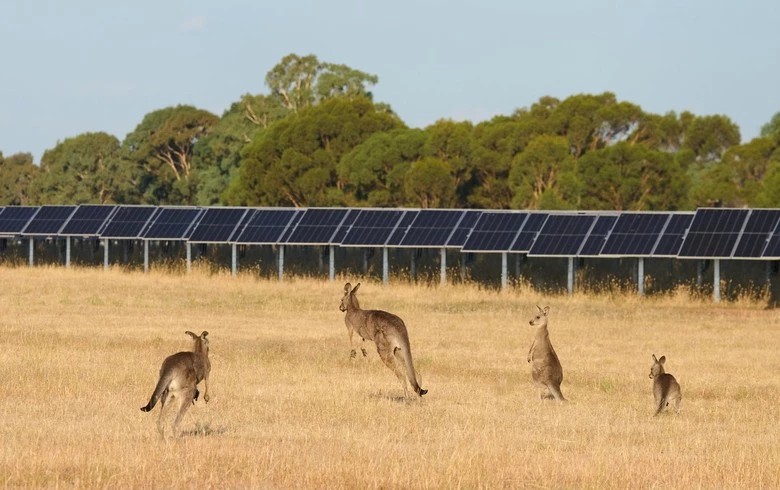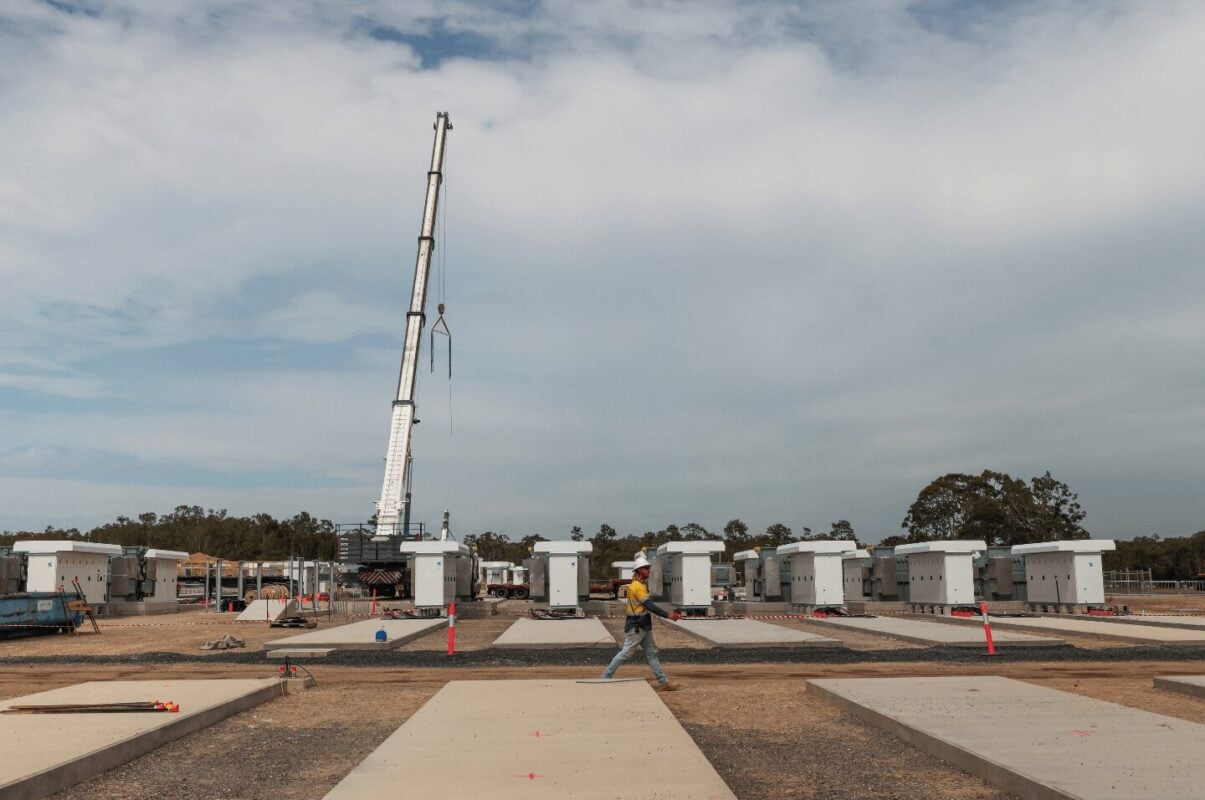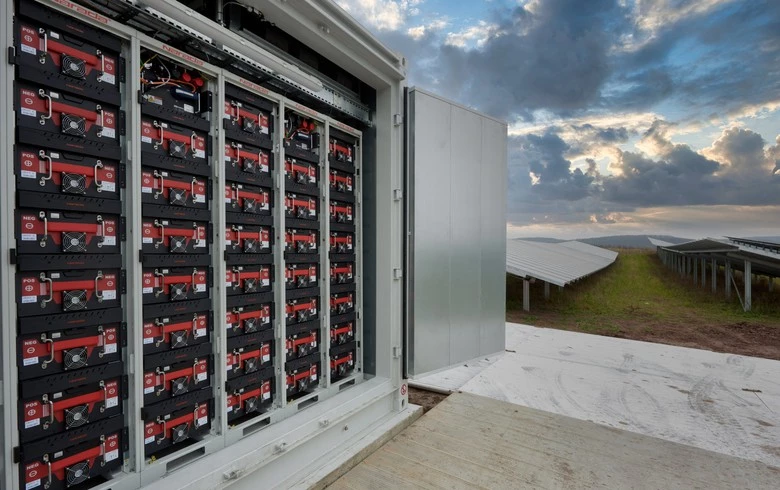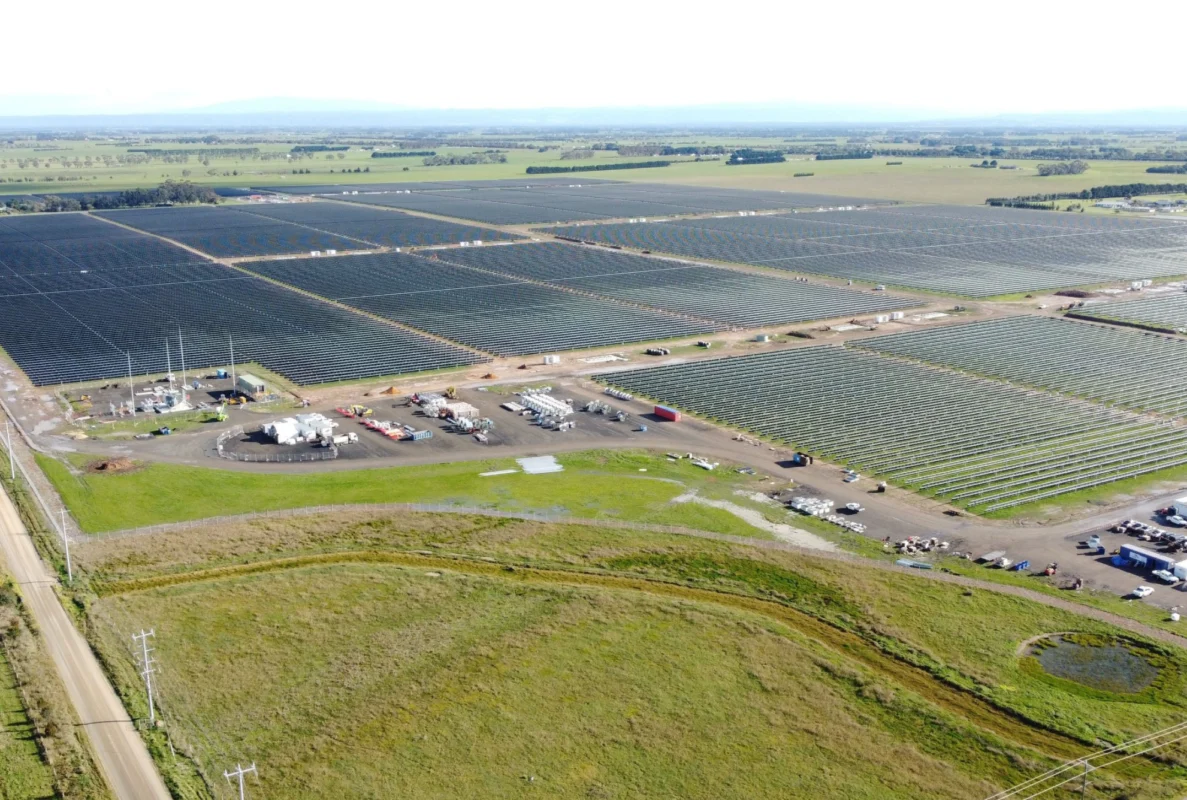
The site will house a 64MW/128MWh DC-coupled BESS, supplied by Wärtsilä. GRS, part of Gransolar Group, is the engineering, procurement and construction (EPC) contractor. Fulham is due to begin operations in 2027.
DC-coupling and portfolio optimisation
In a DC-coupled configuration, solar generation connects directly to the battery storage system via DC/DC converters, then is converted to alternating current for grid delivery. The approach reduces conversion losses compared with AC-coupled systems and allows batteries to charge more efficiently from the co-located solar array.
Fulham was Wärtsilä’s first DC-coupled hybrid project in the country, with Octopus Australia. The pairing has since scaled up considerably, with the two companies working together again on the larger 300MW Blind Creek Solar Farm and Battery in New South Wales, a 243MW/486MWh project that reached financial close in November 2025 with a AU$900 million price tag.
Earlier this month, Octopus Australia appointed Habitat Energy to optimise both the Fulham and Blind Creek projects, a combined portfolio of 380MW of solar generation and 307MW/614MWh of battery storage.