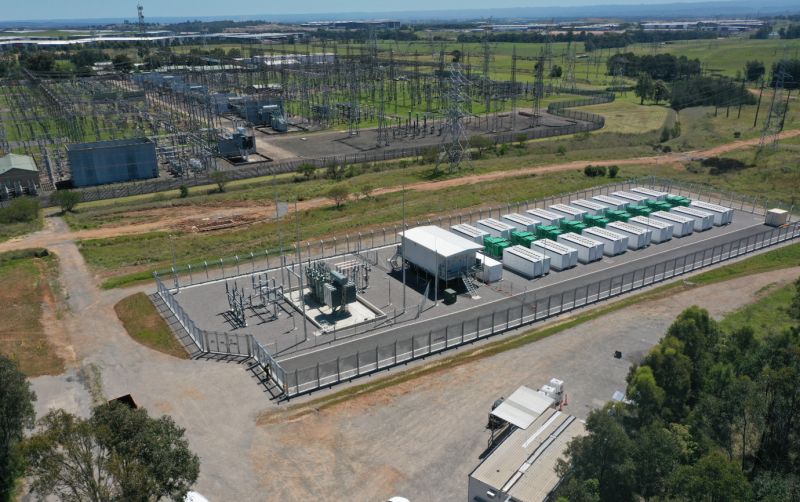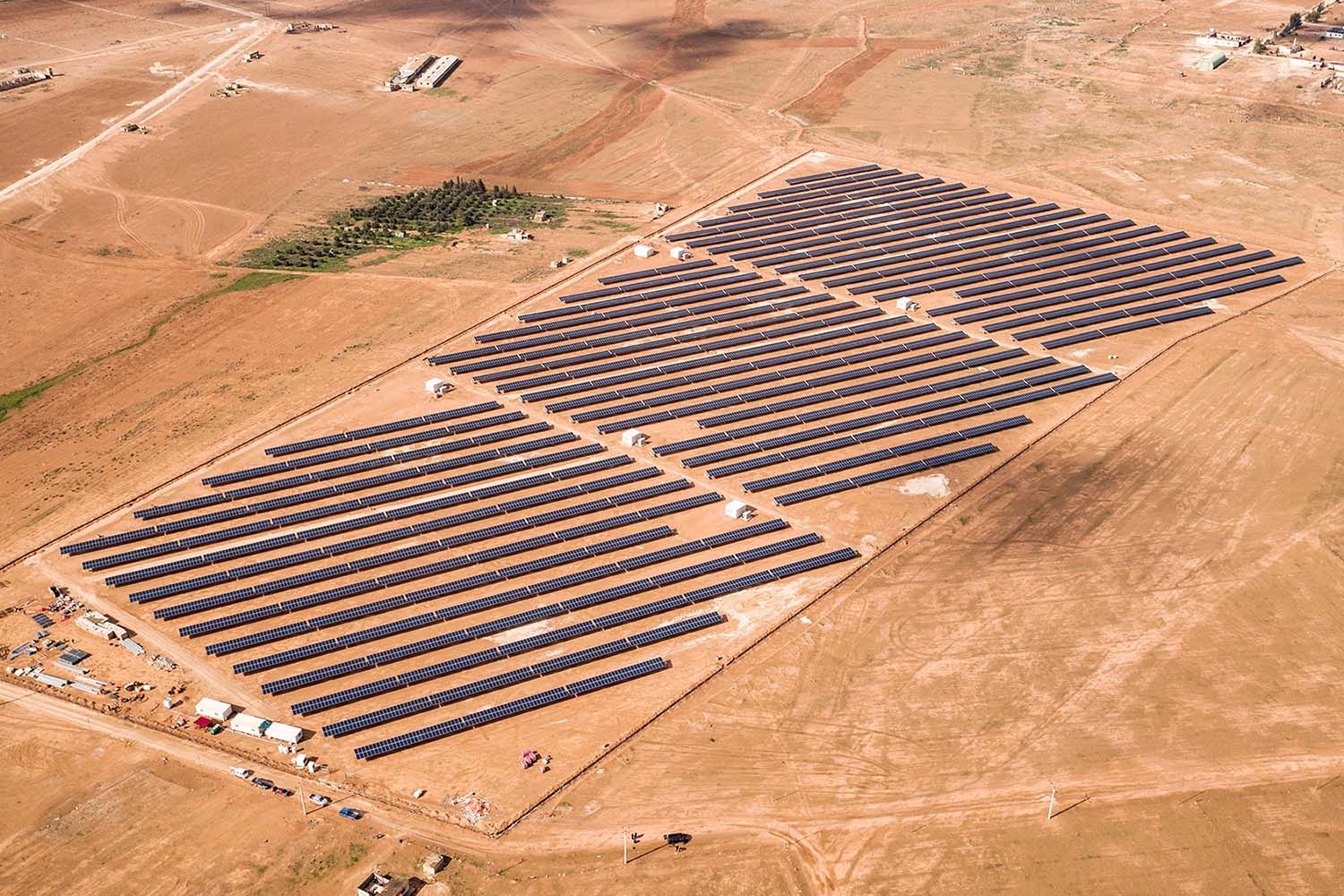
Scientists have simulated a 100 MW solar PV plant and a 35 MW / 60 MWh BESS with grid-forming control. In all cases, the grid-forming control provided immediate active/reactive support. Research: we provide quantitative evidence that grid-forming control strategies can support the transition to inverter-dominated power systems.
Researchers from Jordan have evaluated the performance of a battery energy storage system (BESS) using grid-forming (GFM) control to enhance stability in solar PV plants. Grid-forming controls emulate synchronous generators and provide fast frequency and voltage support during grid outages, large PV fluctuations, load changes, and fault events.
“The novelty of this research lies in the comprehensive evaluation of a GFM-BESS integrated with utility-scale solar PV plants under a wide range of operating conditions,” corresponding author Lina Alhmoud told pv magazine. “While previous studies have largely focused on either theoretical analyses or limited case studies, our work systematically investigates the capability of GFM-BESS to enhance frequency stability, voltage regulation, and system resilience during grid disturbances.”
Alhmoud said the study provides quantitative evidence that grid-forming control strategies can support the transition to inverter-dominated power systems with high renewable energy penetration. She added that follow-up research will focus on coordinated operation of multiple grid-forming resources in large-scale renewable systems, optimization of control parameters under varying grid strengths, interactions between grid-forming battery systems and other renewable technologies such as wind power and hybrid plants, and techno-economic assessments of real-world deployment.