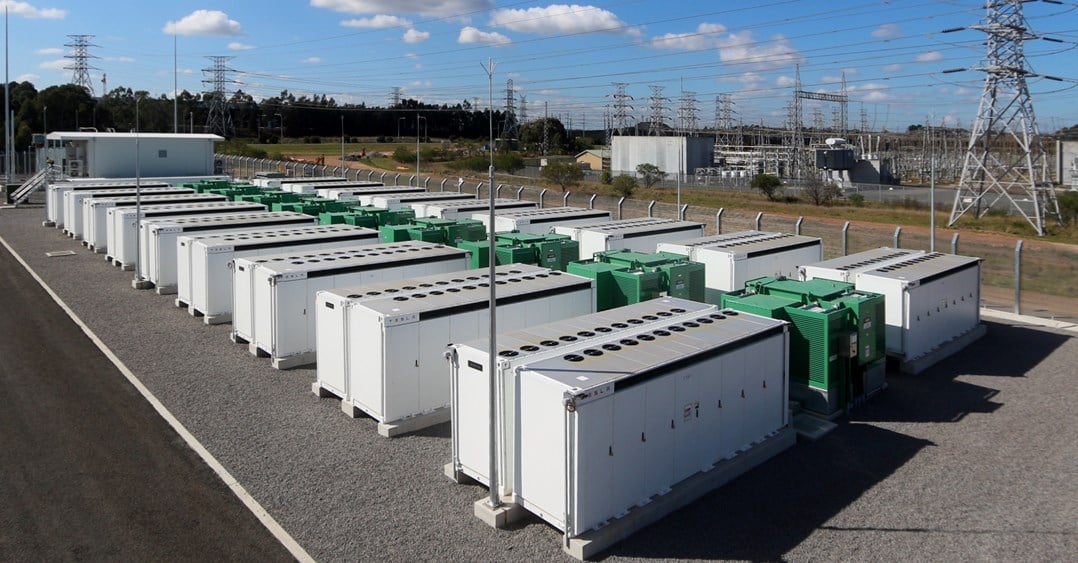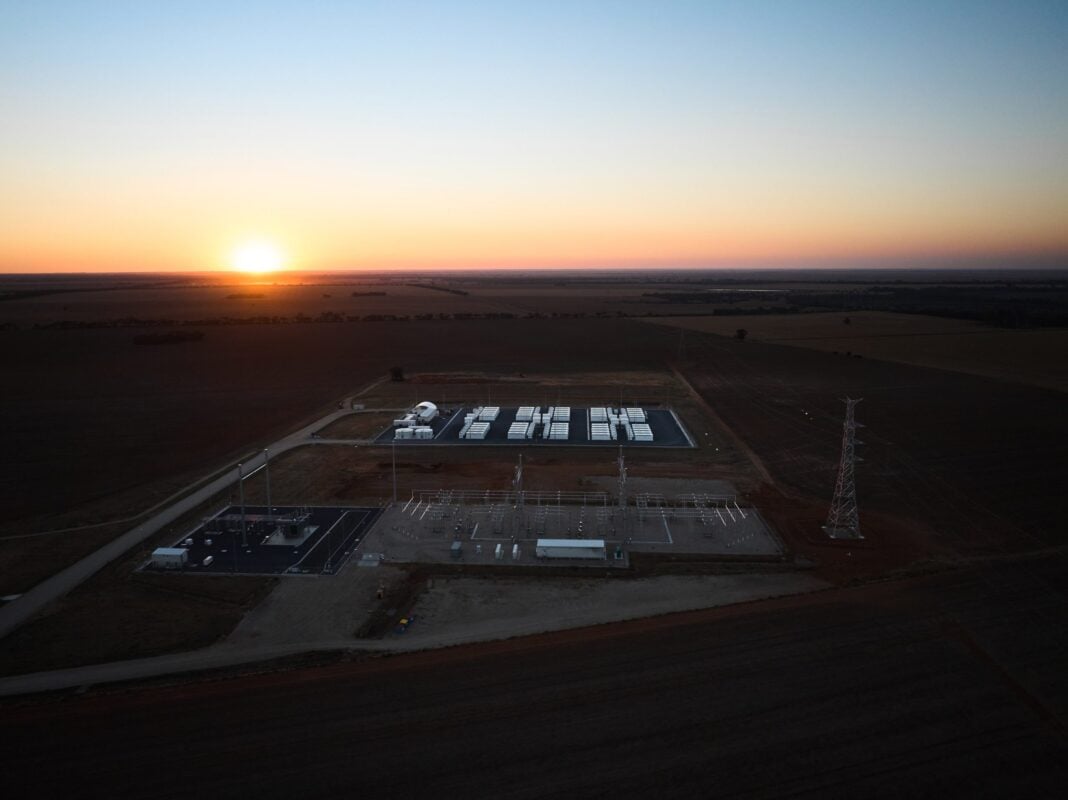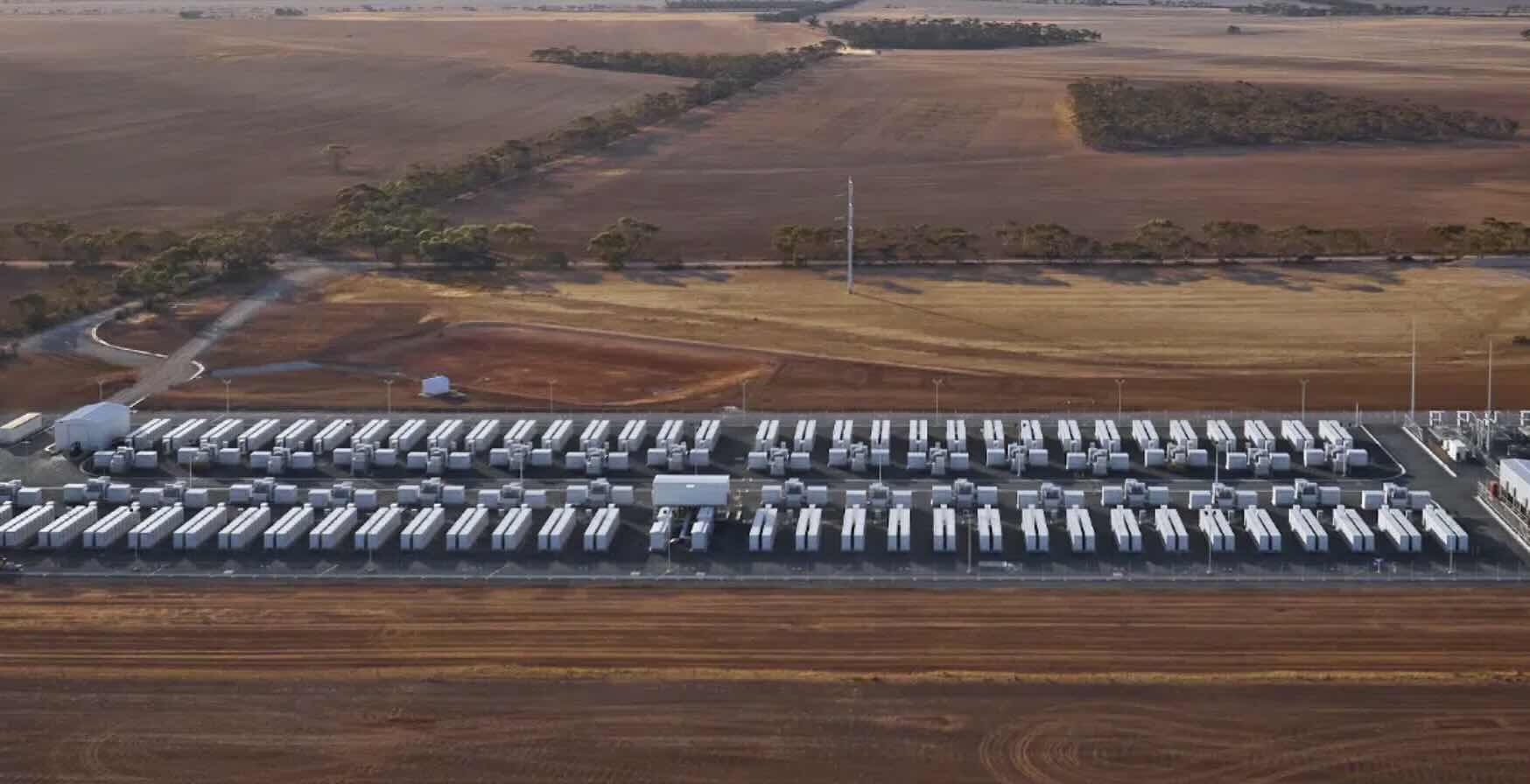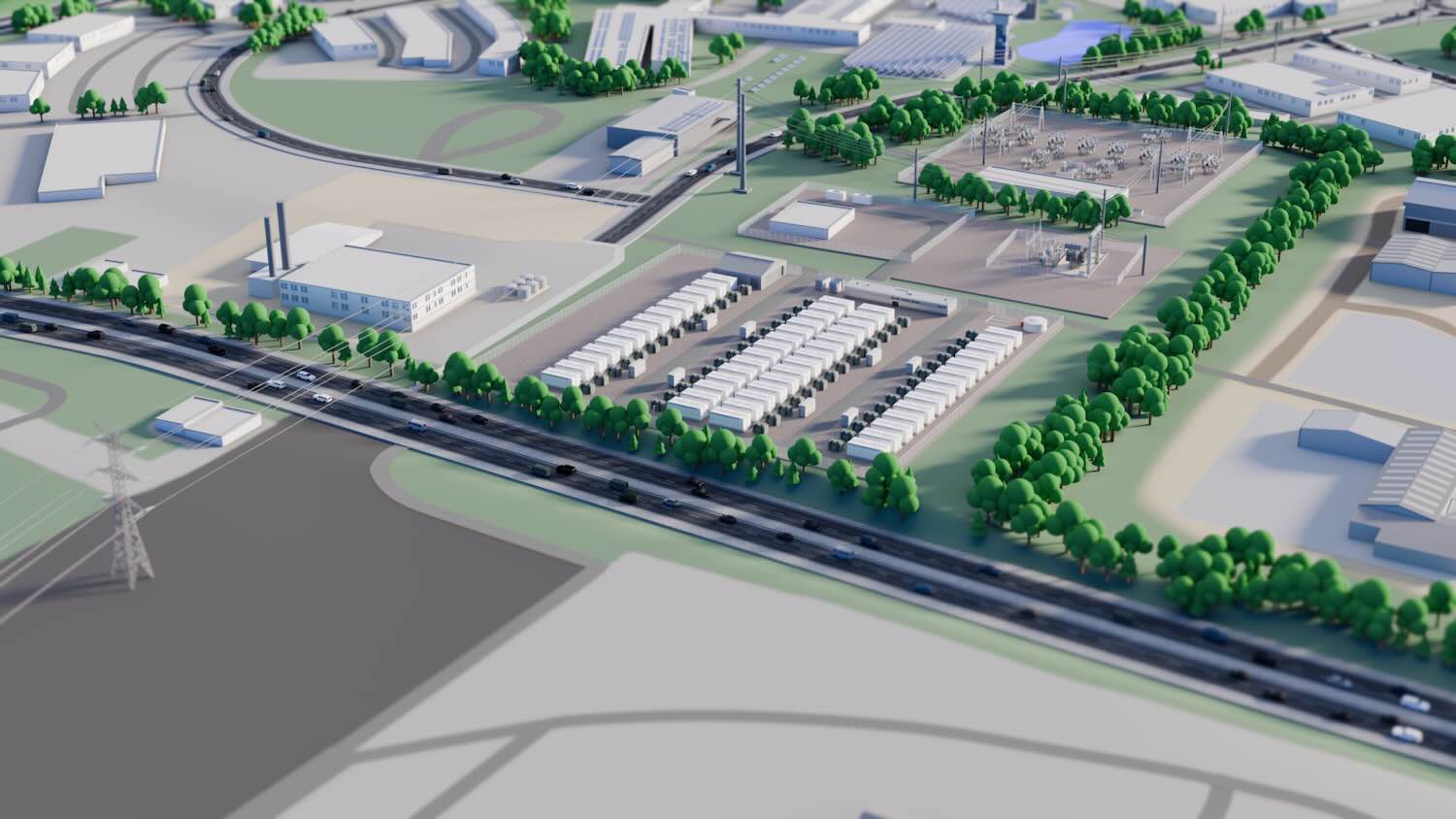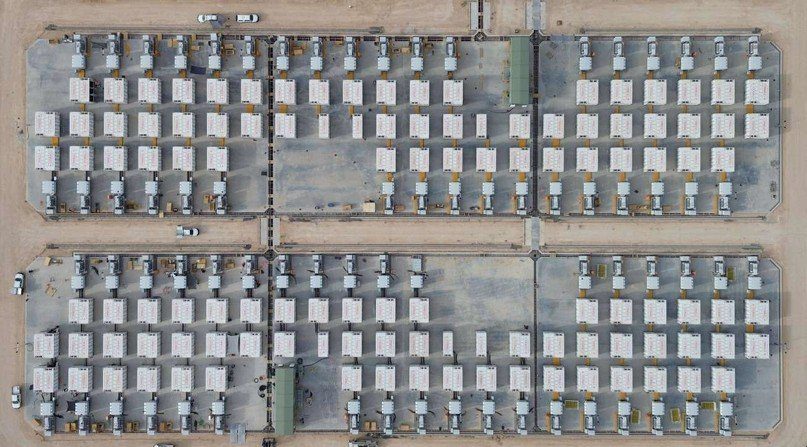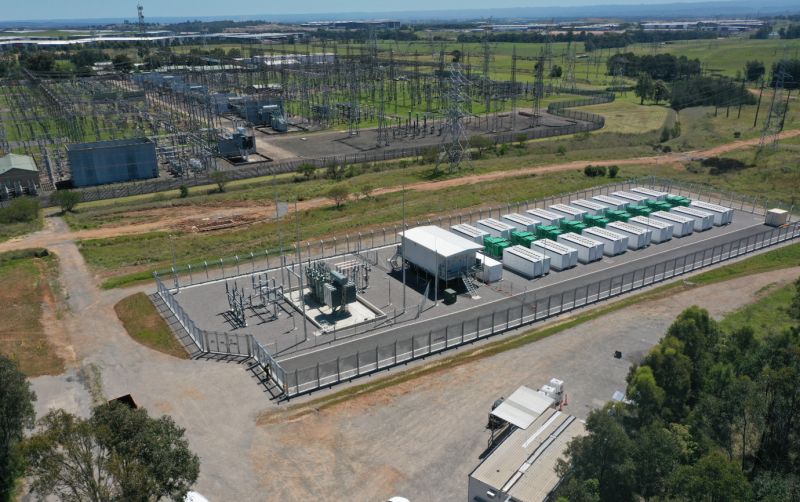
Grid-forming battery energy storage technology will play an expanded role in Transgrid’s plan to close system strength gaps in the New South Wales grid as coal generation exits and inverter-based resources continue to grow.
New South Wales (NSW) transmission network operator Transgrid plans to add more grid-forming batteries to its portfolio to provide essential system strength services to the state’s electricity grid as ageing coal-fired generators continue to exit the transmission network.
Transgrid, as the system strength service provider for NSW, had previously called for the contracting of up to 5 GW of grid-forming batteries, along with 10 synchronous condensors, to replicate the critical system services traditionally provided by coal, gas and hydro, but the grid operator said it has now reassessed its plan.
In the revised portfolio, Transgrid reconfirms the need for synchronous condensers but reduces the number from 10 units to eight and allows for an expanded role for grid-forming batteries.
Transgrid Executive General Manager of Network Jason Krstanoski said the shift in technologies is in response to “rapidly changing market conditions,” including the rising cost and delayed availability of synchronous condensers, and updates to anticipated NSW coal retirement timelines.