Electricity grids need inertia to maintain stability, but the way energy is now generated is making it harder to access.
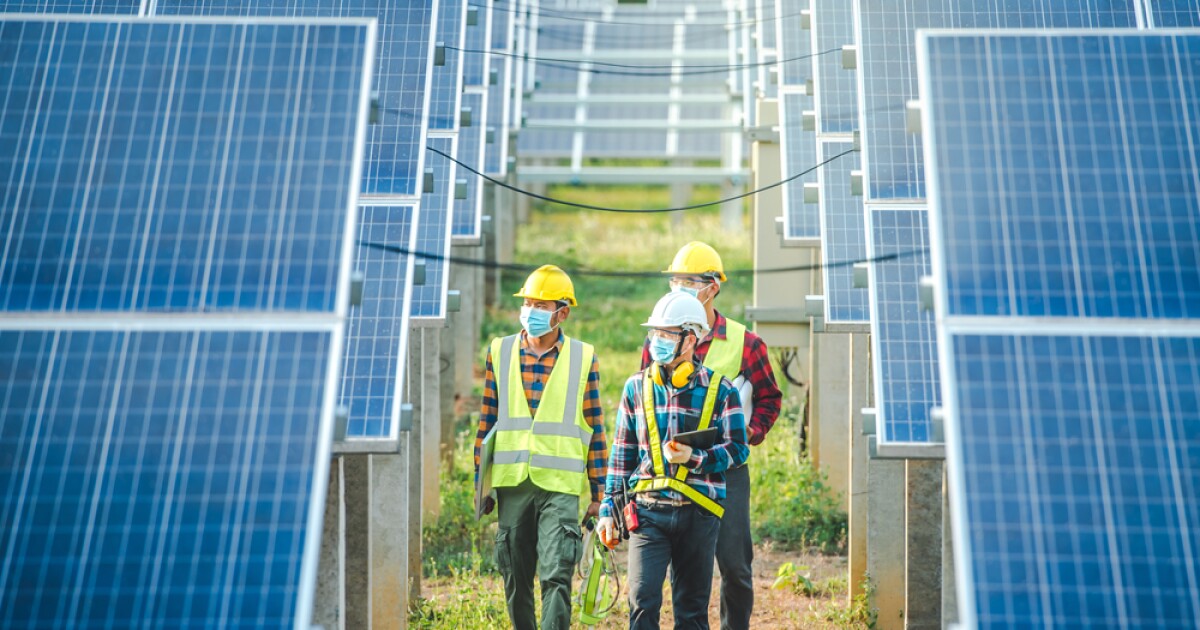
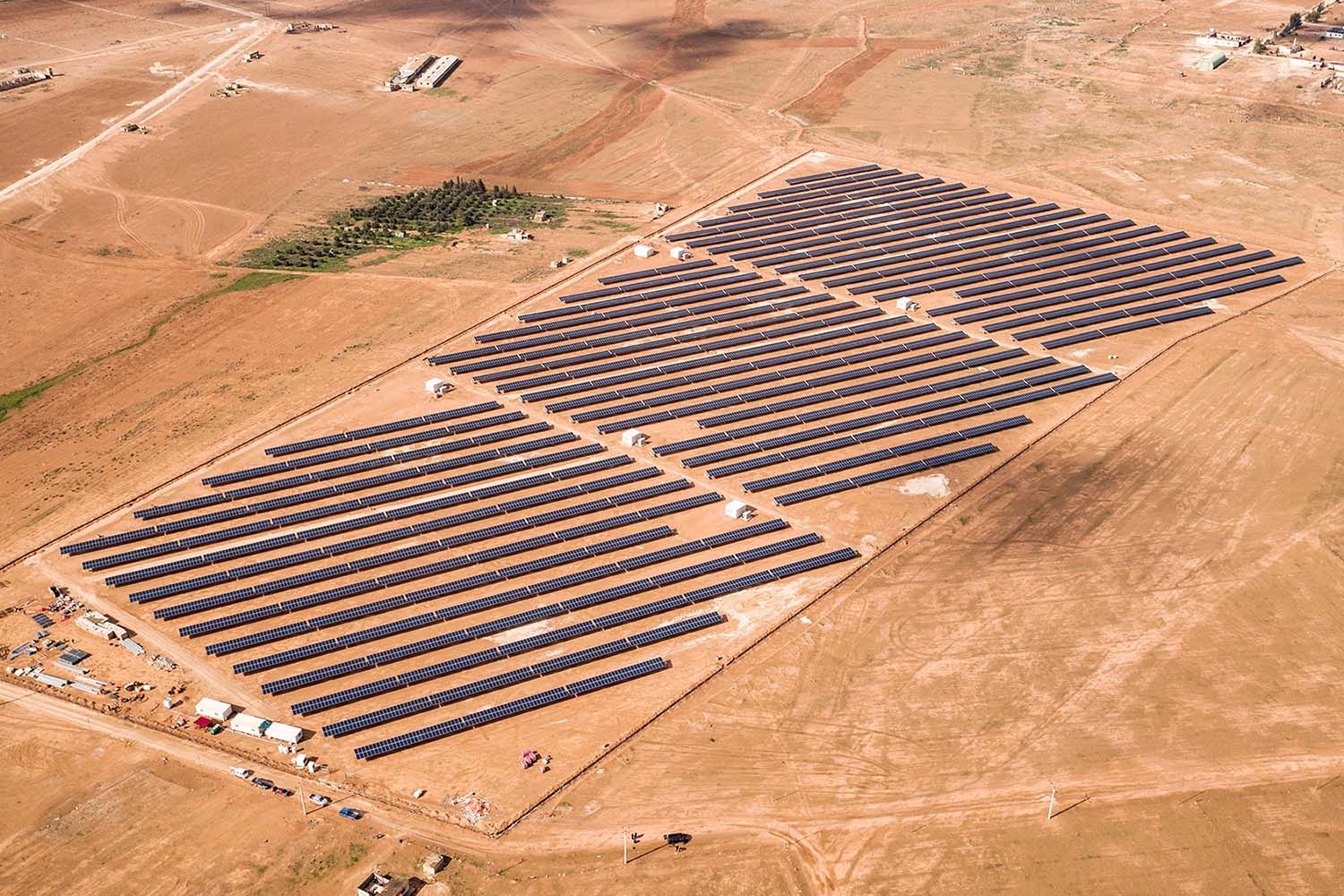
Synchronous generators, the heavy rotating turbines in coal, gas, nuclear and hydropower plants can provide control room engineers with the inertia needed to maintain frequency for the electrical system. Replace coal with solar and the control room must find inertia somewhere else. It’s a significant problem.
Initial studies in the United Kingdom from 2012 already revealed that if the volume of non-synchronous generation exceeded about 65% of total generation capacity running, the transmission system could not be secured against some credible potential faults. Proponents argue power electronics can bridge the gap.
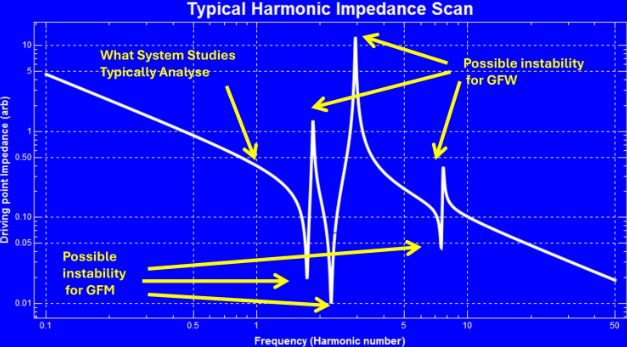
Grid forming vs. grid following
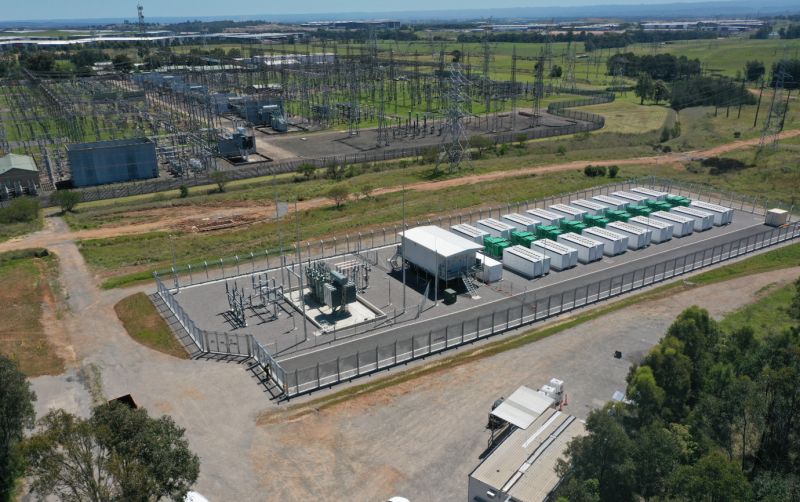
Grid-following inverters track voltage phase and frequency from the grid as a reference to synchronize and inject power. Grid-forming inverters use internal control algorithms to set their own voltage – often by emulating the behavior of a spinning generator to create a virtual synchronous machine.