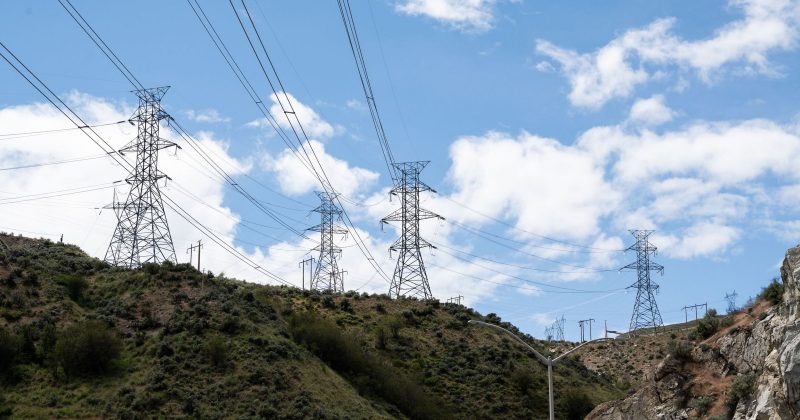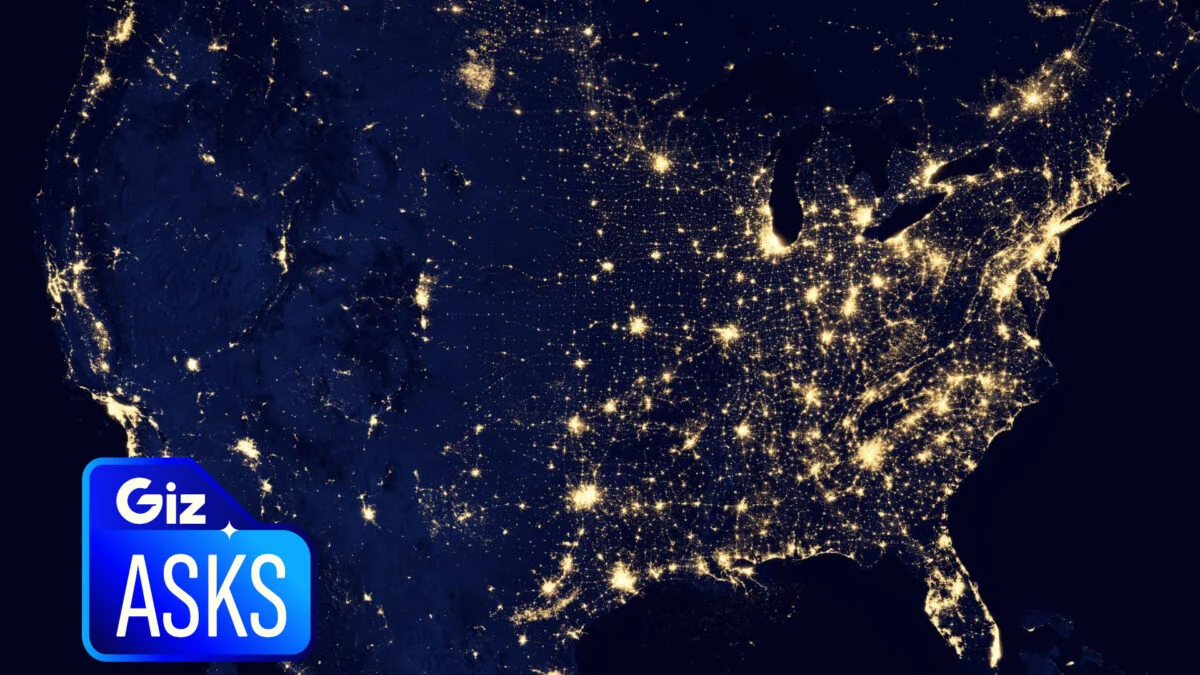
Most of America’s power grid infrastructure is 40 to 70 years old. That may not sound ancient, but modern-day pressures are exposing cracks in the system. Across the nation, aging power systems are crumbling under the strain of the AI boom, extreme weather, and policy paralysis. In several regions, operating reserves are tightening, increasing the risk that supply could fall short during peak conditions when routine outages are factored in. As a result, consumers are grappling with rising utility costs and reduced reliability. For this Giz Asks, we asked experts what it will take to modernize the U.S. power grid. They pointed to numerous challenges but also outlined clear ways to bring each component of this outdated system up to speed, from generation to distribution. Eric Hittinger Department chair and professor of public policy at Rochester Institute of Technology whose research focuses on energy policy. In the U.S., electricity demand has been pretty consistent over the last 40 years or so. This was a benefit to consumers because it meant that we didn’t need to expand or upgrade the system, and could spend just enough to maintain it. But this leaves us in a tricky time of transition, where decades of deferred upgrades are hitting at the same time that new electricity demand is showing up. In a physical sense, this means upgrades and expansion to every part of the electricity system: new generation and energy storage, high-voltage transmission lines, upgrades to electricity sub-stations, smart meters and appliances, and smarter measurement and control systems at every level. There are a lot of technical details, but the most interesting question about grid modernization may be: who will pay for all this new stuff? There isn’t an obvious answer. One possibility is that all electricity customers share the costs. Another answer is that new customers—such as large data centers—should shoulder the largest share, since they are the ones driving the additional demand. The government may also have an important role in funding infrastructure, since affordable and reliable electricity is a social good. This question of cost allocation will decide who has to pay, but it also affects how the electricity system evolves. If residential customers see a large increase in electricity costs, they will be less likely to adopt technologies like electric vehicles and heat pumps but more likely to get rooftop solar. If data centers are asked to pay for grid upgrades, they may decide to generate some or all of their own electricity from on-site gas turbines. It is a complicated problem with no easy solution, but the best plans will come out of coordination between utilities, government regulators and policymakers, and electricity customers to identify a way to share the costs of modernization that is fair, affordable, and encourages adoption of clean technologies. Alexandra Klass James G. Degnan Professor of Law at Michigan Law who specializes in energy law. Klass also served as deputy general counsel for energy efficiency and clean energy demonstrations at the U.S. Department of Energy from April 2022 to July 2023.
What Will It Take to Modernize the US Power Grid?
America’s aging electric grid is struggling to meet modern demands—especially amid the AI boom. Overhauling it will be no small feat.
1,558 words~7 min read