From the magazine
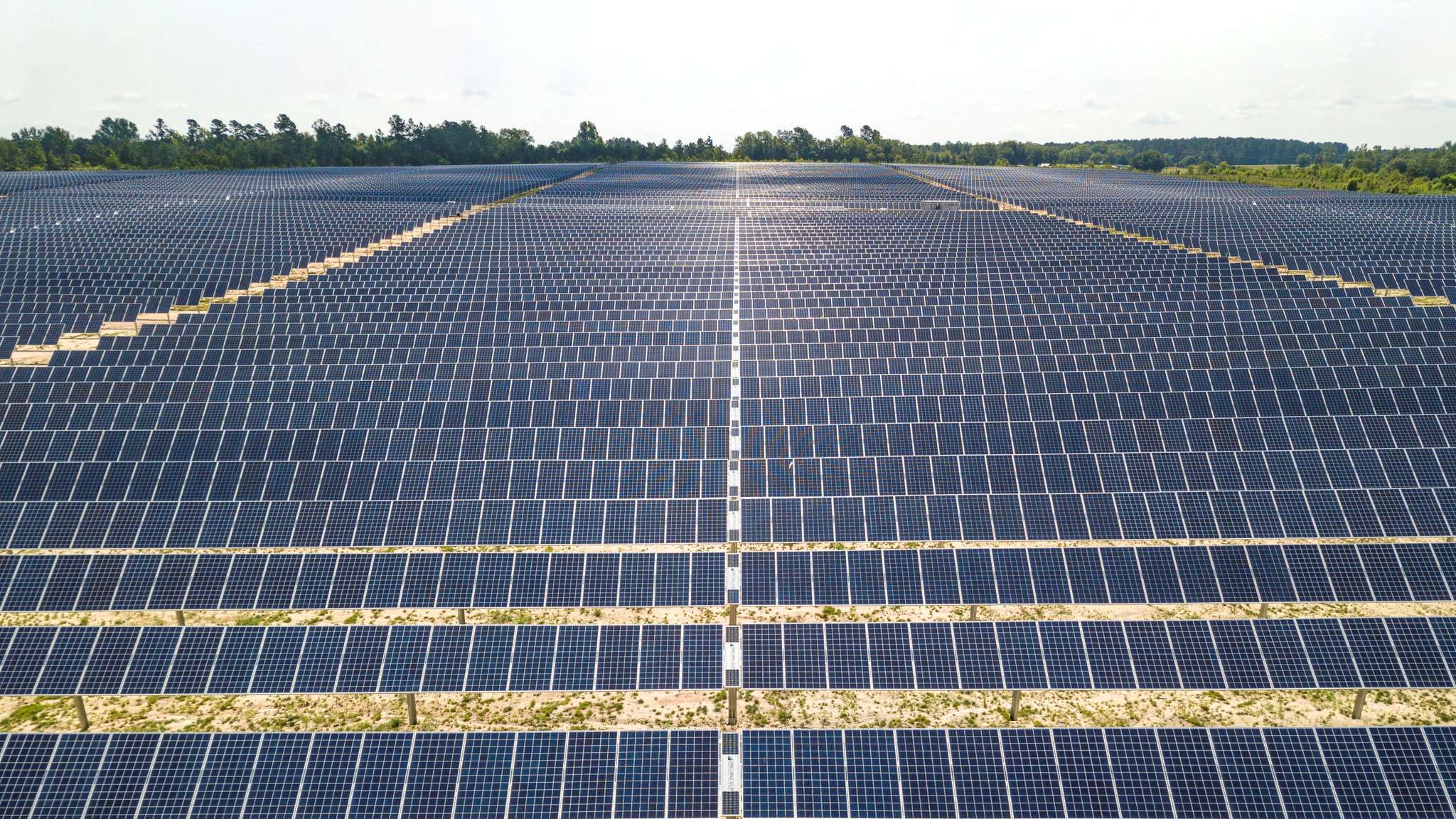
Utility-scale solar projects are larger, interconnections are slower, and engineering decisions must anticipate regulation and supply chains years in advance. At the CT Solar Platform in Snyder, Texas – a 1.6 GW AC single-site development – the first phase, CT Solar One (110 MW AC), has been a test bed for integrating civil design, BOS optimization and domestic-content strategy. Levona Renewables led the development and engineering of the project and CEO Fernando Queiroz shares some key lessons.
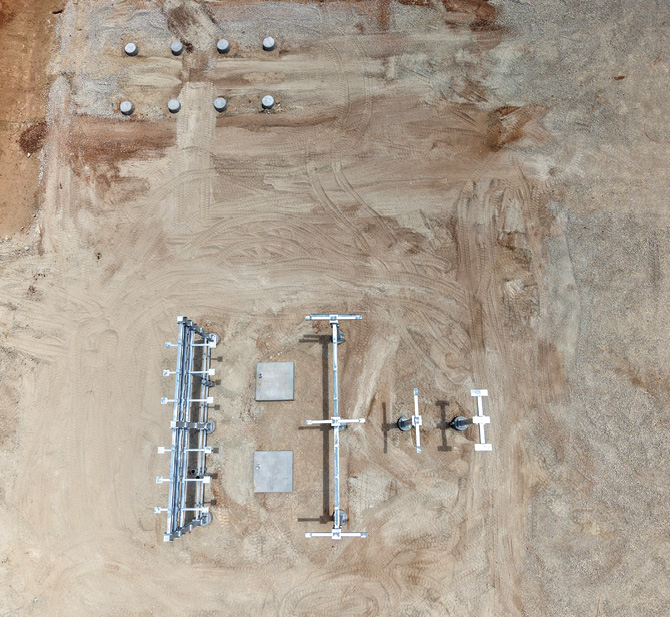
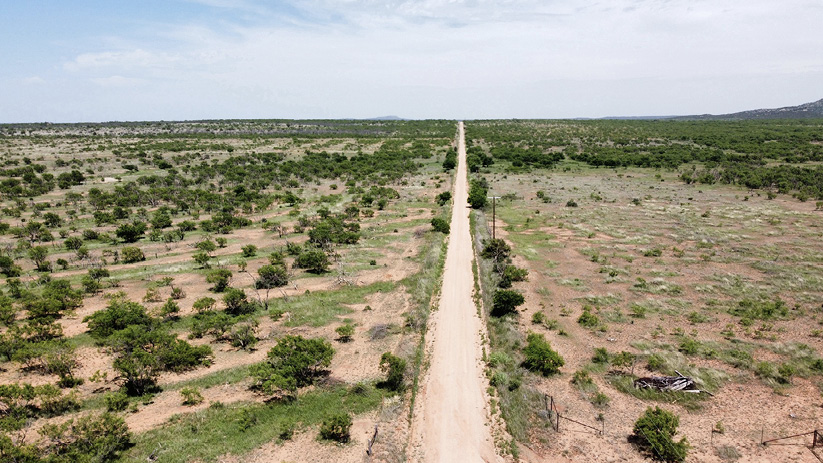
On utility-scale sites like this one in Snyder, Texas, micro-terrain matters more than contour lines. The CT Solar Platform had long gentle slopes that seemed straightforward for tracker installation. Once we began geotechnical and civil modeling, it became clear that natural drainage swales, soil transitions, and micro-basins would require the design to evolve.
The main lesson was that trackers could not function as the site’s drainage plan. On small projects, engineers sometimes use tracker rows as hydrological boundaries – simple lines that guide where rainwater flows and separate one watershed from another. This works at small scale because the land is relatively uniform and requires minimal earthmoving. On a large site, the grading volumes needed to level or reshape the terrain can reach hundreds of thousands of cubic meters. When earthworks become this large, the landform itself dominates water behavior, and tracker rows are no longer meaningful boundaries. The drainage system must be engineered first, and the tracker layout shaped around it.