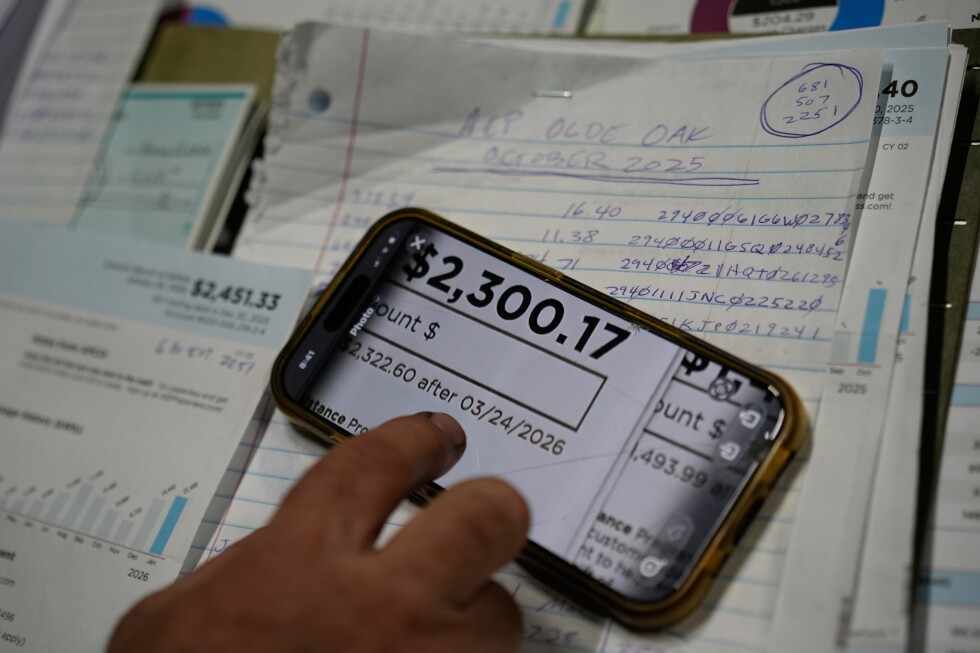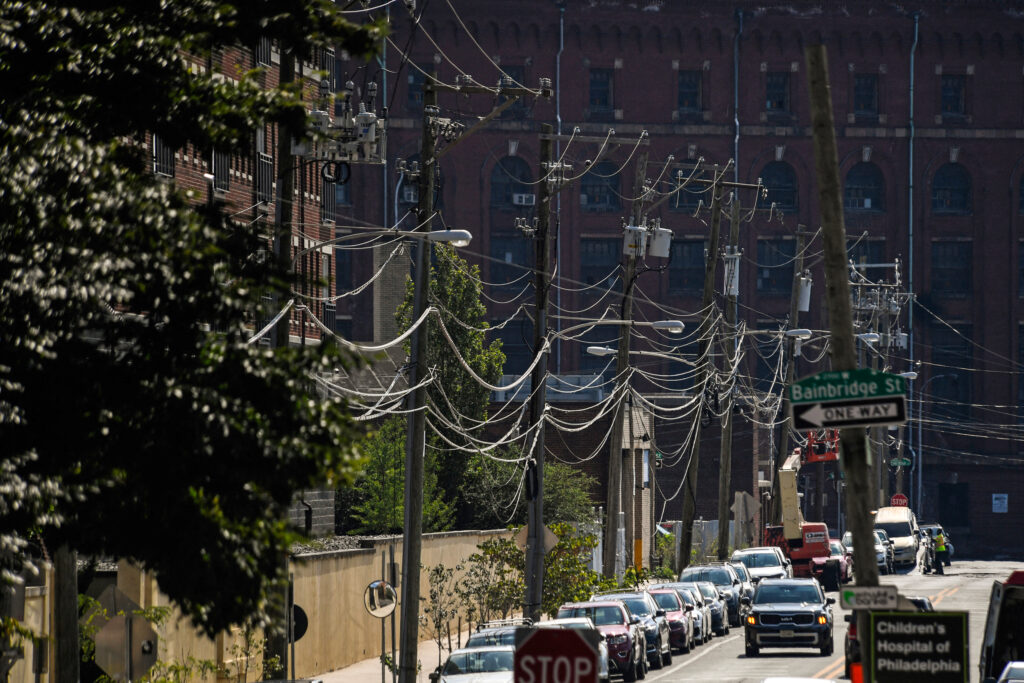
Pennsylvania needs more energy. Data centers are pushing demand skyward, utilities can’t build new capacity fast enough, and electric bills are on the rise. Medium-sized solar installations — smaller than utility-scale farms but larger than home rooftop arrays — could help ease the pressure.
But state lawmakers, utilities, regulators, and solar developers are tussling over the rules that govern such installations, and it’s unclear whether new legislation to resolve their disputes will be passed this year. That worries Victoria Stulgis, president of Black Bear Energy.
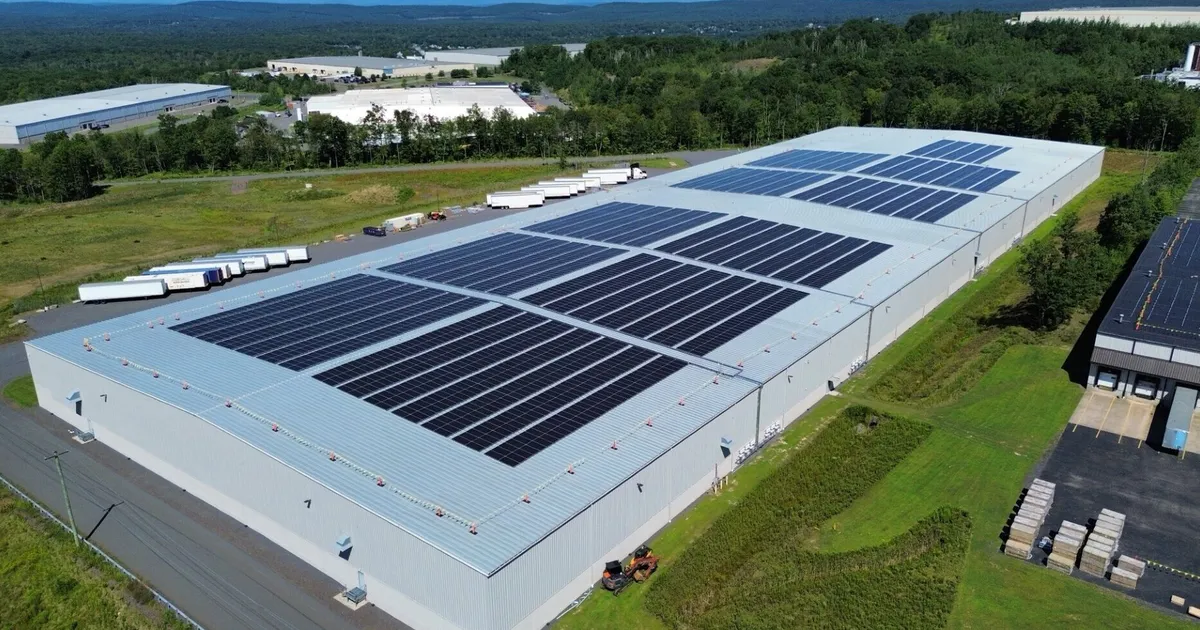
Last month, her company and its partners celebrated the energization of 4.9 megawatts of solar on the roofs of two warehouses owned by EQT Real Estate in Mountain Top, Pennsylvania. The two projects, developed by Sigma Renewables and Scale Microgrids and managed by Black Bear Energy, are among roughly 2,100 mid-sized generation projects being planned in the state, most of them distributed solar.
What makes these projects possible is Pennsylvania’s Alternative Energy Portfolio Standards Act, a 2004 law allowing medium-sized projects that generate power with a range of technologies, from solar and wind to waste biomass and coal-bed methane, to earn a relatively high rate for the energy they feed to the grid.