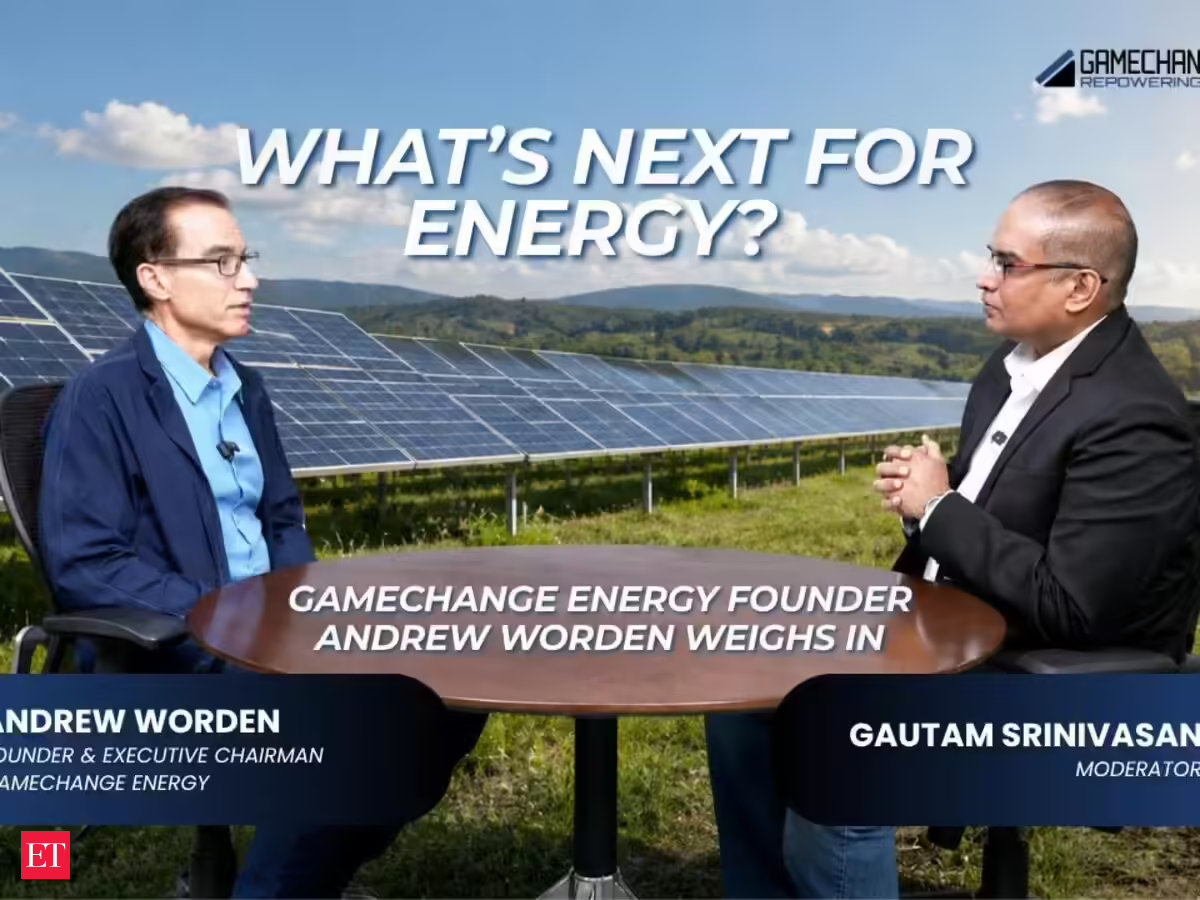
Managing multiple suppliers across trackers, eBOS, transformers, and O&M adds cost and risk to every utility-scale project. A more integrated approach from manufacturers – most recently, GameChange Energy – streamlines both procurement and construction, reducing risk for developers and EPCs, according to the company’s CEO, Phillip Vyhanek.
How does the fragmented utility-scale solar supply chain impact developers and EPCs?
Vyhanek: The economics of utility-scale solar have always depended on execution – getting the right equipment to the right place at the right time, then keeping systems running at full capacity. But as utility-scale solar projects grow larger and more complex, managing multiple suppliers for trackers, transformers, eBOS, and inspection programs creates more handoffs, greater risk, and more time spent on logistics rather than performance.
What’s driving GameChange Energy’s recent expansions?
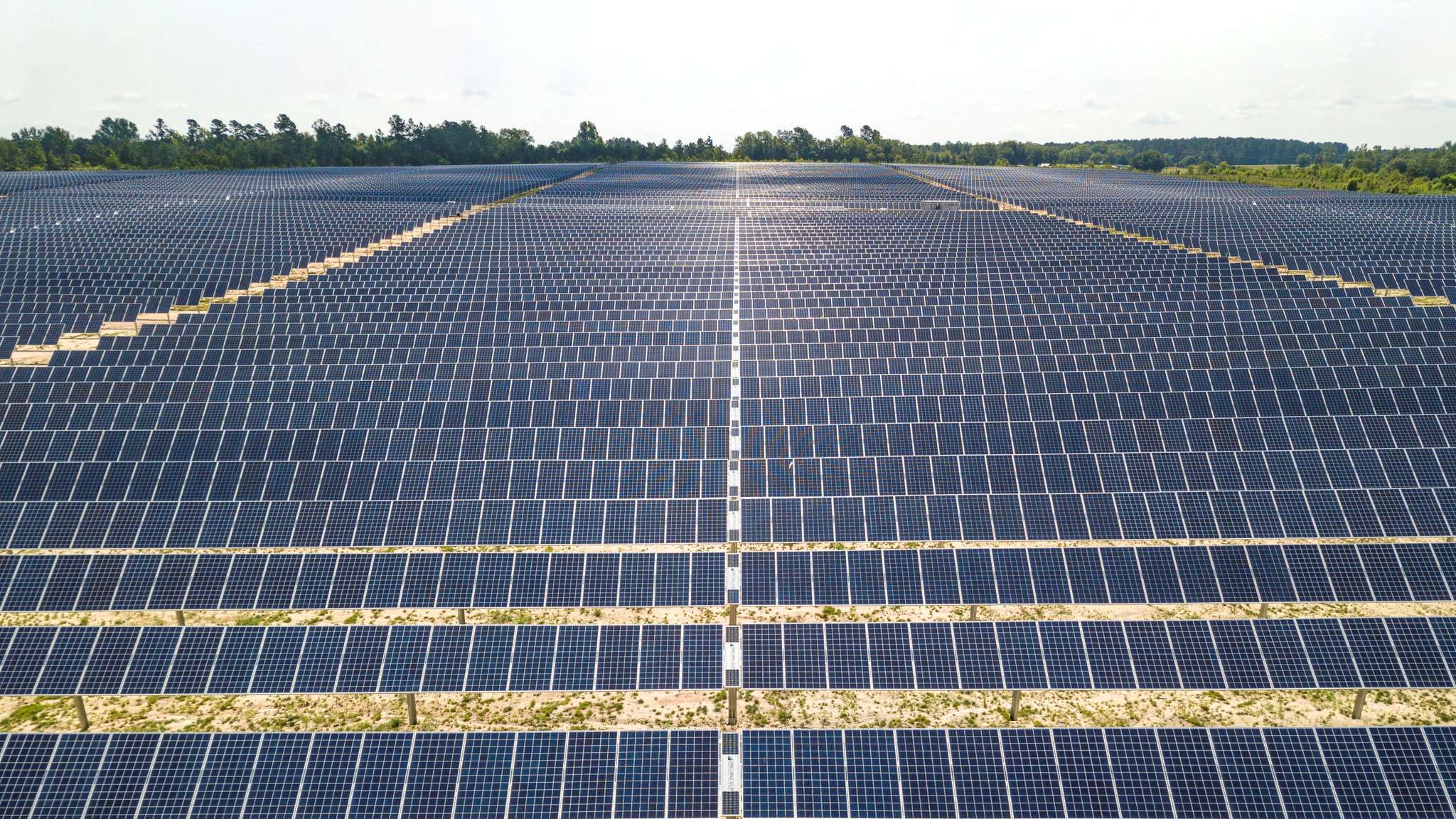
Vyhanek: GameChange Energy, with over 58 GW of trackers deployed across six continents since 2012, has spent the past two years building an integrated platform to reduce the supply chain burden on developers and EPCs.