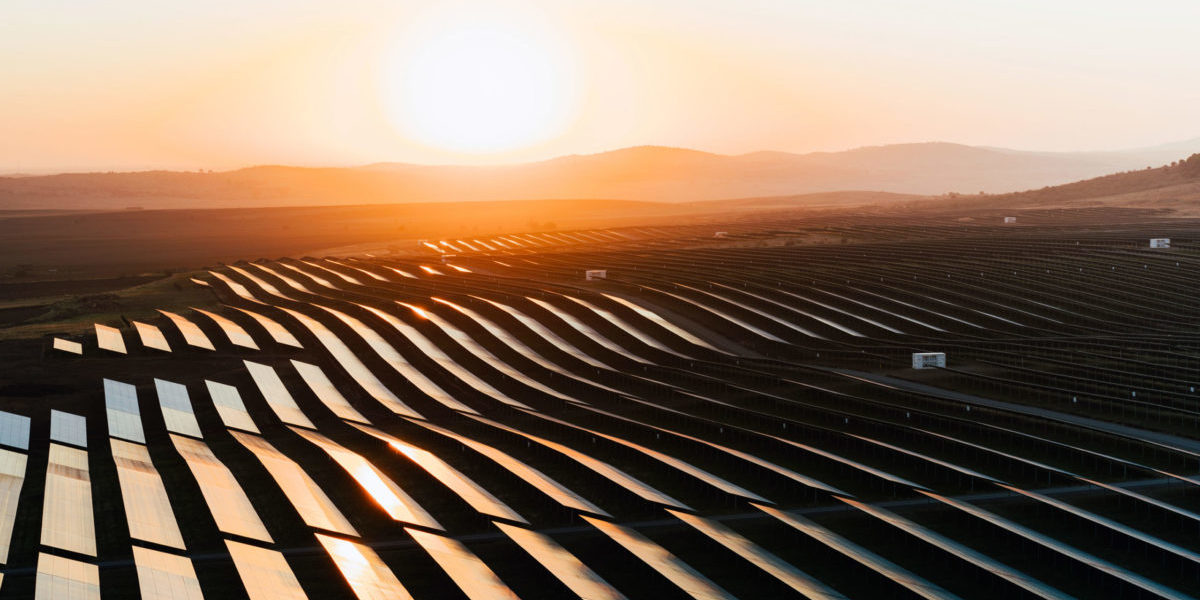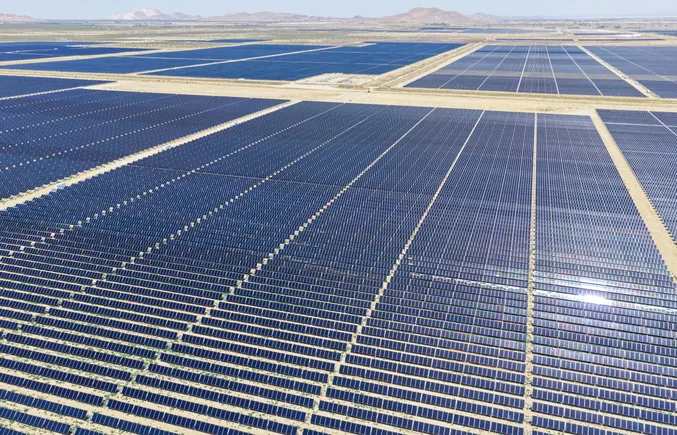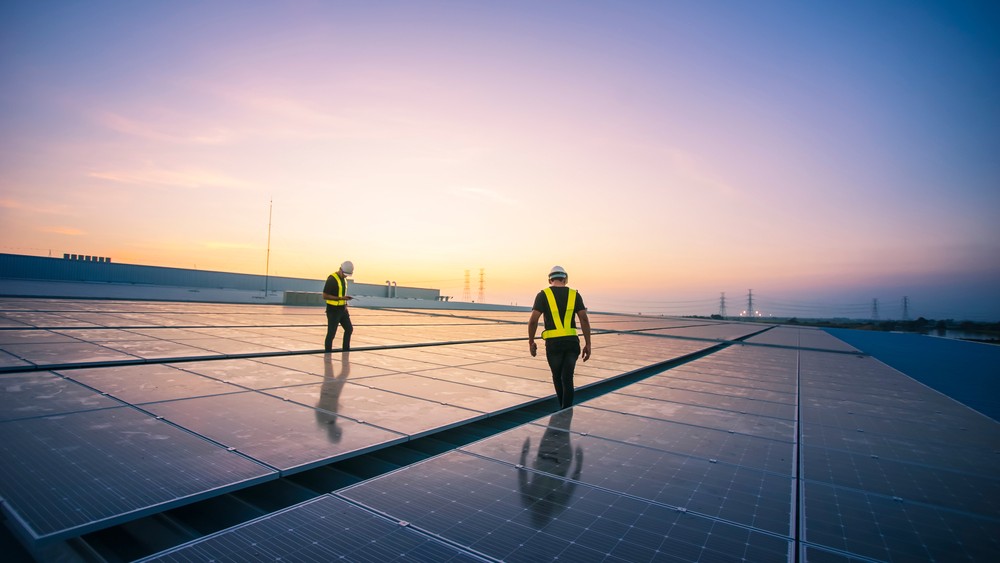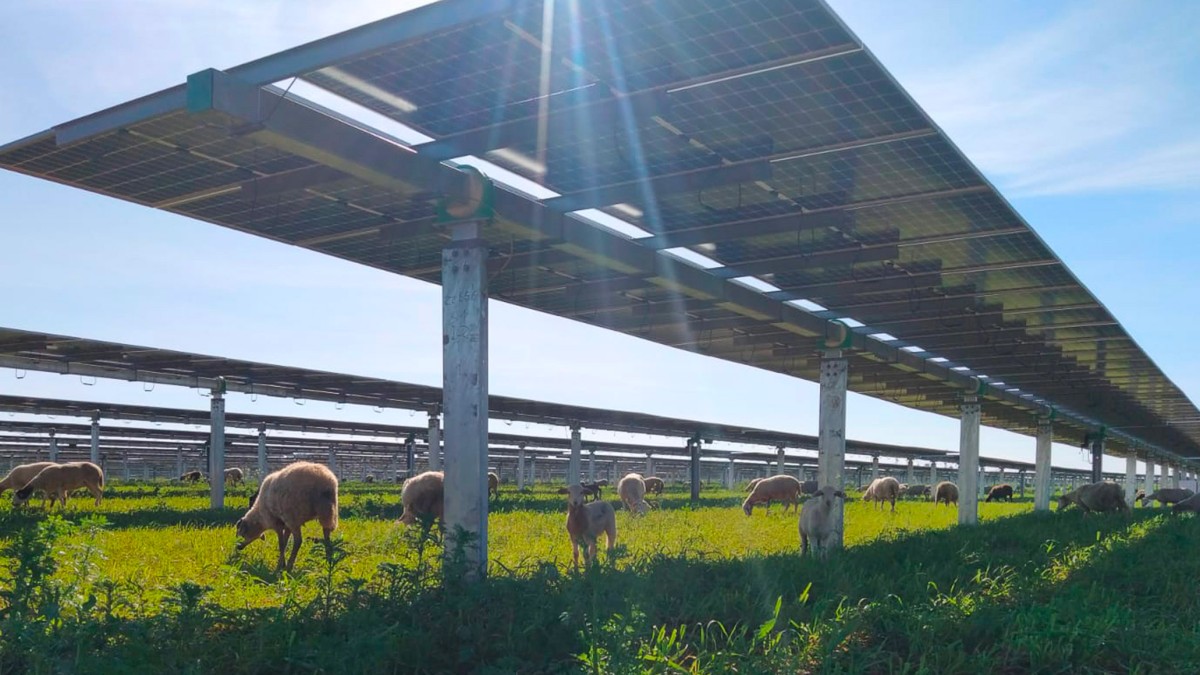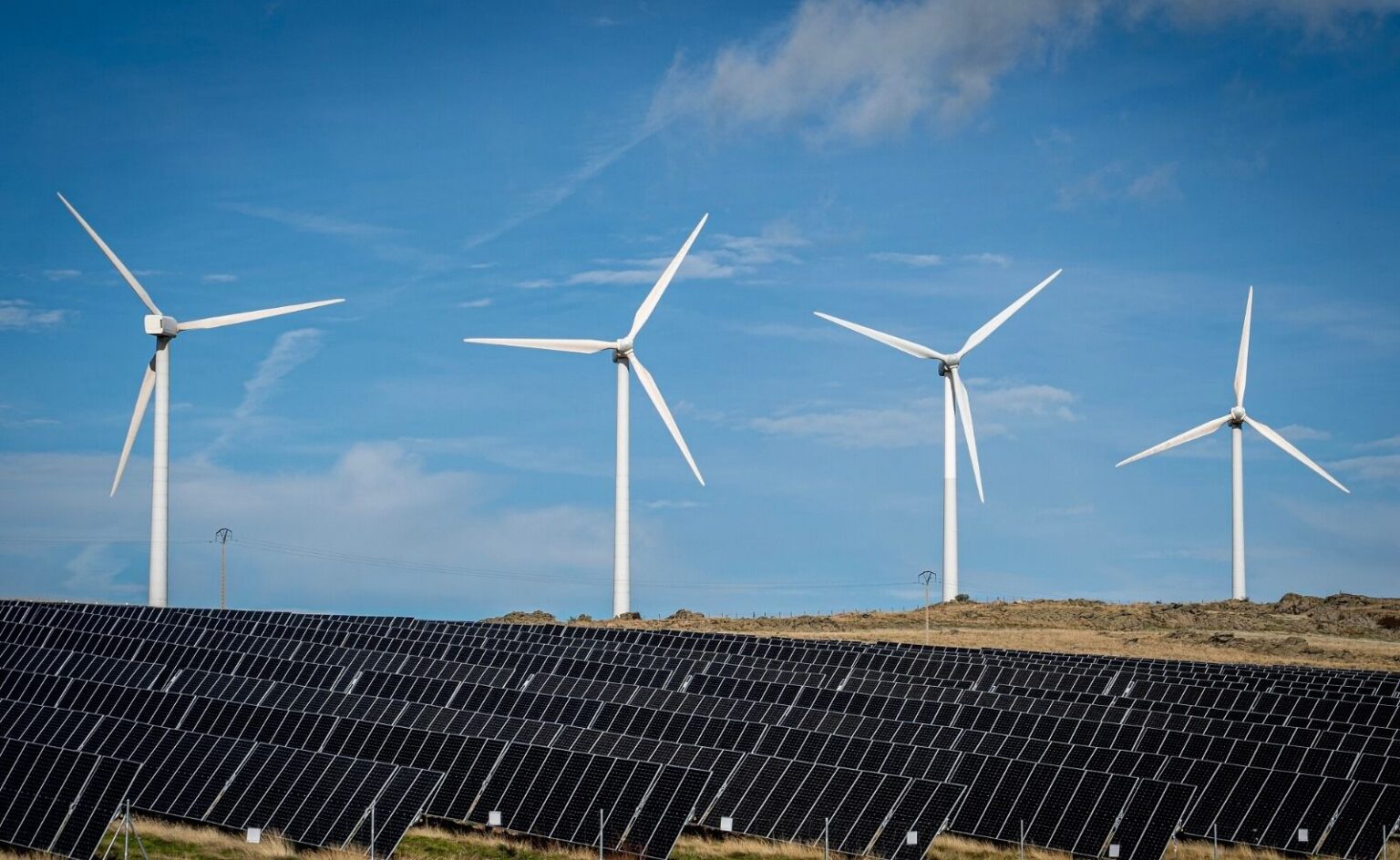
Solar’s next economic frontier may not be producing another low-cost kilowatt-hour. It may be finding a productive use for the kilowatt-hours the grid cannot accept.
Lazard’s recent 2026 Levelized Cost of Energy+ report again identifies utility-scale solar as one of the least-expensive sources of new generation, with an unsubsidized LCOE of approximately $40 to $61 per MWh. Yet Lazard also emphasizes firming costs, capacity accreditation, and the importance of evaluating renewable resources within regional reliability frameworks, not simply by their average cost of production.
That distinction matters because solar’s lowest-cost electricity frequently arrives when its market value is lowest. On bright spring afternoons, PV production can exceed demand or transmission capacity, producing negative prices and curtailment. The conventional response is to reduce output from an asset that is technically capable of producing more electricity. The better question is: What productive process could absorb that surplus?
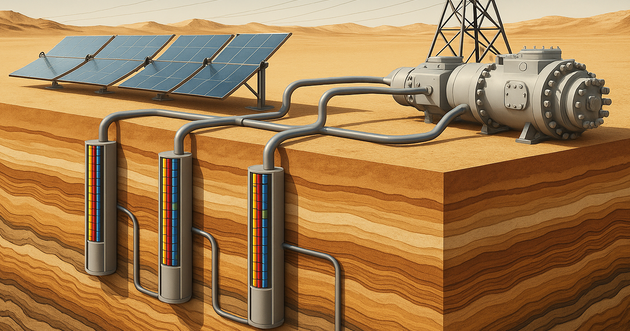
Geo2Watts has developed the Borehole Battery Platform, or BBP, around that opportunity. Instead of treating excess PV generation as an oversupply problem, the BBP would use it as charging energy for a high-temperature heat pump. Electricity drives a compressor that increases available heat and transfers it through a closed-loop water system into repurposed idle oil and gas wells, where the energy is stored at temperatures limited to approximately 200°C. During evening peaks or other high-value periods, the stored heat drives an expander-generator to produce dispatchable clean electricity.