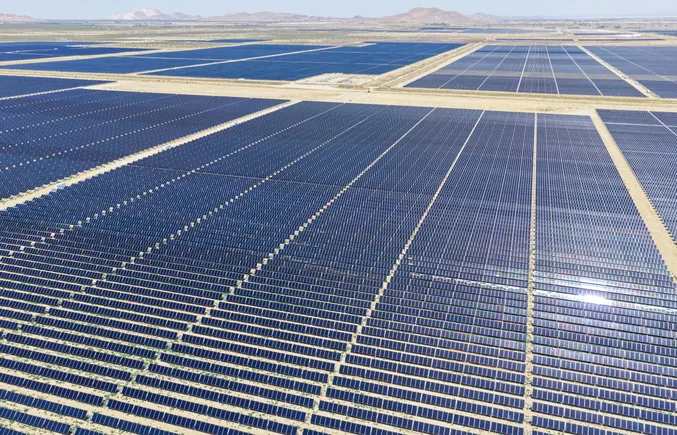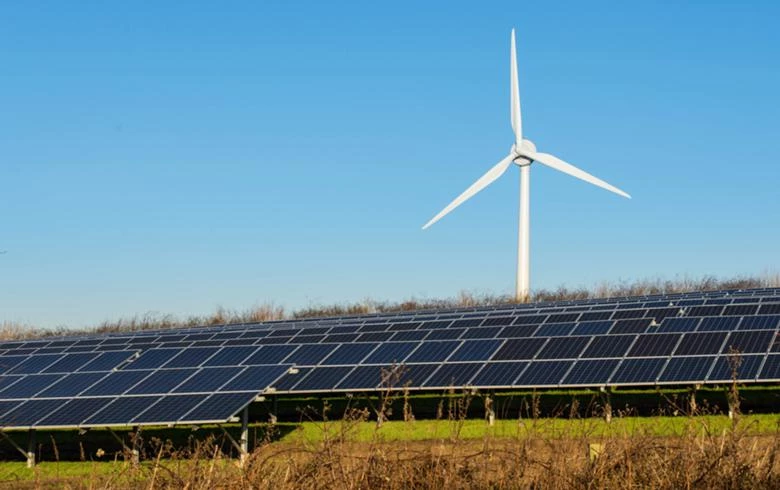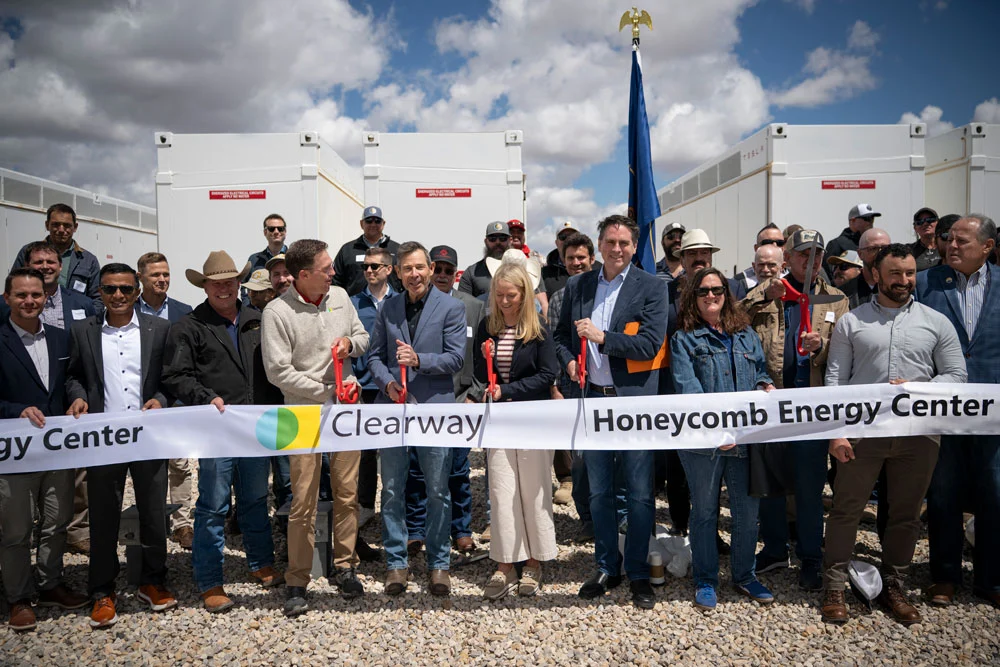
Utility-scale solar PV remains one of the lowest-cost sources of new electricity despite an 18% year-on-year increase in unsubsidized LCOE to $40–98/MWh, driven by higher capital costs, interest rates, tariffs, and supply chain pressures. Over the long term, however, utility-scale solar maintains a strong cost advantage over most conventional and alternative generation technologies.
The levelized cost of energy (LCOE) for utility-scale solar PV has increased slightly year on year due to higher capital costs, interest rates, tariffs, and ongoing supply chain pressures, according to the 2026 Levelized Cost of Energy Report published by US-based financial firm Lazard.
The report compares the LCOE of various electricity generation technologies on a dollar-per-megawatt-hour ($/MWh) basis. Its analysis excludes US federal tax subsidies, carbon pricing, and other policy incentives, while incorporating technology-specific assumptions for fuel costs and cost of capital.
Lazard bankers found that unsubsidized utility-scale solar PV remains among the lowest-cost electricity generation options, with an LCOE range of approximately $40/MWh to $98/MWh, compared with $38/MWh to $78/MWh in 2025. While costs increased year-o-year, the longer-term trend has been mixed. Solar LCOEs rose significantly from 2021 to 2023 following the post-COVID recovery, remained flat or declined slightly from 2023 to 2025, and increased again from 2025 to 2026. Despite the recent increase, the bankers noted that solar continues to maintain a significant cost advantage over most conventional and alternative renewable energy technologies.