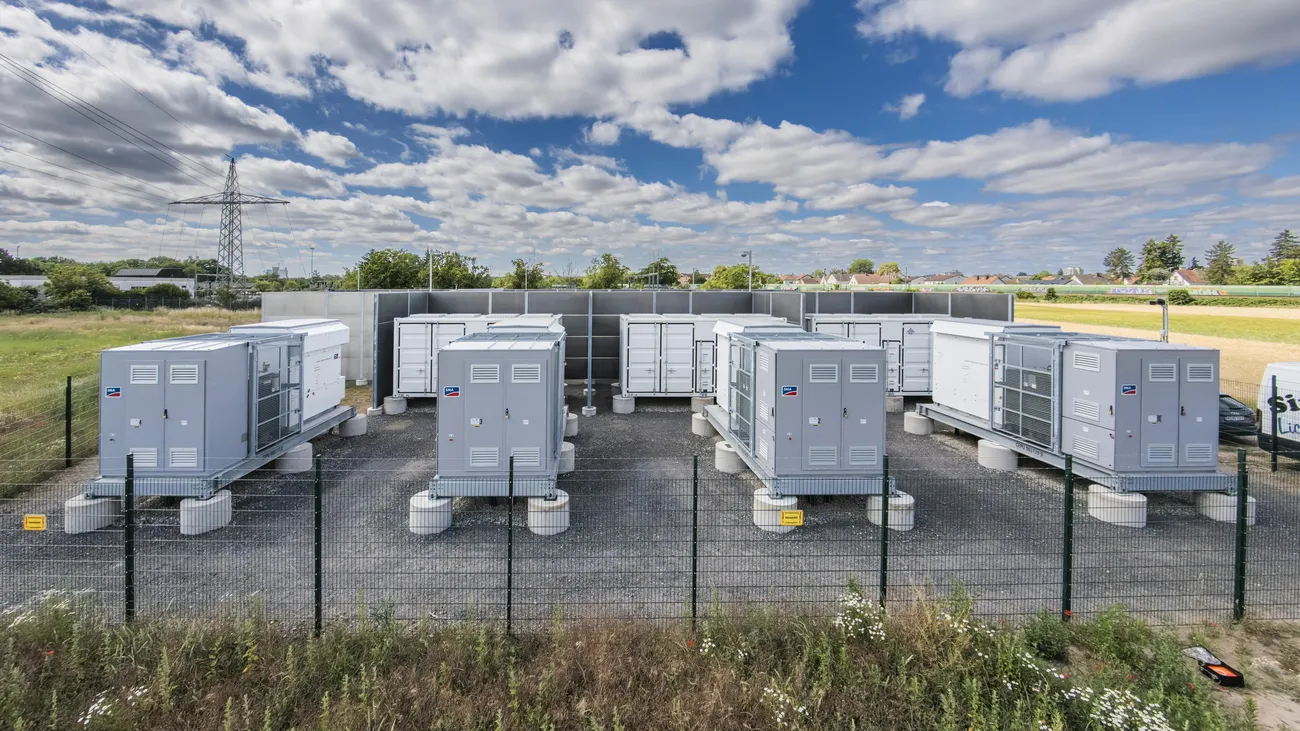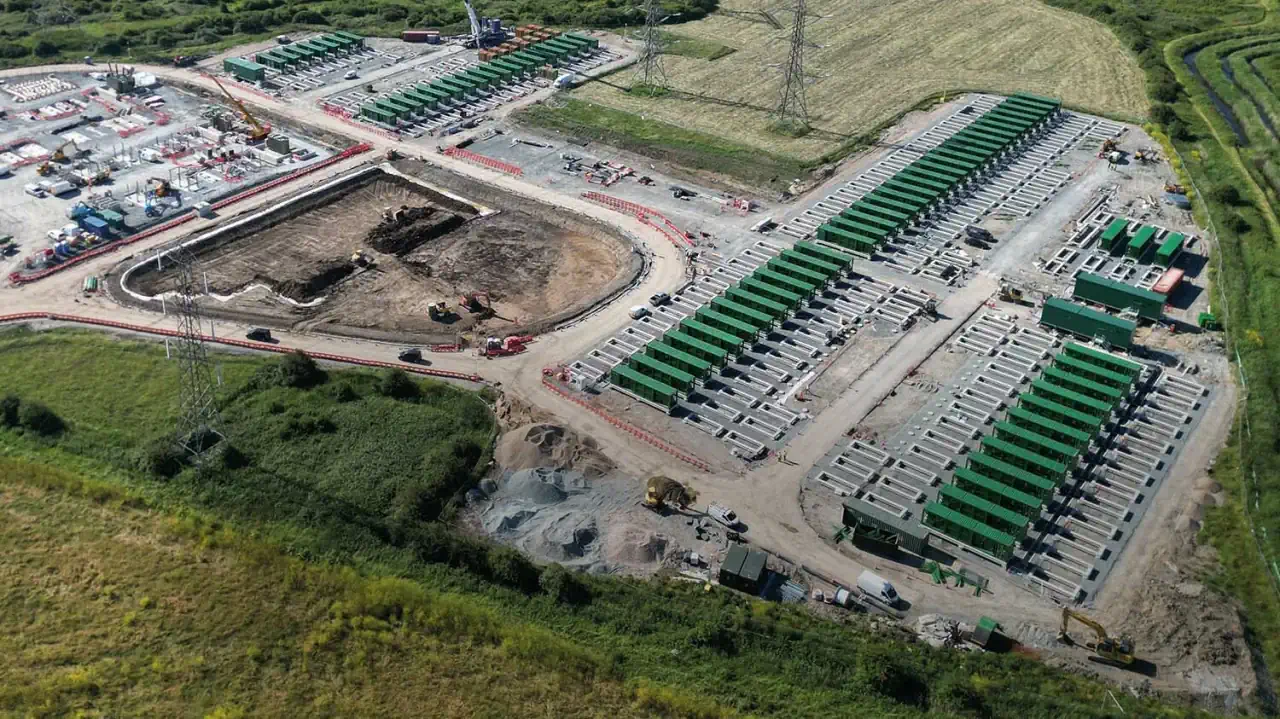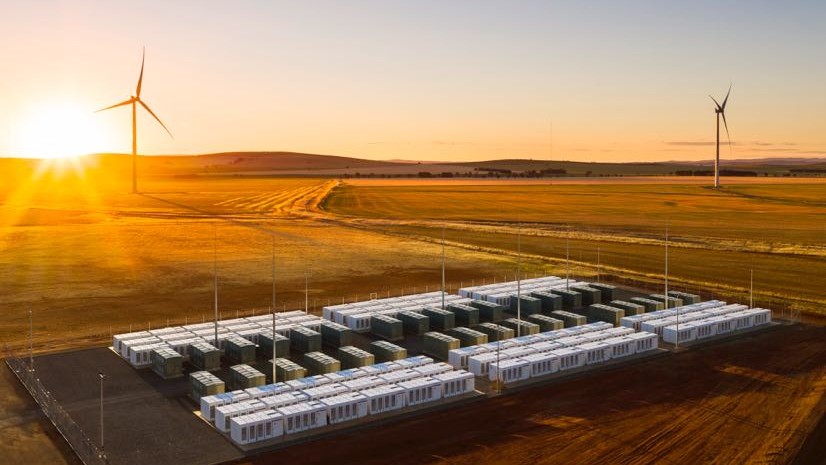
Germany's battery storage capacity is growing fast, yet the technology's potential remains unfulfilled as regulatory uncertainties leave many projects in limbo, the German Solar Association (BSW) has said. Having added over two gigawatt-hours (GWh) of storage capacity in the first quarter of 2026, the country now boasts a total installed capacity of 30 GWh. Large-scale storage grew particularly fast in the first quarter, with capacity rising 290 percent compared to the same period one a year earlier, bringing the total to about 6 GWh. However, projects totalling around 58 GWh are currently in the planning pipeline, with their implementation far from certain, said BSW head Carsten Körnig. “Germany is currently seeing a storage boom. Whether this will translate into the required storage capacity depends on the political and regulatory framework,” he said. According to analysis by consultancy Enervis, only 15 GWh of new capacity will be added with relative certainty by 2029.To better unlock the potential of battery storage, which enables more flexible use of renewable electricity, the government must remove regulatory hurdles and ensure faster grid connection for new projects, the solar power industry group said. More batteries are a prerequisite for making the energy transition more reliable and cost-efficient while reducing the need for costly grid interventions, the association added. “A lot of investments are ready to get started,” Körnig said, calling on the government to create the conditions to bring them online. The group said grid connection procedures must become more standardised and streamlined and that batteries should become the default option for managing grid bottlenecks rather than curtailing renewable energy output. Regulatory changes should allow multiple users to access stored electricity, while large consumers, such as industrial facilities, should find it easier to install batteries at their own grid connection points. Providing adequate backup capacity for times of low renewable power output is a central challenge of the energy transition. Germany’s government is betting primarily on gas-fired power plants to bridge shortfalls in renewable energy output and absorb surplus generation that would otherwise require curtailment. Researchers and analysts have said argued that batteries deserve a greater role in backup provision and have been neglected in favour of fossil fuel-based centralised technologies.
Battery storage growing fast in Germany, higher potential through rule changes – solar industry
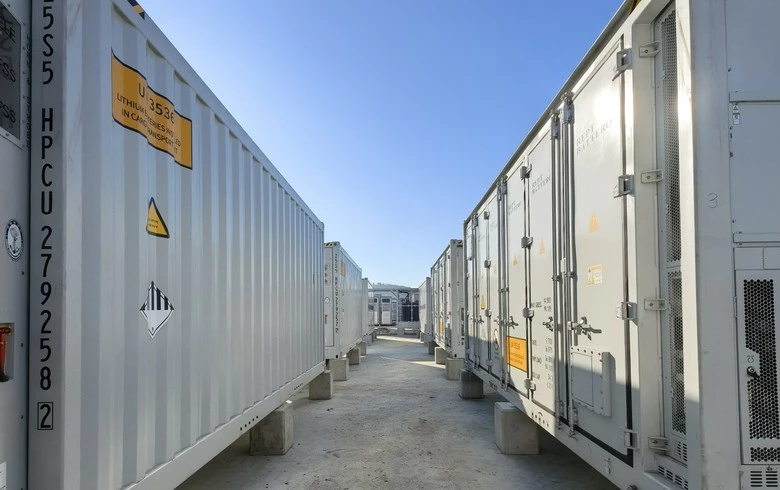
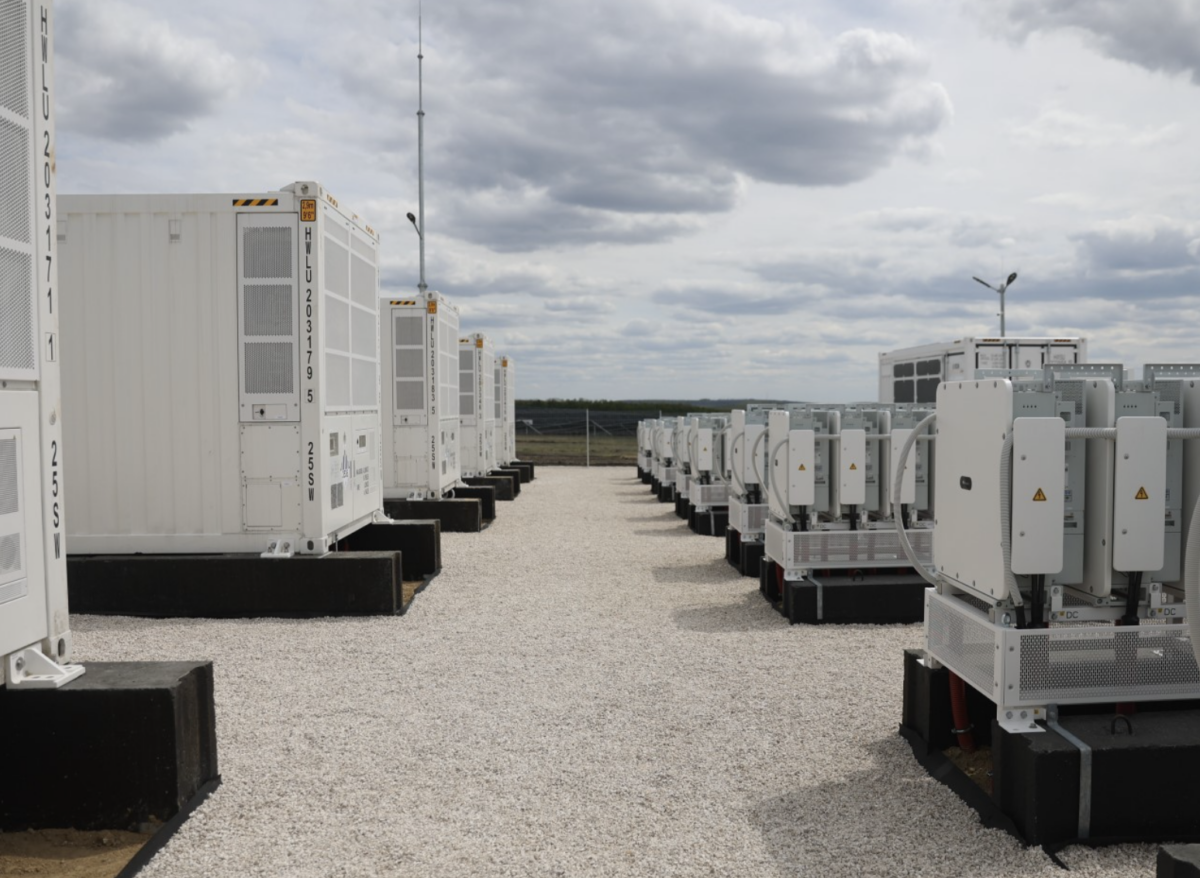
Germany's battery storage capacity is growing fast, yet the technology's potential remains unfulfilled as regulatory uncertainties leave many projects in limbo, the German Solar Association (BSW) has said. Having added over two gigawatt-hours (GWh) of storage capacity in the first quarter of 2026, the country now boasts a total installed capacity of 30 GWh. Large-scale storage grew particularly fast in the first quarter, with capacity rising 290 percent compared to the same period one a year earlier, bringing the total to about 6 GWh. However, projects totalling around 58 GWh are currently in the planning pipeline, with their implementation far from certain, said BSW head Carsten Körnig. “Germany is currently seeing a storage boom. Whether this will translate into the required storage capacity depends on the political and regulatory framework,” he said. According to analysis by consultancy Enervis, only 15 GWh of new capacity will be added with relative certainty by 2029.To better unlock the potential of battery storage, which enables more flexible use of renewable electricity, the government must remove regulatory hurdles and ensure faster grid connection for new projects, the solar power industry group said. More batteries are a prerequisite for making the energy transition more reliable and cost-efficient while reducing the need for costly grid interventions, the association added. “A lot of investments are ready to get started,” Körnig said, calling on the government to create the conditions to bring them online. The group said grid connection procedures must become more standardised and streamlined and that batteries should become the default option for managing grid bottlenecks rather than curtailing renewable energy output. Regulatory changes should allow multiple users to access stored electricity, while large consumers, such as industrial facilities, should find it easier to install batteries at their own grid connection points. Providing adequate backup capacity for times of low renewable power output is a central challenge of the energy transition. Germany’s government is betting primarily on gas-fired power plants to bridge shortfalls in renewable energy output and absorb surplus generation that would otherwise require curtailment. Researchers and analysts have said argued that batteries deserve a greater role in backup provision and have been neglected in favour of fossil fuel-based centralised technologies.