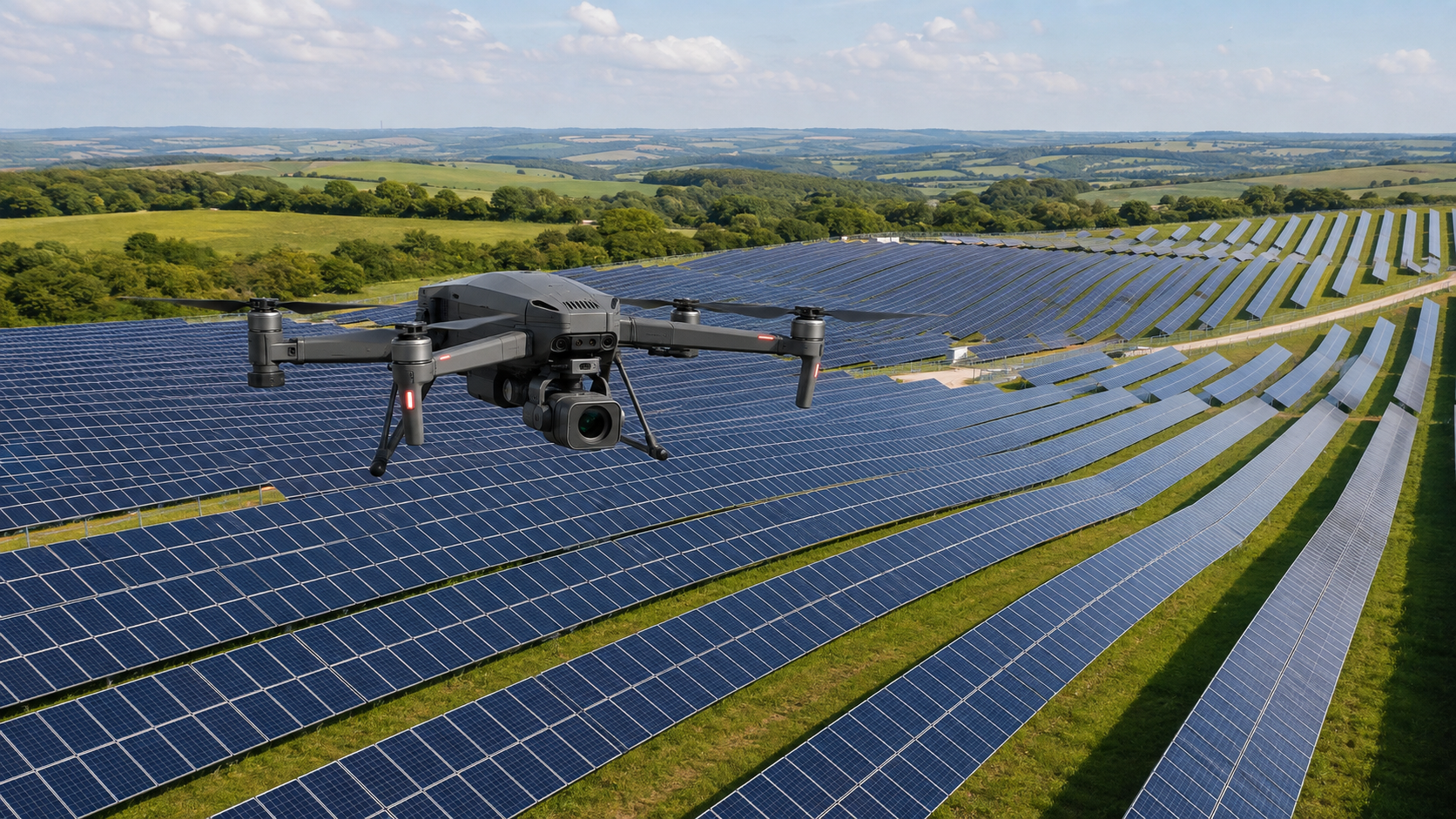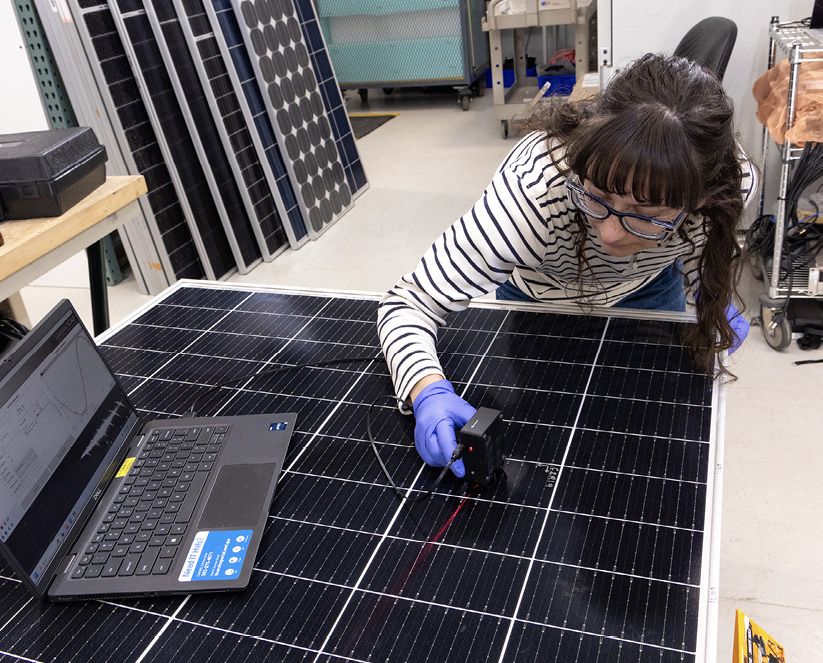
Researchers developed a daylight electroluminescence imaging method that enables detection of low-energy glass cracks in PV modules using motion-enhanced SWIR drone imaging. The approach allows simultaneous identification of cell defects and glass cracks, improving inspection efficiency for large-scale PV plants.
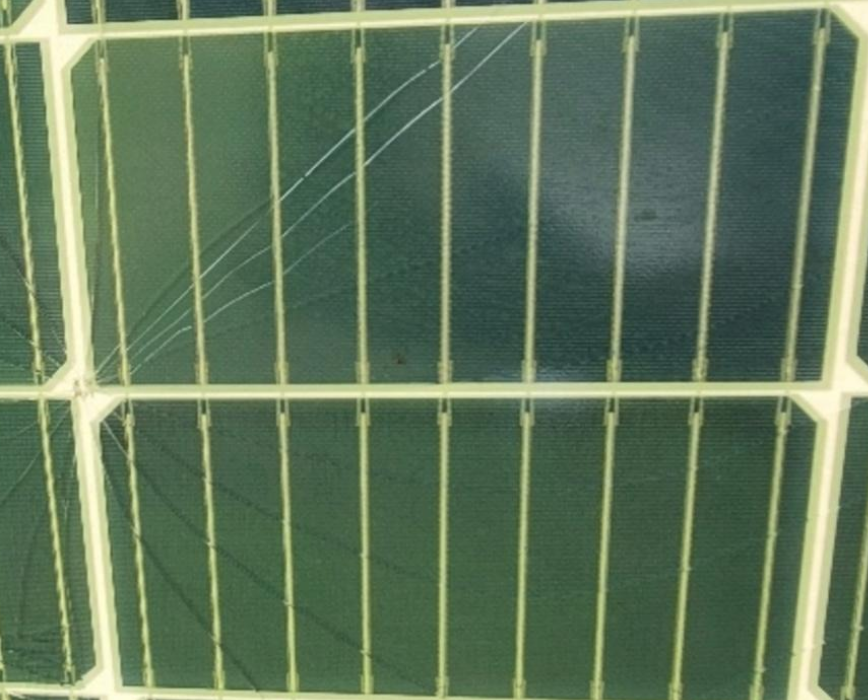
Researchers from the Technical University of Denmark have developed a novel method for detecting low-energy front glass cracks in PV modules using daylight electroluminescence (EL) imaging. Low-energy fractures are cracks that initially produce localized damage without significant propagation but have the potential to expand over time. Because they are subtle, they often go unnoticed in large-scale inspections.
“The novelty of this work is that we show that low-energy glass cracks in PV modules can be consistently detected using daylight electroluminescence (EL) imaging acquired in motion,” corresponding author Rodrigo del Prado Santamaría told pv magazine. “Traditionally, EL imaging is used to identify material defects in the solar cells themselves, while glass crack detection relies on visual inspections or infrared imaging. Our research shows that a single daylight EL inspection can provide information on both internal cell defects and glass cracks, which could make inspections more efficient and informative.”