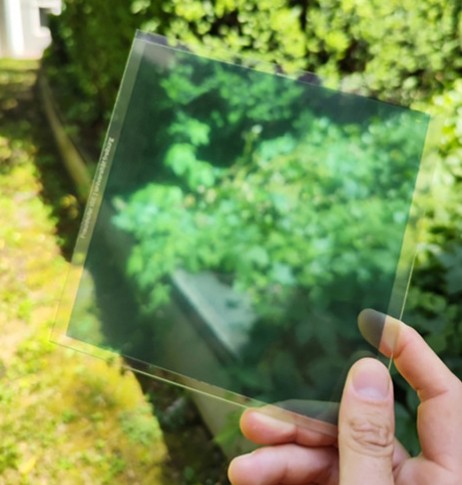
Semi-transparent photovoltaic modules can reduce greenhouse temperatures by up to 5 C while cutting water losses by more than 60%, according to research from the University of Jaén. The study compared CdTe and amorphous silicon technologies, highlighting the role of spectral transmission in balancing solar generation with crop requirements.
Integrating photovoltaics into greenhouses is not simply a matter of determining how much electricity a solar roof can generate. It also requires assessing how much radiation reaches the plants, under what microclimatic conditions, and how this affects their water requirements. A project developed by the University of Jaén (UJA) in Spain has investigated this interaction using two commercially available semi-transparent photovoltaic module technologies.
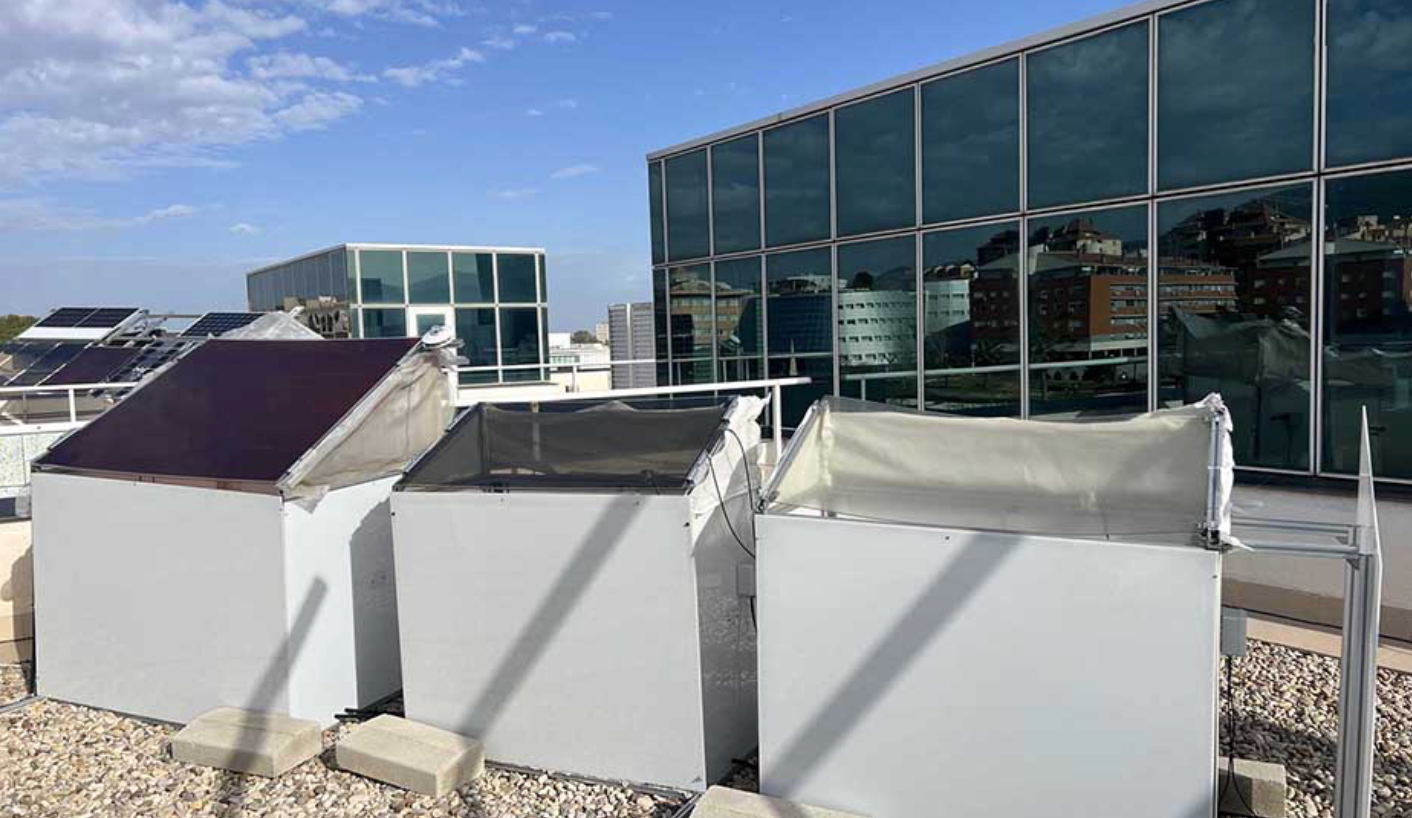
The research, funded by the Regional Ministry of Universities, Industry, Energy and Innovation of the Government of Andalusia, compared cadmium telluride (CdTe) and amorphous silicon (a-Si) modules installed as roofs on small experimental greenhouses. The results indicate that photovoltaic generation can significantly alter the indoor microclimate, with temperature reductions of up to 5 C and lower water losses through evaporation.