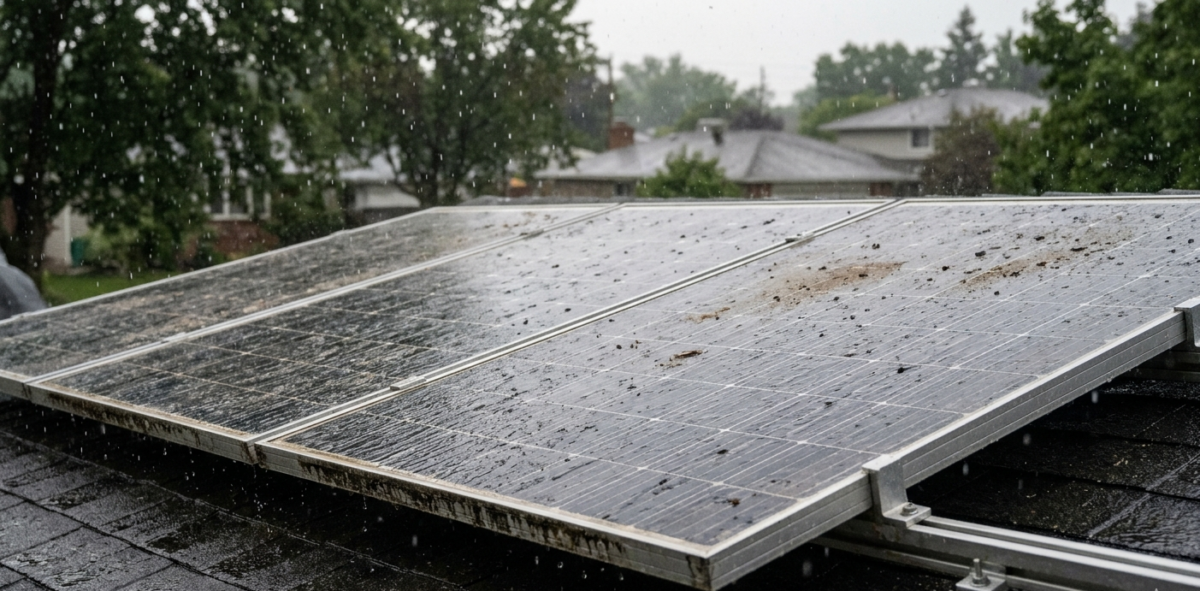
An Indian research team developed a transparent, nanocomposite coating that makes solar panels superhydrophobic, enabling self-cleaning and reducing dust-related performance losses. Six months of outdoor testing showed coated panels produced 16% more power than dusty panels and 7% more than manually cleaned panels, while also lowering temperature and improving stability.
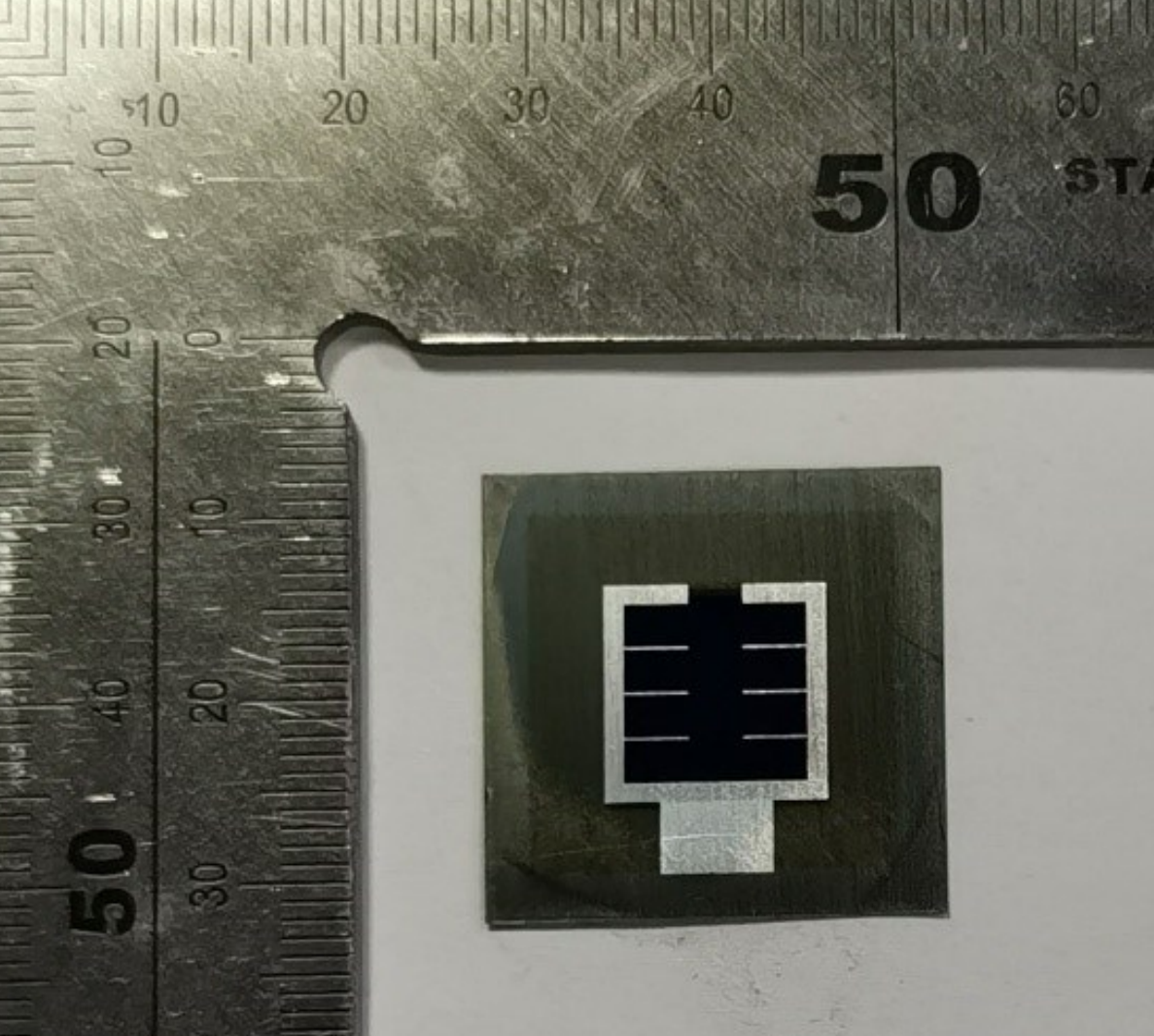
A research team from India has developed a PV panel self-cleaning coating that iincorporates silicon dioxide (SiO2) nanoparticles into a polydimethylsiloxane (PDMS) matrix, forming a nanocomposite that is then applied to the module’s glass substrate.
“The novelty of this research work is an integrated experimental and computational evaluation of a PDMS/SiO₂ superhydrophobic nanocomposite coating for solar photovoltaic panels,” said corresponding author C. Ayyanar to pv magazine. “Unlike previous research works that mainly focused on the coating’s hydrophobic or self-cleaning behavior, the present research work combined long-term outdoor performance testing with Particle Swarm Optimization (PSO)-based extraction of the five parameters of the single-diode PV model.”
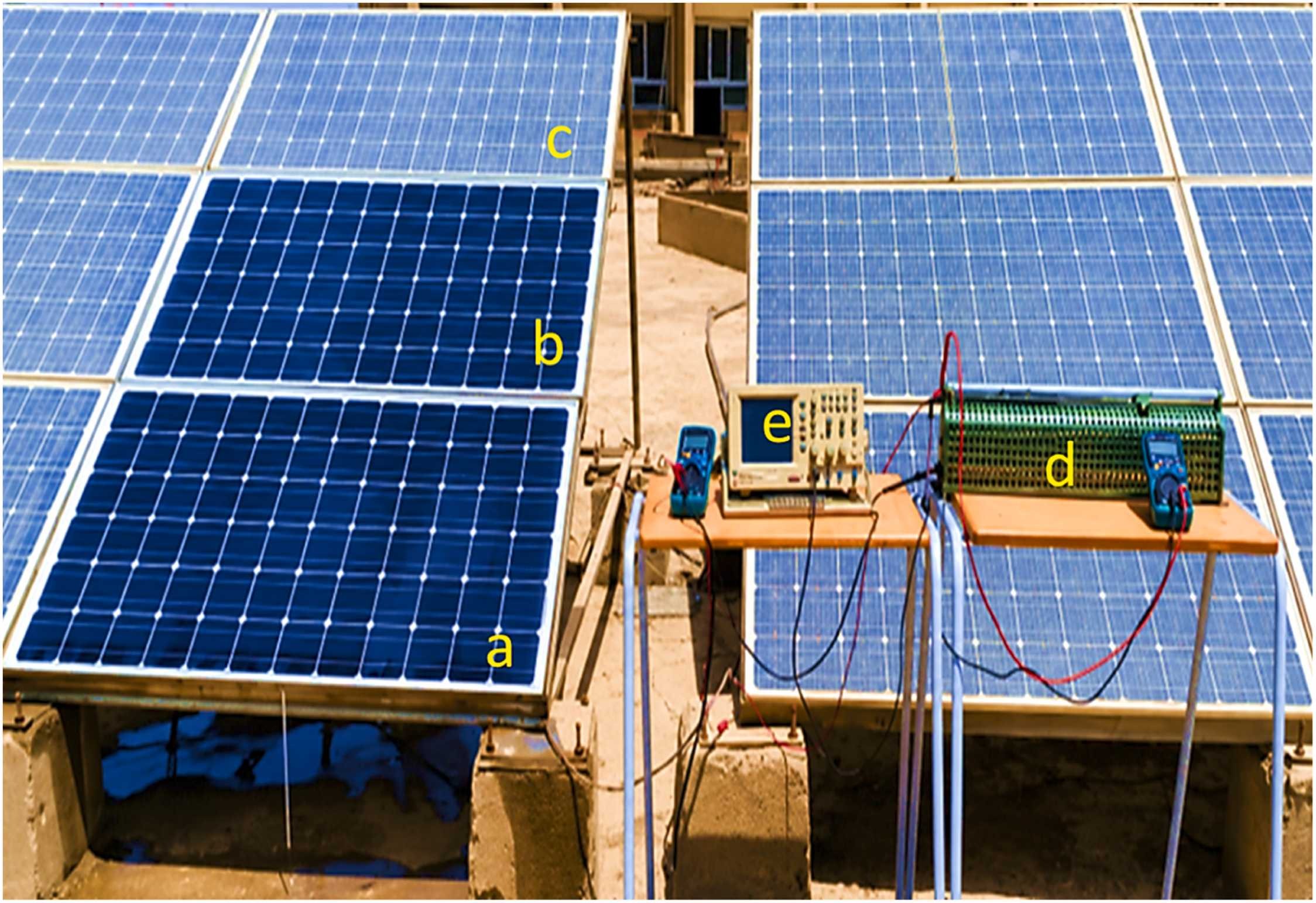
“The research study directly compared coated, manually cleaned, and naturally dust-accumulated PV panels under identical environmental conditions, providing a comprehensive assessment of the coating’s effectiveness in reducing dust-related power losses and improving photovoltaic performance,” the academic went on to say.