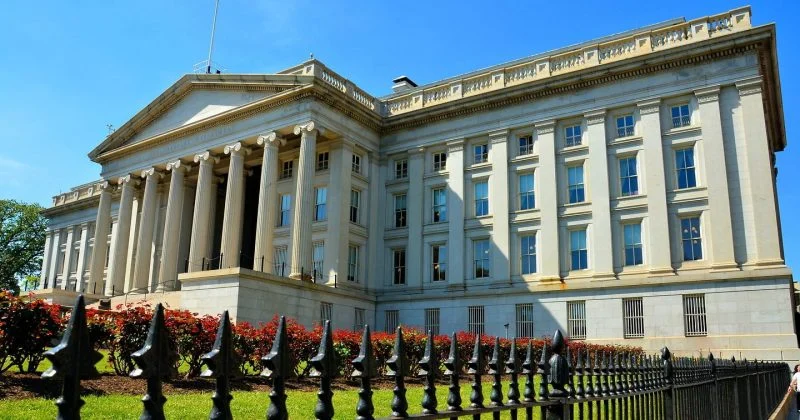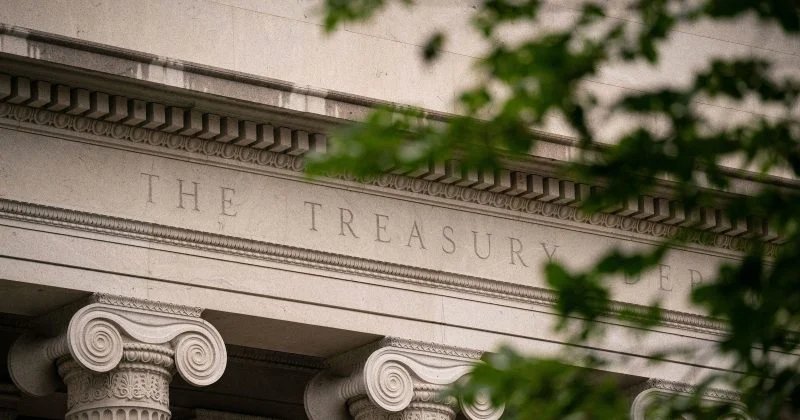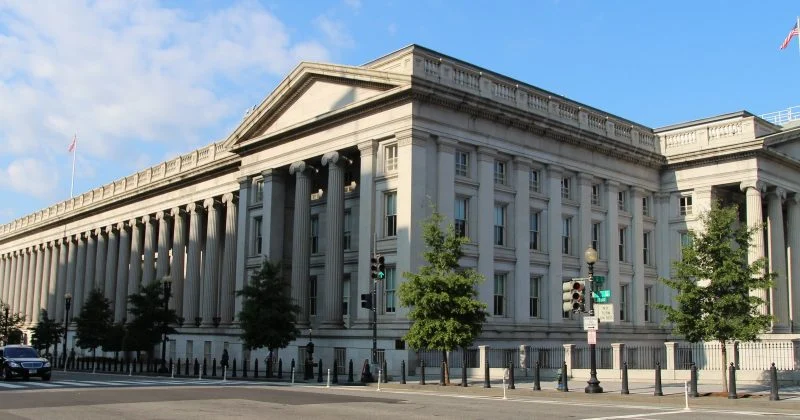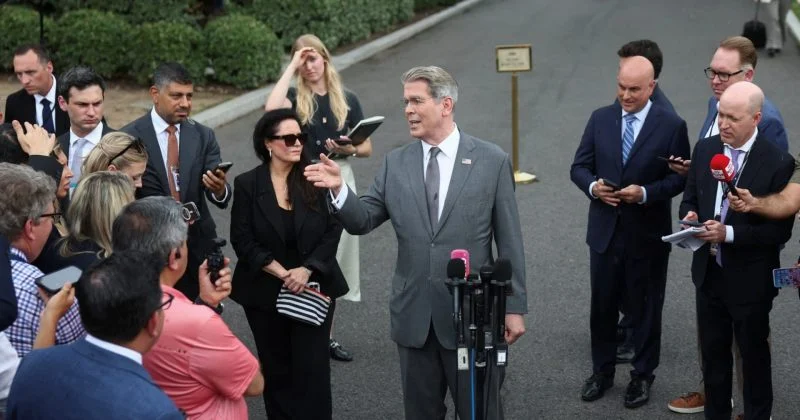
The US government tried to put out a fire in the bond market this week. The fire responded by getting bigger.
One day after the Treasury Department announced it would more than double its buyback operations for longer-dated bonds, Treasuries fell again, pushing some yields to levels not seen since 2007. The move underscored a growing reality: when the underlying problem is $40 trillion in federal debt, a liquidity bandage only goes so far.
What the Treasury actually did
Think of it as the government offering to repurchase its own IOUs from the secondary market at a premium, injecting cash and theoretically easing selling pressure. It’s a tool designed to smooth out market functioning, not to reduce the national debt itself.
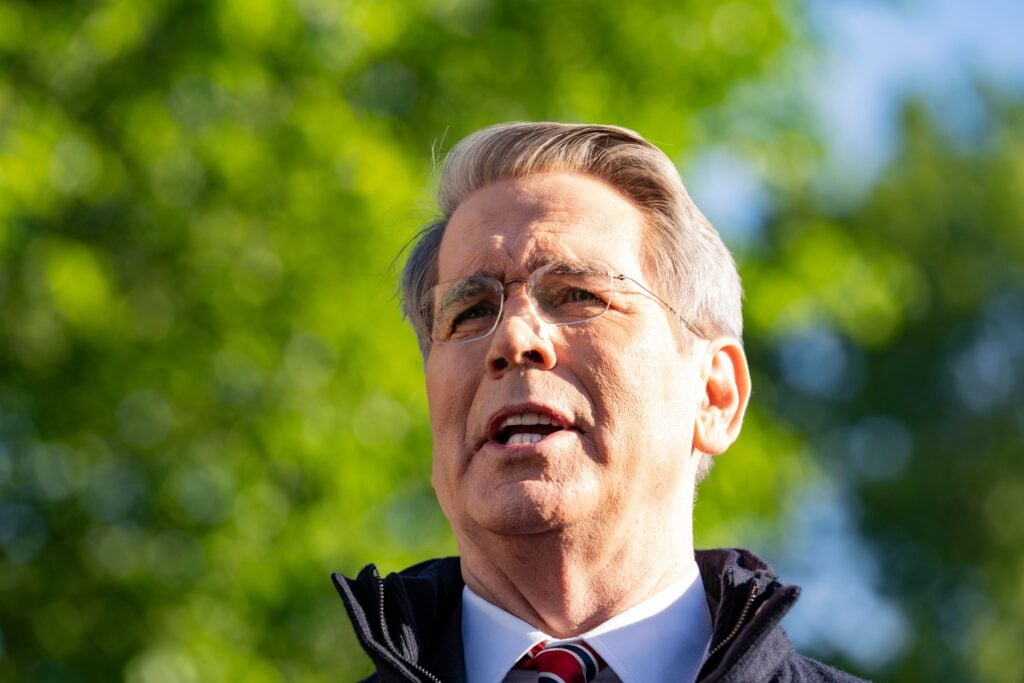
The 30-year Treasury yield climbed to its highest point since 2007 despite the announcement, a pretty clear signal that traders see the buyback increase as treating a symptom rather than the disease. Ian Lyngen, Managing Director and Head of US Rates Strategy at BMO Capital Markets, discussed the volatility on Bloomberg’s “Real Yield” program alongside Stephanie Roth, Chief Economist at Wolfe Research.