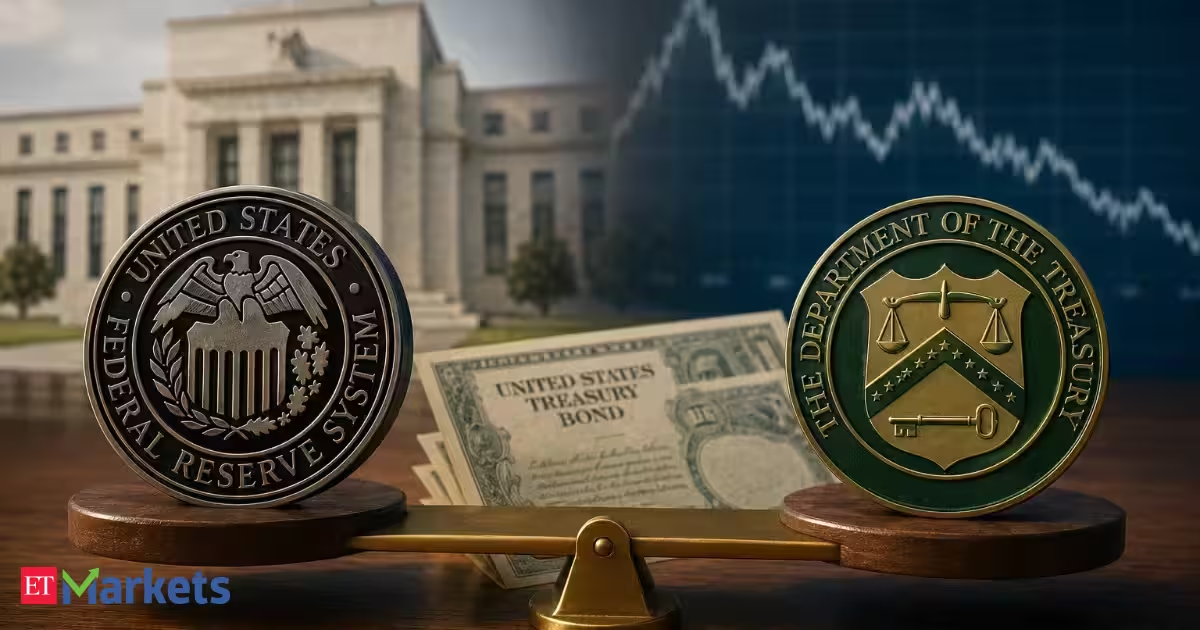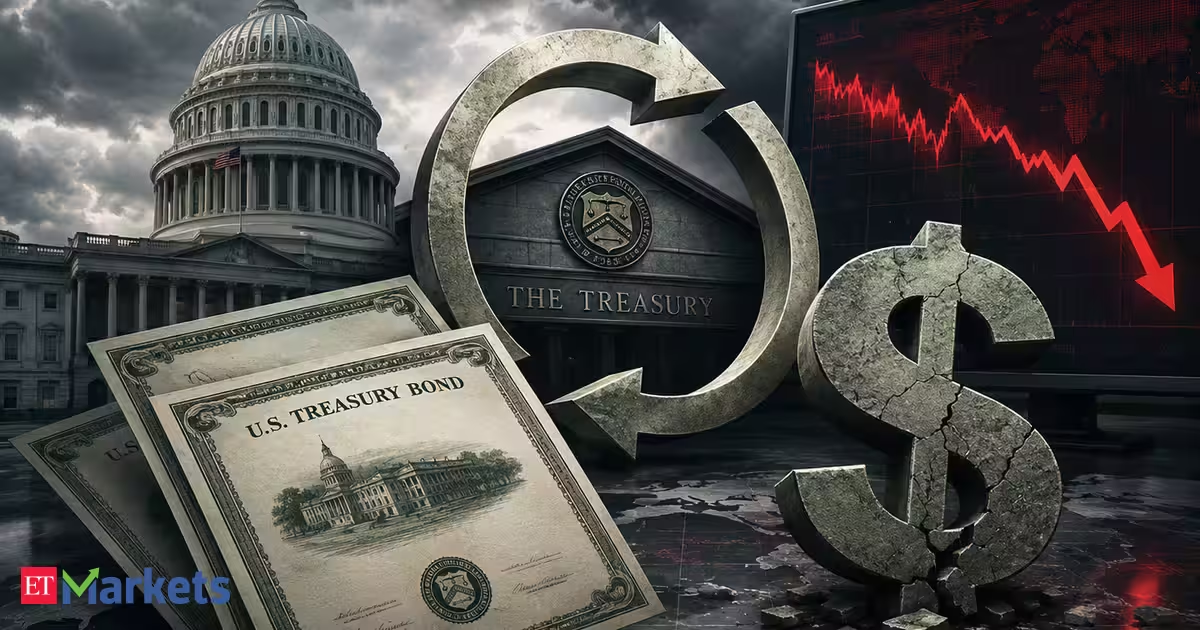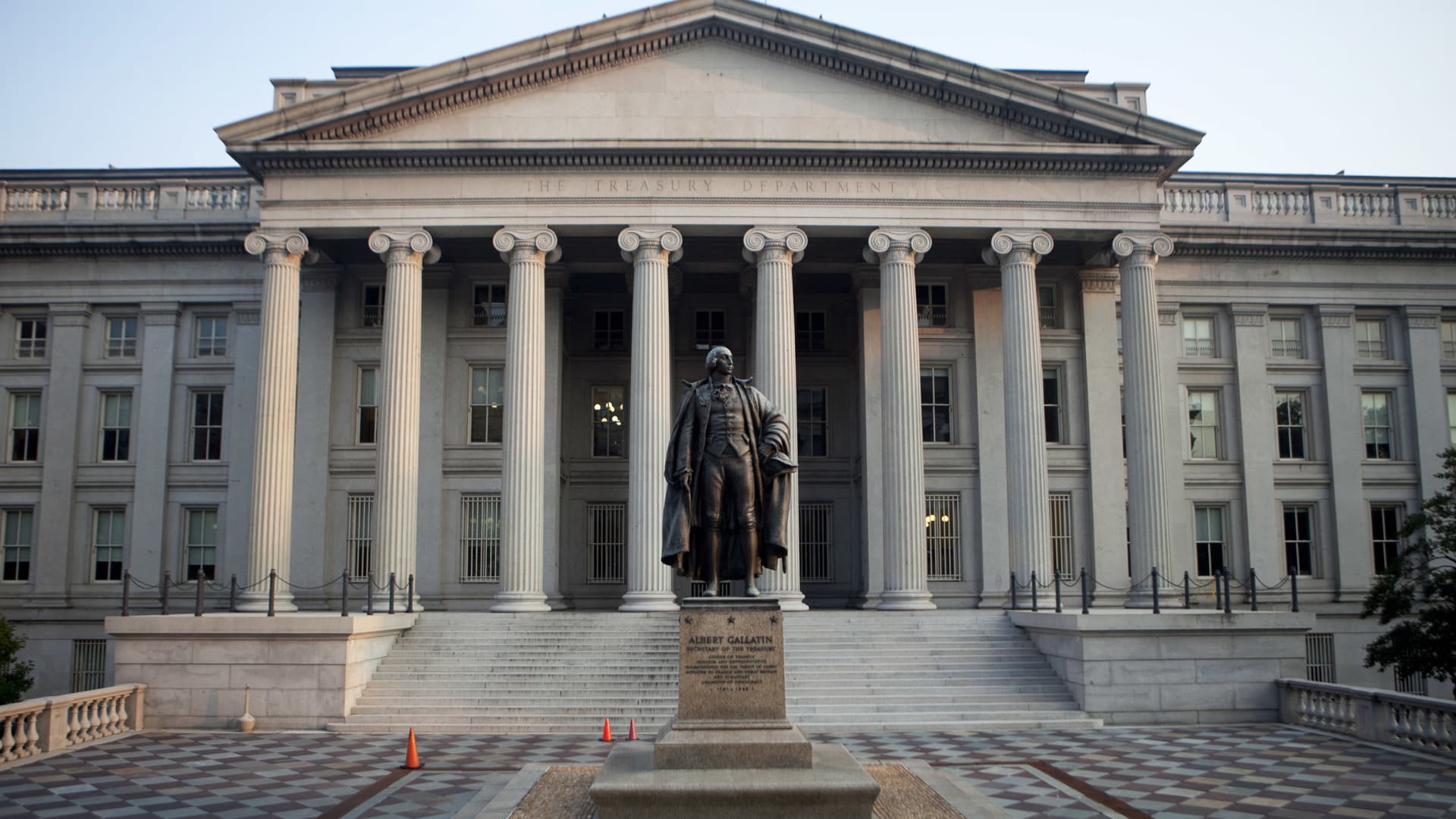
The US Treasury is caught in a feedback loop of its own making. Efforts to calm bond markets through expanded buyback operations are instead reinforcing the very anxiety they were designed to soothe, with market participants warning that unpredictable shifts in debt management strategy could push government borrowing costs even higher.
The 30-year Treasury yield surged to roughly 5.3% during an intense August sell-off, a level not seen since 2007. That’s the kind of number that makes fiscal math very ugly, very fast, especially when annual interest costs on the national debt already exceed $1.2 trillion.
The buyback gambit
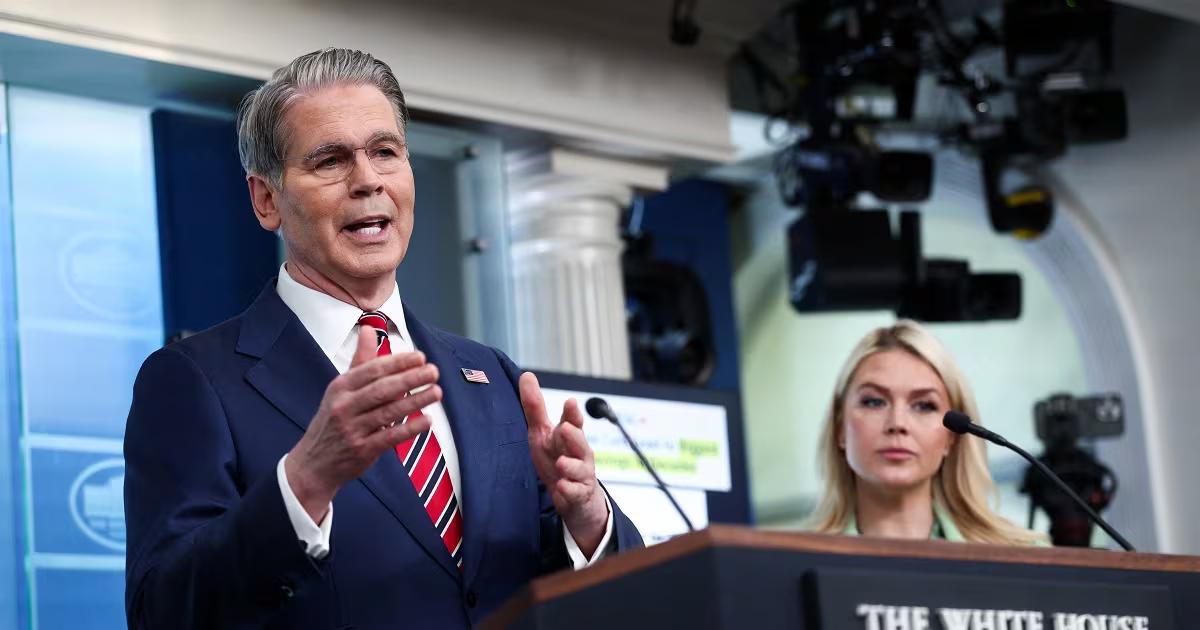
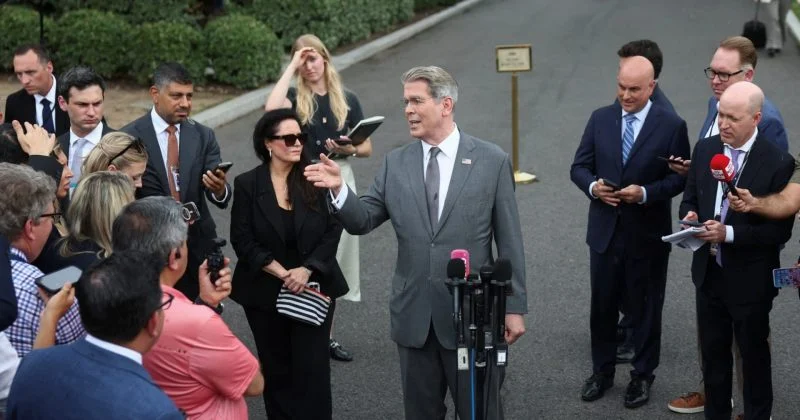
Treasury Secretary Scott Bessent moved quickly to contain the damage. On August 19, he announced plans to double the size of buyback operations for longer-dated securities, lifting the maximum from $2 billion to at least $4 billion per operation. The expanded program runs from September 9 through November 4.
Yields eased almost immediately after the announcement. But the relief may prove temporary.