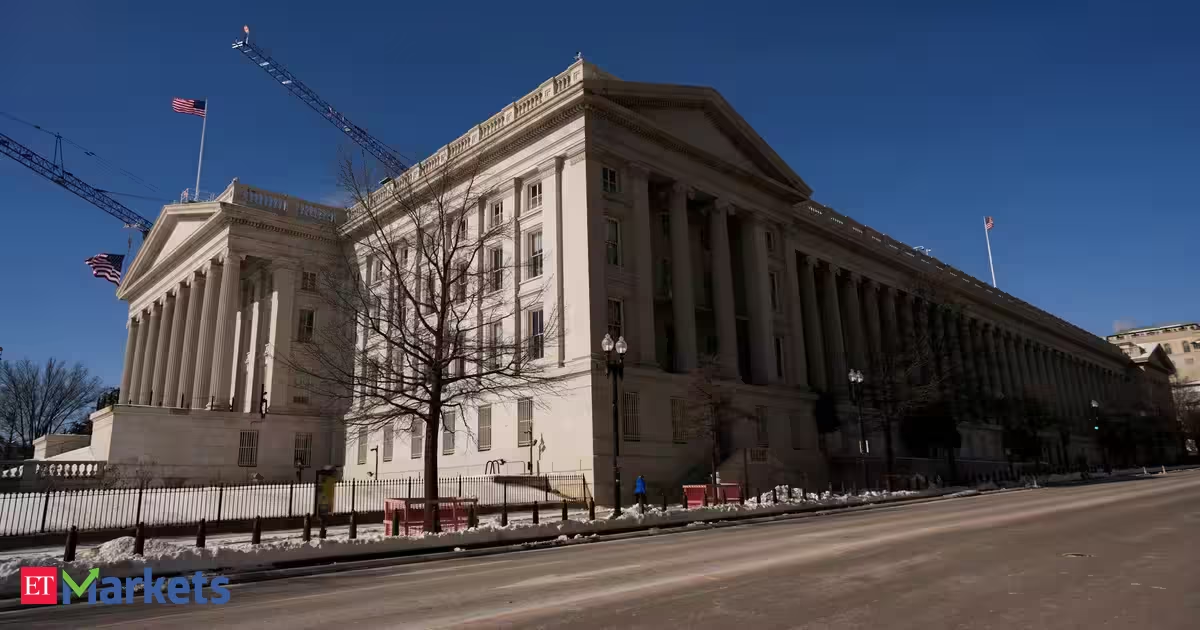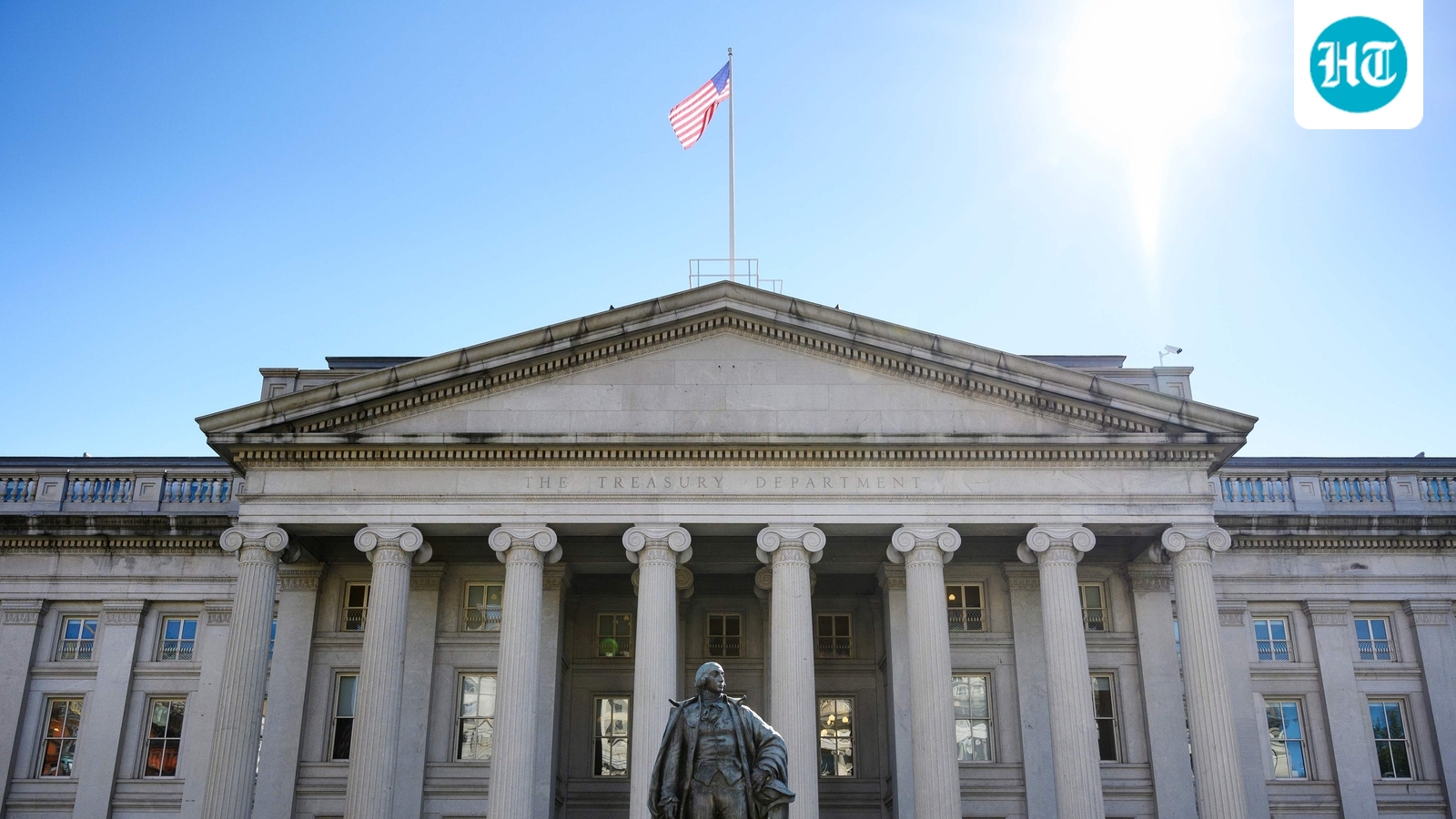
The target: the 10- to 30-year segment of the bond market, where yields have climbed to multi-year highs and demand has thinned out at exactly the wrong time for a government that needs to borrow a lot of money.
What the Treasury is actually doing
The scaled-up buyback operations will run from September 9 through early November 2026, covering both the 10- to 20-year and 20- to 30-year sectors. These aren’t new debt purchases in the traditional sense. Liquidity-support buybacks involve the Treasury repurchasing older, less-traded “off-the-run” securities. The goal is to reduce market dislocation and improve trading conditions, not to finance new spending.
The move builds on a quarterly buyback schedule released just two weeks earlier, which had already earmarked up to $38 billion in liquidity-support buybacks for the quarter. Doubling the per-operation cap represents a meaningful escalation of that plan.
Treasury Secretary Scott Bessent framed the buybacks as a core part of the department’s strategic toolkit for addressing market conditions.