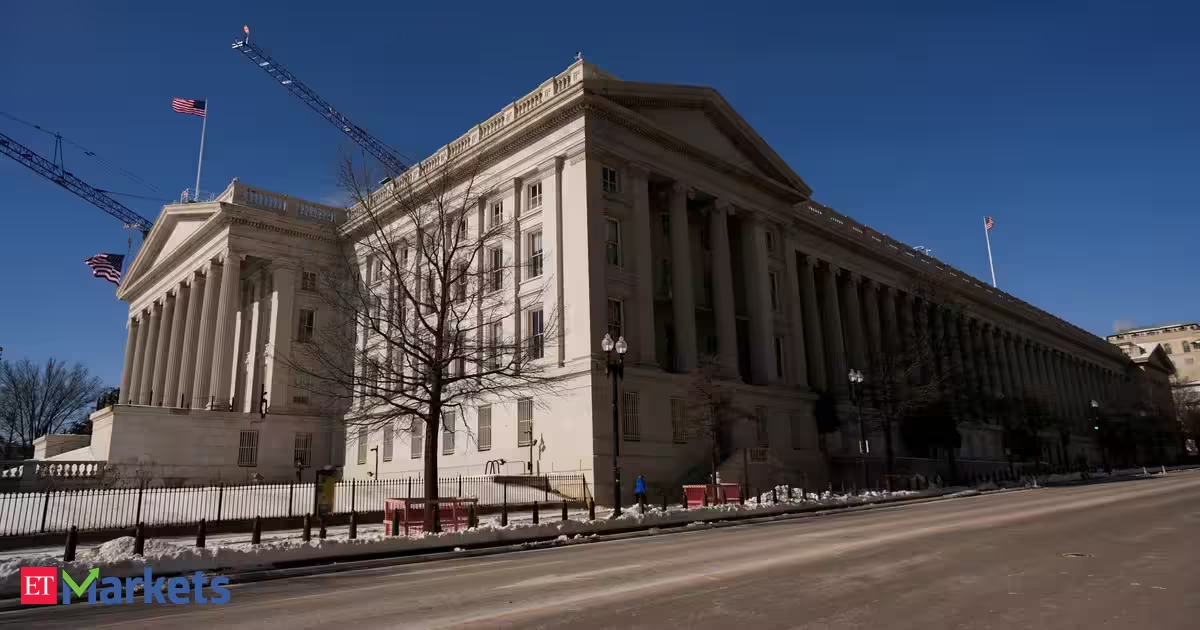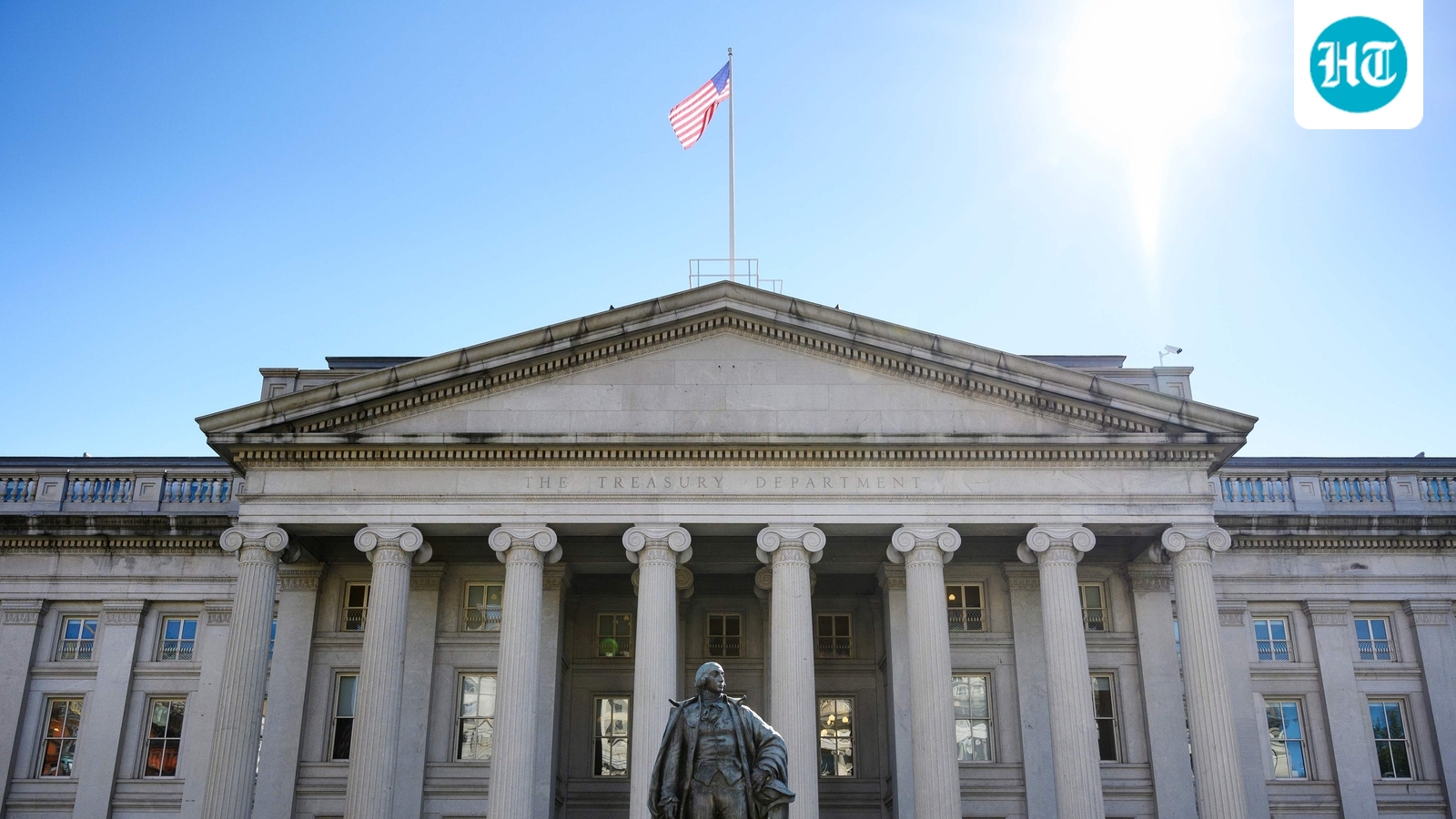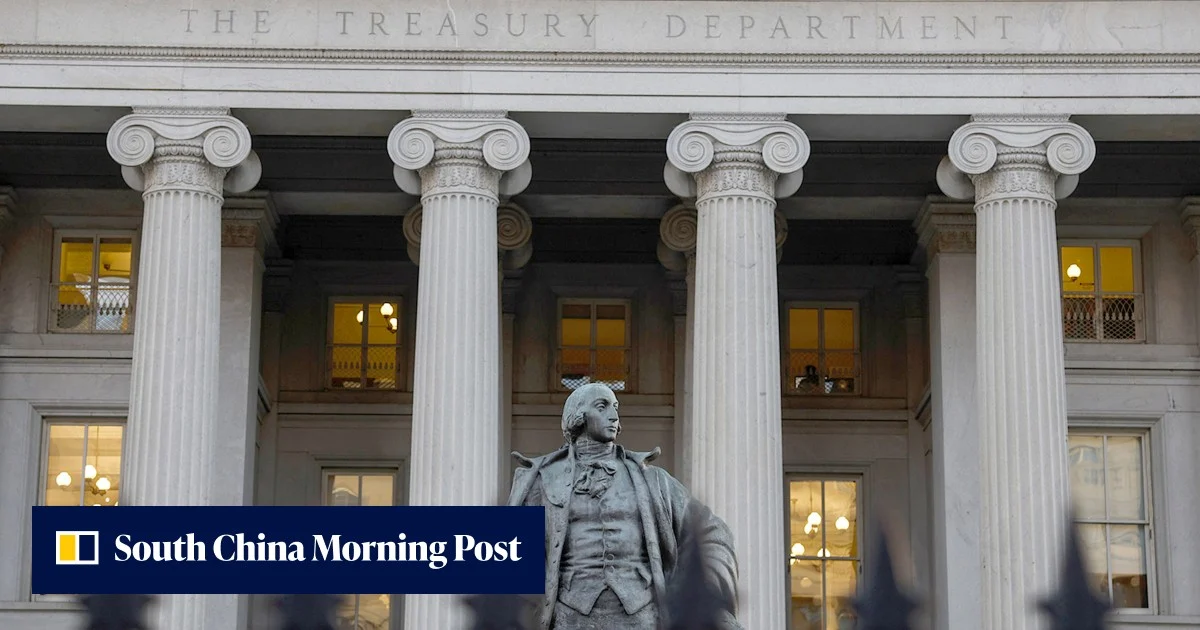
The U.S. Treasury has taken steps to lower long-term bond yields, a strategic move aimed at addressing the country’s increasing debt burden. By doubling the buybacks of long-dated bonds to at least $4 billion per operation, the Treasury seeks to boost demand for these securities, thereby supporting their prices and easing borrowing costs. This action comes amid concerns over rising federal debt, which typically exerts upward pressure on long-term rates. The intervention suggests a proactive approach to manage the economic implications of the U.S. debt situation.
In the context of prediction markets, this development appears to influence expectations regarding future Federal Reserve decisions. The market for the Fed’s upcoming decisions in June, July, and September shows a significant rise in the probability of a pause in rate hikes across these meetings. As of now, the market is pricing a 73.5% likelihood of a pause-pause-pause outcome, up from 68% a week ago. This suggests that the Treasury’s actions to lower yields are interpreted by some market participants as indicative of a potential shift in monetary policy to support economic stability.
Key Takeaways
The U.S. Treasury’s move to lower long-term bond yields appears consistent with efforts to manage rising federal debt and borrowing costs.