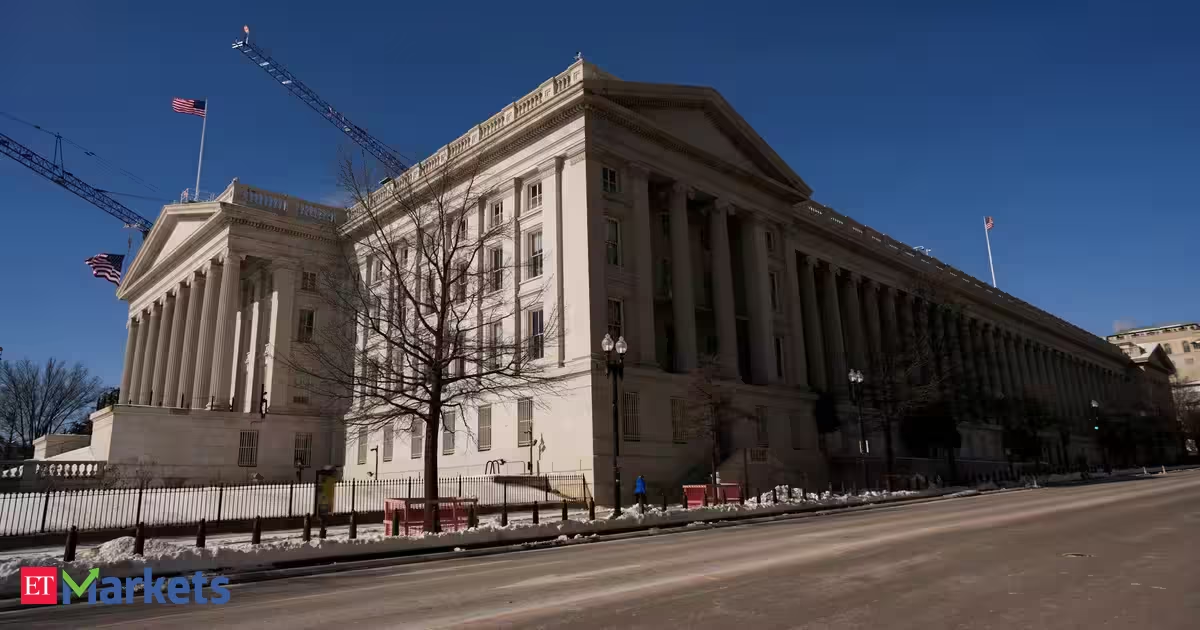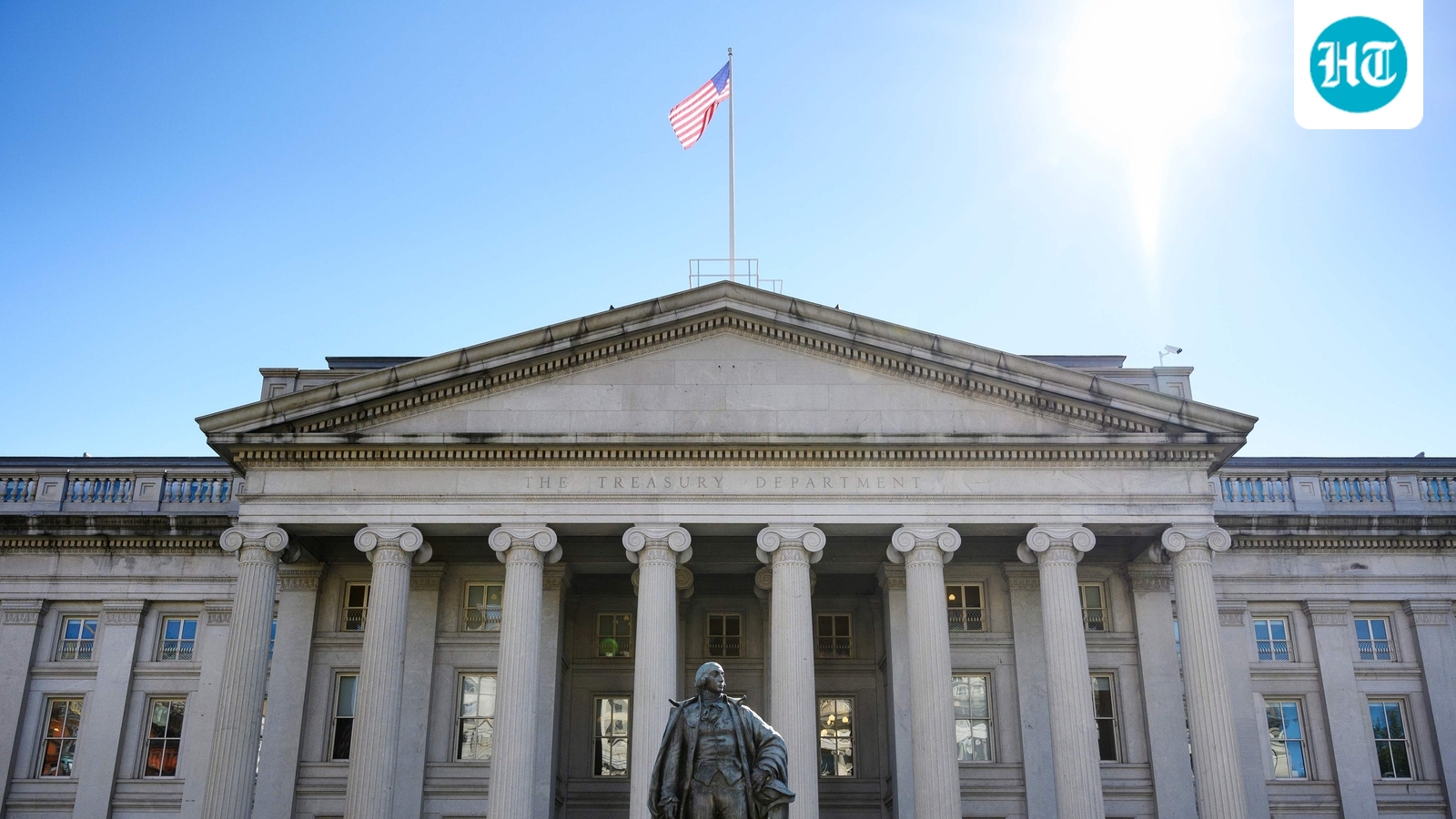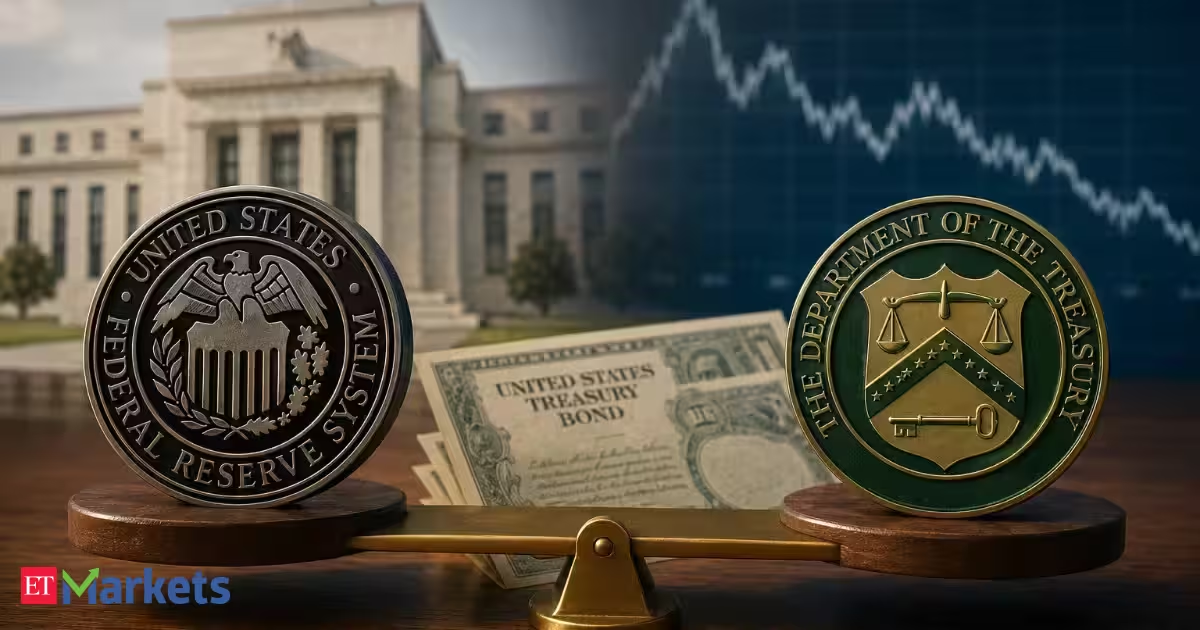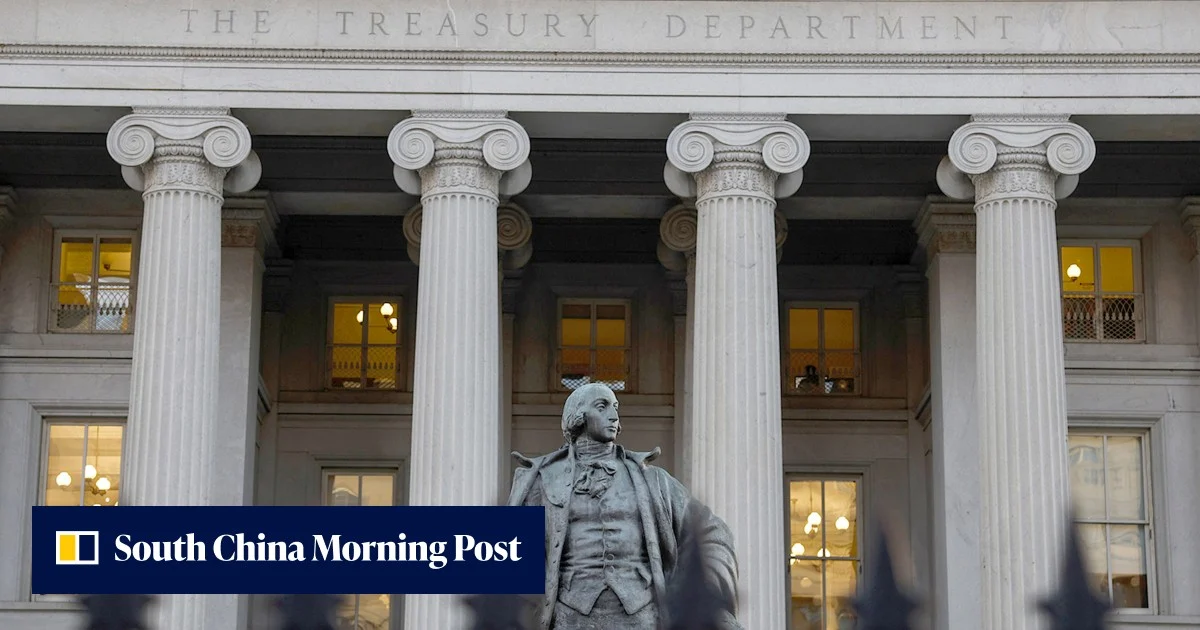
With elevated US Treasury yields fuelling concerns about Washington’s fiscal sustainability, the country’s Treasury Department stepped in on Wednesday, announcing plans to at least double the size of some long-end bond buy-backs.As markets weigh whether this move could turn the tide, we look at how the buy-backs work, how durable they could be in reining in yields and what they could mean for global asset allocation.What is the US Treasury Department doing – and is it unusual?The department said it would at least double the size of its buy-back operations for longer-dated US Treasury securities from September, in a move to “provide greater liquidity support” to the long-dated bond market, according to a statement on Wednesday.In simple terms, the buy-backs involve the government repurchasing outstanding Treasuries from investors before they mature.The operations will cover the 10-year to 20-year and 20-year to 30-year sectors, with the maximum size of each operation rising from US$2 billion to at least US$4 billion, the department said.The move came as US long-term Treasury yields have climbed to multi-year highs amid persistent concerns over the country’s fiscal and inflation outlook, as well as uncertainty over the Federal Reserve’s policy direction, which have weighed on bond prices and pushed yields higher.
US Treasury Department steps in amid bond rout: will it work?
Analysts said the impact on global asset allocations would depend on whether the move could bring long-end Treasury yields sustainably lower.
204 words~1 min read